BAID Team Wins Gold Medal at International Genetically Engineered Machine Competition!
Competition Overview
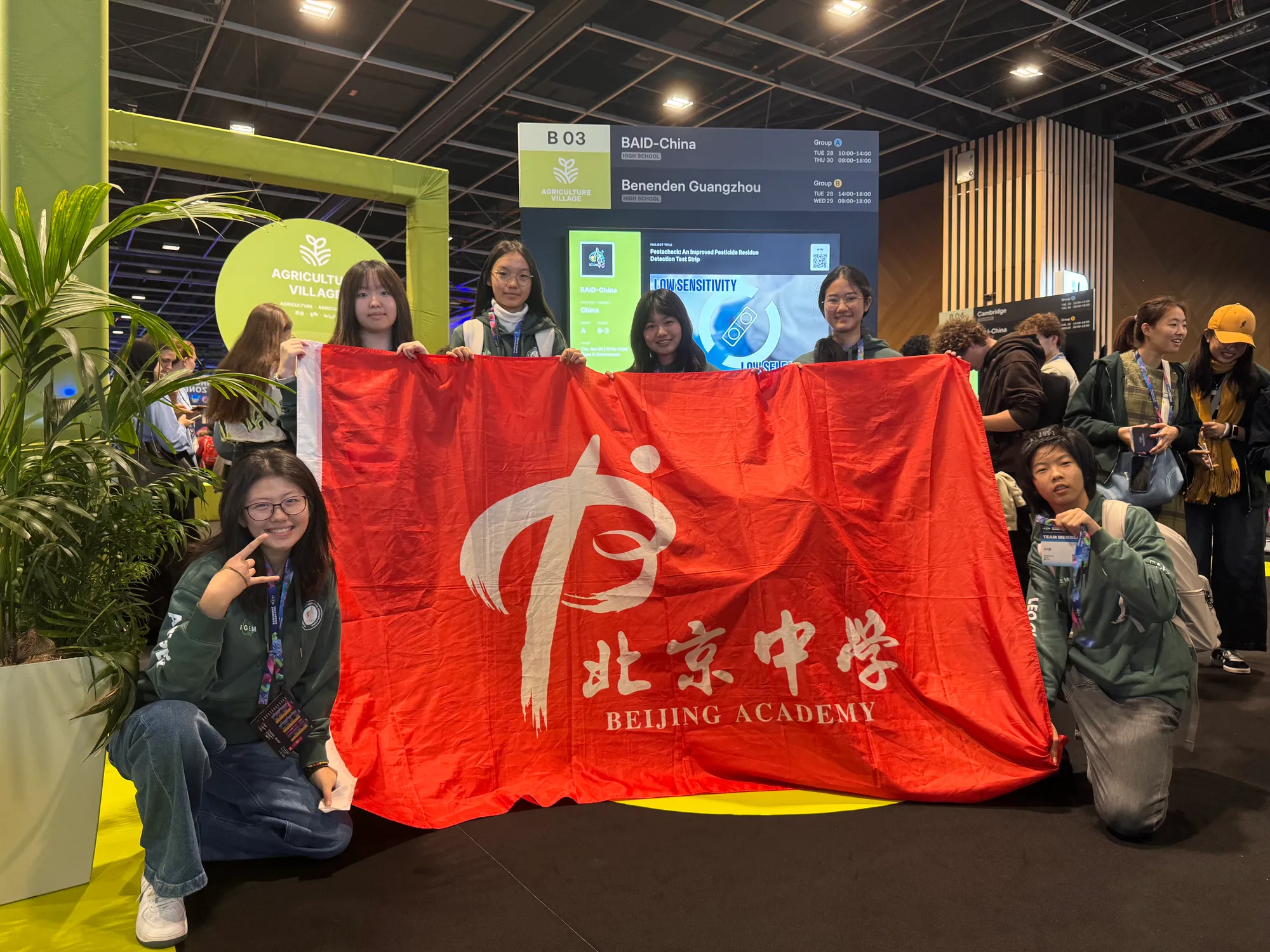
iGEM (International Genetically Engineered Machine) is a top-tier international competition in the field of synthetic biology and a multidisciplinary collaborative contest. Participants are required to select their own research topics and apply knowledge of synthetic biology to address local problems. The competition results and research outcomes have consistently attracted attention from leading academic journals such as Science, Nature, and The Economist. Students who participate in and receive awards at iGEM are more likely to gain recognition from top universities worldwide, making the competition highly prestigious and internationally influential. The BAID team distinguished itself among over 140 high school teams at the 2025 iGEM International Genetically Engineered Machine Competition and was awarded the Gold Medal.
Project Introduction: Pestacheck
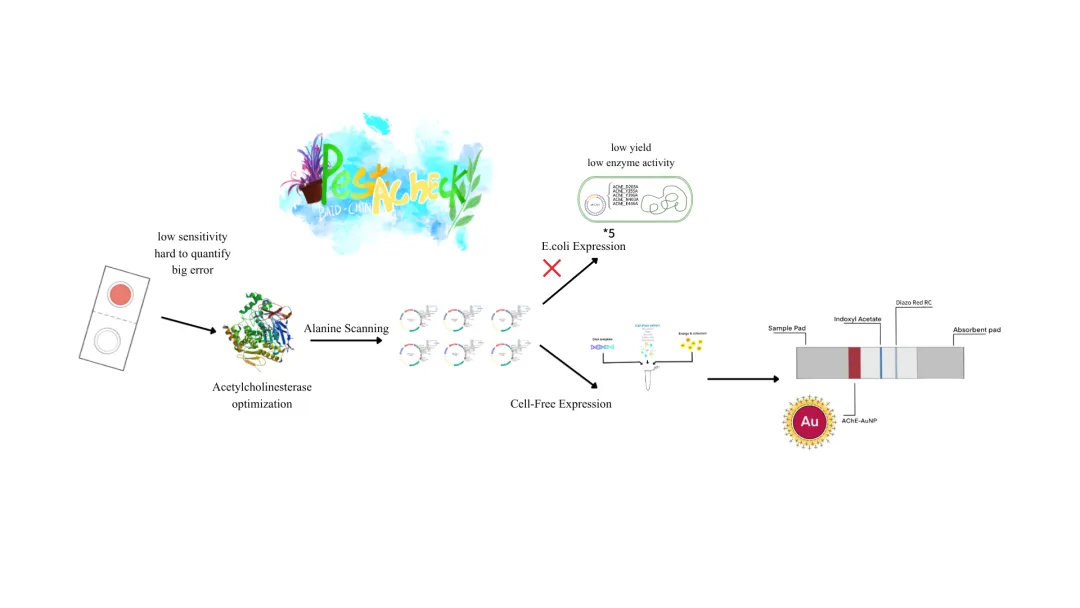
Pesticide residues on food pose serious health risks to the whole world, yet current detection methods remain inefficient and unstable. Recognizing this issue, we developed Pestacheck, a rapid, low-cost pesticide residue detection test strip based on the enzyme-inhibition principle of acetylcholinesterase (AChE). Through Alanine-scanning mutagenesis, we engineered AChE mutants via Cell-Free expression system. The optimized enzyme was immobilized with Gold Nanoparticles (AuNP) to improve sensitivity and integrated into a colloidal gold-based test strip for visible colorimetric detection. Together, Pestacheck provides a user-friendly synthetic biology solution for on-site pesticide residue detection.
01 Preparation — Tilling and Preparing
An Yuehan had participated in the 2023 competition and possessed strong leadership skills along with a capacity for reflection. Volunteering to lead the team, she took on the responsibility of assembling the group. Such courage and determination—dedicated to originality, embracing challenges, and building the school's reputation—are truly commendable. Through multiple in-depth discussions between teachers and students, the criteria for team member selection and academic goals were established. After more than a month of effort, the school team was successfully formed.
During the brainstorming phase for topic selection, team members held differing opinions. To respect every idea, the team first divided into two tracks: Therapeutics and Agriculture. Throughout the entire winter holiday, students from both groups proposed potential project concepts within their respective tracks, conducted extensive literature reviews, and analyzed successful teams from previous years in these tracks.
An Yuehan:
"The best thing about project-based competitions is that teams have plenty of room for creative freedom—any bold, unconventional idea has the potential to become reality. That's why we don't dismiss any idea outright; we simply choose the best ones. Perhaps someday at an exhibition in Paris, you'll see a project that resembles something we dreamed up."
02 Exploration — Discovery and Challenge
After careful deliberation, we ultimately chose the agriculture track, focusing on the persistently controversial issue of pesticide residues. To ensure food safety, agricultural products often need to be sent to specialized companies for pesticide residue testing—a significant economic and time burden for individual farmers. Additionally, health-conscious individuals at home often want to independently verify that fruits and vegetables are free from or contain only low concentrations of pesticide residues to safeguard family food safety. These needs made the urgent development of an affordable and efficient rapid testing solution apparent. Through research, we discovered that similar products already existed in the market, but they suffered from numerous problems. Only after identifying the pain points through preliminary experiments were we able to make targeted breakthroughs.
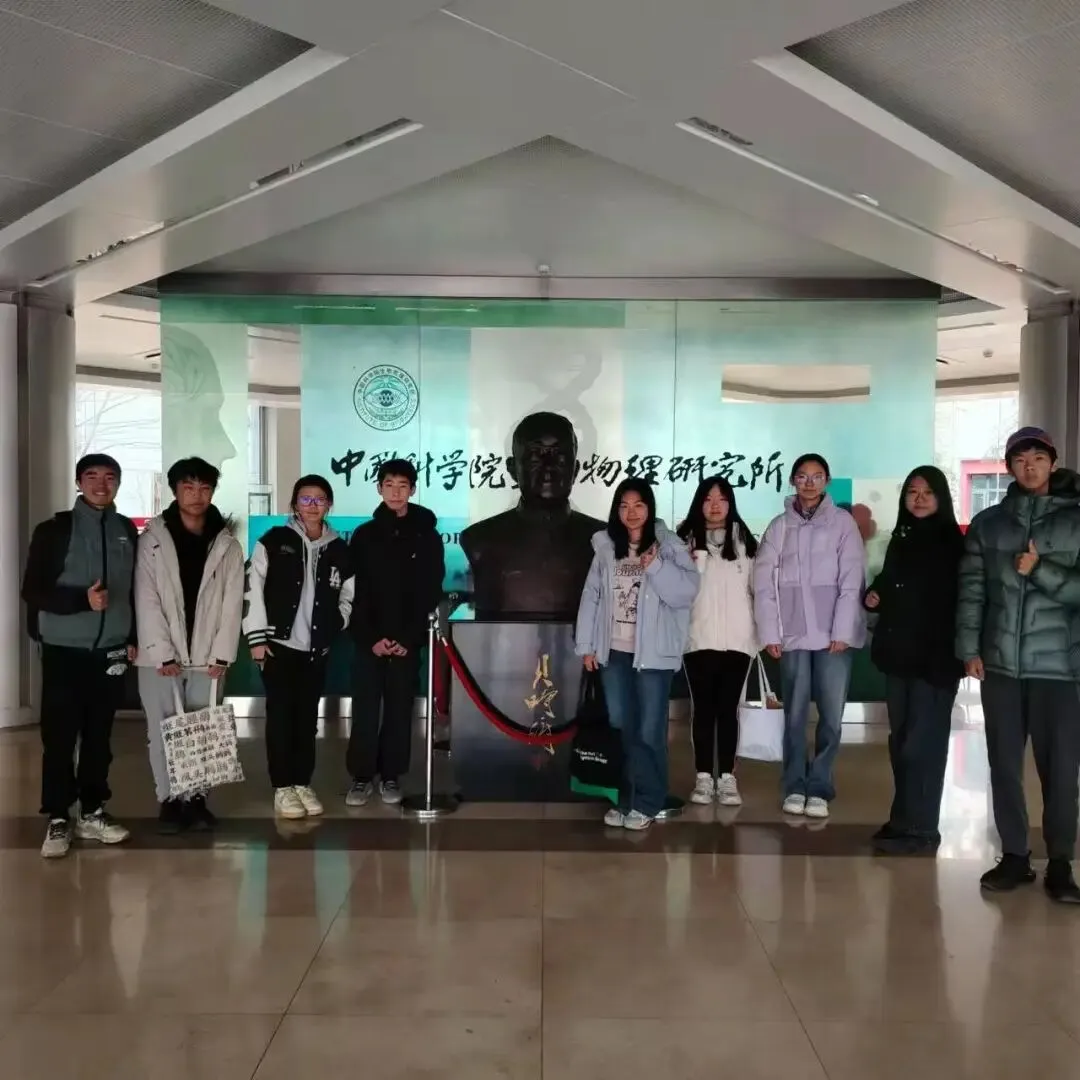
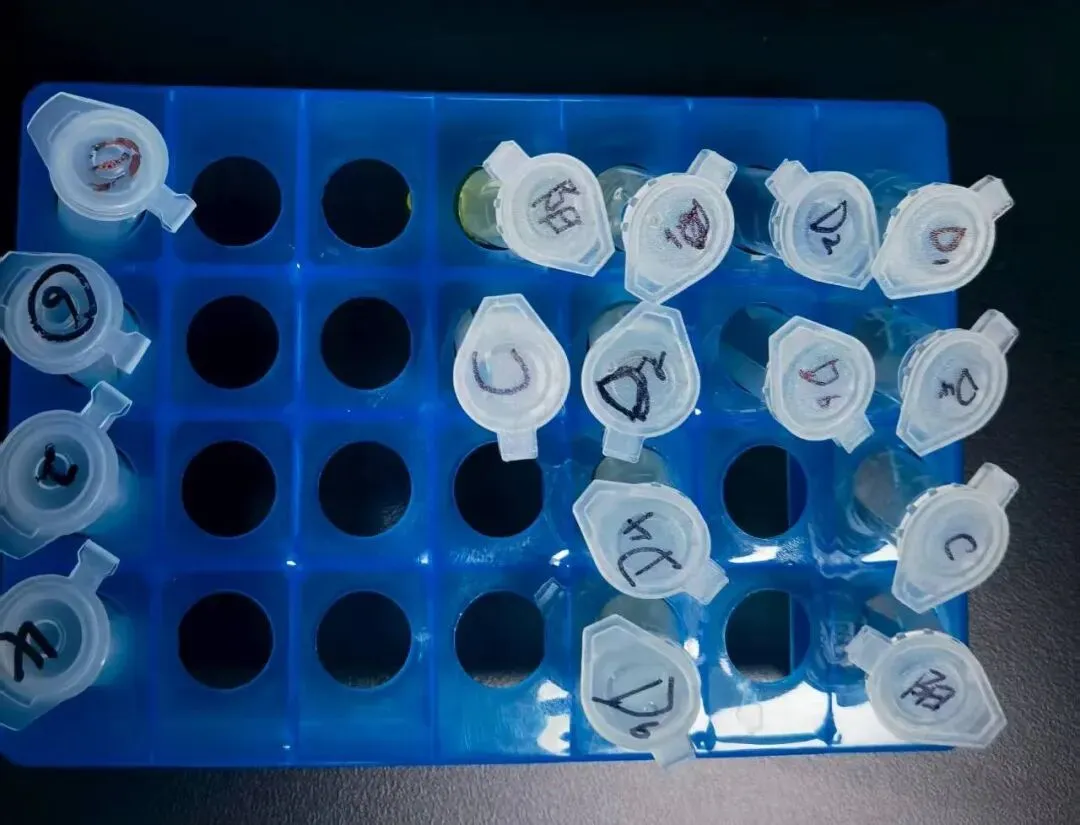
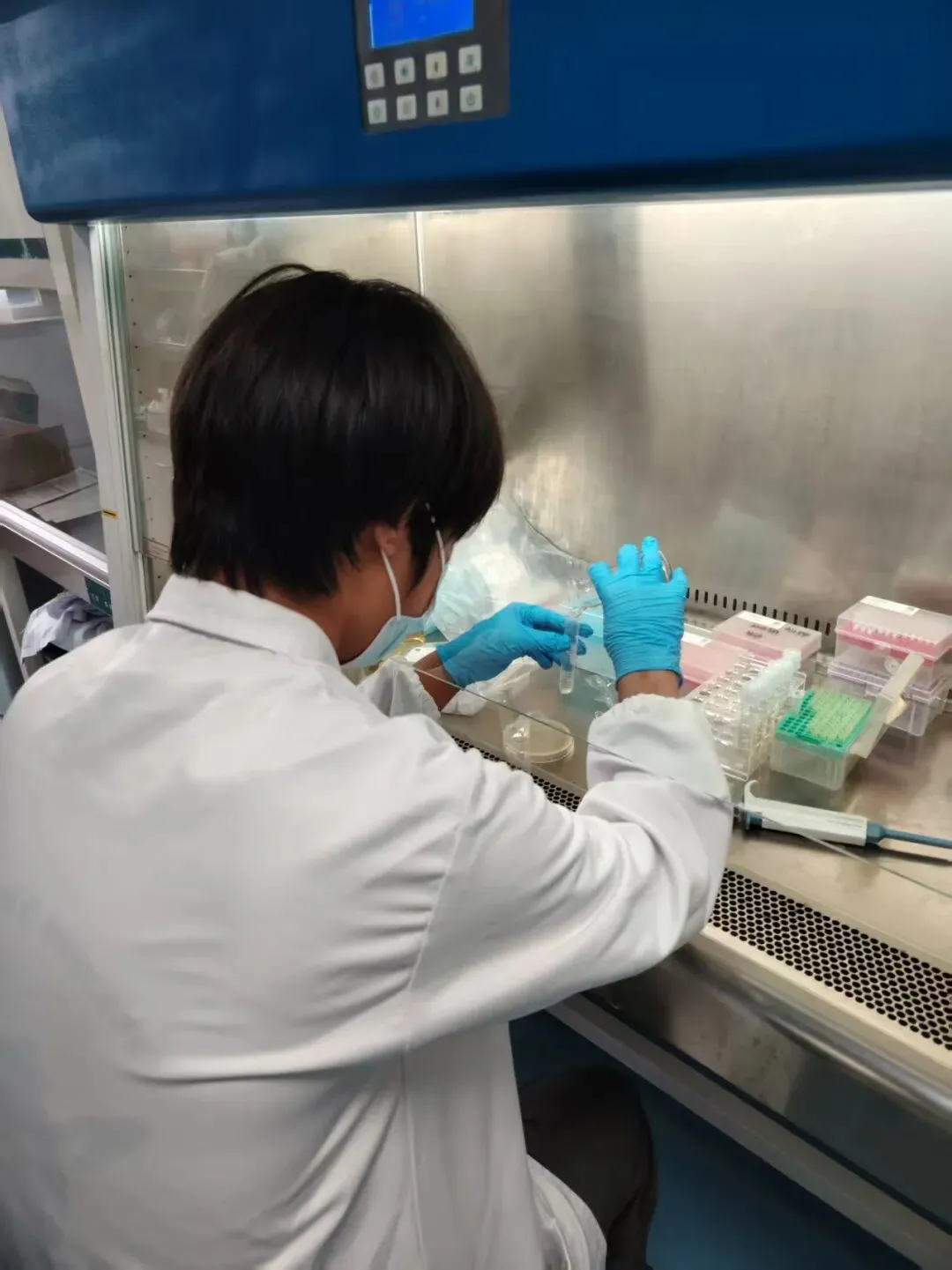
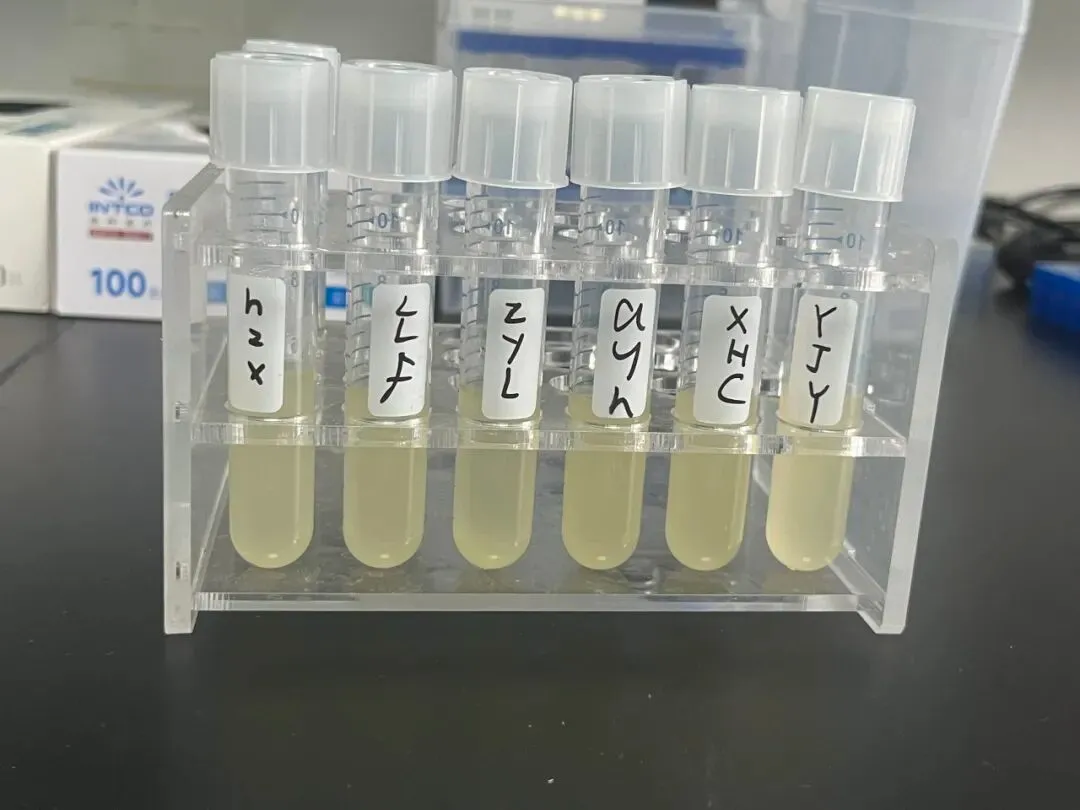
From June to August 2025, more than a dozen team members made numerous trips between school and the laboratory. A fully booked experimental schedule and diligently maintained laboratory journals attested to the students' dedication.
Zhou Yuelun:
The summer of 2025 was the most unforgettable and rapidly transformative two months of my life. The lengthy experimental process was genuinely difficult—failure always seemed to come out of nowhere. When using prokaryotic expression, inclusion bodies formed, and despite trying various methods, we couldn't resolve the issue. For site-directed mutagenesis PCR, one or two of the five mutants never succeeded. The first time we attempted cell-free expression, the positive control simply wouldn't express... Our daily laboratory journals recorded countless instances of exploration and reflection. Every attempt accumulated experience. During those two months, I spent my time on the bus learning experimental techniques and principles I had never encountered before, gaining insights through one failure after another. Looking back on that hectic period now, I still feel moved by the perseverance and dedication that defined each day.
Guan Yinan:
I remember that early in the experiments, as someone new to the laboratory, after running plasmid digestion, I performed gel electrophoresis without including a control group. When I examined the results, something was clearly off and needed adjustment. At first, I didn't understand what the problem was, and feeling embarrassed to ask the teacher again, I mistakenly ran the control group separately once more. Facing two useless gel results and delayed experimental progress, our instructor couldn't help but laugh and shake their head. They simply told me, "Never pretend to understand what you don't. If you have questions, just ask without hesitation." Such patience and professional guidance gave me the courage to explore further. Gradually, I became familiar with various laboratory equipment and established experimental procedures. My understanding of synthetic biology experimental methodology deepened, and my interest in biology grew naturally.
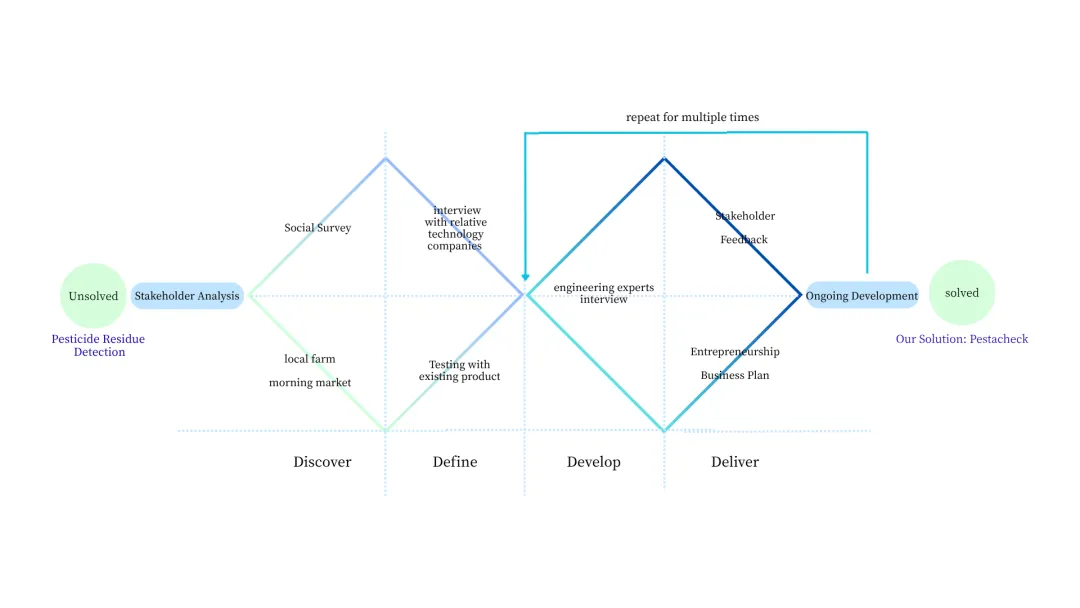
Beyond experiments, iGEM places great emphasis on the Human Practices (HP) component—the social implementation of the wet lab team's achievements. Through surveys, expert interviews, and project visualization, the HP component requires continuous incorporation of expert advice to refine wet lab experiments and support project dissemination, completing the engineering cycle. This year, the HP team divided their work into four phases: Discovery, Definition, Development, and Promotion. Based on this framework, students conducted a total of 13 related activities over four to five months, including surveys, expert interviews, and team exchanges, among others.
Yang Ruixi:
HP is not merely about promoting our project—it also encompasses designing questionnaires during the initial project phase, summarizing experiences, conducting expert interviews, and other humanities-related work. Through interviews with experts in relevant fields, we could better identify product issues and provide materials and background information for the wet lab experiments. iGEM's diversity taught me a great deal: How do you design a questionnaire to make it more authentic? How do you convey the interview results and the project's original intent to the judges through written text? From my first encounter with this competition, studying the HP components of previous Gold Medal teams, to finally compiling records of each expert interview into the Wiki's complete documentation, the process deeply deepened my understanding of the research topic and improved my communication and expression skills—a wonderful reward that the competition gave me.
An Yuehan:
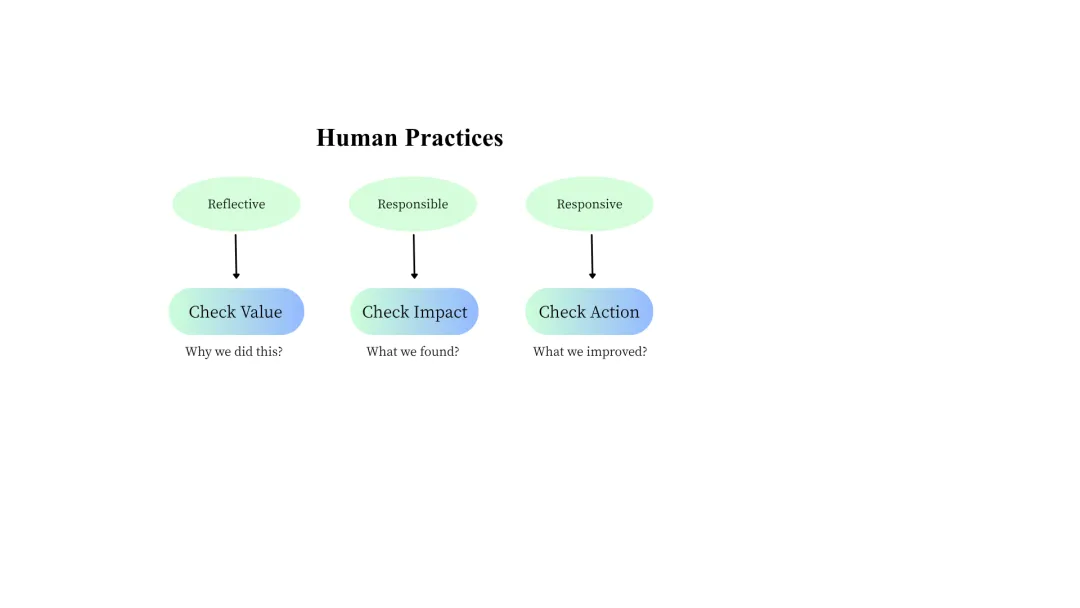
While browsing the official website at the end of last year, I discovered that iGEM has three requirements for outstanding HP work: Reflective, Responsible, and Responsive. Corresponding to these three standards, we reviewed every HP activity we conducted and developed our own reflection model. Only with the help of this model were we able to truly achieve "integrated" implementation, genuinely promoting our project into society.
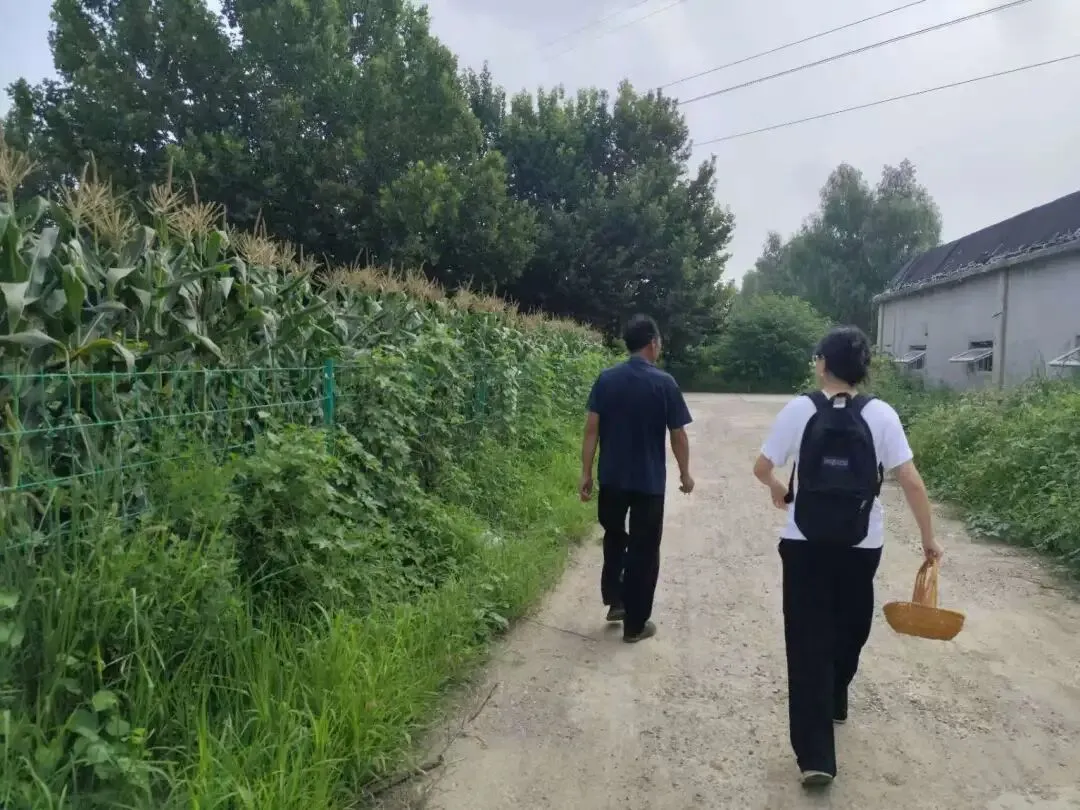
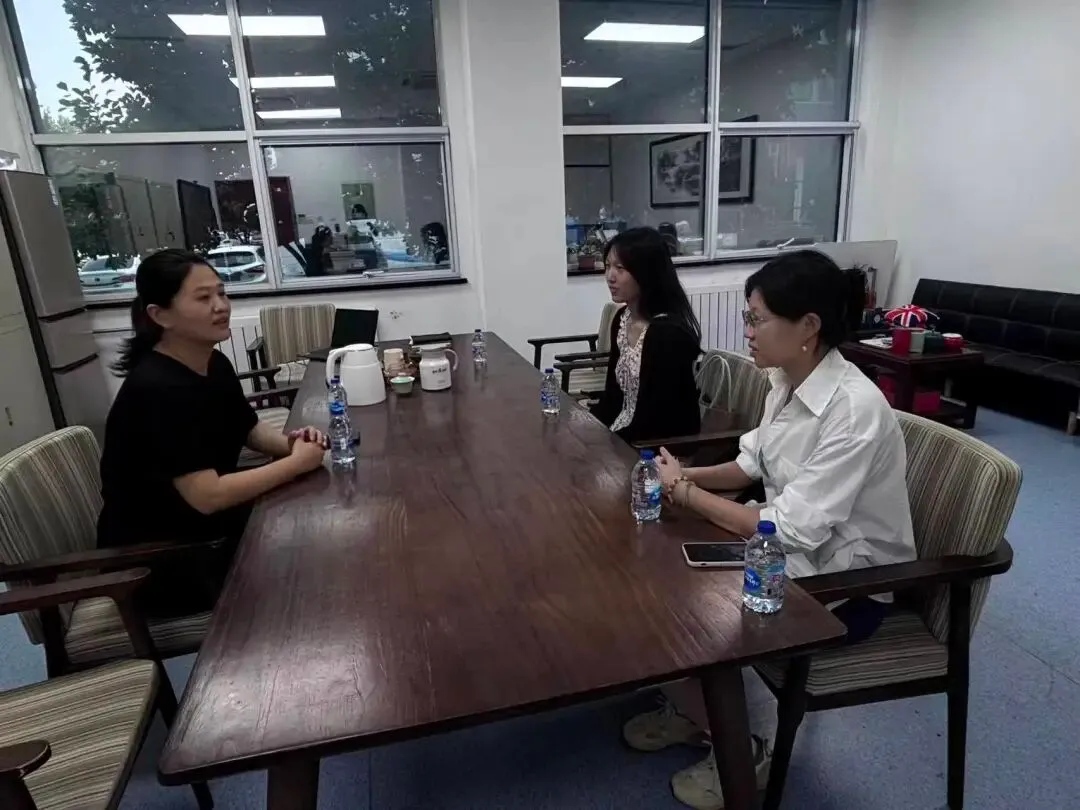
One distinctive feature of iGEM compared to other competitions is its unique interdisciplinary nature. Beyond the core biological experiments and humanities-based social practices, teams are encouraged to explore other academic branches. This year, the team welcomed more students aspiring to pursue studies in fields such as economics and computer science. Consequently, we chose to conduct in-depth research in two directions: business and software.
Li Jiarui:
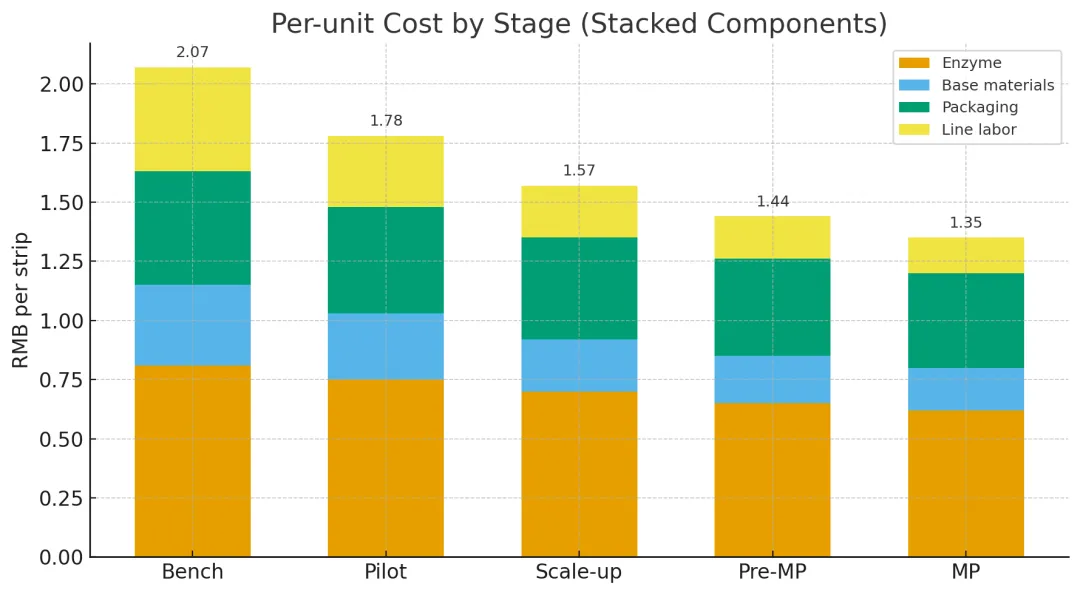
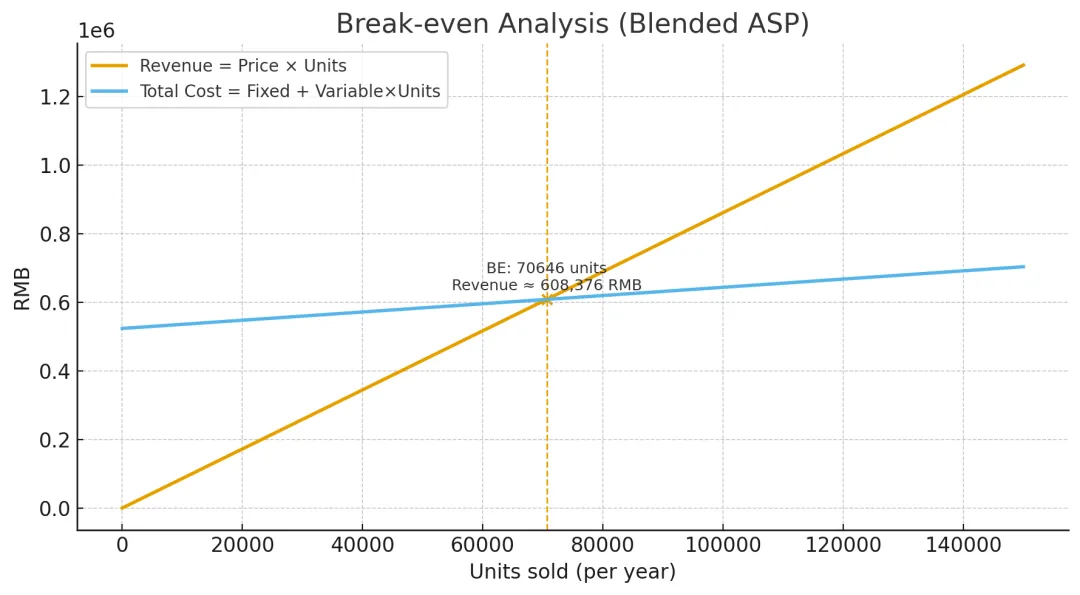
The business component essentially involves taking a small idea that hasn't yet taken shape and gradually smoothing it out, clarifying it so that others can understand it and believe it's not just fantasy. For me, this was very much like unraveling a tangled knot. You first need to find the thread you can pull—thin as it may be—then proceed downward while constantly assessing whether this direction will work.
Back-and-forth adjustments are a normal part of the process. Many times, you think a plan is quite stable, only to realize halfway through that something feels off. You have to set aside what you've built temporarily and reconstruct the logic from scratch. For me, the hardest part was never the writing itself, but piecing together those scattered fragments in my mind into a coherent whole. Once the direction became clear, the writing came naturally.
By the end, I organized all the sub-components into a single table—a view where you could immediately see how they constrained and supported each other. That relieved sigh when everything finally fell into place was the most satisfying moment throughout the entire process.
Ma Ruihao:
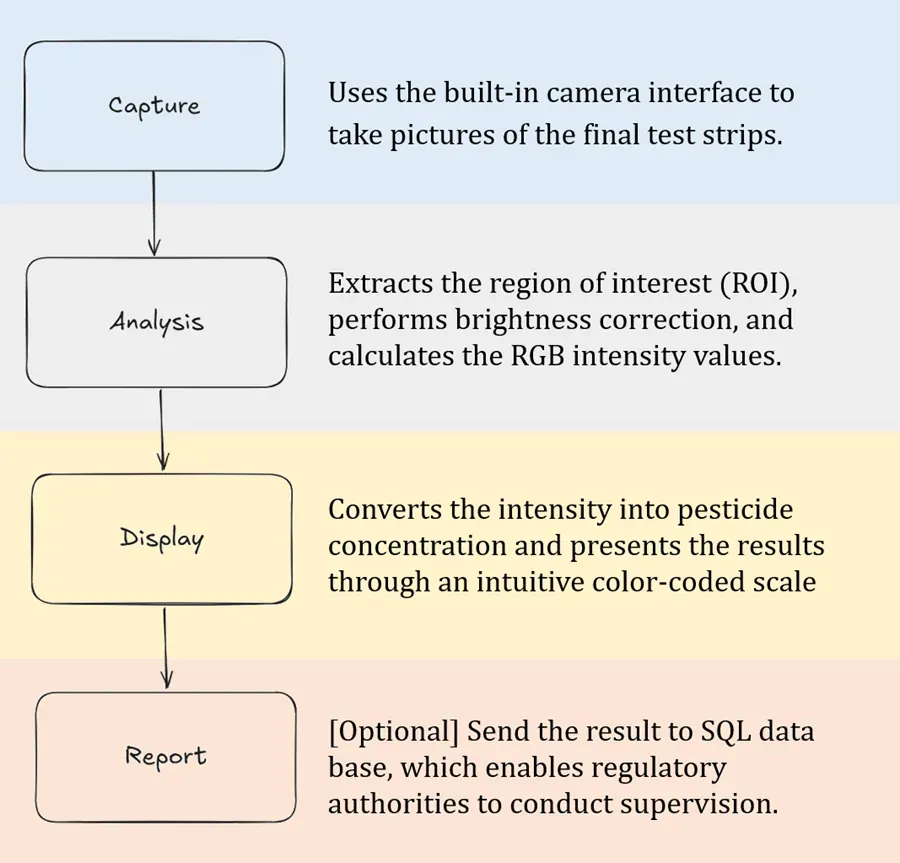
The software tasks this time were quite challenging. I delved into a topic that the CV field is still actively researching: color correction and normalization for recognition under difficult conditions such as varying light intensities and different device color temperatures and white balance. Due to time constraints, I prioritized writing a graphical interface in Dart. In the future, I hope to continue implementing the complete detection process based on SVM, making the entire project more comprehensive. Additionally, I was responsible for editing the project promotional video. This required rigorous and thorough integration of everyone's work. I observed publicly available videos from various teams over several years, learning numerous editing techniques in the process, and self-taught After Effects and Premiere Pro to address these challenges. The most difficult part was essentially figuring out how to not just "do it," but "do it well" and create something distinctive. In the end, I also participated in creating the physical prototype of the project's test strip, which was eventually brought to the exhibition for display and received numerous compliments from teams of students from various countries.
03 Exhibition — Presentation and Achievement
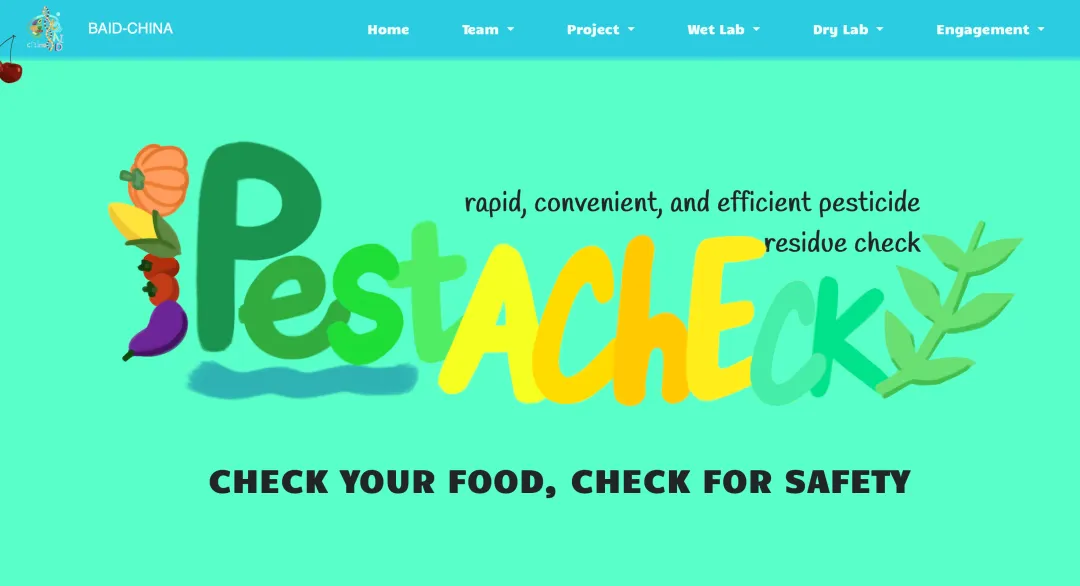
From the end of 2024 to the start of the fall semester in 2025, various subgroups of the team had completed countless tasks. At this point, a medium was needed to present everything we had accomplished to the judges and the public. This is one of the required submissions for iGEM—the Wiki (website).
Sun Yukun:
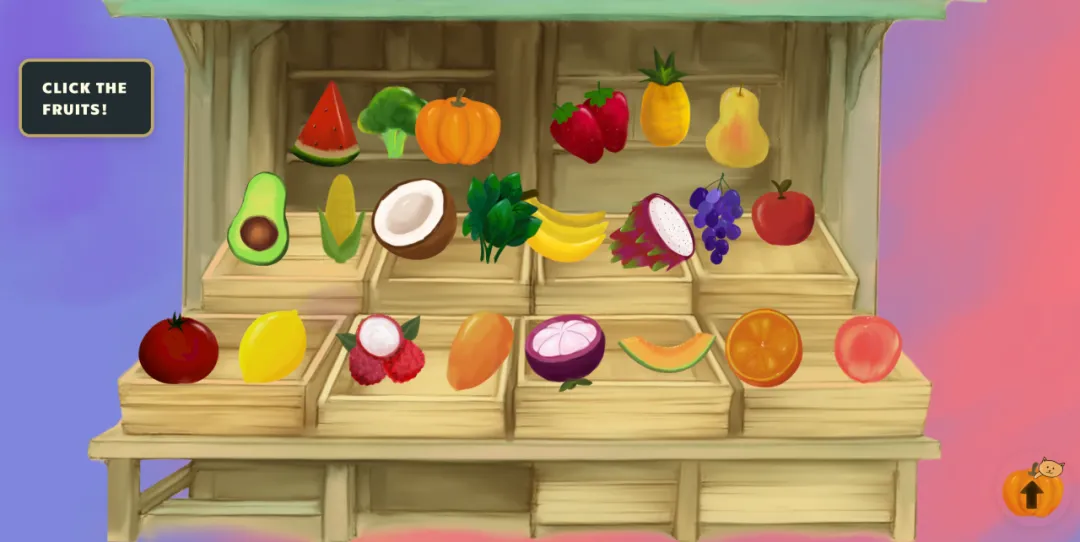
Through the process of creating the Wiki for our iGEM team, I gained a deep appreciation that it is far more than a simple content presentation platform—it is the tangible expression of artistic sense and creativity. From initially constructing the overall website architecture to gradually placing the experimental content, charts, and stories written by teammates into their corresponding sections, the Wiki came to承载 more than just information and text; it embodied the dedication, resilience, and creativity of our entire team.
Especially in the days leading up to the Wiki freeze, An Yuehan, Li Jiarui, and other teammates made meticulous revisions to textual details, giving me a profound sense of everyone's pursuit of excellence in this endeavor. I often stayed up very late, repeatedly debugging code, adjusting color schemes, adding interactive effects, fine-tuning spacing, and dedicating substantial extracurricular time to improve the visual appeal. Under the witness of my classmates, I drew over twenty pieces of fruit to ensure the team's achievements would be presented in the best possible way. The completion of the Wiki marked my personal journey of breaking through design and technical bottlenecks, as well as the collective effort of all members to overcome fatigue, support one another, and perseverethrough exhaustion before the deadline. It documented the entire process of our academic exploration, and I was delighted that the judges recognized our work.
By late October, once all videos and the website had been submitted, the team faced its final challenge: the in-person presentation in Paris. To ensure adequate preparation, the team leveraged school resources and expert support, conducting a total of nine mock presentations before and after arriving at the competition venue. Upon landing in Paris, enduring the discomfort of jet lag, we rehearsed our five-minute presentation and twenty-minute Q&A session. For the students, this period was both arduous and joyful.
Qi Ji:
In the final one or two weeks, we gathered every day to practice our presentation for one to two hours, and almost every day we invited teachers and classmates to help us improve. When we arrived in Paris, we began preparing for various potential questions. We collected all the questions people had asked, brainstormed many more ourselves, and prepared corresponding answers for each one—continuously refining every response. We kept polishing and perfecting until, outside the waiting room right before our presentation, we were still practicing our speech over and over again. We scrutinized every word of the Wiki, internalizing each process, method, and chart in our minds—not merely to impress the judges during the presentation, but to bring a satisfying conclusion to our long-term professional learning and dedication. In the end, we handled every question from the judges exceptionally well, and the presentation went very smoothly.
Zhou Yuelun:
The days at the Jamboree were truly tense, truly difficult, and truly extraordinary! For the first few days in Paris, we would wake up in the early hours, sometimes around midnight, and begin rehearsing our presentation and reviewing questions. Everyone sat in the small room for entire afternoons. I couldn't even count how many times we practiced the presentation—eventually, I could recite others' parts from memory.
The most challenging part of the Judging Session was the judges' spontaneous questions. During those days, we collaboratively maintained a document preparing for potential questions. I remember that until midnight, I lay in bed, opened my laptop, and watched as lines of text continued to be typed into our shared document. On presentation day, we all woke up at 4 a.m. By 6 a.m., we were going through the questions again from the beginning. By then, the document had been filled with thousands of words, and every single answer had been memorized inside and out.
When every question in the Judging Session was answered methodically and calmly, I let out a long breath. This year of exploration and struggle had been incredibly challenging—and we made it!
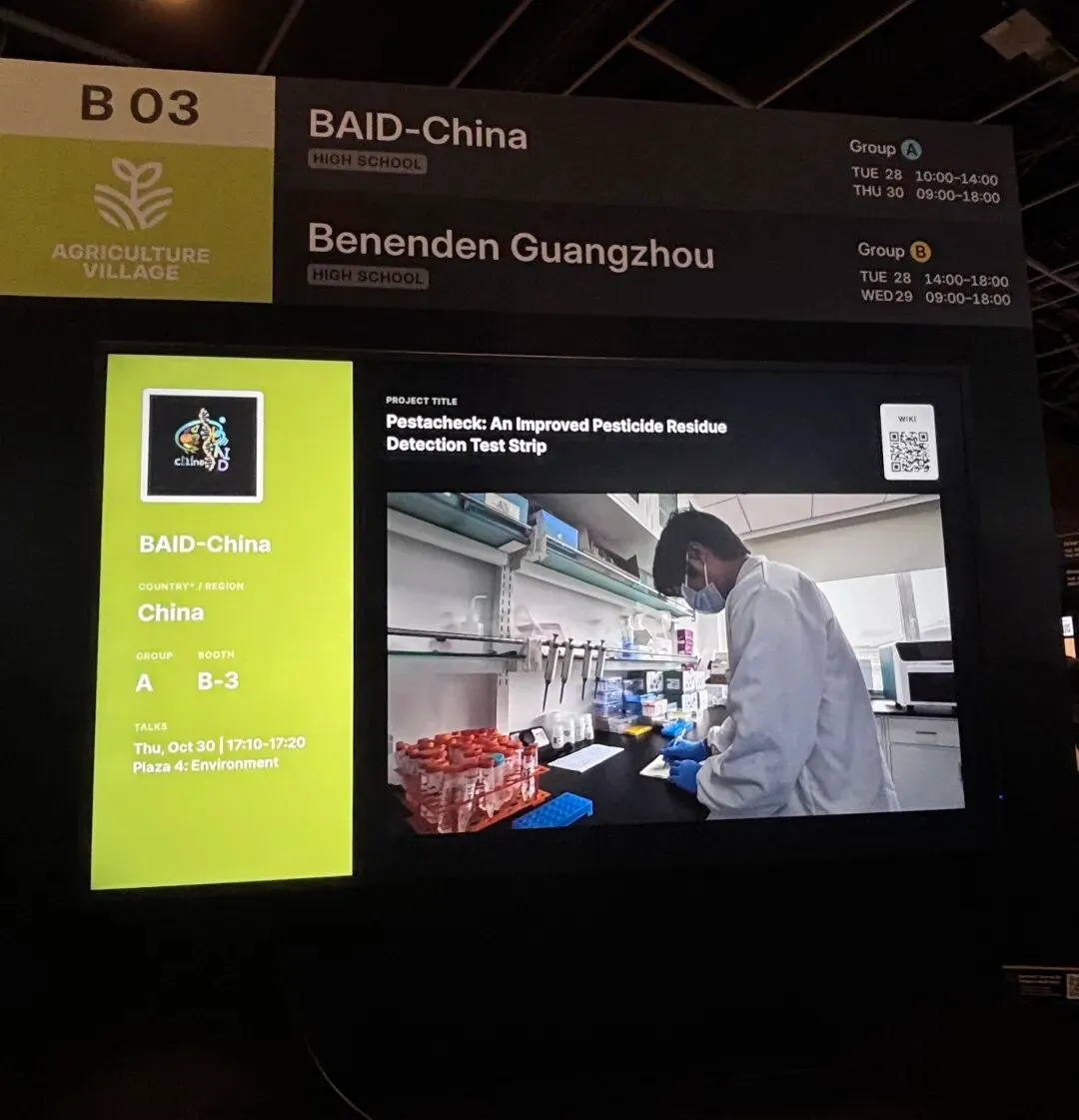
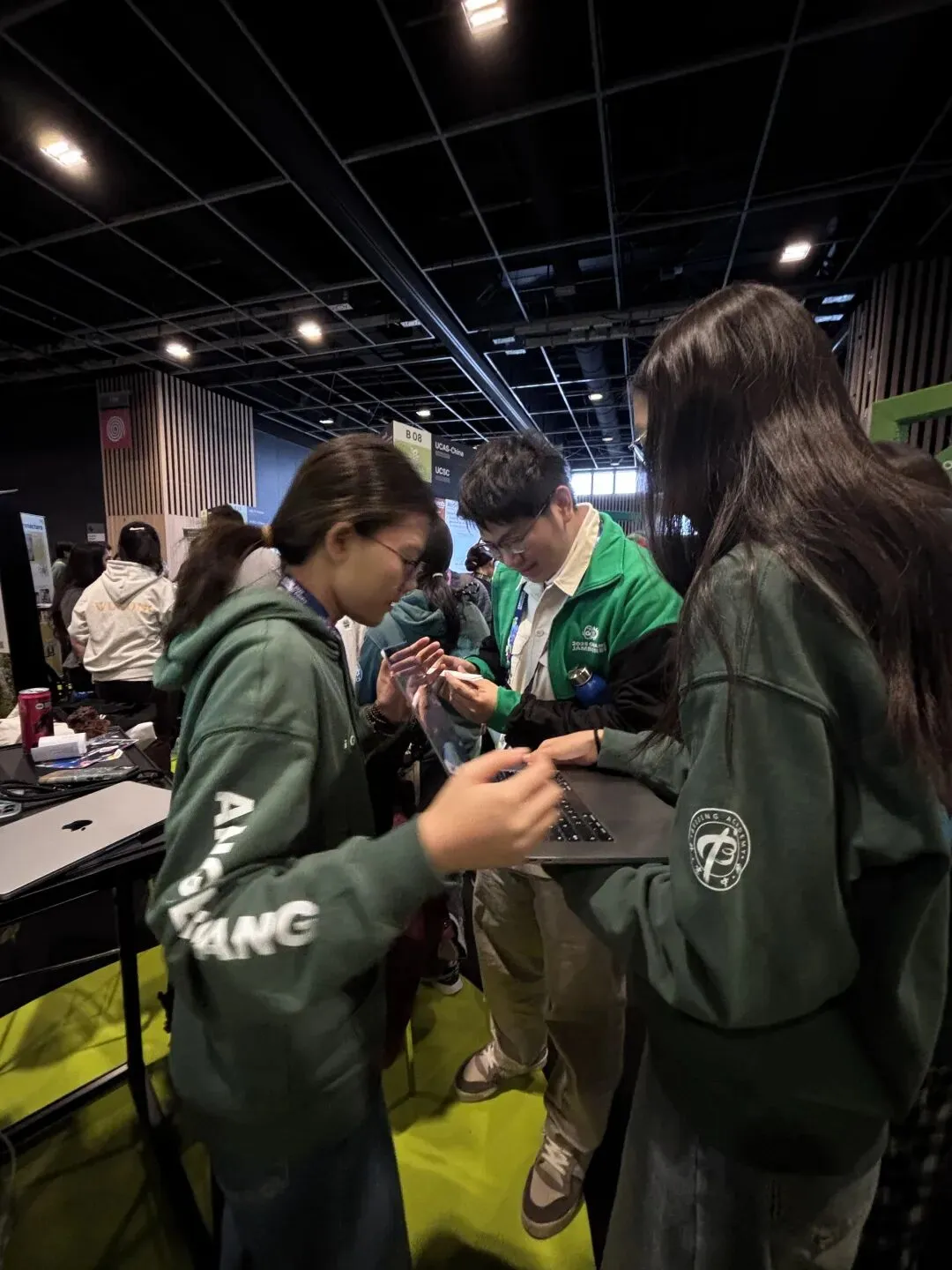
On the evening of October 31st, Paris time, it was already past 1 a.m. Beijing time. For the members of BAID-China, this was destined to be a sleepless night.
Liu Lifu:
During the awards ceremony, we sat in front of our computers at 1 or 2 a.m. watching our teammates who were far away in Paris, with enthusiastic discussions happening in our group chat. From the first nomination to the last, we never saw our team's name appear. My heart was racing, and I felt压抑. I rushed to my bed and bowed solemnly three times toward Paris. The awards this year were announced using a QR code countdown, so I bowed three more times as the countdown showed the final second remaining. When I looked up—wow, a golden legend!—we had won the Gold Medal!
"Through a thousand磨难, still steadfast and strong, letting the winds blow from all directions." With the heavy gold medal in their hands, the students finally realized how far this team had stumbled along the way. They had finally arrived at the best answer—their finest interpretation of what the BAID team represents.
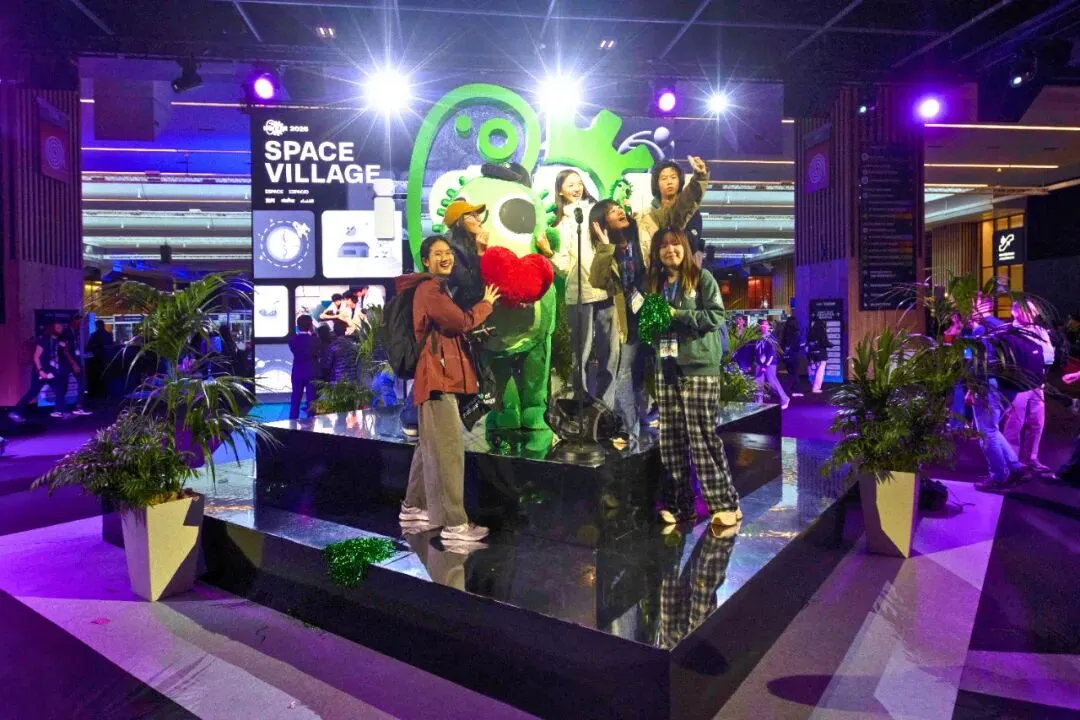
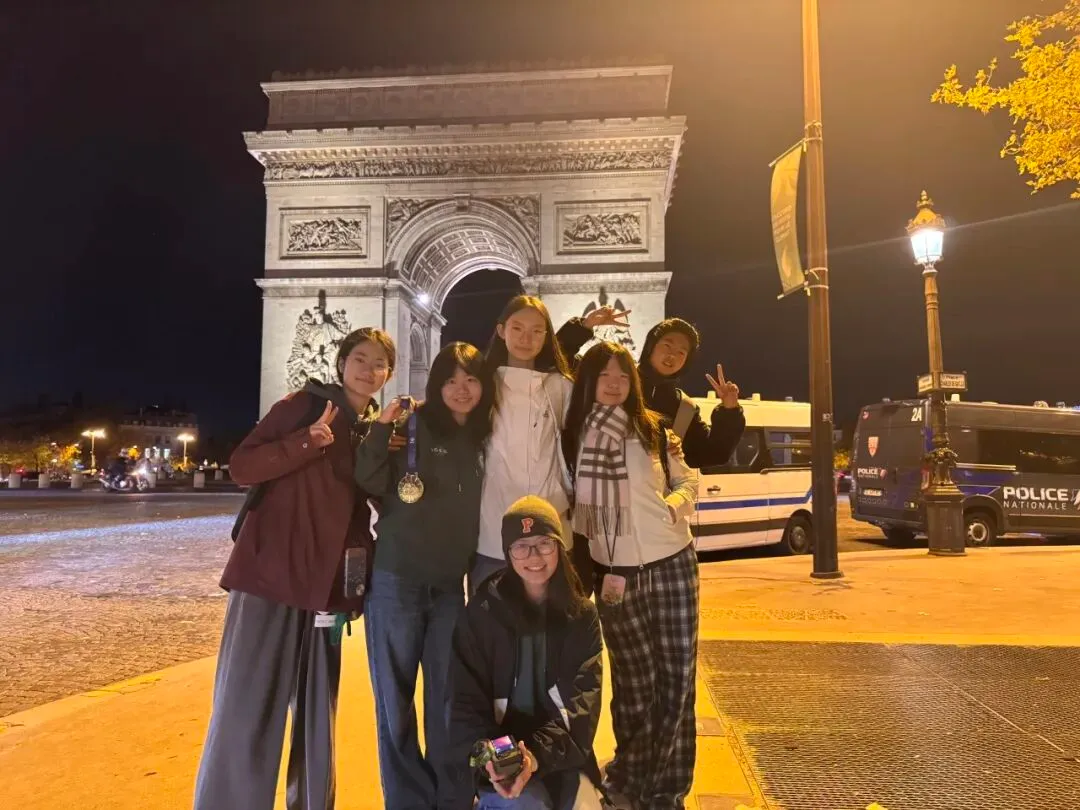
04 Harvest — Reflections and Growth
The story of BAID-China 2025 draws to a close here. Perhaps in the future, team members will choose different paths and pursue different majors, but the year that united them through iGEM will forever be etched in everyone's hearts, continuing to bring hope and strength.
Qi Ji:
After much hard work and collaborative effort with my classmates, we finally achieved the result we hoped for and deserved. This was a process by which a group of people transformed "possibility" into "inevitability" through focus and perseverance. It was also a beautiful experience and memory of shared progress during our youth.
Huang Zixun:
Little by little, word by word—whether failure or success, excitement or frustration—these moments belong to all of us. No one can take away the most precious memories that reside in every iGEMer's heart. From June to September, from the height of summer to autumn, from the subway to the airplane, from Beijing to Paris, every step we took was steady, and every step counted.
Han Ziyue:
During summer vacation, I spent most of my time shuttling between research institutes and laboratories. It felt as if just moments ago I was still preparing for the competition domestically, and the next moment I was standing at the other end of the world—Paris. The work for preparing the presentation took place on airplanes, in restaurants, and elsewhere. Each rehearsal received varying feedback, and it was through countless debates and encouragements that our team crafted the most polished presentation. The moment the results were announced, we all embraced and cried together. The congratulatory messages from remote team members flashed rapidly in the WeChat group late into the night... I believe this was a result that each of us earned through our gradual, sustained effort.
Guan Yinan:
After completing this competition, whenever I notice problems in daily life—such as stray cat issues, women's hygiene issues, environmental concerns—I immediately think: could synthetic biology solve this problem? Beyond the expansion of my thinking, a presentation by a winning team researching tumors deeply moved me. When they stood on stage, explaining with rigorous scientific logic how their platform worked, then held hands and stood together to tell the audience below, "Thus, synthetic biology changes the world," I truly felt the blood rush through my veins with excitement.
An Yuehan:
Only after becoming team captain did I realize that the invisible efforts behind this competition are beyond what others can imagine, and they cannot be fully captured in a few lines of text. My story with iGEM has been full of twists and turns—two full years of exploration and dedication. The pressure and hardship along the way are too profound to describe. However, the best things are always on the way. I am genuinely grateful to have led my teammates to this point. Growth matters far more than the award itself.
Best wishes to the Class of 2026—keep up the great work, and may the name BAID-China, a legacy carried forward for four years, continue to shine brilliantly!