BAID Teachers and Students Visit Peking University: A Dual Feast of Culture and Science
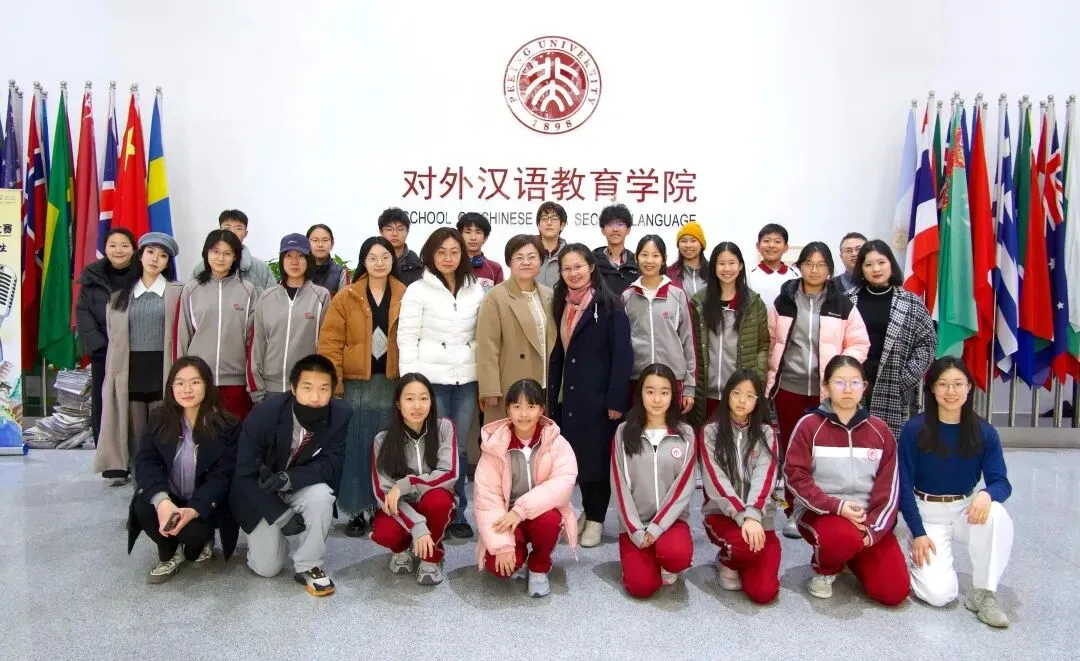
On November 26, 2025, teachers and students from BAID visited Peking University, embarking on a learning journey that combined cultural depth with scientific inquiry. From the intellectual exchange of diverse cultures to the frontier exploration of neuroscience, the students broadened their international perspectives through dialogue, ignited their passion for knowledge through practice, and grew through immersion in a top university. This event also served as a signature joint activity between the Party Branch of BAID and the Party Branch of the School of Chinese as a Second Language at Peking University.
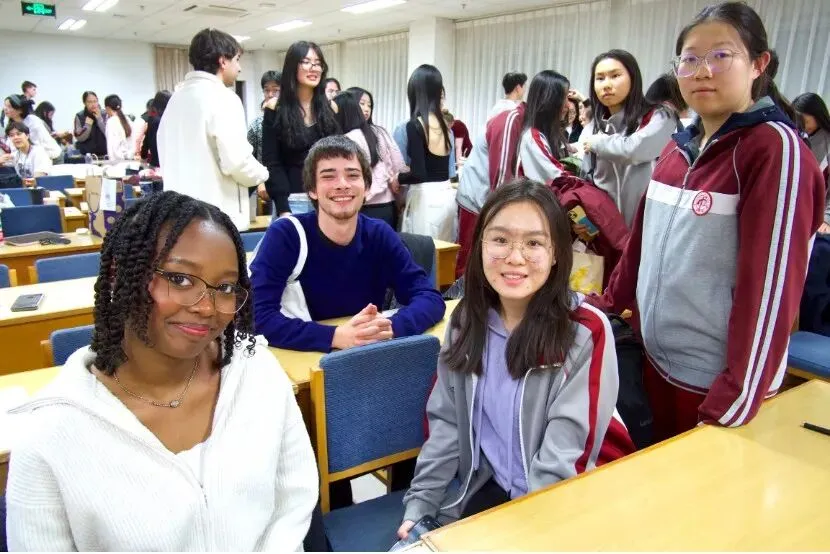
In the afternoon, BAID teachers and students arrived at the School of Chinese as a Second Language at Peking University to listen to speeches by over a dozen international students from around the world on the theme Connecting the World, Boundless Coexistence. Using Chinese as a bridge, the speakers shared their insights on topics such as the development of AI technology and cross-cultural integration, offering both rational reflections on technological change and heartfelt observations on mutual learning among civilizations.
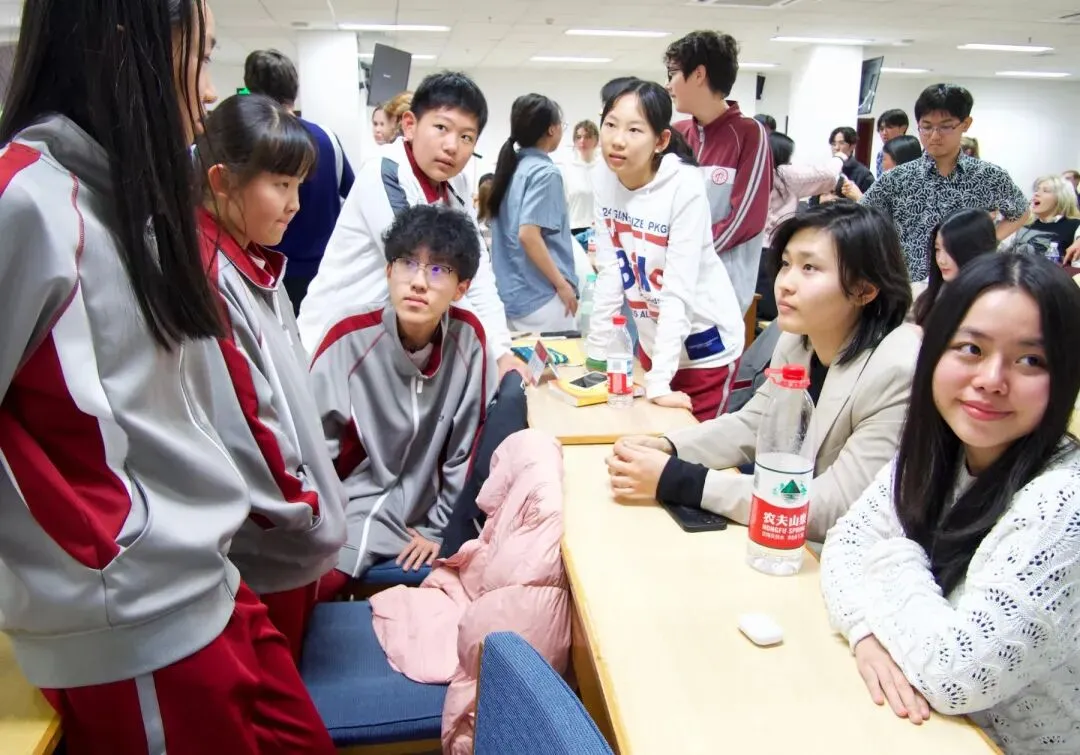
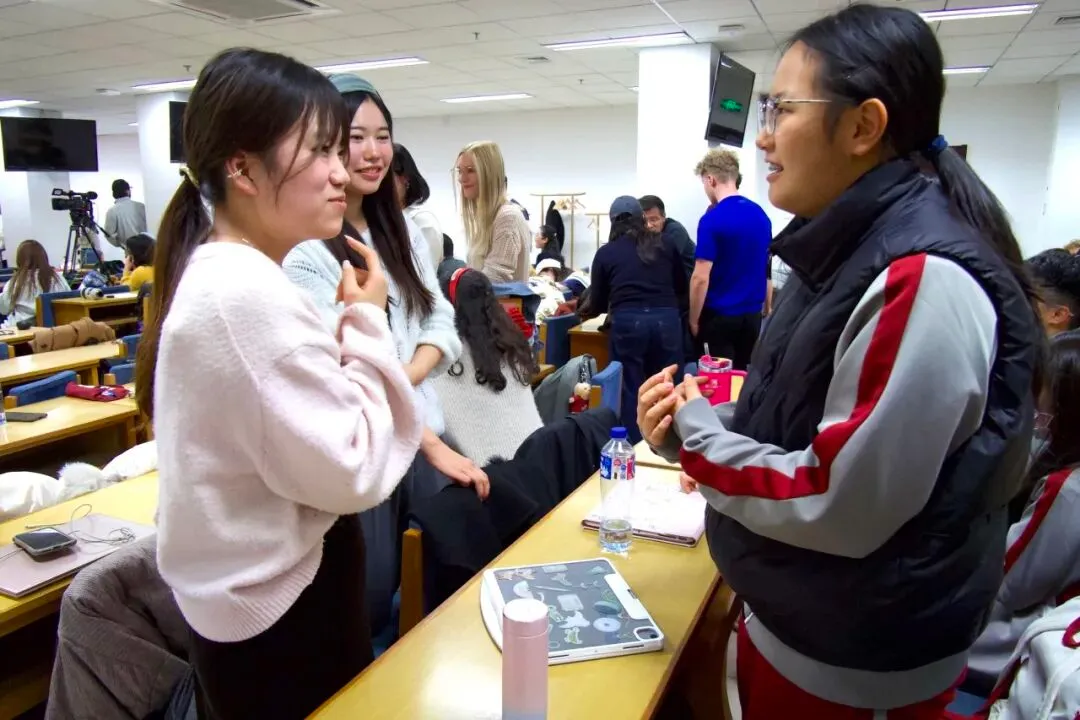
After the speeches, BAers engaged in in-depth conversations with international students from top universities including the University of Cambridge. Diverse backgrounds and ways of thinking sparked intellectual exchange in the classroom, dissolving cultural barriers through sincere dialogue. This transnational intellectual exchange not only showcased the unique appeal of Chinese as a tool for international communication, but also allowed students to appreciate a vision of a pluralistic and harmonious world.
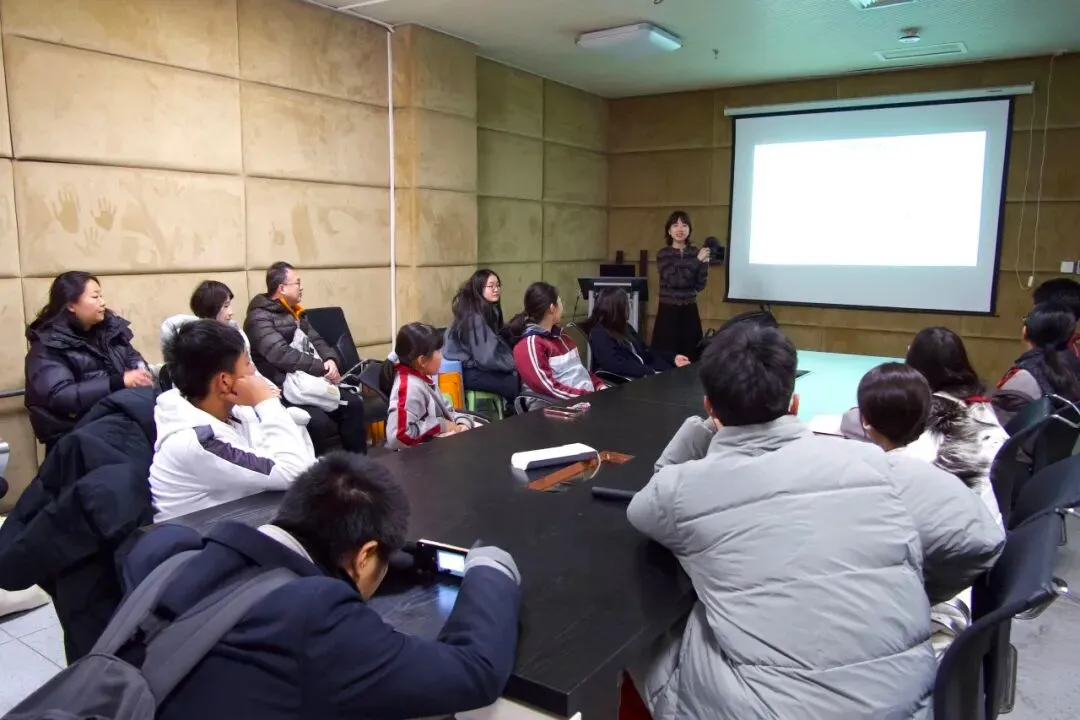
The group then proceeded to the Center for Magnetic Resonance Imaging Research at Peking University. Guided by researchers, the students attended an accessible popular science lecture on neuroscience and learned about the applications of brain imaging technology in medical research. Upon entering the laboratory, the advanced magnetic resonance equipment and the rigorous research environment gave everyone a firsthand sense of the appeal of scientific research. Many students actively interacted with researchers on topics such as brain function and neural mechanisms, and their curiosity and desire to explore were fully ignited. This laboratory visit not only demystified neuroscience, but also planted seeds of reverence for science and the pursuit of innovation in the students' hearts.
Student Reflections
Zheng Aiwei
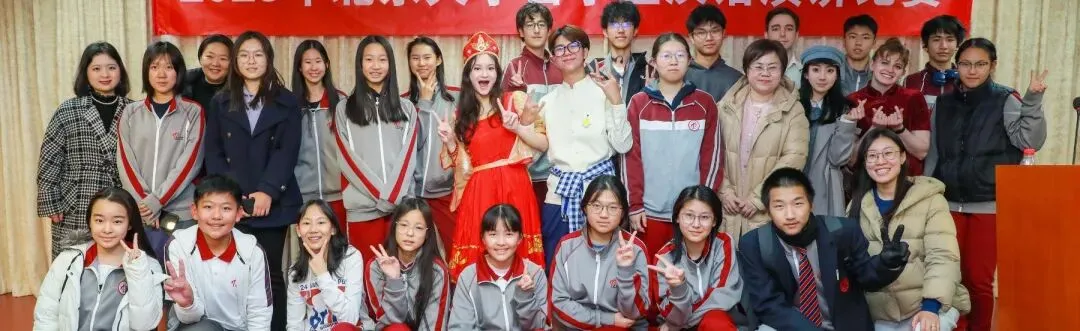
We had the privilege of visiting Peking University, where, on this historic campus built of brick, we attended the 2025 Peking University Chinese Speech Contest for International Students organized by the School of Chinese as a Second Language. The theme of the contest, Connecting the World, Boundless Coexistence, guided students to reflect deeply on our use and balancing of innovative technologies in today's internet era of an increasingly globalized world.
Although their Chinese might not have been entirely fluent or polished, I could sense from their words a genuine respect for, fondness toward, and friendliness to Chinese culture and China.
Young scholars from 21 countries explored from different perspectives the academic and professional support offered by AI, the balance between philosophy and science, the digital divide created by AI tools, and the need to maintain a critical mindset. Each speaker advocated the intention of using AI algorithms to convey goodwill and enhance efficiency. Diverse perspectives are often the key to conducting holistic research, and their speeches led my thinking to analyze the pros and cons of today's intelligent tools from various angles, giving me a deeper and more complete understanding of artificial intelligence.
Wang Danni
On November 26, my classmates and I visited Peking University. First, we listened to international students give speeches on topics such as AI. Although they spoke with a slight accent, the content of their speeches was very rich. Afterward, we visited the 7T magnetic resonance imaging system at Peking University.
During the visit, a teacher also gave us a dedicated explanation of the basic structure of the brain, giving many students who had never been exposed to this field a preliminary understanding.
This visit gave me a profound sense of the power of modern technology, and it strengthened my determination to attend an outstanding university and, in the future, contribute to scientific research for the benefit of humanity.
This visit to Peking University was a vivid practice of BAID's Walking Classroom initiative. From cultural exchange to scientific exploration, and from intellectual collision to hands-on experience, the students not only appreciated the academic heritage of a top university, but also developed cross-cultural communication skills and a spirit of scientific inquiry. Looking ahead, the school will continue to build diversified academic platforms, helping students grow into individuals of their time who possess international vision, scientific literacy, and humanistic spirit in a broader world.