BAID's Second Global Vision Reading Camp Concludes Successfully
In March 2025, BAID launched the first session of the BAID Global Vision Reading Camp, which received an enthusiastic response from students. In December 2025, BAID invited experts from Princeton University Press to join the design and instruction of the reading camp, collaboratively launching the second session of the Global Vision Reading Camp — "From Debate to Dialogue: How to Cultivate Skills for Constructive Communication."
Learning to Love Questions
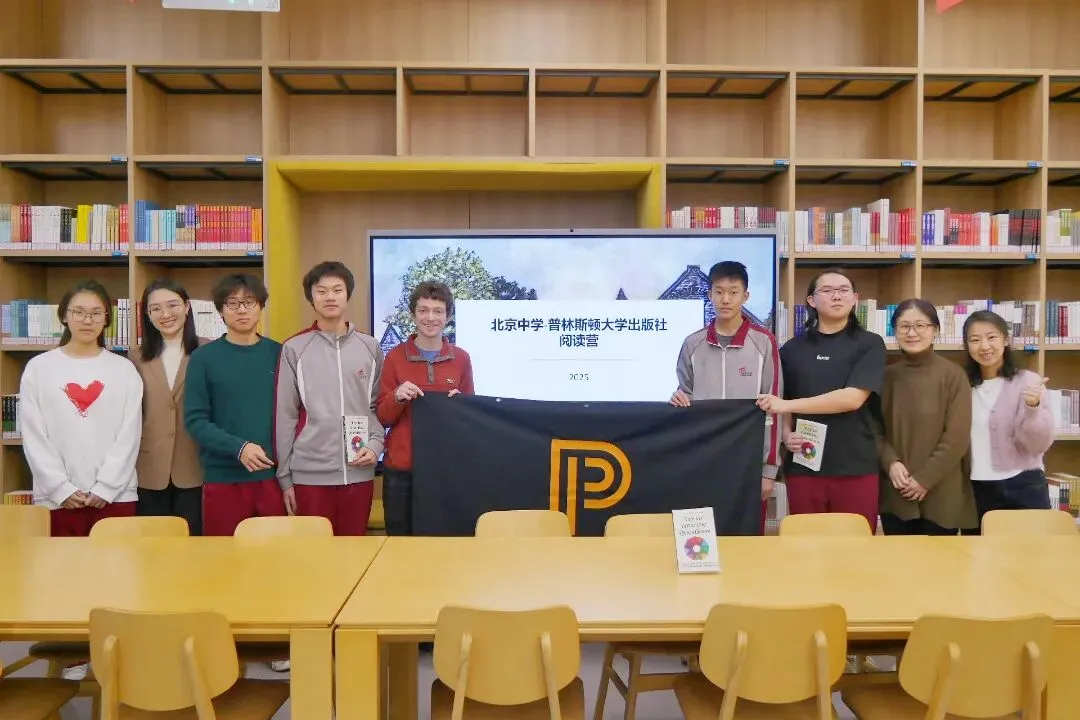
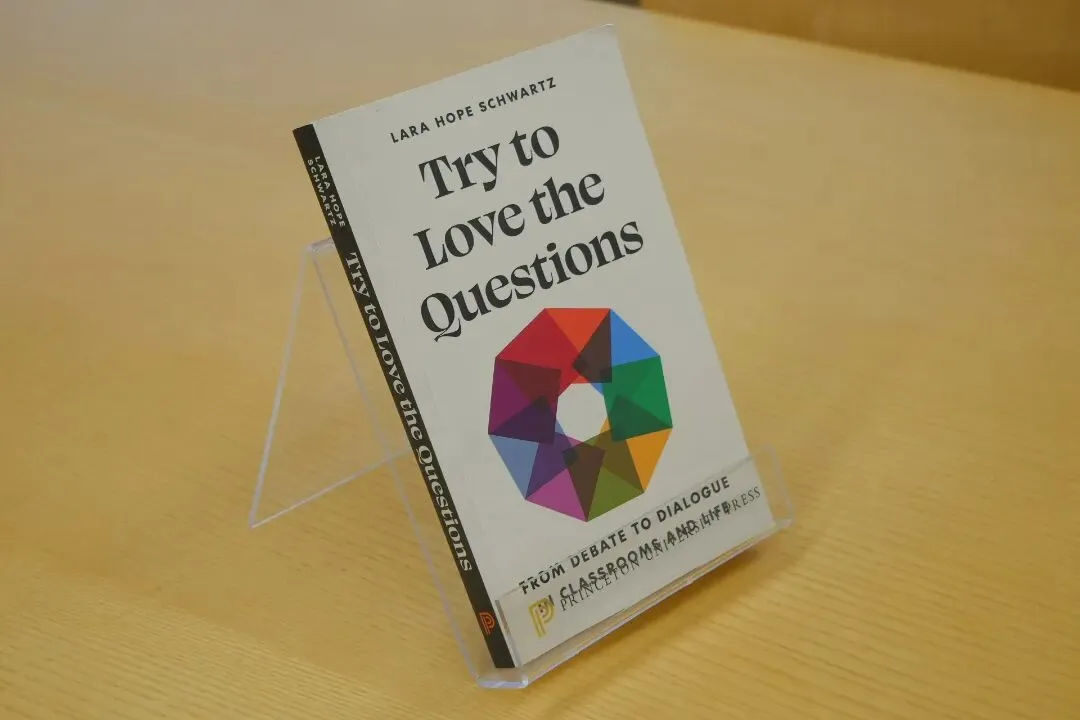
This session of the reading camp used Princeton University Press's classic critical thinking book Try to Love the Questions as its core text. Mr. Andrew Rule, a graduate of Williams College, the top-ranked liberal arts college in the United States, was invited to lead students in exploring the challenges they will face in listening, speaking, and learning within university communities, as well as how to apply inclusive and respectful communication skills to participate in classroom and societal dialogues.
Questions Come in Different "Types"
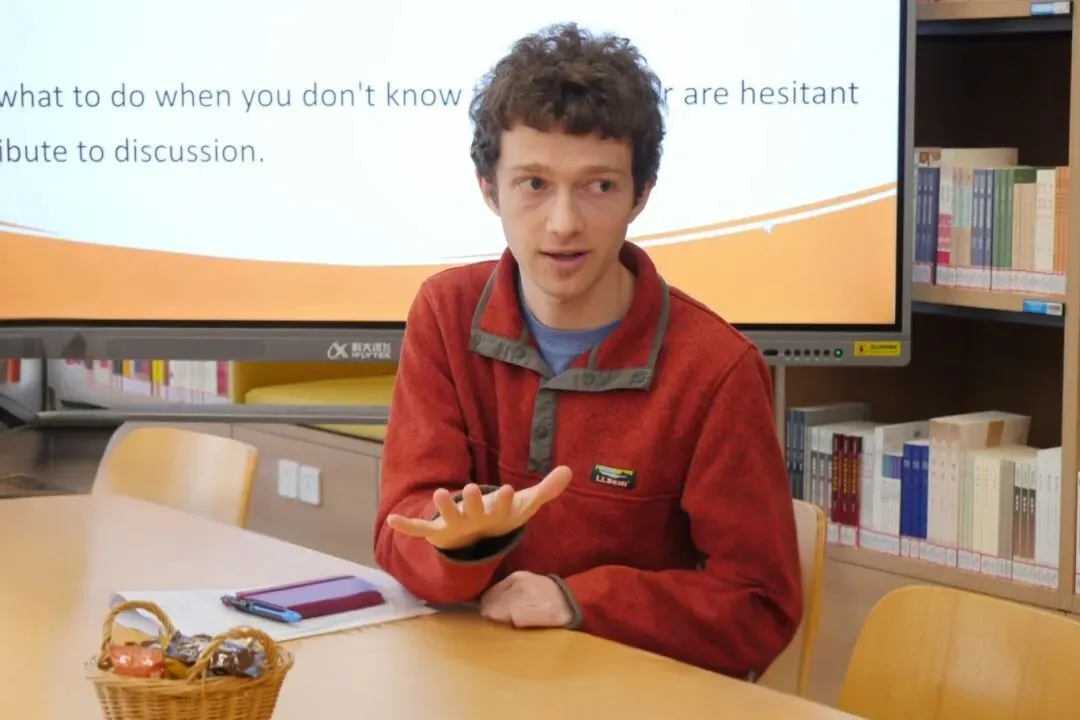
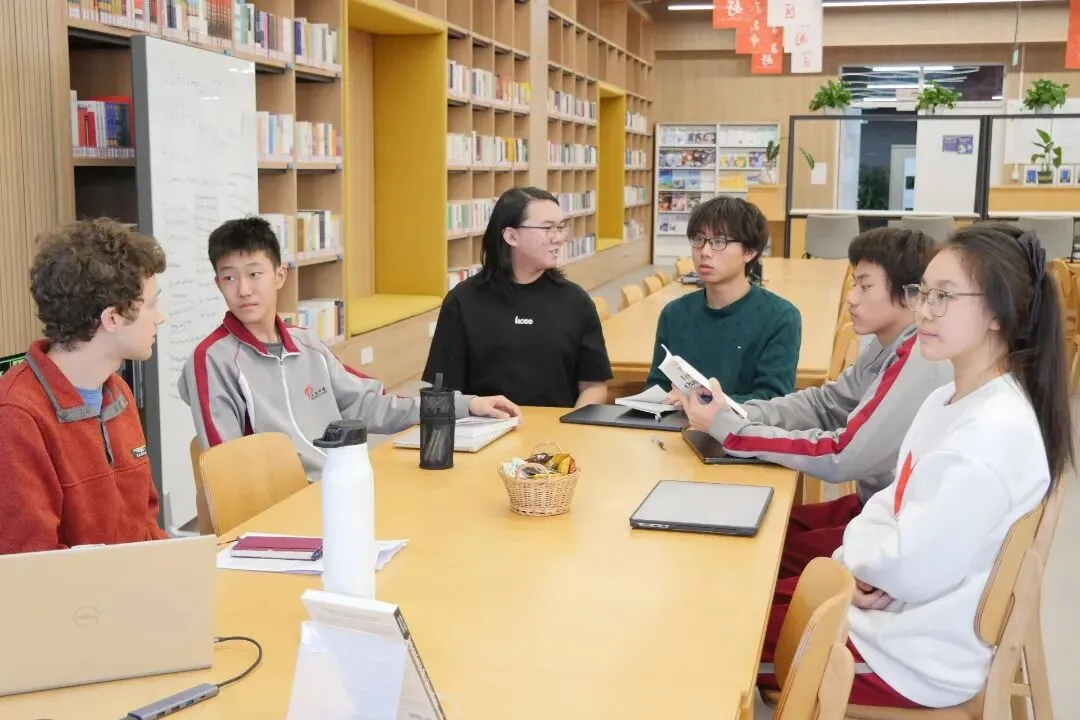
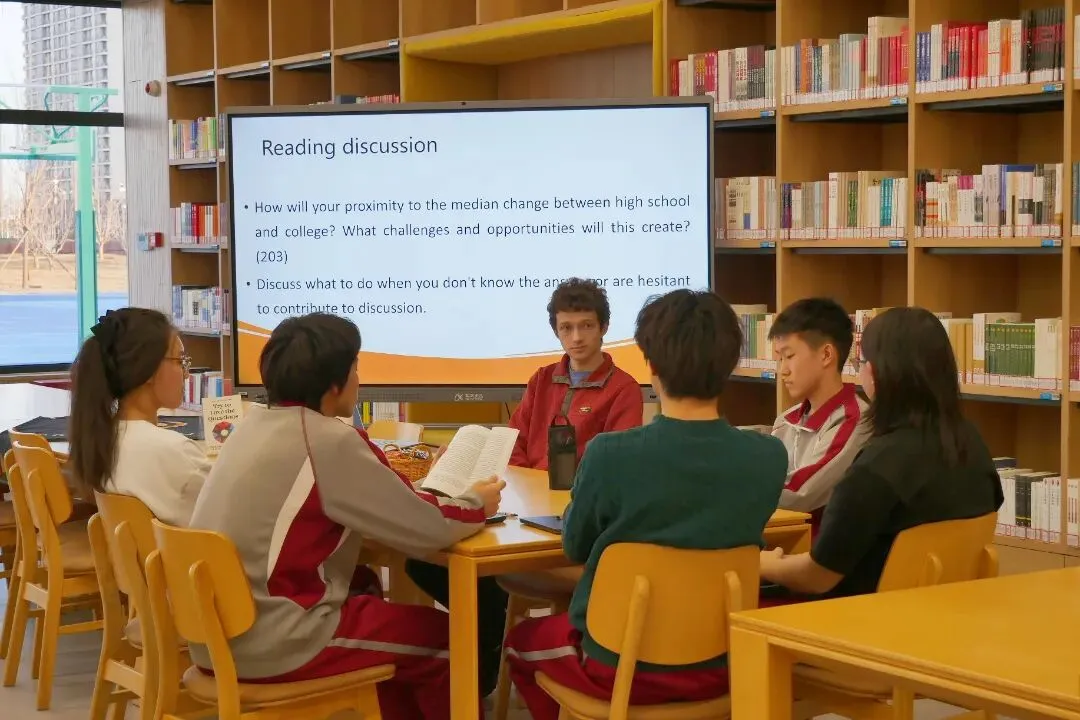
The entire reading camp spanned two months. In addition to completing the reading of the book, students participated in four carefully designed "seminars" with Mr. Andrew, exploring the roles that different types of "questions" (clarifying questions, discussion questions, research questions, etc.) play in American classrooms. They learned about content neutrality and targeted policies, and clarified the distinction between "debate" and "inquiry."
How to Engage in Discussion with "Questions"
The four "seminars" simulated an authentic American university classroom. In addition to teaching core concepts, Mr. Andrew guided students through group discussions based on central topics. From the first session, where students learned how to construct their group's core topic, to the second session, where they applied newly learned methodologies to develop the logic of claims and counterarguments and enrich their group's evidence, to the third session, where they searched for external sources and learned how to critically identify the biases and standpoints behind articles, and finally to the last session, where the two groups of students delivered group presentations showcasing the balanced, rich, and profound critical thinking and insights they had gradually developed on the topic.
Through two months of reading and learning, students deepened their understanding of the academic and extracurricular environments of American universities. They came to realize that what American universities value most is not the demonstration of existing knowledge, but rather the ability to ask valuable questions, to progressively extend classroom discussions, and ultimately to become "co-creators of value." Students gained greater confidence in actively participating in American-style classroom discussions and developed a "question-driven" mindset for their future university studies and learning.
Rooted in China, Understanding the World
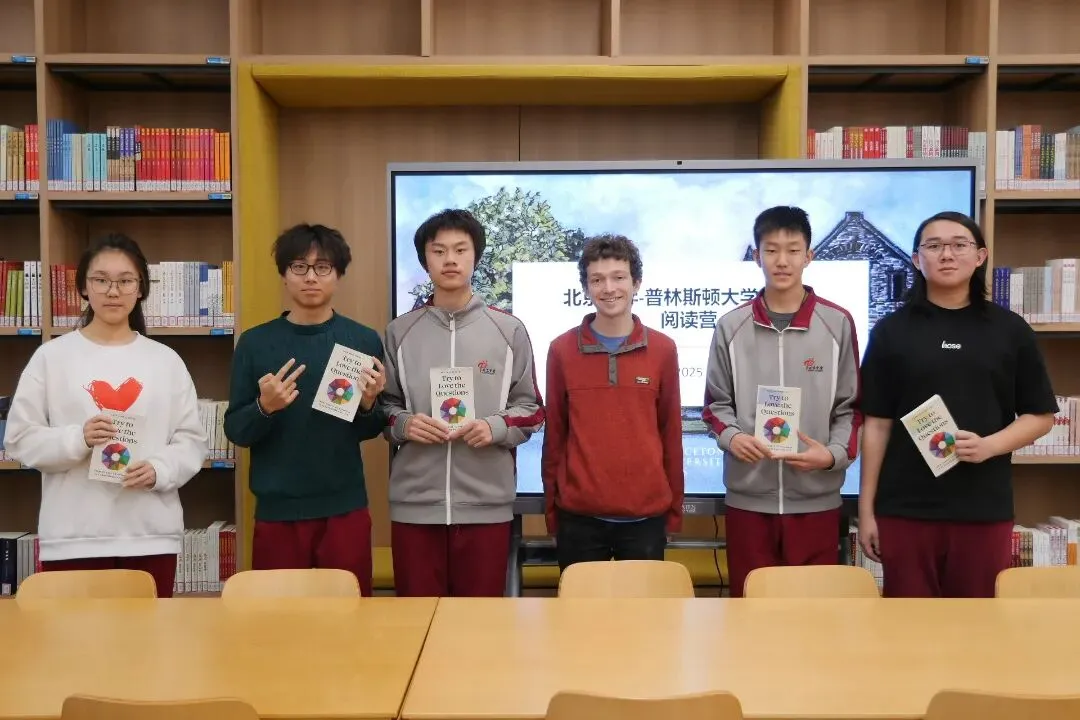
Beyond creating a classroom with a "global vision" for its students, BAID seeks to convey a belief in being "rooted in China, understanding the world": drawing on an awareness of local culture, asking questions to the world from the perspective of Chinese youth, and transforming the world's echoes into a force for improving their homeland. Reading, questioning, and dialogue are the very points where the "local" and the "global" are forged together — allowing every act of questioning to take root in the soil beneath one's feet, and every act of expression to reach toward a vaster sky, as their global competence gradually develops. Students who emerge from BAID will grow, through each journey of "learning to love questions," into courageous, methodical, and responsible protagonists who can narrate China in a language the world understands, and reciprocate the world with the critical thinking forged in China.
Student Reflections
Zhong Hongyi:
Participating in the reading camp has been immensely rewarding for me. From initially having only a superficial understanding of "questions," I gradually discovered, guided by the book Try to Love the Questions, that the act of questioning is itself a form of deep thinking. In particular, the book's discussion of "rhetorical questions" and "Socratic questioning" made me realize that good questions not only spark discussion but also push the boundaries of thought.
During group activities, we chose the topic of "whether high school students should date" and attempted to transform it into a debatable question. This process made me realize that how a question is "constructed" is often more important than the answer itself. We needed to consider the openness, neutrality, and discussion value of the question — a process that in itself trains both logic and empathy.
Beyond the gains in knowledge and skills, Mr. Andrew's classes also allowed me to experience the vitality of American-style discussion: there are no standard answers, only continuous thinking and mutual inspiration. This atmosphere of freedom combined with rigor gave me new expectations for my future approaches to learning.
Thank you to the school and teachers for meticulously preparing this reading camp. This was not merely a reading exercise, but a renewal of my way of thinking. I have already begun to "love questions."
Tang Chenxi:
Participating in the Global Vision Reading Camp was a very fulfilling and meaningful learning experience for me. We read the book Try to Love the Questions together, which guided me to approach unknown questions with a more open mind and gave me a more authentic, multidimensional understanding of academic life at American universities. Through discussing the book's content, I gradually came to understand that university learning is not about finding "standard answers," but rather a continuous process of raising and reflecting on questions.
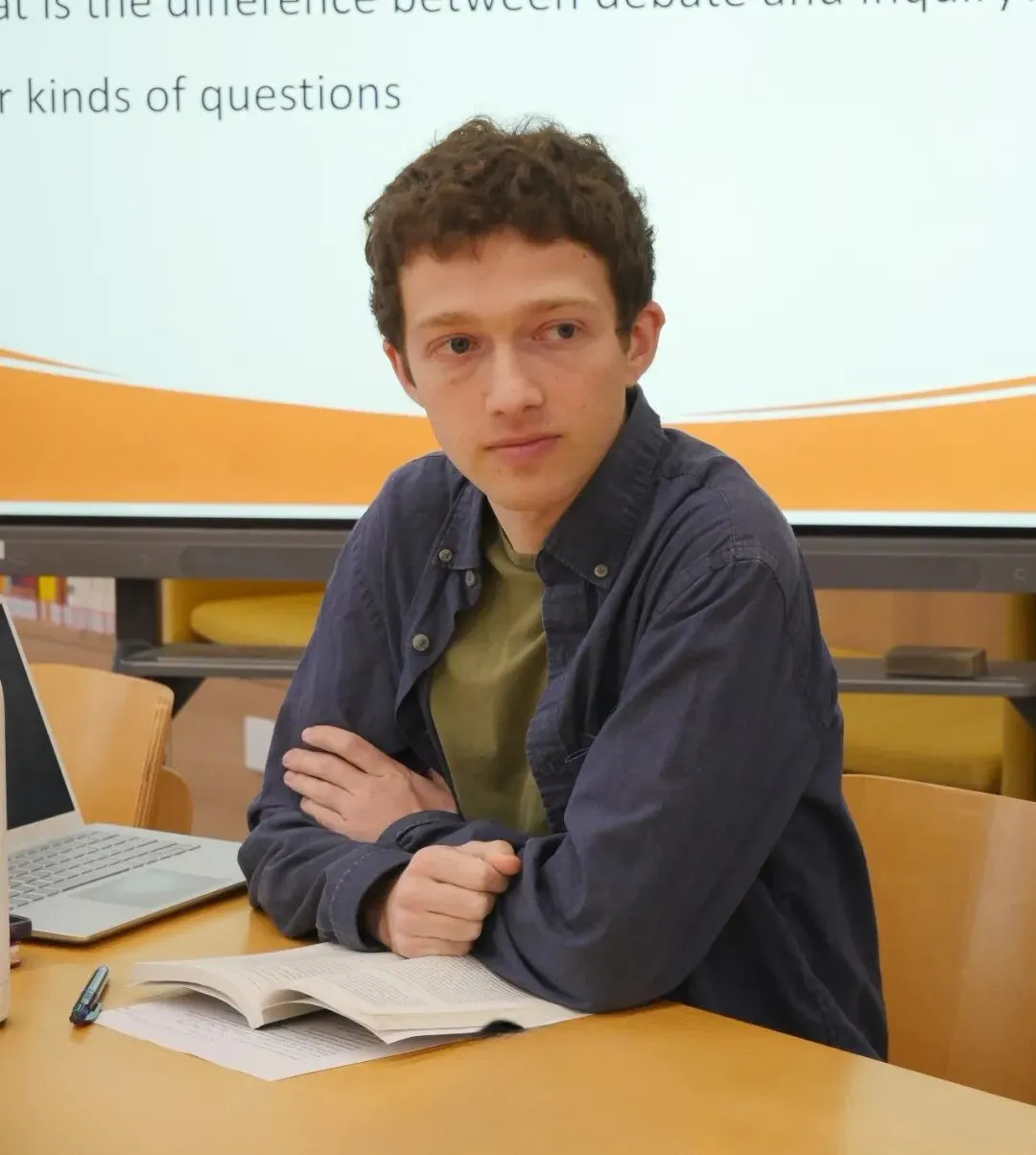
The presentation by Mr. Andrew also left a deep impression on me. He incorporated amusing stories from his time studying in China, making originally somewhat serious academic topics vivid and approachable. During the reading camp, we also participated in a variety of activities together, exploring social topics such as "whether euthanasia should be permitted" through role-playing and group debates. These engaging classroom formats encouraged me to participate more actively.
This reading camp was the first discussion-based small-class session I have attended. What inspired me most was learning how to participate in university-style academic discussions — how to raise valuable questions, how to clearly articulate my own viewpoints during discussions, and how to listen to others' perspectives.