
BA Lectures: NASA Scientist Dr. Jiang Hongtao Visits Beijing Academy
On December 2, 2025, Dr. Jiang Hongtao, chief scientist at NASA's Jet Propulsion Laboratory (JPL), visited Beijing Academy to deliver a BA Lectures talk titled Guiding Artificial Intelligence for Humanity's Future. The lecture introduced students to developments at the forefront of science and technology alongside thoughtful consideration of human wellbeing.
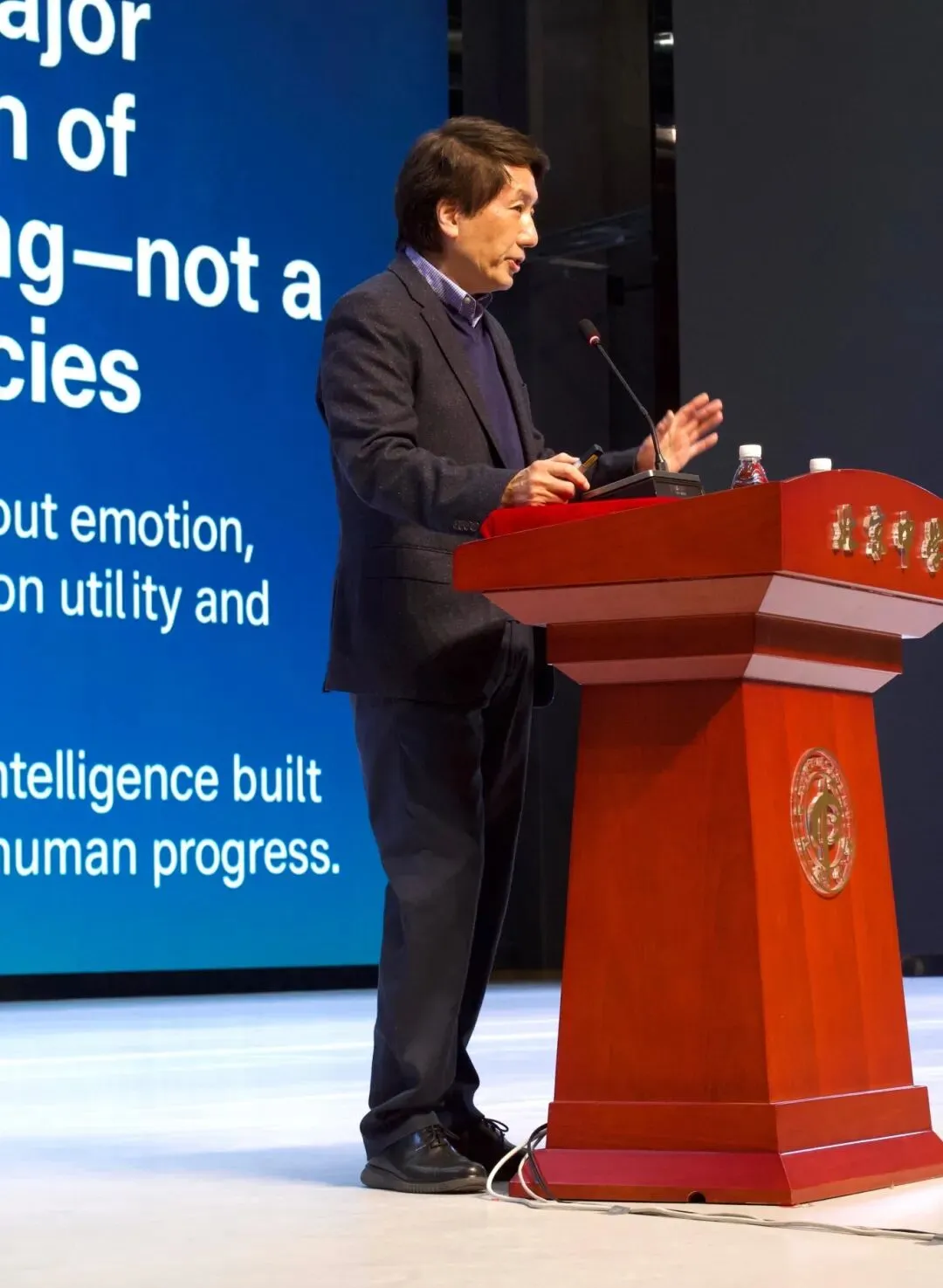
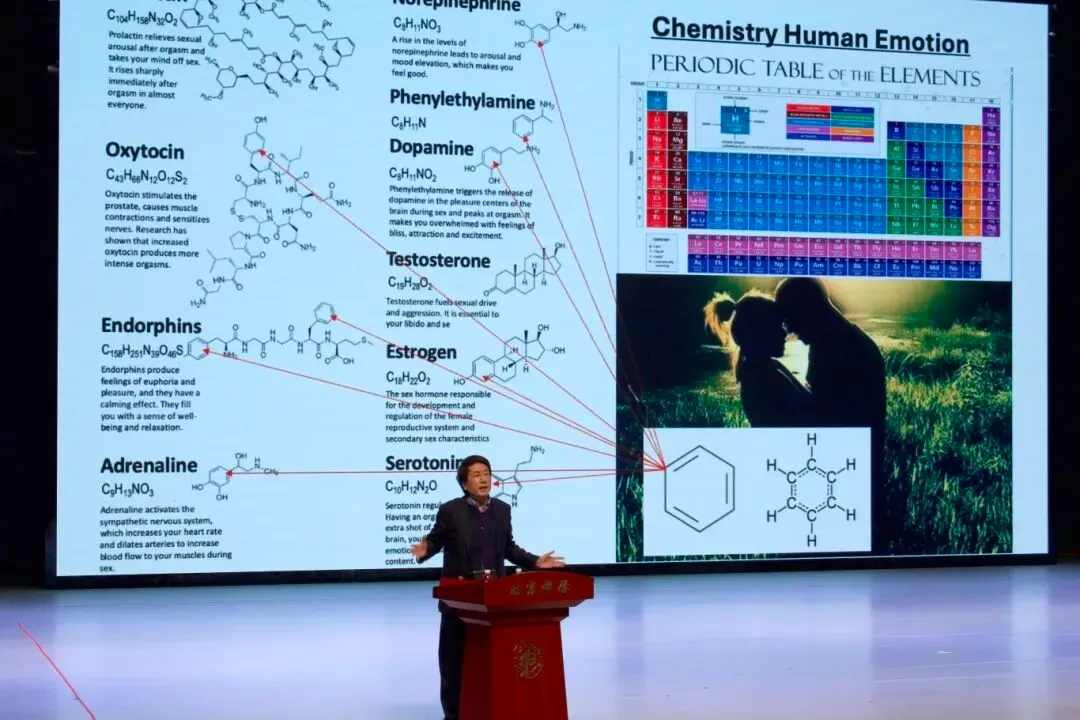
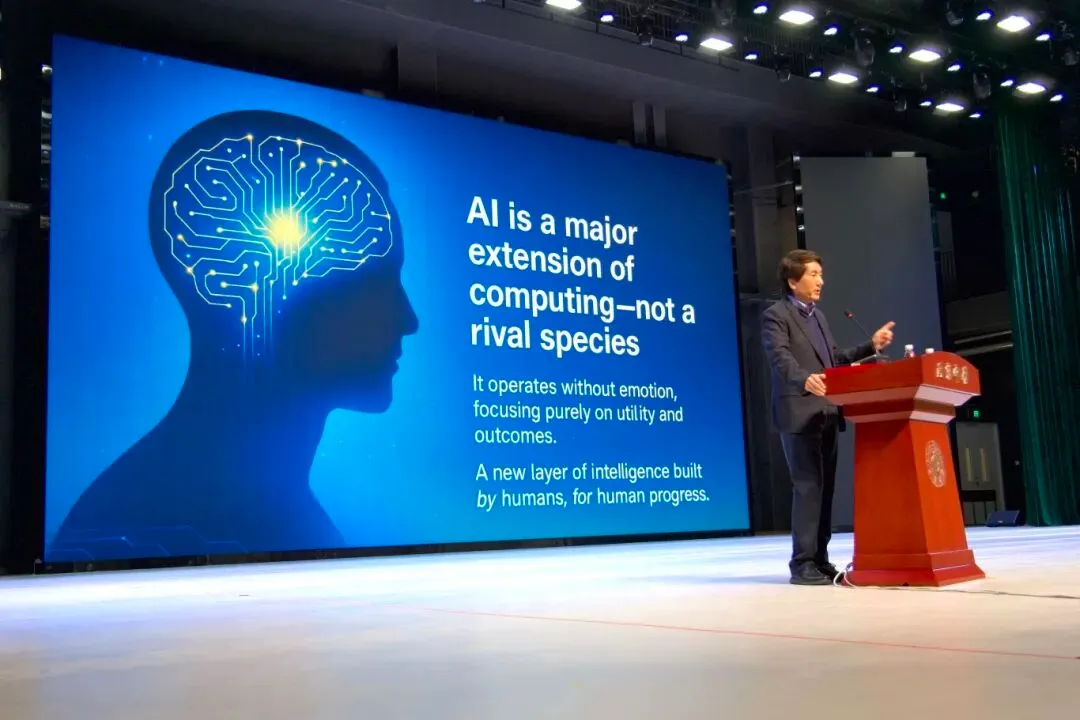
Dr. Jiang Hongtao is an internationally recognized scientist in space science and astrophysics. He serves as chief scientist and senior research scientist at NASA's Jet Propulsion Laboratory (JPL), and as a professor at the California Institute of Technology. He is a Fellow of the American Meteorological Society and a member of the steering committee for human Mars exploration at the US National Academies of Sciences, Engineering, and Medicine. His interdisciplinary research includes climate modeling and space exploration, along with big data analysis. He also holds important responsibilities on several national scientific strategy committees.
Drawing on his international perspective and extensive research experience, Dr. Jiang encouraged students to consider how artificial intelligence could support humanity's shared future. Through vivid examples and forward-looking analysis, he explored AI's transformative influence on healthcare and climate research, as well as education and urban development. The lecture prompted frequent interaction and an enthusiastic response.
Dr. Jiang shared examples from his own research, explaining how he used AI to analyze large astronomical datasets and model climate change while leading major international projects at NASA. He also discussed his participation in global science and technology governance and how AI development could support humanity's long-term wellbeing. These research accounts gave students a direct understanding of AI's capabilities and the importance of guiding its development for social good. He emphasized that scientific and technological progress should serve humanity and help create a fairer and more prosperous future that is also sustainable. This perspective deeply inspired the students attending.
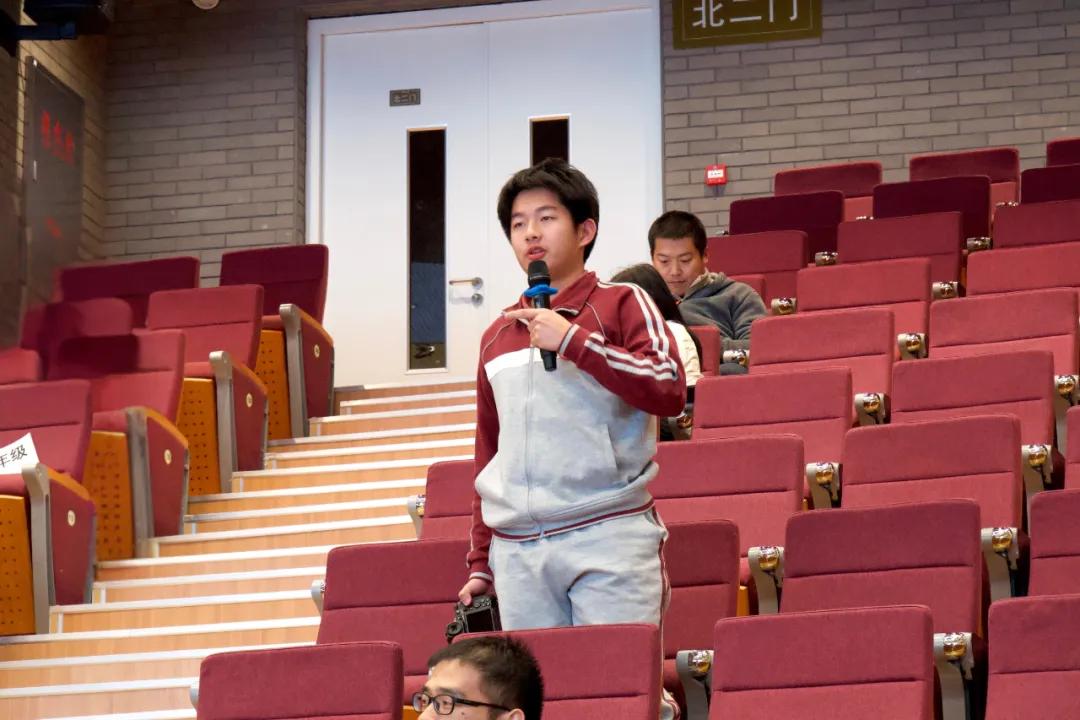
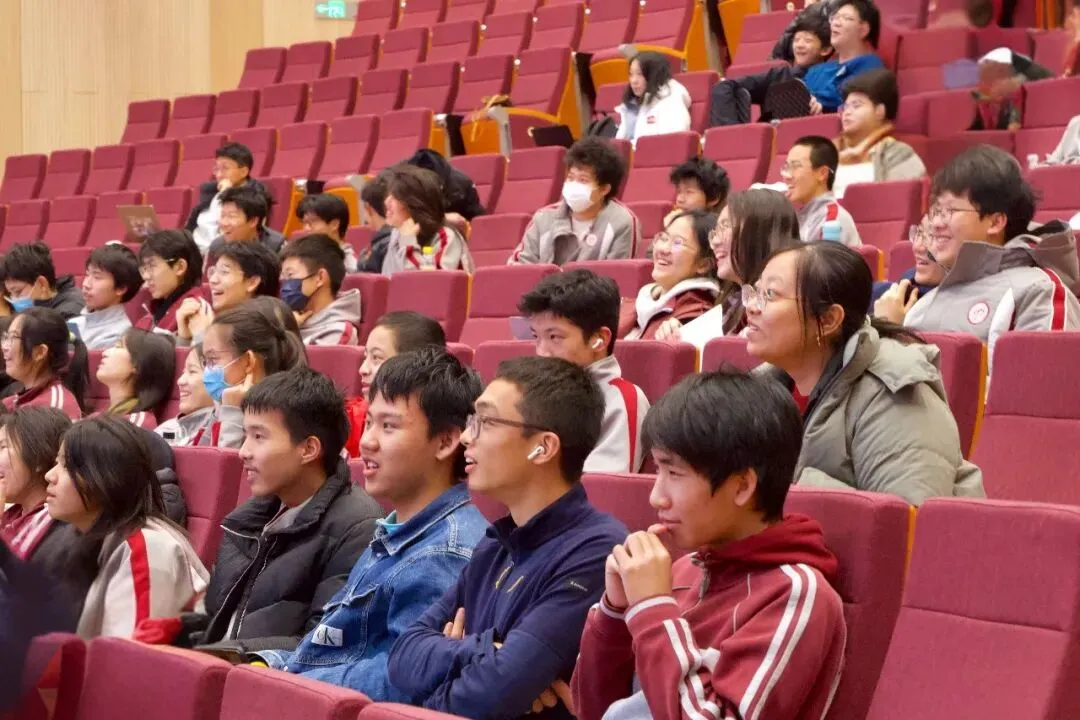
The lecture generated an enthusiastic response. Dr. Jiang's rigorous explanations and humor made complex scientific developments engaging and accessible. Students listened closely and reflected on his ideas, then eagerly asked questions during the discussion. He answered each question patiently and in detail, drawing on his professional knowledge and life experience to offer guidance for their development. Applause continued throughout the lecture as his insights encouraged students to pursue their interest in science and explore boldly while remaining committed to their original aspirations.
Student Reflections
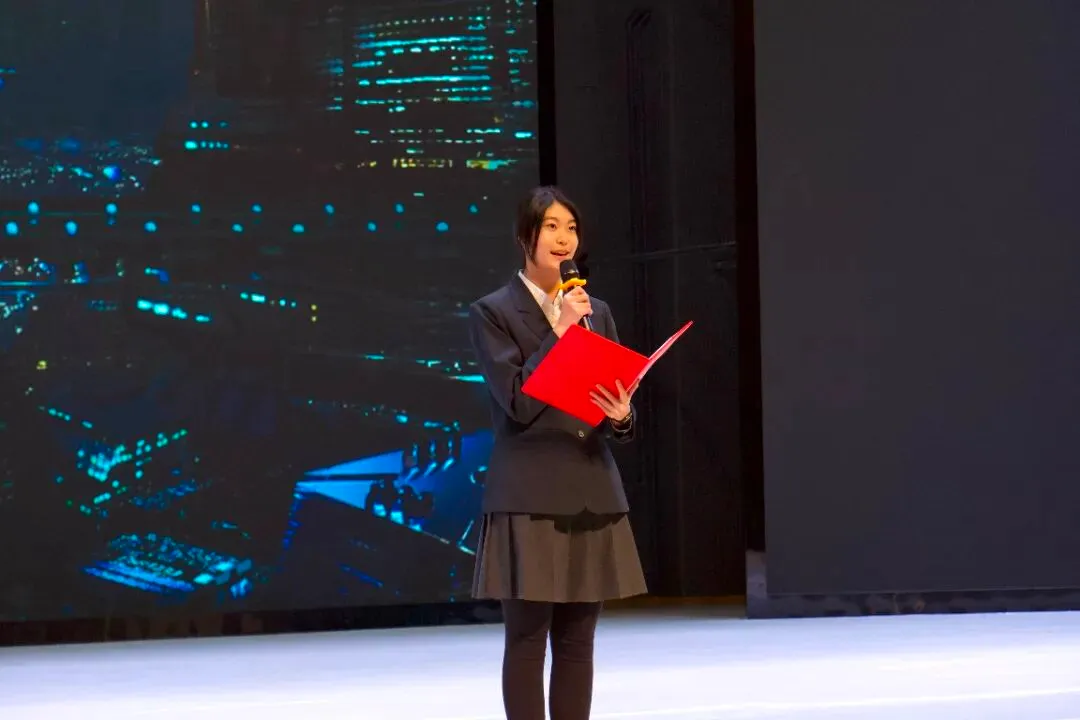
Sun Yukun
I was honored to host this BA Lectures event. Listening to Dr. Jiang Hongtao, I felt a profound tension in our time between scientific reasoning at the forefront of research and long-term concern for humanity's future. He discussed AI within the broader context of human civilization, exploring how it could help us understand the climate and protect Earth's systems, and even address questions on a cosmic scale such as "Who are we, and where are we going?" I was particularly moved by his examples from satellite remote sensing and related fields. He emphasized designing AI carefully around human values to strengthen our judgment and sense of responsibility, as well as our creativity. The lecture reinforced my belief that a technological future worth pursuing must be grounded in humility and responsibility, together with recognition of humanity's shared destiny.
An Yuehan
This lecture helped me appreciate how rapidly artificial intelligence is changing human society. We frequently use AI tools to support our studies and everyday lives. AI expands our ability to understand the world and changes how we address complex problems. Dr. Jiang emphasized guiding AI development with scientific care and caution. I realized that human values and institutional design determine the direction of its development. Scientific innovation and international cooperation, supported by planning for the future, must work together for AI to support humanity's long-term survival and prosperity.
Ma Zihan
Artificial intelligence has become part of everyday life, extending well beyond its familiar appearances in science fiction films. What moved me most in Dr. Jiang's lecture was the realization that we actively participate in determining the future alongside AI. Its power also inspires a sense of awe: as AI becomes more capable, people need greater clarity of thought and a firm sense of responsibility. Human values determine whether technology serves constructive purposes or causes harm. Leaving the lecture, I reflected more carefully on these questions. I hope that rigorous reasoning and care for people will guide AI toward making the world a better place.