Decoding Heritage in Copper Fire and Lingering Incense — Beijing Culture Exploration Program × Design Thinking Course Concludes Successfully
The scent of agarwood incense recalls centuries of history, while copperworking preserves the techniques of an enduring craft. In January 2026, students explored Beijing's culture through its intangible cultural heritage and used design thinking to investigate traditional craftsmanship. Together, they progressed from understanding these traditions to developing their own creative ideas.
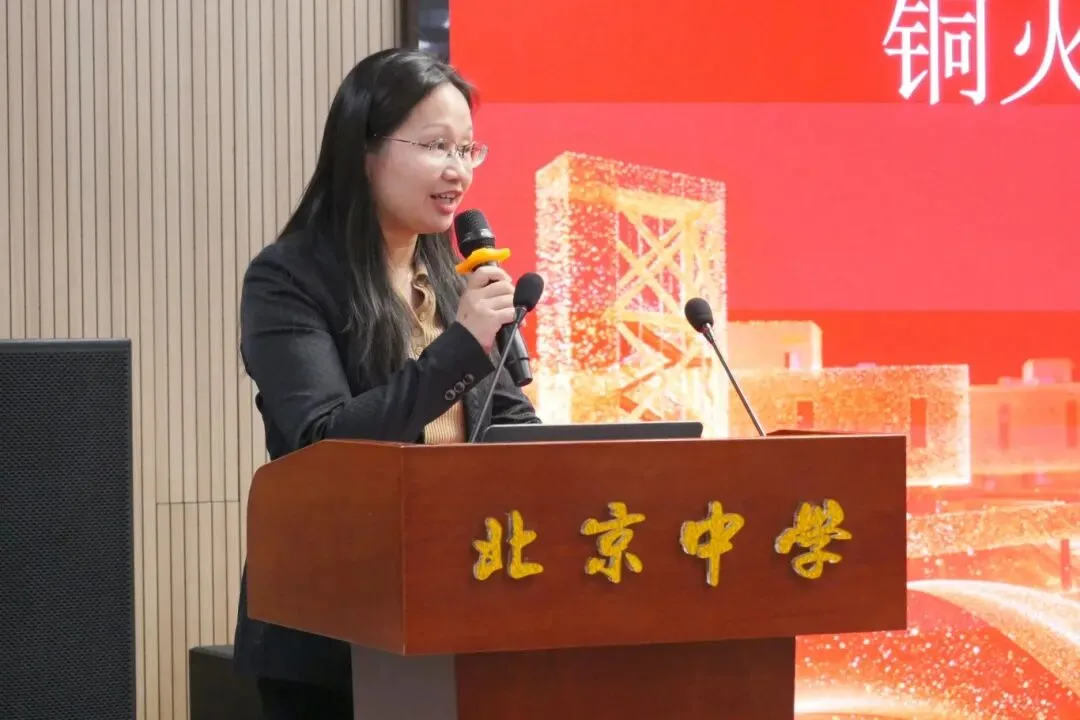
Copperworking and Incense
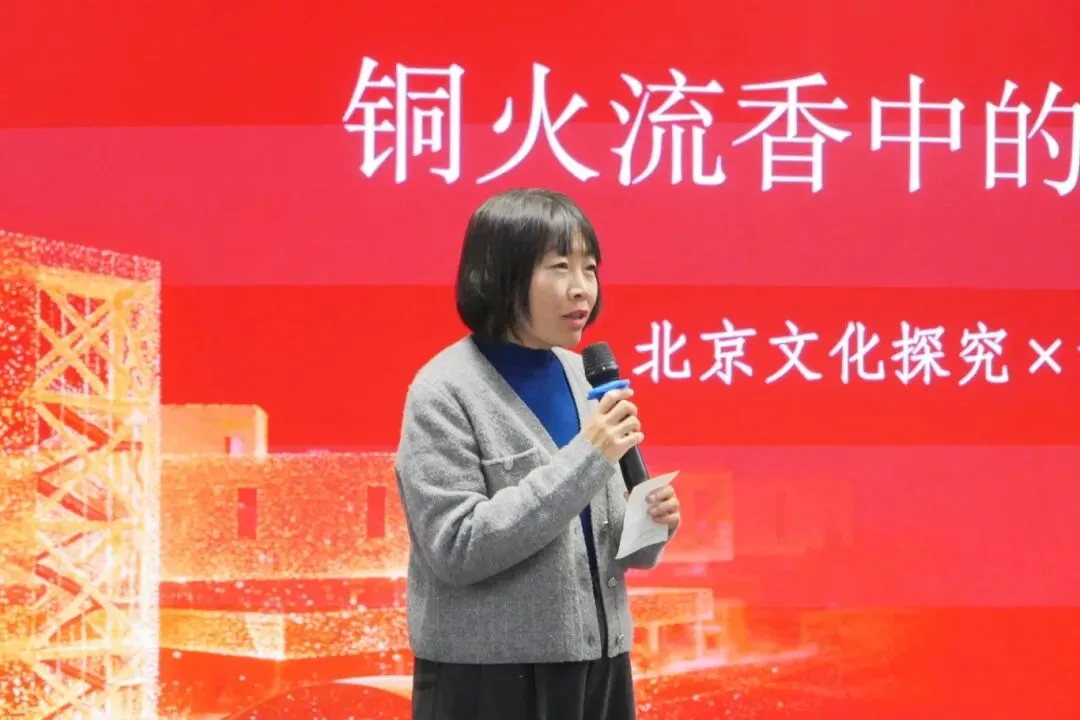
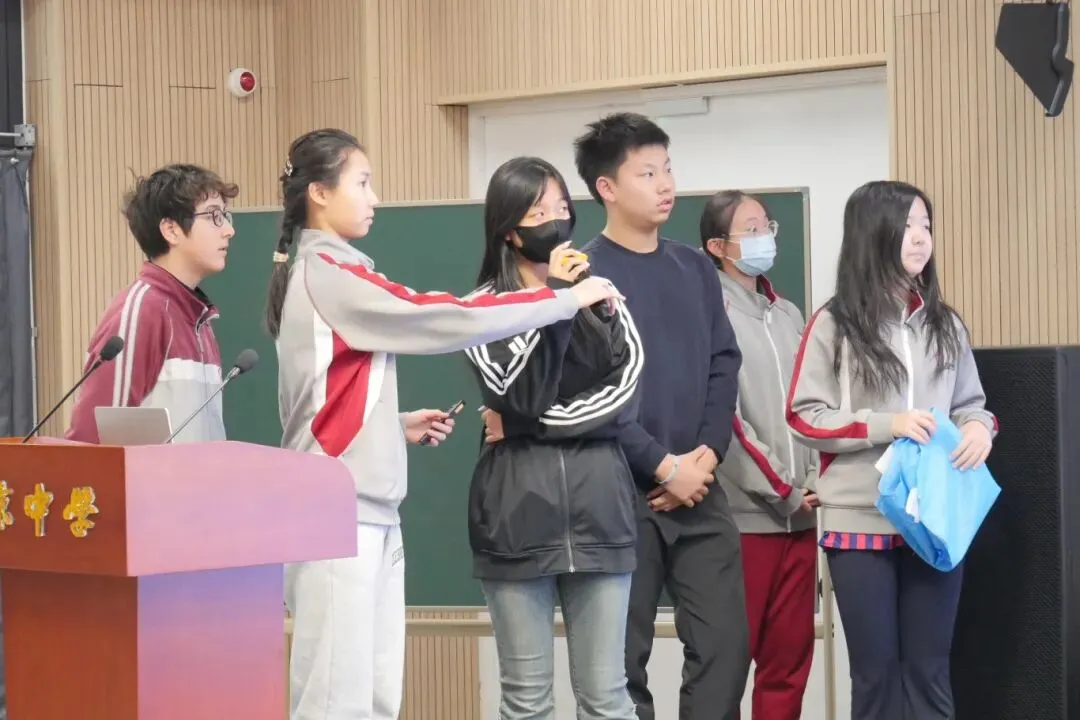
Working in groups under their instructors' guidance, students explored copperworking and incense through study and practical activities. They completed learning assignments and field visits, then presented their projects. They examined the cultural significance and distinctive techniques of these two traditional crafts, along with their historical origins. Through a young person's perspective on intangible cultural heritage, they considered how innovative thinking could support its future.
The theme of copperworking and incense brought together two distinct, closely connected heritage crafts. Copper represents craftsmanship through fire, with its precision and durability, as well as its strength. Incense represents the movement of air, with its fluidity and diffusion, along with its softness. These qualities of strength and gentleness reflect two aspects of Beijing's culture.
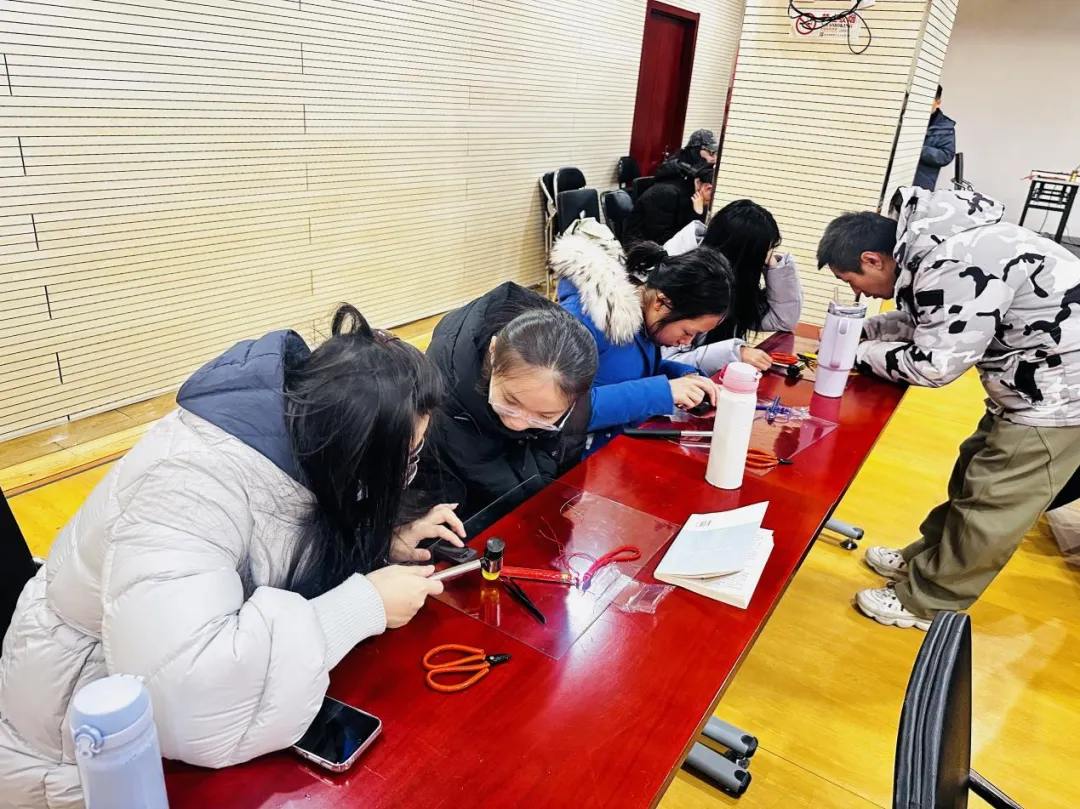
Copperworking and Incense
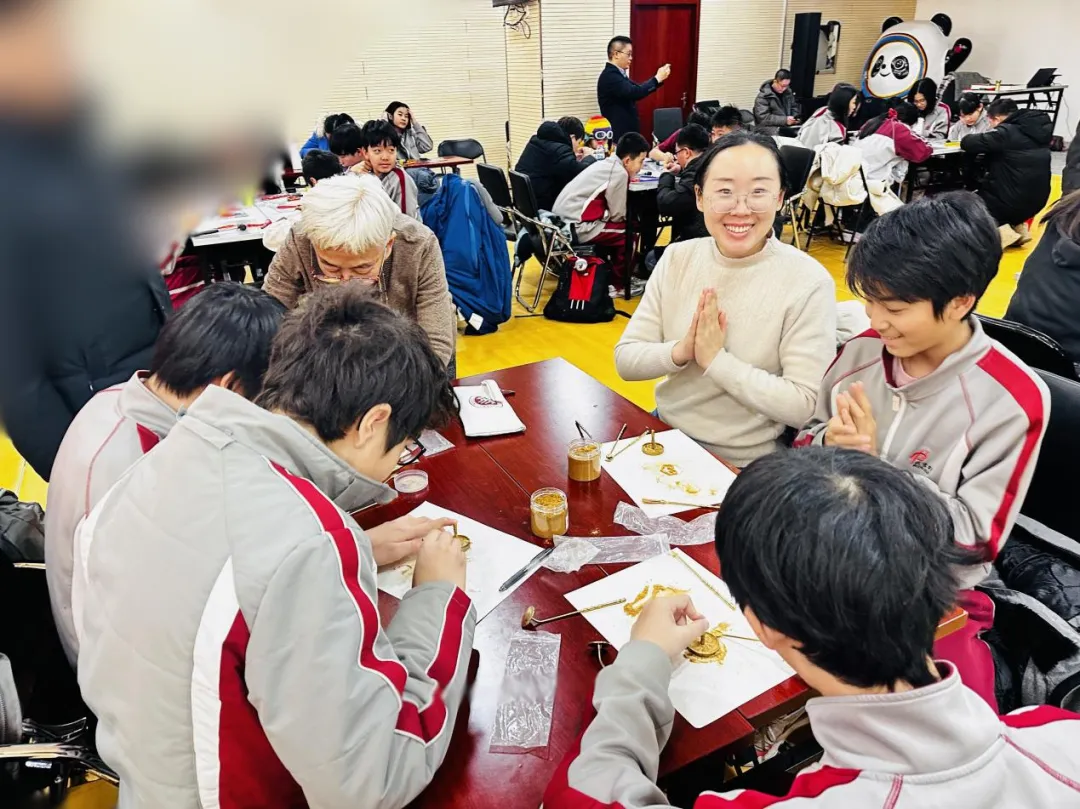
Student Reflections
01 · Bai Xicheng
Immediately after our final exams, we took part in a special inquiry project. The school invited instructors and a female student from Communication University of China to guide us through Beijing Culture Exploration Program × Design Thinking. Over just four days, we had many experiences that extended beyond our usual classroom learning.
Each group received its own theme, and ours drew copper and incense. At first, we were unsure how to explore it. Our mentor gave us a clear direction: rediscover the value of traditional culture from a contemporary perspective.
The most enjoyable part was brainstorming. Our instructor asked us to come up with 100 ideas related to copper and incense, which initially seemed an enormous challenge. Once we had our first idea, more possibilities emerged. Some suggested portable scented sachets or distinctive fragrances for different seasons. Others proposed incense products modeled on Beijing's characteristic buildings. We selected only some of these ideas for further development, and the process showed us how varied creative thinking could be.
We then began detailed research. Our mentor taught us to use web scraping software to collect online customer reviews of incense products. With this information, we analyzed competing products and identified the strengths and weaknesses of copper and incense products currently on the market. We also designed a questionnaire to learn how people around us understood incense culture and what they thought about it.
The practical sessions were especially enjoyable. We experienced the full process of traditional incense making, pressing incense powder into finely engraved copper molds to create different patterns. We also kneaded incense paste by hand and felt the subtle changes in the material beneath our fingers. These direct experiences deepened our understanding of copper and incense.
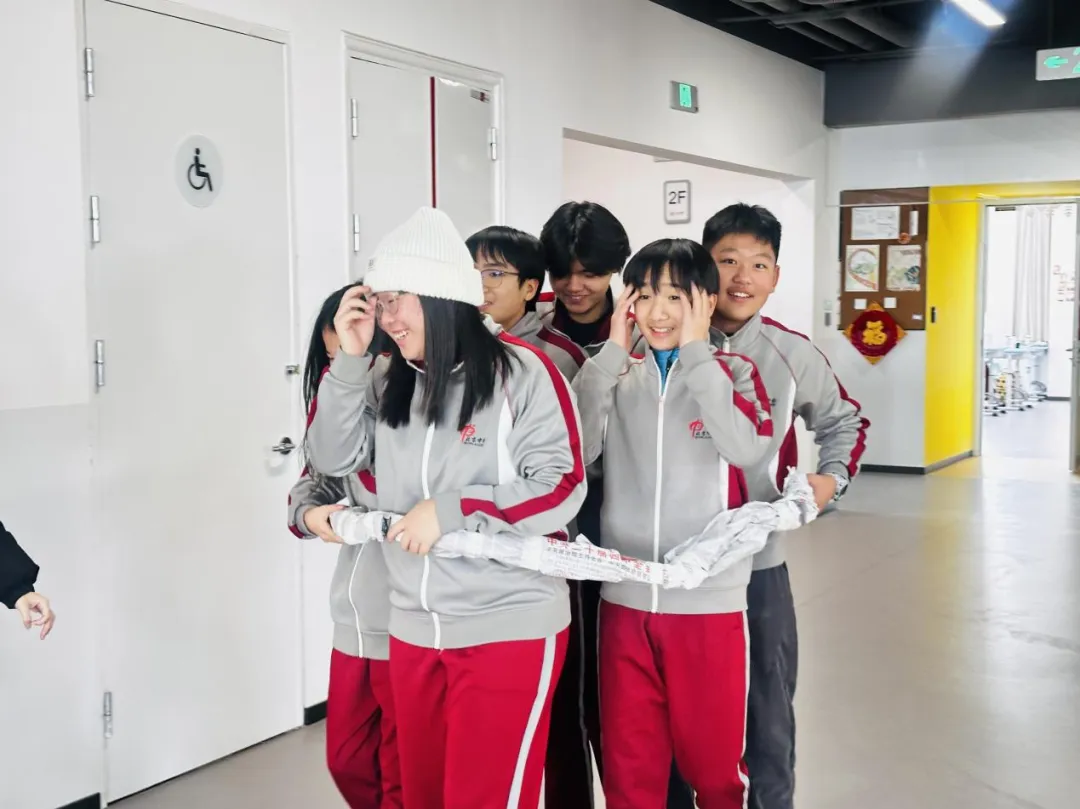
Teamwork was another important lesson. We took part in several activities that required cooperation, including a game using newspapers. They helped us understand that even an excellent idea requires a team's collective effort to carry it out.
After extensive research and practical experience, we began designing our own product. We selected the most feasible proposals from our original 100 ideas and developed a complete design through repeated discussion and revision. We considered fragrance and form, along with packaging. Above all, we explored how to help people of different ages develop an appreciation for traditional culture.
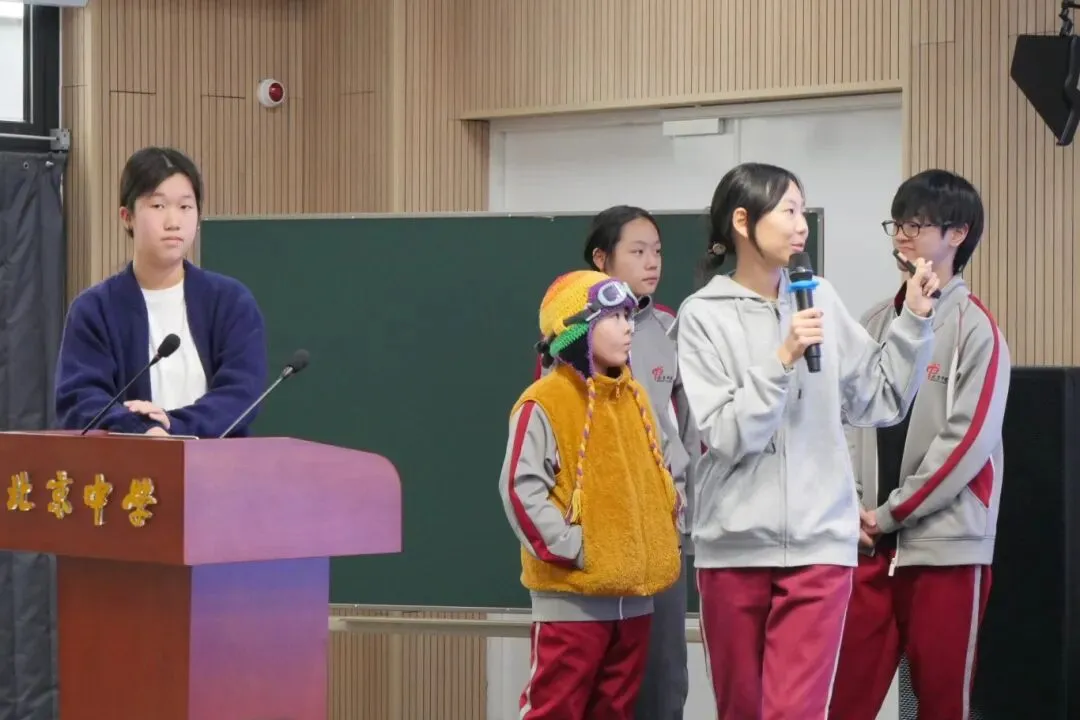
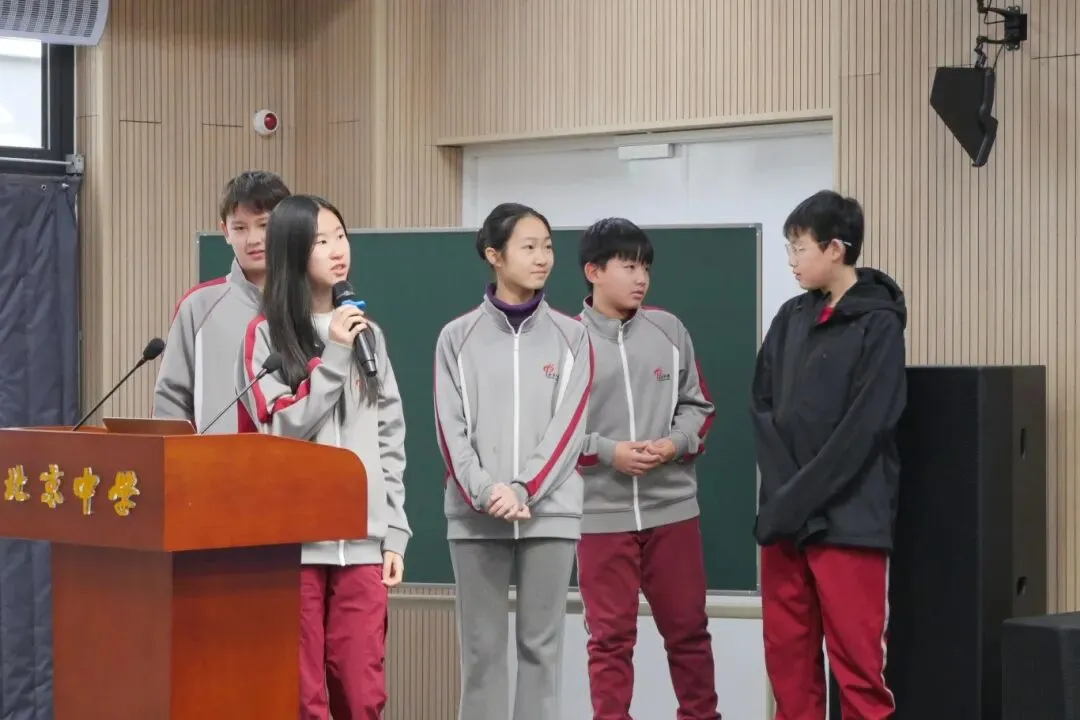
On the final day, each group had ten minutes to present its research findings and design proposal. The mentors listened attentively and asked thoughtful questions specific to our work. We felt some nerves during the presentation, and the detailed discussion helped us understand the project more fully.
Over these four days, we developed an increasingly detailed understanding of copper and incense and progressed from receiving knowledge to creating ideas of our own. The project introduced us to new ways of learning. It also helped us appreciate traditional culture from a contemporary perspective and consider how new forms could integrate it into modern life. This valuable learning experience left us looking forward to the coming holiday and new semester.
02 · Li Jiayin
For this cultural exploration project, the school invited instructors from Communication University of China to teach us. This distinctive course changed my understanding of design. I had previously associated it with drawing and handicrafts. By the end of the course, I understood design as a new way of solving problems, with a breadth of possibilities far beyond what I had imagined.
Our instructor led brainstorming activities in class. In one exercise, we received an ordinary brick and were asked to think of 100 different uses for it. Initially, I could only think of building walls. Encouraged by my classmates, I began exploring more freely and came up with other uses, such as cracking walnuts or using the brick as a step.
When our group designed a gift for our mentor, we began with the instructor's actual needs. We discarded three initial drafts and repeatedly refined our proposal. Everyone contributed ideas and discussed them thoroughly. Our final proposal earned the instructor's approval and praise: "Exactly what I had in mind." Every member of our group felt a sense of achievement.
This rewarding course taught me that innovation requires the courage to question conventions and the willingness to consider other people's perspectives, supported by ideas grounded in real needs. Now, when I encounter a problem, I actively explore several possible solutions. The course greatly improved both my thinking and my ability to solve problems.
03 · Zheng Aiwei
During the week following our final exams, we completed four days of project research. To form groups, our instructor gave each of us a puzzle piece printed with a creative design. We found classmates whose pieces fitted ours, and the completed puzzles determined our teams. This activity offered a fresh alternative to drawing lots or grouping students by their seats. It encouraged conversations among classmates who knew each other less well. As everyone compared their pieces, the classroom filled with activity. Within a little over ten minutes, all the groups were formed. We quickly became more familiar with one another, establishing a good basis for our project work.
As the project began, our central question became clearer: how could we develop a product that stood out among similar offerings through attractive design and practical function, while connecting with people emotionally and improving their quality of life? Our team conducted extensive research, examining the market and Generation Z's consumption trends. We also listened to the needs of people of different ages and investigated opportunities within the industry. Each step deepened our understanding of the project.
I remember most clearly the four days we spent working together. Each of our six team members had defined responsibilities, covering market research and product design, as well as user needs analysis and refinement of the details. Everyone actively shared ideas. To create a product that was attractive and met people's needs, we repeatedly revised and improved our designs. Our pursuit of excellence helped me appreciate the strength of teamwork.
This project taught me how to develop a high-quality product. It also showed me that a successful project requires an accurate understanding of the market and deep insight into users' needs, supported by close cooperation among team members. We combined traditional culture with contemporary design and considered users throughout the process. That commitment gave us confidence in our future work.
We will continue exploring cultural innovation, using technology to improve product quality and pursuing collaboration across disciplines to support the vitality of traditional culture.
04 · Lu Junduo
I learned a great deal from this cultural exploration and design thinking course, including the value of leadership within a team. Our team leader, Yuki, a student mentor, took the initiative to ask a heritage practitioner about copperworking traditions. This helped our subsequent research proceed more smoothly and supported the work of other team members. Her actions demonstrated leadership in practice.
The activities also helped me appreciate team cohesion. During the newspaper game, my teammates and I initially prioritized speed over coordinated teamwork. We finished without winning, and learned that a team's coordination has greater value than any individual's speed.
Finally, I learned the most important lesson of all: learning is a lifelong pursuit. During the activities, I gained knowledge of copperworking traditions and strategies for cooperation in games. I also developed valuable friendships within the team and experienced the excitement and emotion of working hard for our group. Seeing everyone's joyful smiles when our team received an award, I understood how much we had gained together. Our purpose in participating was to develop a love of learning itself and to grow through exploration, with that growth taking priority over a first-place finish.