Where Beijing Culture Meets Campus Exhibition: BAID Students Unlock Cross-Disciplinary Practice
Following the January 2026 final exams, BAID launched an interdisciplinary project-based course (PBL) project focused on designing a multimedia exhibition space for Beijing culture with a financially sustainable operating model. Students explored cultural themes and exhibition design, then developed business plans and practical proposals. Their perspectives as young people informed campus exhibition plans that combined cultural engagement with commercial viability.
Practice from Research to Implementation
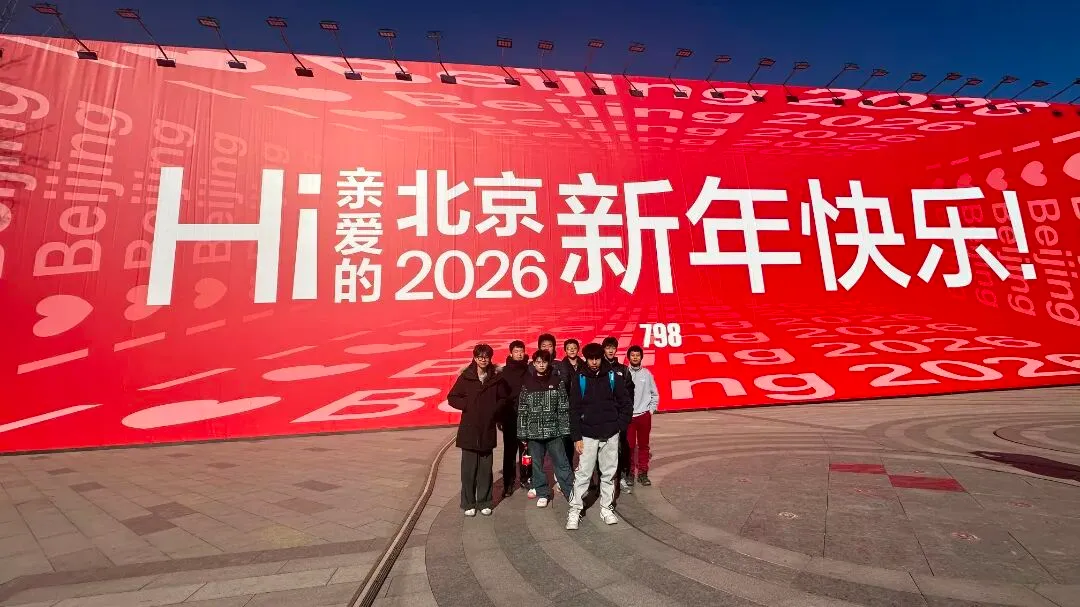
At the outset, students worked in groups to organize their Need to Know (NTK) lists and allocate responsibilities. An activity focused on Beijing cultural knowledge helped them develop initial hypotheses. They then attended interdisciplinary workshops on user research and exhibition case studies, along with behavioral economics. Each group also received a tailored list of Beijing cultural venues and conducted independent field research at locations including 798 Art District, gathering cultural material and examining how exhibitions were organized in practice.
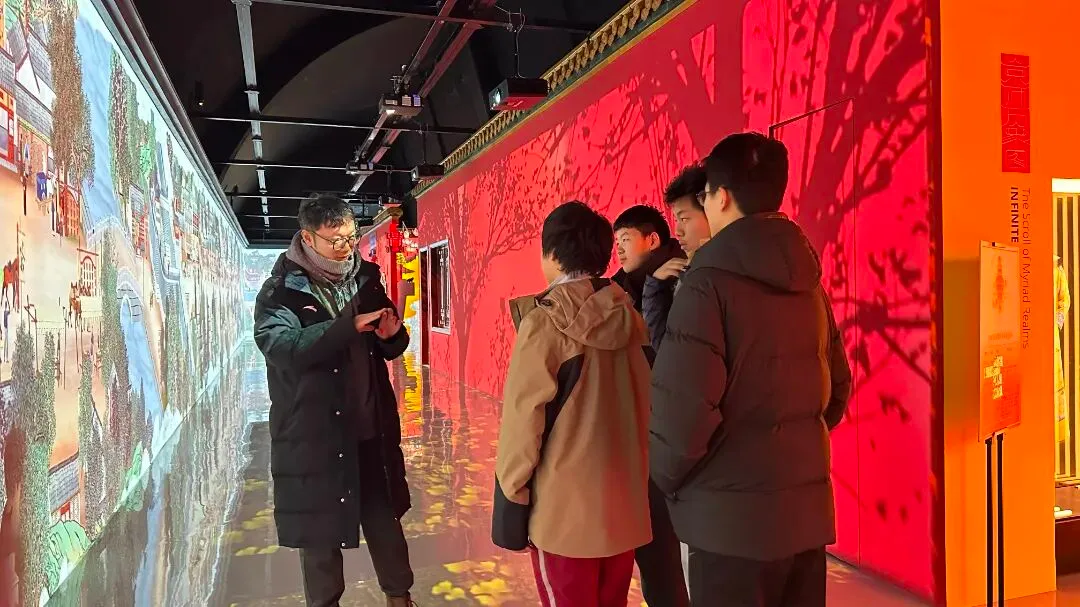
During online research, students gathered information and examined their initial hypotheses. Peer reviews and expert guidance, supported by AI tools for synthesizing information, helped them incorporate different perspectives and develop a fuller understanding of Beijing culture. They explored everyday life in the hutongs and the formal arrangements of the imperial city, as well as traditional craftsmanship and contemporary cultural expression. This research established a strong cultural foundation for their exhibitions.
Designing the business operations presented a further challenge. Drawing on experiential retail and the experience economy, students proposed interactive workshops and sales of cultural merchandise, along with activities that encouraged visitors to participate and record their experiences. They also prepared professional operating estimates, including implementation costs and projected revenue, to support both the cultural value and financial sustainability of the campus exhibition space.
A complete proposal required exhibition sections and interactive experiences, a visual identity and renderings, and a schedule with clearly assigned responsibilities. Students balanced creativity with feasibility and cultural content with commercial planning. Through teamwork, they developed their abilities in writing and design planning, as well as data analysis and coordination.
A Range of Project Deliverables
The research and design work would lead to a range of deliverables suitable for implementation and presentation. These would allow others to see and experience the students' Beijing Culture Exploration Program projects while bringing renewed activity to cultural spaces on campus.
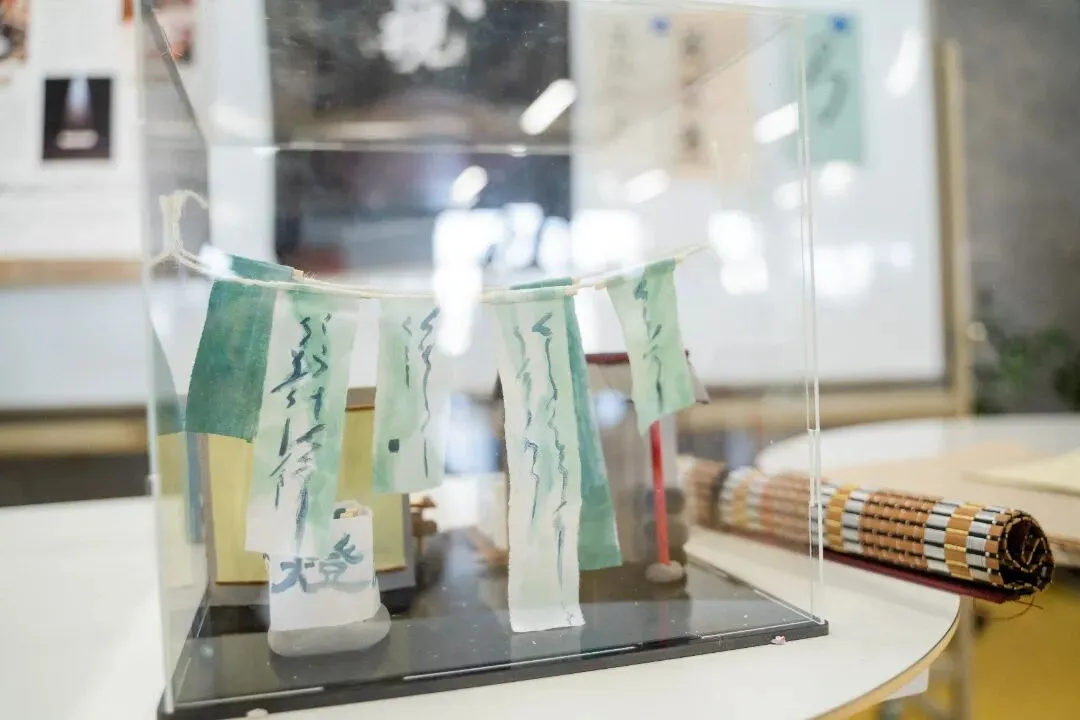
Students were required to complete seven core sections of their planning proposals and submit a range of visual materials. These included a formally prepared Word proposal and a PowerPoint presentation, along with a 60 × 90 cm project poster that clearly communicated the main ideas and matched the exhibition's visual identity. They also had to construct a scale model of the space and record a proposal introduction video lasting no more than three minutes, making their exhibition designs easier to visualize.
Each exhibition needed an introduction and conclusion, with at least three exhibition sections. One section had to incorporate BAID students' Beijing Culture Exploration Program work. Every section required an overview and introductions to the exhibits and their creators, giving students opportunities to communicate and contribute to Beijing culture. Throughout the process, students also had to record and submit photographs and videos documenting their research and creative work.
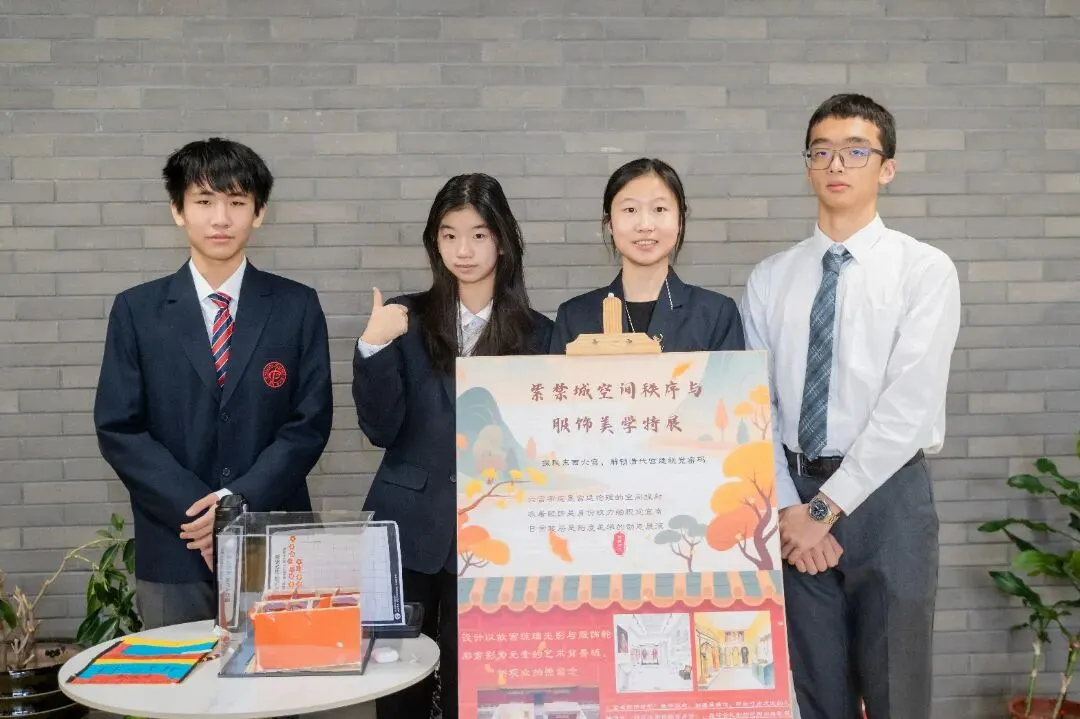
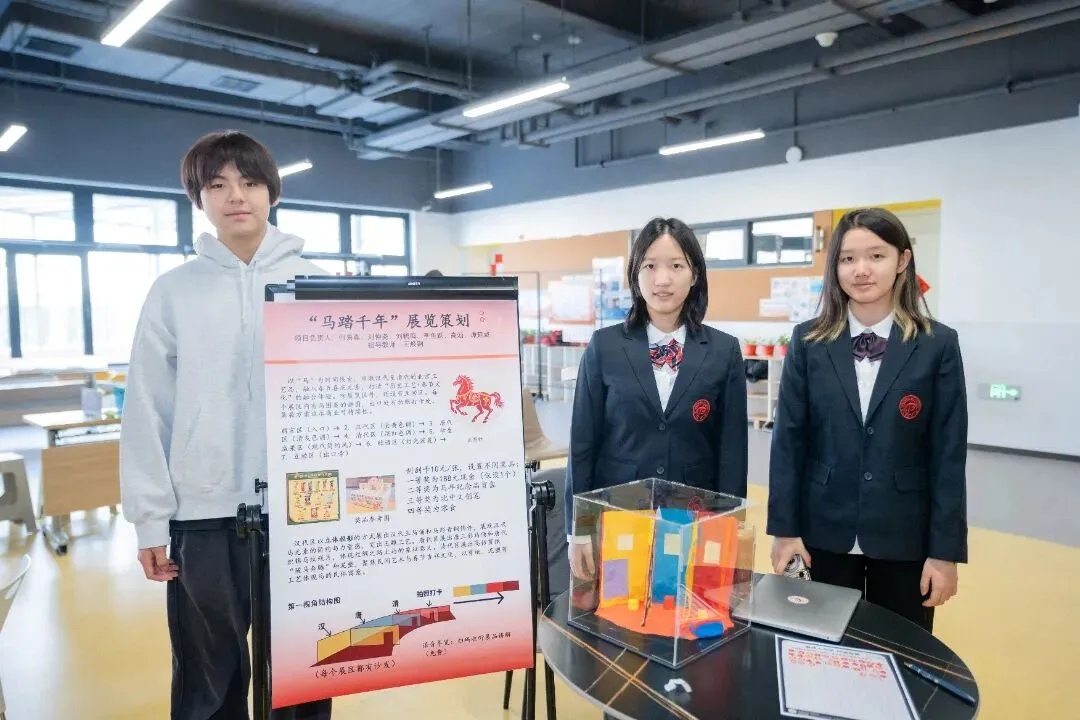
Students were encouraged to experiment boldly with their spatial designs. They could use AI to generate floor plans and aerial renderings, along with views from a visitor's perspective. They could also develop variations on their visual identity, presenting traditional Beijing culture through contemporary design.
Creating Together in Groups
The project combined mentor guidance with group collaboration so that each student could receive individual advice and contribute their strengths. Students introduced themselves to instructors, explained their intended areas of specialization and the roles they could play in a group, and joined a team after receiving an offer from an instructor. This helped them pursue detailed work in teams and subject areas suited to their interests.
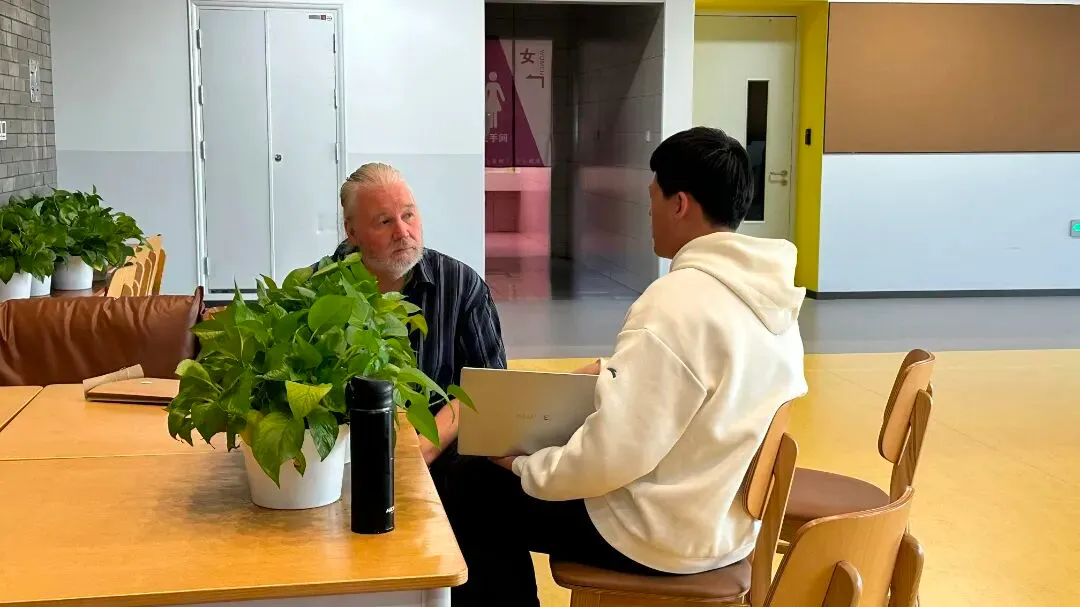
Instructors provided guidance throughout the process, from cultural research and exhibition design to business planning and model making. They offered professional advice and helped students address difficult aspects of their projects. Students developed specialist skills through practice and learned to communicate with one another, respect different perspectives, and create together.
Bringing young people's creativity together with Beijing's centuries of cultural history, this interdisciplinary project developed students' knowledge and practical abilities while strengthening their confidence in their cultural heritage. Research helped them understand and appreciate Beijing, exhibition planning helped them share its culture, and business planning introduced possibilities for innovation. Their ultimate goal was a sustainable campus exhibition space where Beijing's cultural traditions could continue to be explored and enjoyed.
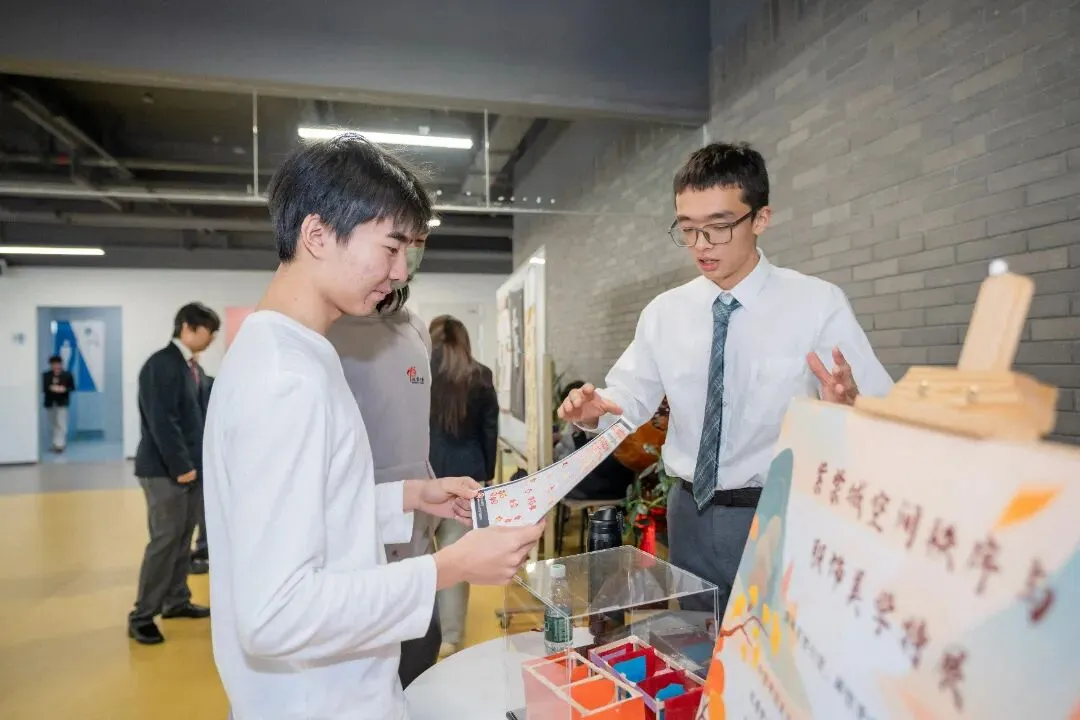
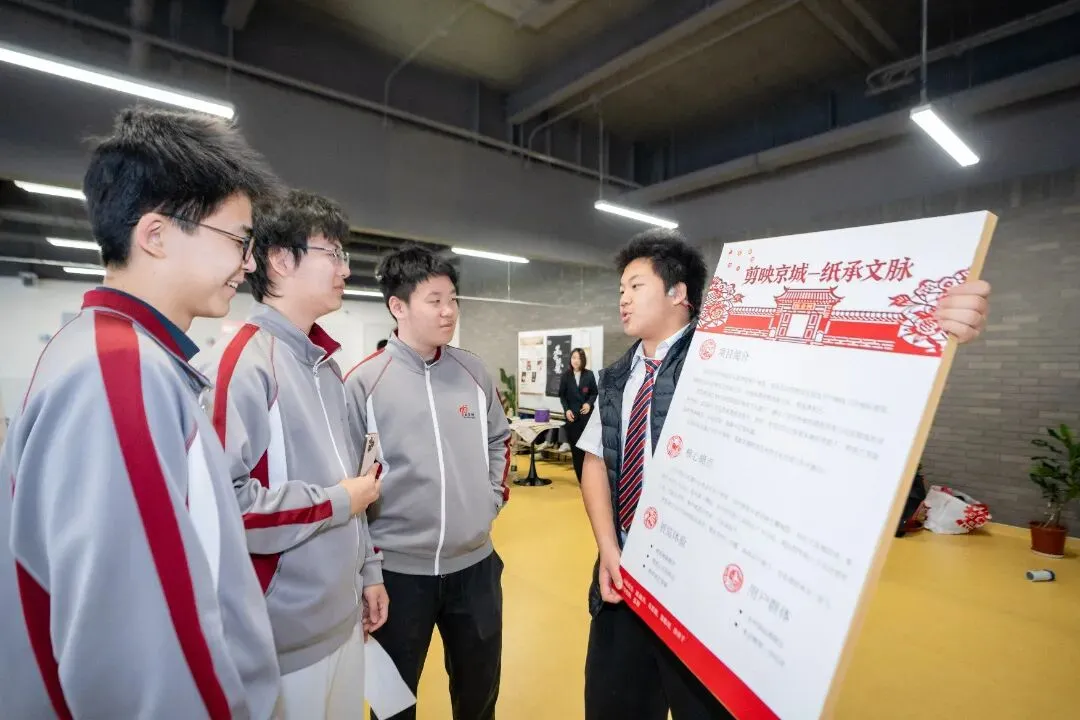
Completed Project Work
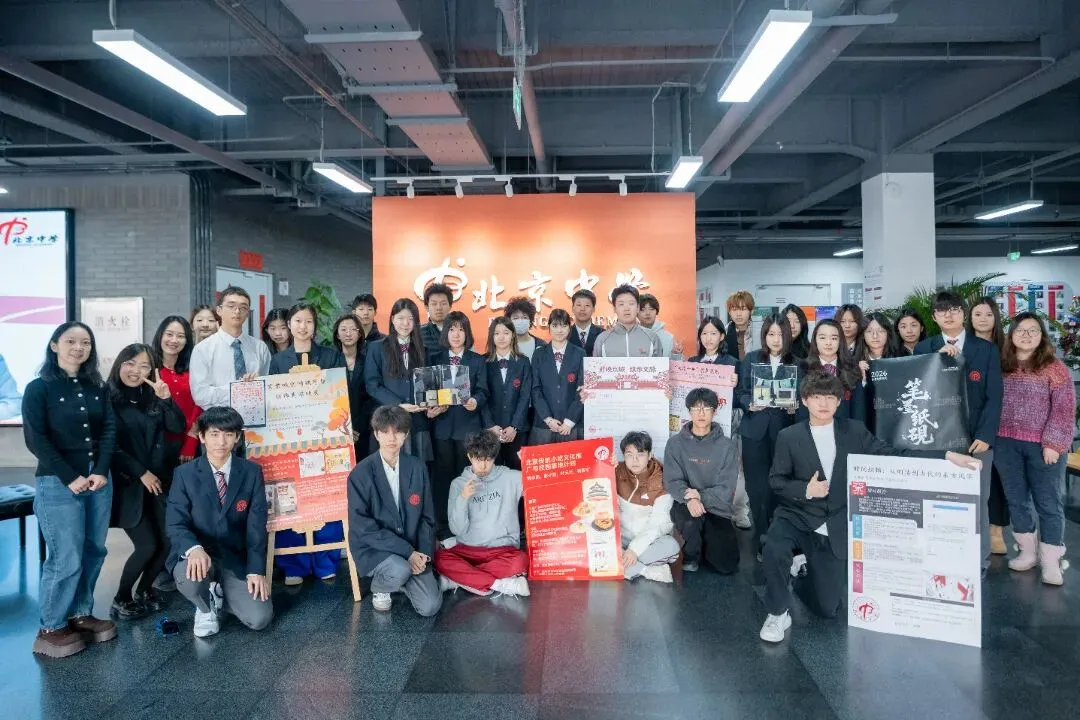
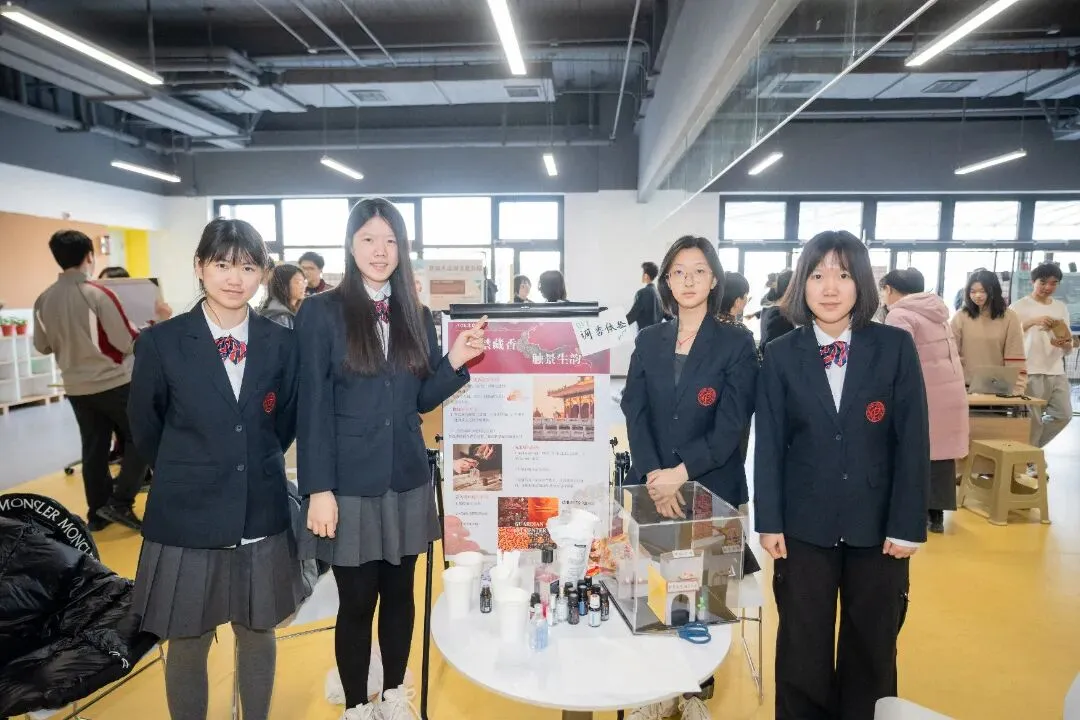
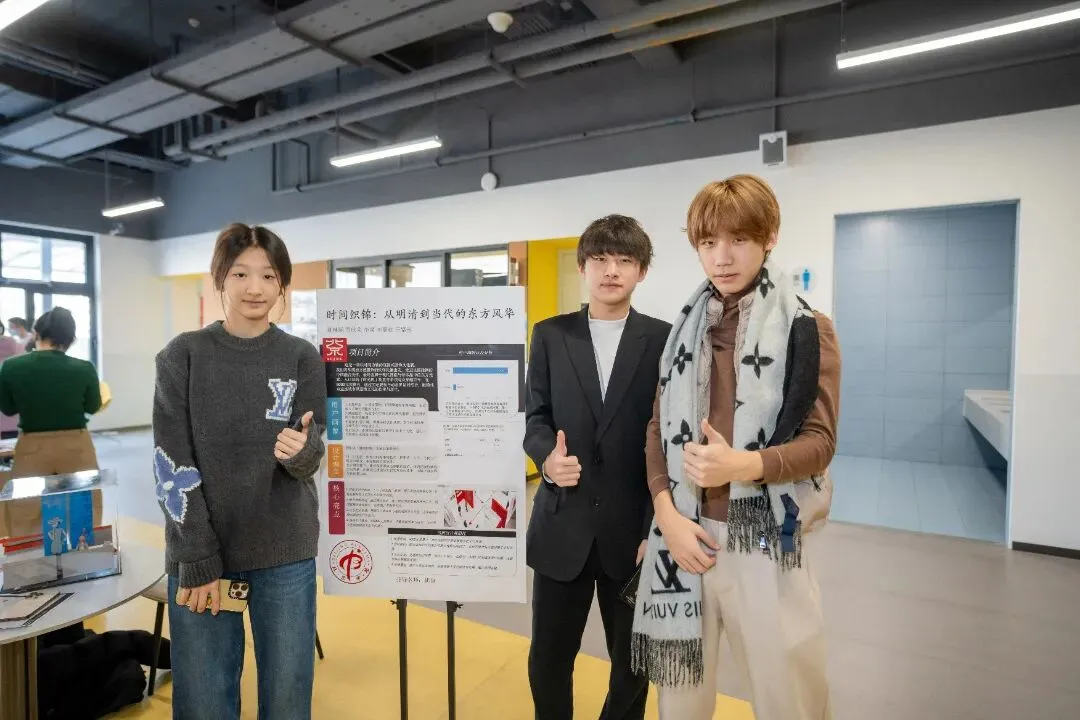
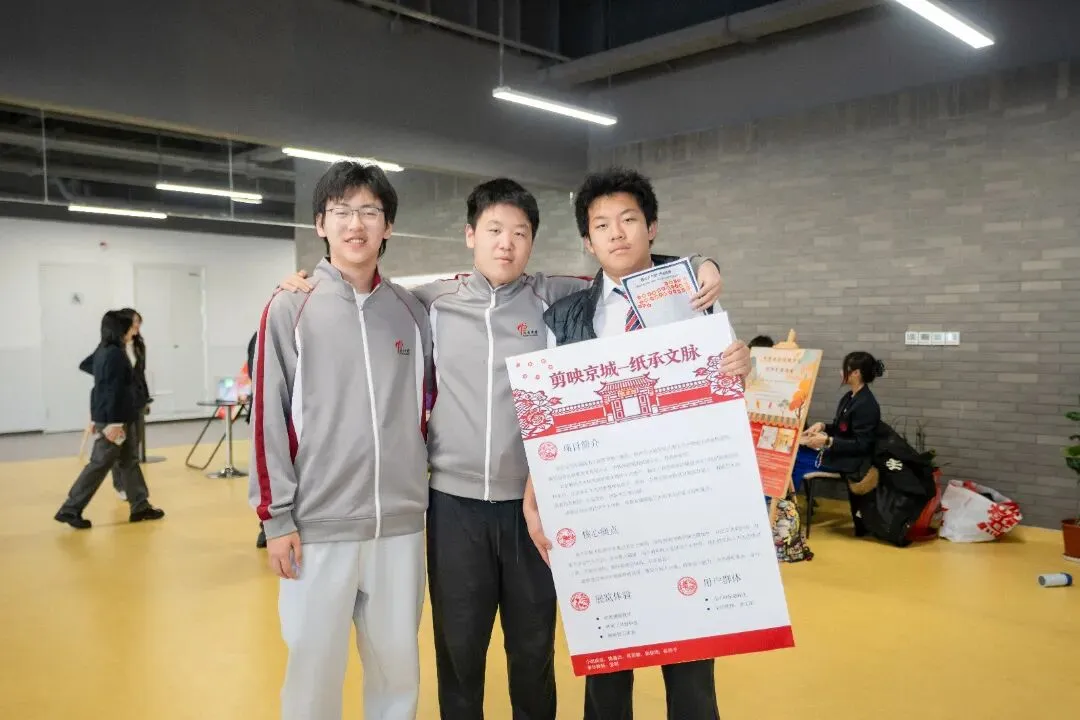
Students investigated different aspects of Beijing culture and developed distinctive exhibition themes, including imperial court clothing and traditional paper cutting, along with local Beijing snacks. Each group created its own exhibition framework, presenting the city's long cultural history in engaging ways relevant to young people. Their project posters are presented below.
Student Reflections
Chen Hejie
I was honored that my teachers nominated me for the Best Individual Contribution Award, and I am grateful for their recognition of my work on the project.
As someone with little previous experience of project-based courses, I initially thought this cultural exploration would be straightforward. Once the assignment was announced, I felt considerable pressure as the group leader, which also motivated me to move forward. My teammates and I made plans and assigned responsibilities, then conducted field research together. We supported one another and developed a good understanding of how to work together. During this time, I learned many new skills. I began with limited computer skills, even struggling with PowerPoint, and eventually created a poster independently. Although I could see room for improvement, I had worked carefully on it and felt a strong sense of achievement when it was displayed. I also learned that keeping a team working effectively is an important ability in itself.
Next time, I hope our whole group can receive an award together and present our work even more effectively.
Dong Pengmai
Our group's Beijing Culture Exploration Program theme was Beijing's Imperial College: Imperial Examinations and the Four Treasures of the Study. At the beginning, we visited 798 Art District and studied visitor circulation in its distinctive exhibitions, establishing a foundation for our subsequent research.
Preparing the PowerPoint presentation and poster was the most challenging part. From the sequence of ideas to the layout details, we revised our presentation and document six or seven times. We also adjusted the poster repeatedly to communicate our exhibition concept more clearly. The process was demanding and helped my teammates and me develop quickly.
I gained a great deal from this project. I deepened my understanding of the historical significance of the imperial examination system and the cultural meaning of the Four Treasures of the Study. The workshops also introduced me to behavioral economics and exhibition planning, along with AI applications. Above all, our teamwork developed from initial uncertainty about where to begin into effective cooperation and a strong sense of achievement. I am grateful to the school for this opportunity, which broadened my perspective and improved my ability to solve problems.
He Yizhen
For me, this Beijing Culture Exploration Program exhibition project was an opportunity to rediscover the city and develop a deeper affection for it through PBL.
Previously, most of my understanding of Beijing culture came from books and visual media. These offered authoritative accounts that felt distant from my own experience. Gathering cultural material ourselves and arranging it for an exhibition changed that. I encountered history in older people's recollections and artisans' focused expressions, as well as details of everyday life in old photographs. Moving from written accounts to field research gave me a direct understanding of Beijing culture.
I was responsible for the exhibition's spatial design and posters. Through many discussions and adjustments with my teammates, our ideas became clearer and more fully developed. The experience of creating together was as valuable as the final exhibition.
This activity helped me examine Beijing in greater detail, appreciate its distinctive character, and contribute observations for future visitors. The experience has become a valued and lasting part of my understanding of the city.
Yu Ziqi
Starting on January 22, students participating in the Beijing Culture Exploration Program exhibition project began working on their proposals. When considering a theme, I initially wanted to use the experience of traveling to the capital for the imperial examinations as an introduction and design some examination games to make the exhibition lively. After researching the Ming and Qing examination systems more deeply, I realized that this topic appealed to a relatively small audience. It also offered limited depth in the form we had proposed, so we needed a stronger central theme.
With guidance from Principal Zhou and our mentor, Ms. Yezi, we decided to begin with the objects most familiar to traditional scholars: brushes and ink, together with paper and inkstones. These four objects express the traditions and sensibilities of scholarly life. We wanted visitors to handle them themselves and experience the pleasure of forming friendships through literary and artistic pursuits. Once we established this direction, refining it took considerable work. During our proposal defense, the judges said our concept needed a more practical implementation plan. We then examined every detail closely. We produced numerous versions of our PowerPoint presentation and challenged one another's work within the group. The repeated revisions required considerable effort and gave us substantial experience in cooperation and problem solving.
In the end, we developed a workable proposal and won first place in the competition. I felt delighted and deeply satisfied. Looking back, all that effort was worthwhile. Now I look forward to organizing Bimo Youyuanhui, our event celebrating traditional writing arts, at school. It would add the elegance of traditional scholarly culture to campus and give international visitors direct experience of Chinese writing materials and the centuries of cultural tradition associated with them.
Li Xinlin
I was honored to receive the Best Contribution Award. The recognition also belongs to our group, whose members worked together over seven days to achieve this result.
On the first day, we sat together and discussed our ideas, gradually developing inspiration through conversation. On the second day, we visited 798 Art District for field research, gaining experience and identifying effective exhibition methods for our project. On the third and fourth days, we visited the Drum Tower area to experience the customs and everyday life of old Beijing. On the fifth day, one member was unable to attend because of a health issue, leaving three of our original four members to handle the increased workload. We worked harder and organized our efforts efficiently: some focused on the structure of the PowerPoint presentation, while others organized our field research materials. The classroom was filled with the sound of our typing as we worked to develop a good proposal. We felt confident before presenting. The teachers' feedback left me somewhat discouraged, and I continued working. After reflecting carefully, asking teachers questions, and seeking different opinions, I recognized gaps and weaknesses in our plan.
On the sixth day, all four of us reunited and repeatedly discussed and revised the proposal in response to our teachers' suggestions. After two rounds of revision and refinement, we settled on our final theme: communicating the appeal of Beijing culture through smell and touch, with the Forbidden City as the setting. On the final day, we presented our work. Many students and teachers visited, and some offered valuable suggestions. One teacher also referred me to an expert at Tsinghua University so that we could study the expert's research and relevant experience. This gave me greater confidence in developing our project further.
This demanding and meaningful inquiry helped me gain knowledge and develop my abilities, while also appreciating the value of cooperation and persistence.
Lin Zhilu
For me, this Beijing Culture Exploration Program exhibition project combined academic inquiry with surprising discoveries about myself.
Initially, our theme covered Beijing culture through all five senses. We eventually focused on smell and touch, two particularly subtle sensory experiences, and developed a clearer concept for Zijin Cangxiang, our project on the fragrances of the Forbidden City. This process taught me that good research requires identifying a precise focus within a complex subject.
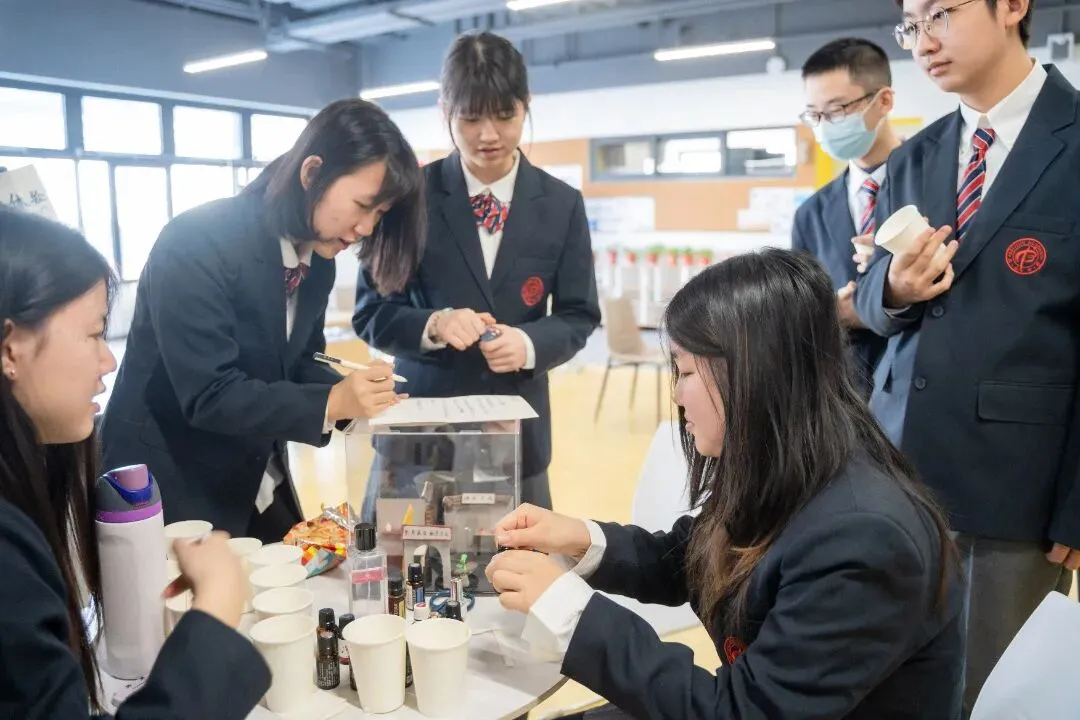
Ms. Yezi's behavioral economics workshop gave me a new perspective. I learned that our decisions are influenced by factors beyond rational judgment: when we see a crowd, we instinctively tend to follow it, while a valuable exhibit with nobody gathered around it can easily escape attention. We used this insight to adjust visitor circulation in our exhibition, for example by placing directional signs near the scent experience wall and using warm lighting to attract visitors. These details later played an important role in the project's popularity.
During the final presentation, we carefully explained the exhibition design to teachers and classmates and guided them in blending their own fragrances inspired by Beijing. The immersive experience and interaction made the project engaging. When one student said, "I'm really looking forward to seeing your project implemented," and others praised its exceptional interactivity and enjoyment, along with its appeal to students, I felt a deep sense of achievement. This direct feedback affirmed our efforts more strongly than any award could.
This experience helped me identify a clearer direction for my future. I love telling cultural stories through multiple senses, allowing people to experience history through scent and touch, and through creating something themselves. Completing this project gave me a new starting point for my future academic and professional path.