BAID Students Build Interactive Models of Grand Canal Engineering
Beijing Academy began its 2026 project-based course program with Beijing Culture Exploration Program. One of its four themes, the Interactive Grand Canal Hydraulic Engineering Model Project, attracted students interested in history and engineering, alongside technology. Over seven days, they investigated a central question: How can we design an interactive model of the Grand Canal's hydraulic system for middle school students?
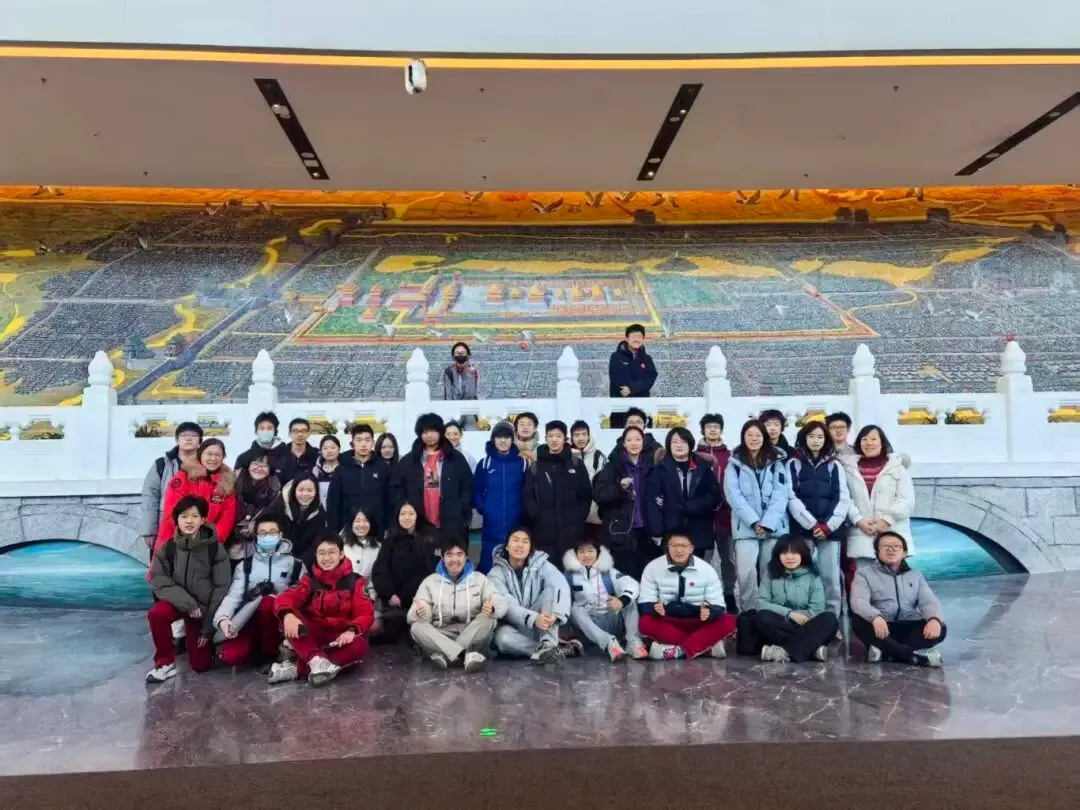
With teachers guiding them throughout, students worked as Product Managers on the User Team, Installation Engineers or Cultural Experts. Their different perspectives contributed to a shared interdisciplinary project.
I. Understanding the Grand Canal
The Beijing–Hangzhou Grand Canal is a World Heritage Site with a history stretching across a millennium. It connects north and south and preserves a significant part of China's cultural history. Its role in transport and trade is accompanied by sophisticated hydraulic engineering and administrative systems, demonstrating the ingenuity of earlier generations.
Students began with their guiding question: How can we design an interactive model of the Grand Canal's hydraulic system for middle school students?
The challenge combined engineering with history and geography, science and education. Students examined the canal's role in connecting regions and encouraging economic and cultural exchange. They then designed models that middle school students could operate, making complex engineering principles accessible through practical learning.
The seven-day project aimed to deepen understanding of the canal's history and encourage pride in Chinese civilization. Connecting hydraulic principles with engineering and artistic design developed systems thinking and creativity. The resulting teaching tools could also serve schools and museums, along with community cultural spaces, through designs others could reproduce and share.
II. Applying What We Learned
The project followed a structured seven-day schedule:
Day 1: Defining the Question
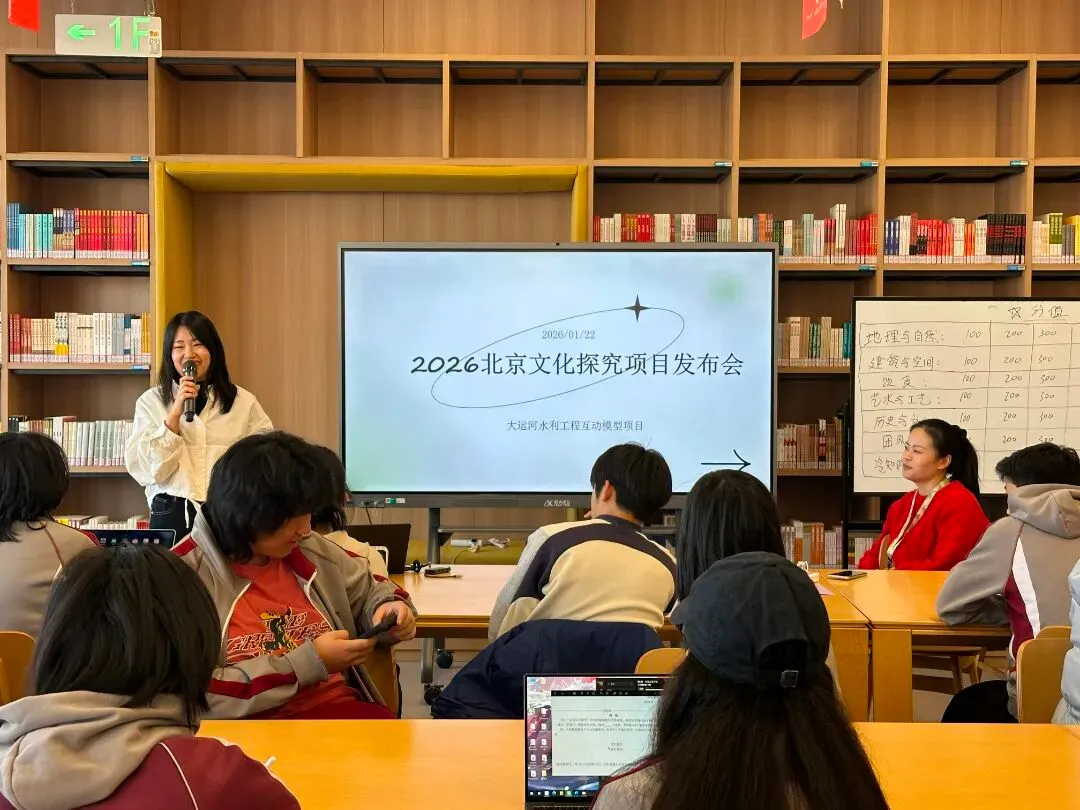
An afternoon Jeopardy quiz encouraged enthusiasm for Beijing's culture. At the project launch, Zhang Muyao and Xu Haochen shared their experience from the previous year's program. Teams then developed mind maps and question boards, agreed on group expectations and assigned responsibilities.
Day 2: Research at the Museum
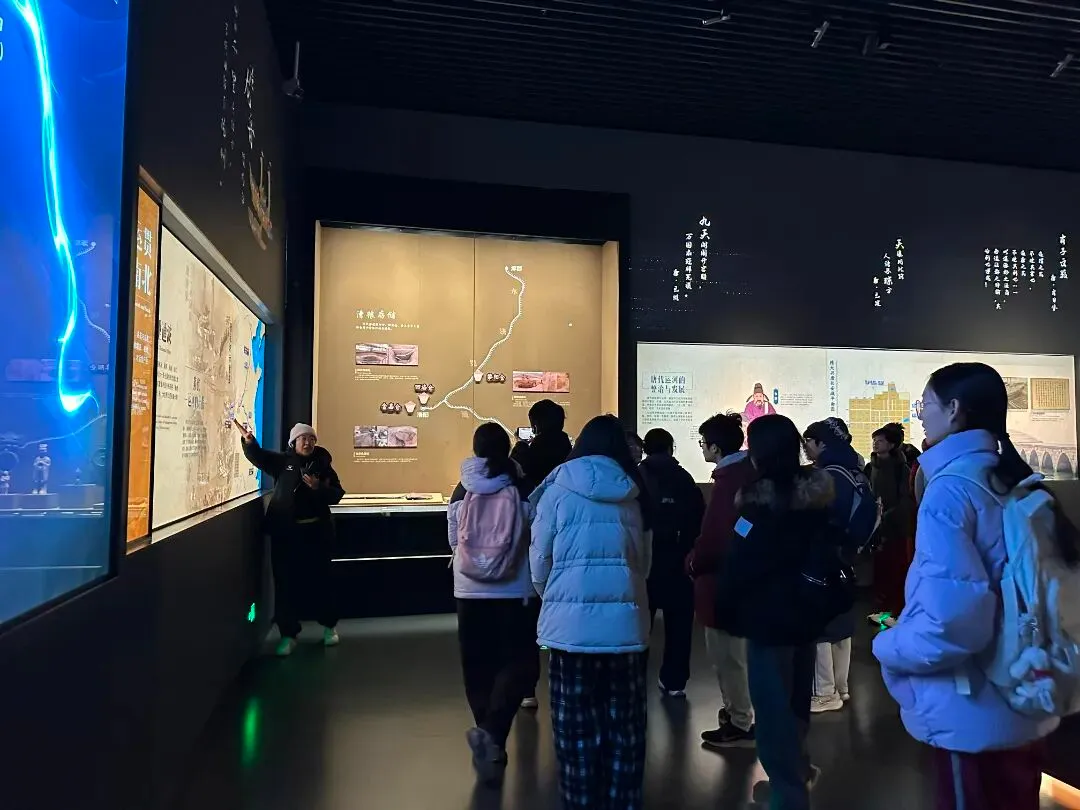
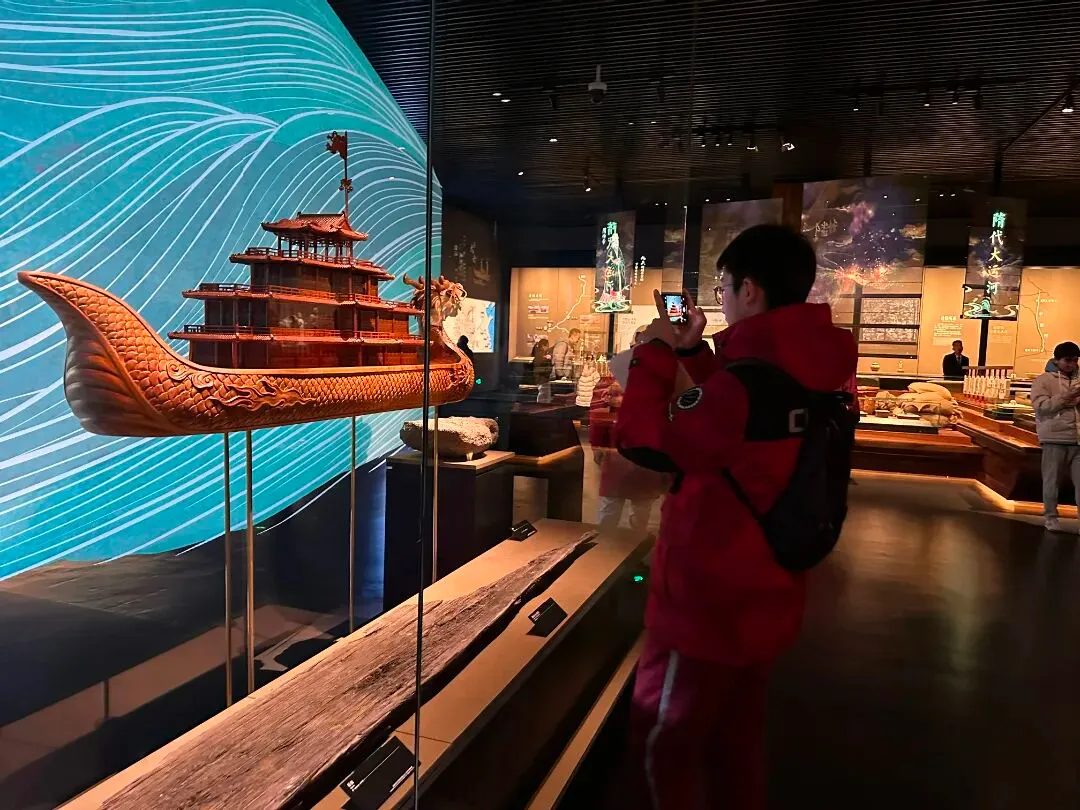
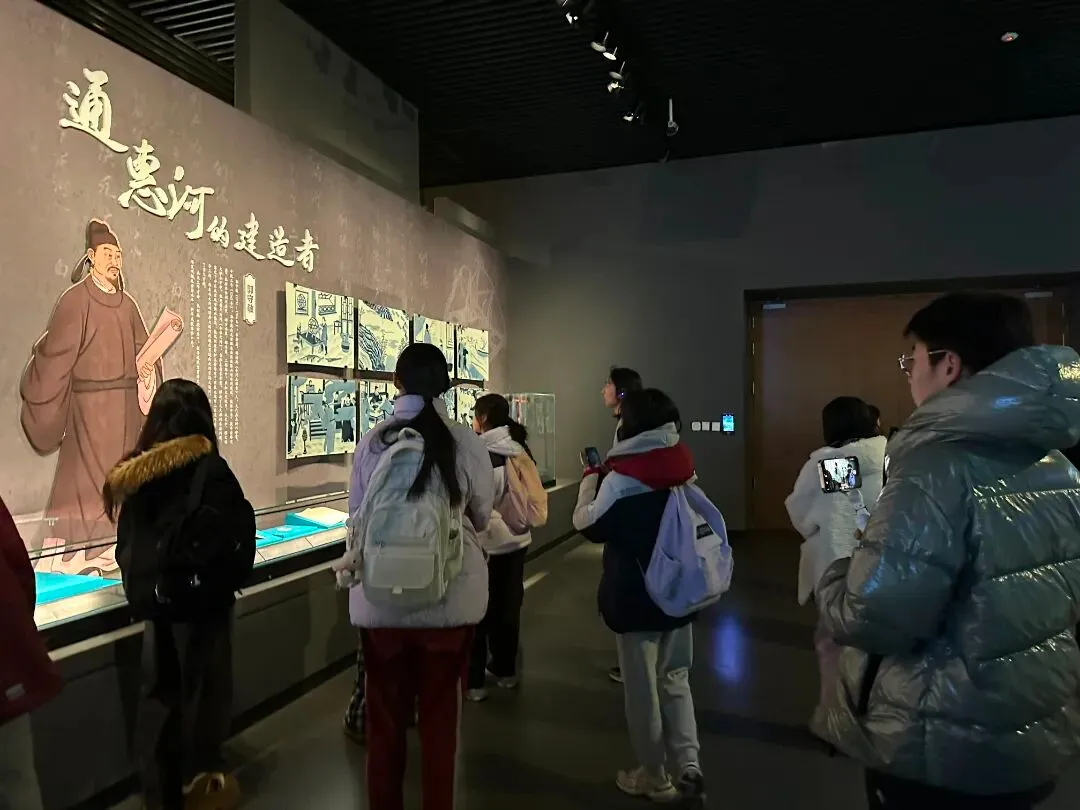
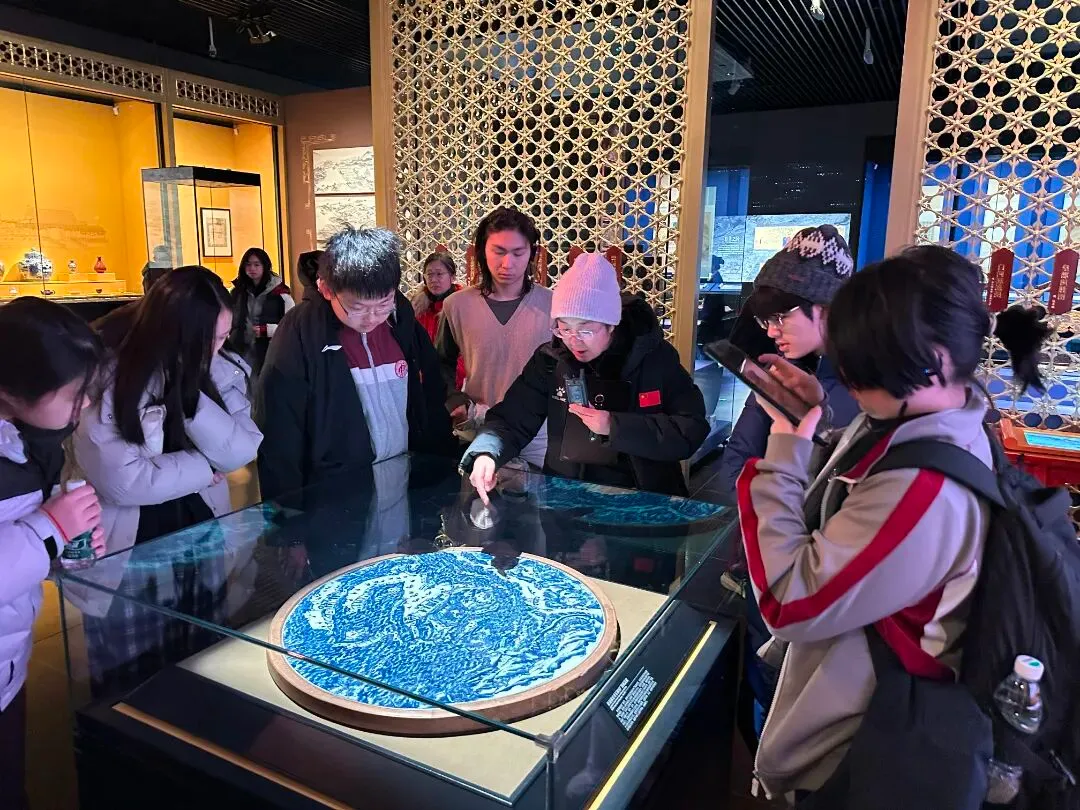
Teams visited the Tongzhou Grand Canal Museum with tasks tailored to their roles. Observing exhibits gave them an initial understanding of the hydraulic system. Product Managers examined visitor interaction, Installation Engineers recorded mechanical structures, and Cultural Experts considered the presentation of history. Back at school, they used the N-7-3-1 method to narrow their preferred topics.
Days 3–4: Independent Field Research
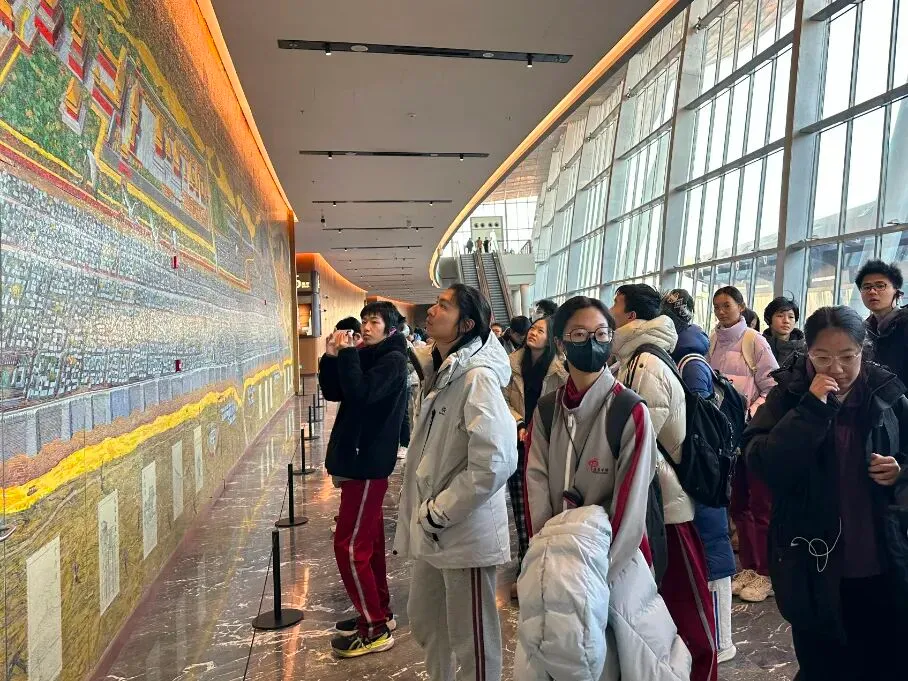
Students planned their own routes to cultural sites, including the Guo Shoujing Museum and China Science and Technology Museum, as well as Grand Canal Forest Park. Product Managers investigated the characteristics of users aged 10–14. Installation Engineers gathered examples of effective designs, and Cultural Experts organized information about the canal's history and hydraulic engineering. Each group assembled its findings into a working body of knowledge.
Day 5: Expert Guidance and Initial Models
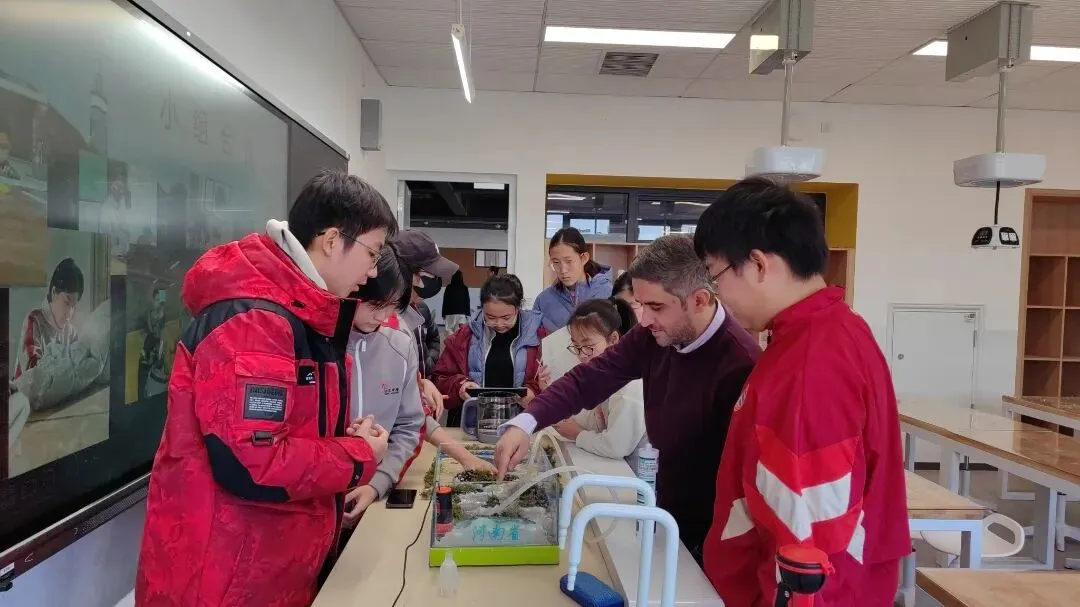
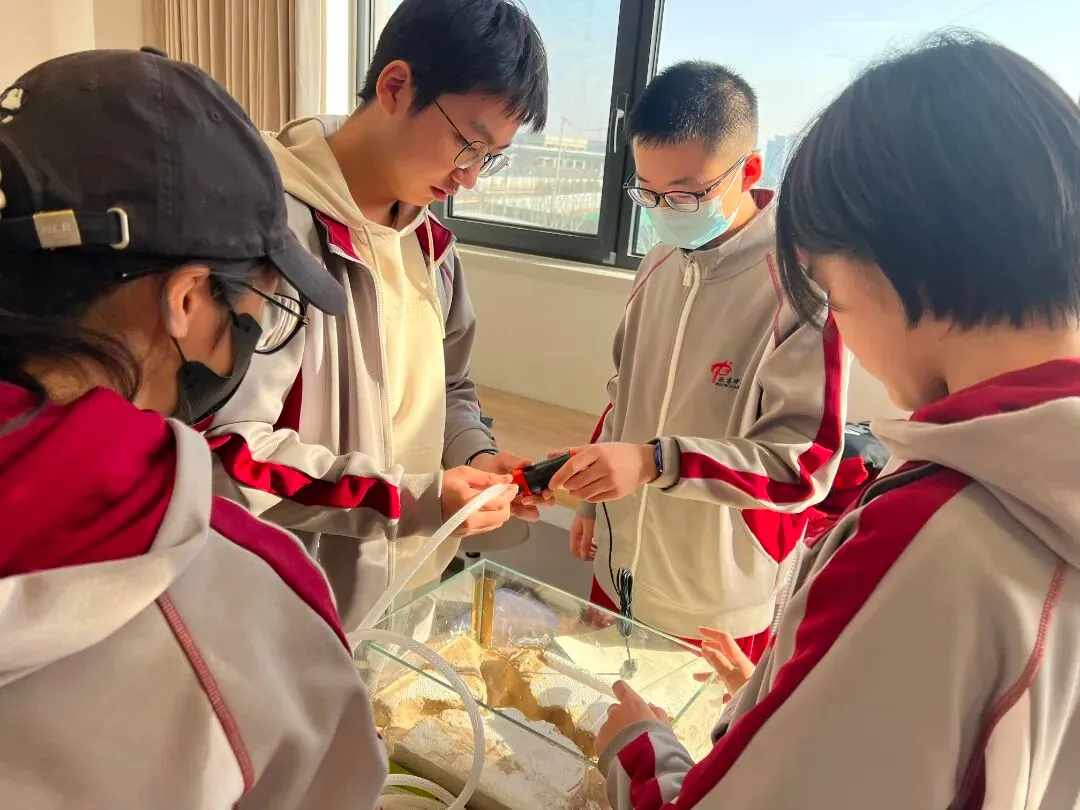
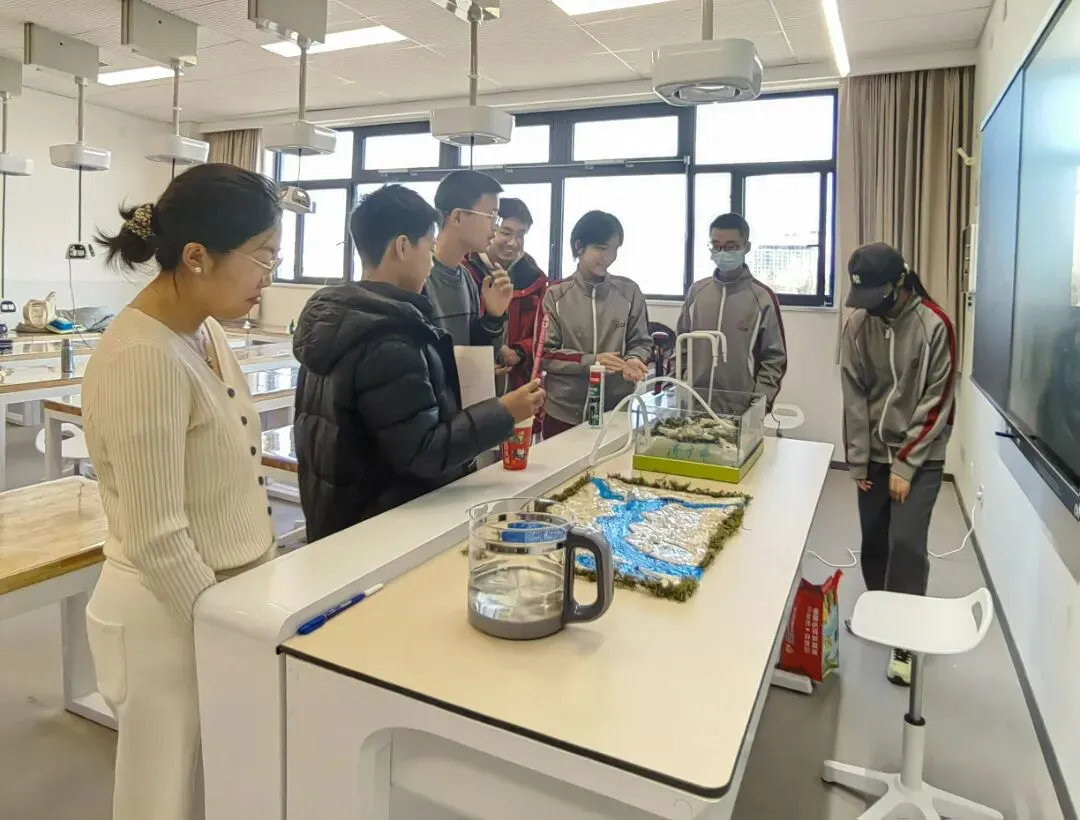
Visiting experts introduced approaches to interactive installation design. In a Fishbowl Seminar, students rotated between inner and outer circles to discuss ideas, using AI tools to organize information. Displays of knowledge and examples, together with user profiles, gradually developed. A Marshmallow Challenge helped students cooperate more effectively.
Day 6: Feedback and Improvements
"A hand crank would make this gate easier to understand!" Feedback from classmates prompted teams to revise their designs. Visiting teachers also offered professional suggestions to improve the installations. Students recorded videos explaining their work.
Day 7: Presenting the Models
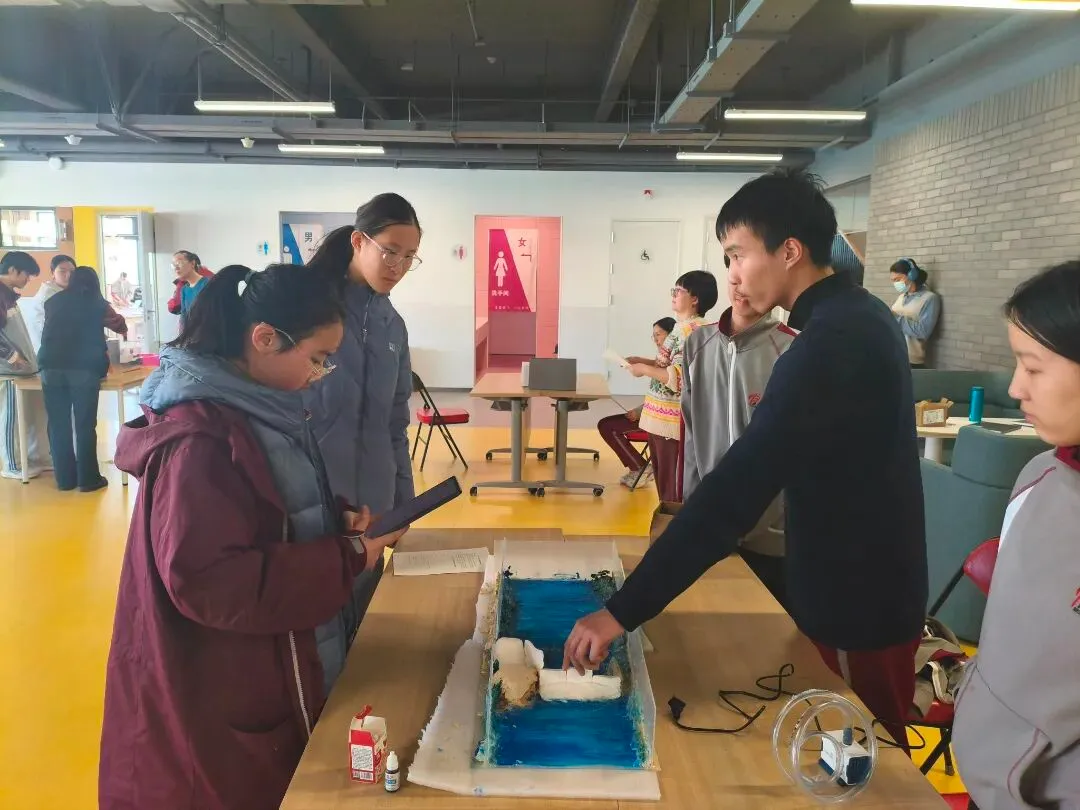
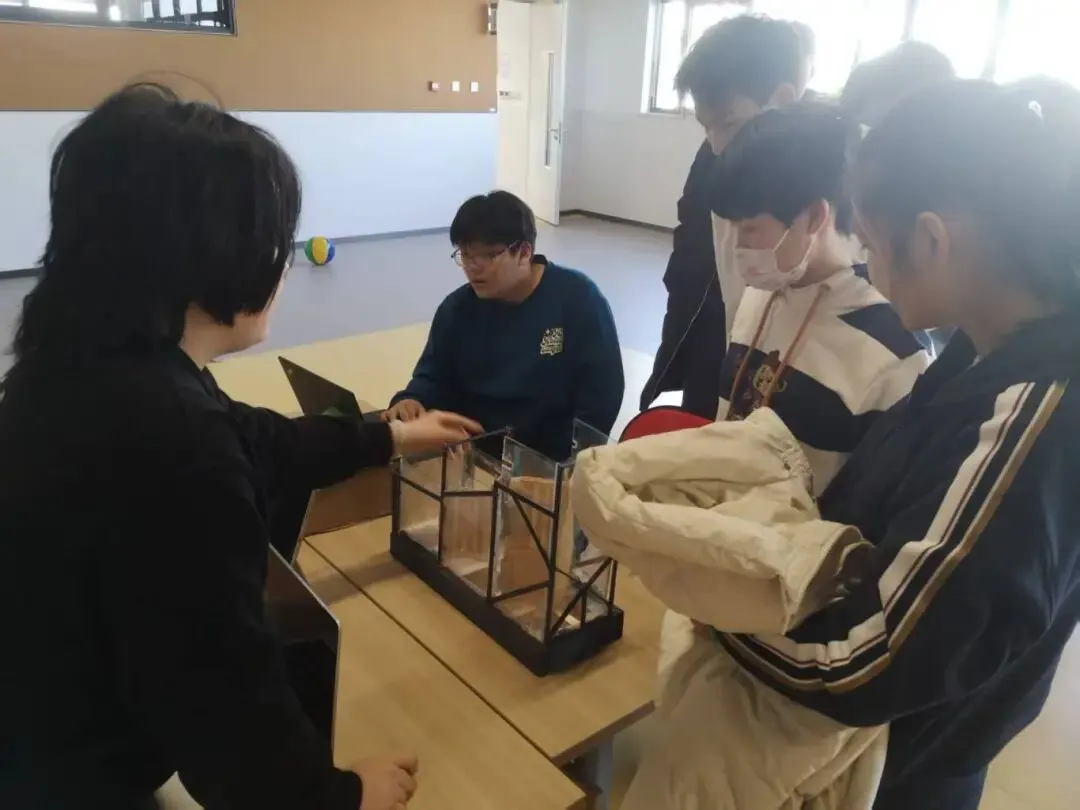
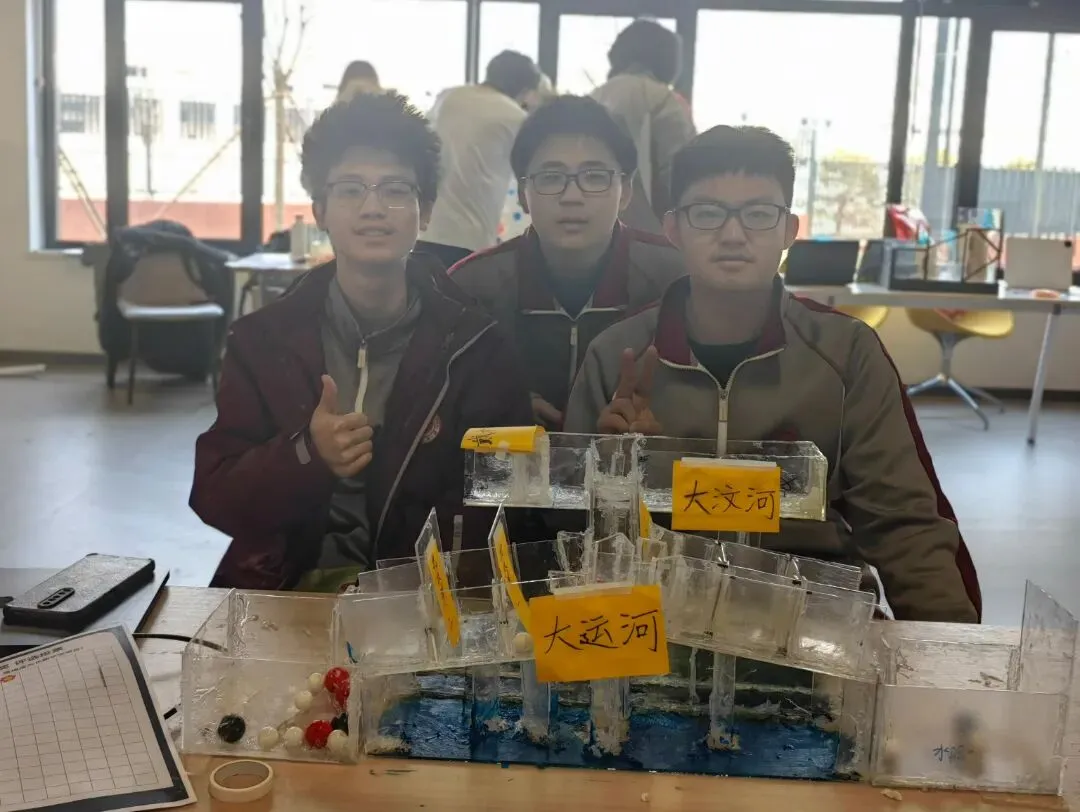
Teams presented their completed interactive models in the exhibition hall, explaining designs and engineering principles to students and teachers, parents and experts. In the final reflection session, they reviewed their development across the seven days and shared what they had learned.
III. Learning Across Disciplines
The project brought together several areas:
- 01 History and Humanities: Examine the canal's role in governance and cultural exchange.
- 02 Engineering and Science: Analyze water-level regulation and systems of gates and dams.
- 03 Technology and Innovation: Use AI-generated content tools to develop designs and improve models.
- 04 Art and Communication: Explain ideas through display boards and presentations, supported by interactive design.
Students practiced solving problems and designing products through their learning.
IV. Teacher and Student Reflections
Over seven demanding days, students expanded their knowledge and developed new abilities. Dividing responsibilities built teamwork, repeated revisions developed engineering reasoning, user feedback deepened understanding of visitors, and presentations increased confidence and responsibility. These abilities support future learning and participation in society.
Guo Manna, Teacher
Our Beijing Culture Exploration Program teams investigated how to design an interactive Grand Canal hydraulic engineering model for middle school students. Starting at the museum, two groups moved from examining the canal's history to constructing models of its engineering. They applied critical thinking beyond their textbooks, connecting hydraulic principles with ecology and history to help explain the canal in a classroom setting.
Both groups demonstrated strong practical abilities and cooperation. One used difficulties observed in the museum to develop an interactive tabletop model connecting ship locks with fish migration, bringing Physics together with ecological observation. The other used questionnaires to identify middle school students' interest in controlling the model themselves. They built a device that lets users adjust water diversion and observe the resulting flow.
I accompanied them as they repeatedly adjusted their models and consulted literature to explain principles. They encouraged one another through difficulties and were delighted when demonstrations succeeded. The canal became something they could investigate directly through their own construction. Seeing this reinforced my belief that students develop their ability to address real problems when they have enough room to explore.
Luo Yunkai
Our Beijing Culture Exploration Program project focused on the Nanwang Water Diversion Hub as we designed an interactive canal model for middle school students. It brought me closer to cultural heritage and developed my knowledge and practical abilities, helping me appreciate historical engineering and teamwork.
Research showed us why Nanwang is known as the Heart of the Grand Canal. Its designers understood local natural conditions precisely. Daicun Dam and the Xiaowen River, together with the Diversion Peak, overcame the difficulty of a canal section whose center was higher than either side. They kept the grain transport route navigable. Historical records and engineering details impressed me and showed why understanding the underlying principles was essential before designing our model.
We focused on Daicun Dam's operation in dry and rainy seasons, designing interactions suited to middle school students. Porcelain clay and foam board inside a glass tank recreated the terrain and channels. We positioned the Diversion Peak and Linglong Dam, along with the reservoir, and used gates to demonstrate replenishing water during dry periods and releasing floodwater during rain. Green landscaping improved its appearance and realism. Our glue-soaked paper gates initially warped and softened in water. Repeated changes to the construction method eventually gave us watertight gates that opened and closed easily. Applying theory required creative solutions and persistence.
Teamwork was essential. We divided the research and exchanged design ideas, then assigned construction roles. Students skilled in reasoning explained the hydraulic principles, practical builders led assembly, and others refined details. When we disagreed, we consulted historical evidence and what the model showed us. We encouraged one another through difficulties. Adjusting the pump required taking turns observing flow and diagnosing problems before it worked. Cooperation improved efficiency and taught me to listen and welcome different ideas. Completing the model together gave us a memorable sense of achievement.
The course deepened my understanding of the canal's heritage and the scientific and cultural dimensions of hydraulic engineering. It also developed my analysis and practical creativity, alongside teamwork. Our miniature model honors historical ingenuity and records our own cultural and scientific exploration.
I will continue investigating Chinese culture and supporting its heritage through practical action, helping others appreciate historical knowledge today.
Zeng Caiyi
I joined the Grand Canal group for a rewarding week of research and construction. Beyond textbook study, I learned directly how lifting gates and miter gates are built. Applying Mathematics and Physics helped me understand their operation in practical settings. We chose our topic and gathered information, built and decorated the model, then explained our ideas to experts. The whole process was enjoyable and demanding. When we encountered difficulties, Teacher Liu and older students patiently offered ideas and practical guidance. Teacher Dai and Teacher Ren followed our progress and encouraged us. I gained a direct understanding of canal engineering and improved my practical abilities. I value this opportunity and thank the teachers for helping us learn so much in a relaxed atmosphere.
Gong Zheng
Our completed ship-lock model stood securely on the exhibition table, its gates opening and closing smoothly. As its designers, we knew its limitation: it demonstrated only a modest difference in water levels, compared with the dramatic differences shown in textbooks.
That initially worried us. Raising the upstream tank caused leakage beyond a certain height, even at carefully joined seams. Changing the gate thickness also revealed the limits of the wood. During these adjustments, we found a Yuan-dynasty grain transport record stating, "The difference in level at a lock should be at most three chi; anything greater is dangerous." It clarified our thinking.
Historical engineers had sought safe, controllable differences in level. Large differences could create substantial leakage and structural stress in systems built mainly from wood and stone. Their achievement was finding the balance between effective operation and what the structure could support.
Our model reproduced this historical detail. As the water levels gradually aligned over a limited height, the gate opened easily. Visitors could understand the principle of opening a gate once the water is level and see how earlier engineers deliberately chose a reliable, sustainable system.
Working within these limits gave our model a stronger connection to historical practice. It demonstrated an engineering principle: understanding physical constraints can lead to elegant, dependable designs.
Building the model also gave me a new way to understand Beijing's culture. Its balance and adaptability developed within historical constraints. Hutong courtyards and imperial gardens, street vendors' calls and court music coexist in the city. Limited space and resources have supported varied ways of life and rich cultural traditions. Our lock helped us appreciate the possibilities people create within constraints, a perspective we associate with Beijing and China more broadly.
The Grand Canal remains part of China's living cultural heritage. Through practical work, students developed a direct connection with it. Building models and explaining history, alongside responding to questions through design, made its culture accessible and open to further interpretation. Learning became tangible through the connection between knowledge and practical creation.
Seven days gave students time to create initial prototypes and develop a deeper appreciation of a millennium of canal engineering.
Beijing Academy will continue its cultural exploration through practical learning.