
BA Lectures | Critical Thinking in the Digital Age
On the afternoon of March 31, BAID's BA Lectures welcomed Mr. Chow Songxin, Editor-in-Chief of the South China Morning Post, and Ms. Lu Kexin, Corporate Communications Advisor at the World Bank Group and a former Associated Press reporter. They discussed digital literacy and critical thinking for high school students in a global context, helping students develop media literacy and global competence.
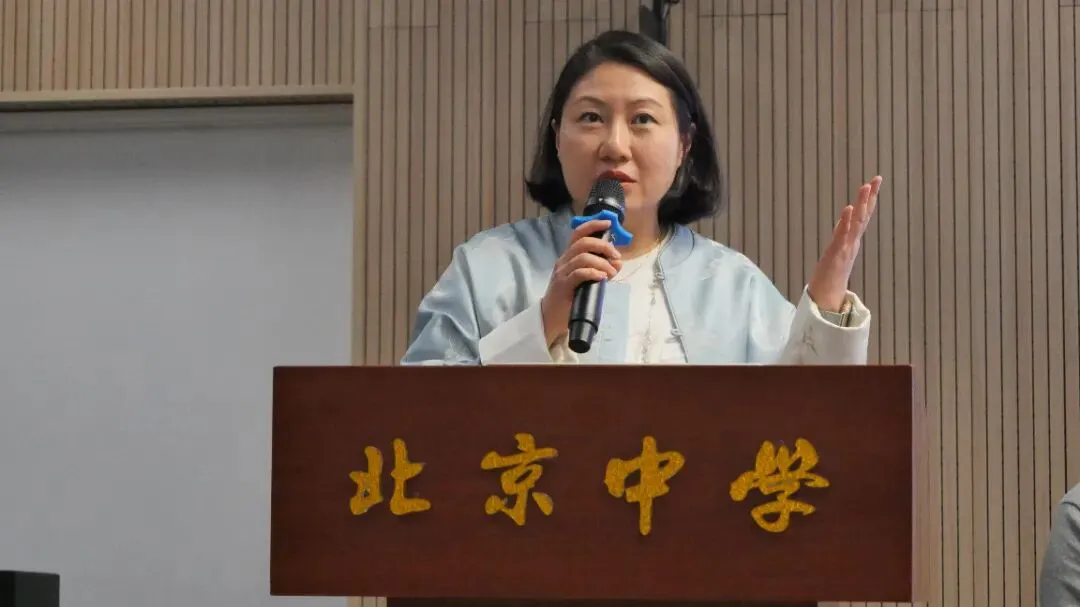
The talk began by examining how technological change affects the information people encounter. Drawing on decades of reporting, including their coverage of SARS and COVID-19, the speakers explained four critical thinking abilities: identifying problems in information, recognizing bias, checking accuracy and using digital technology responsibly. With AI-generated content increasingly widespread, comparing sources and tracing claims to their origins are essential habits.
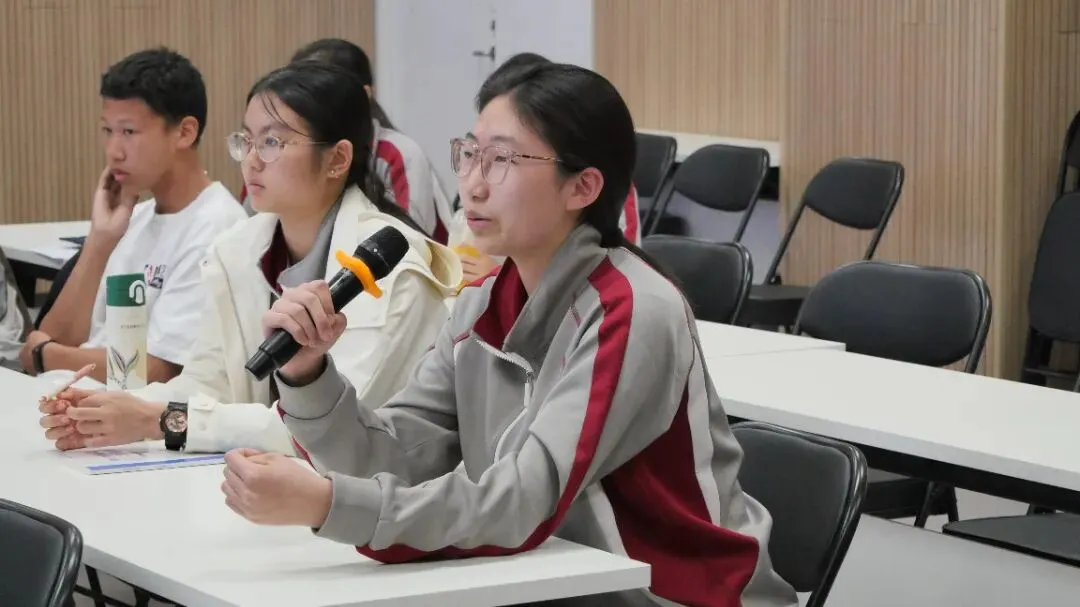
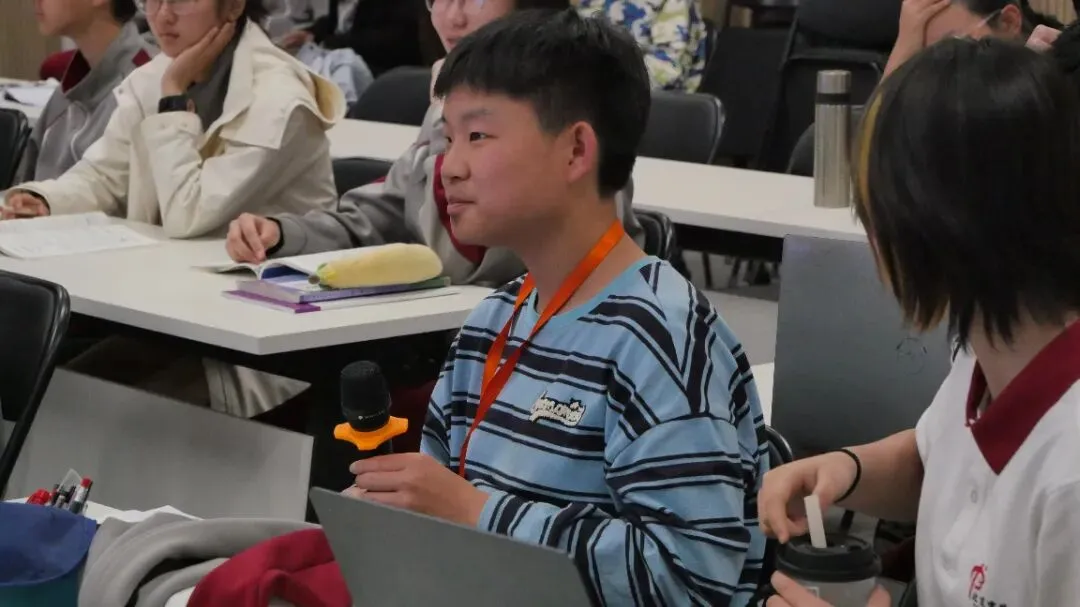
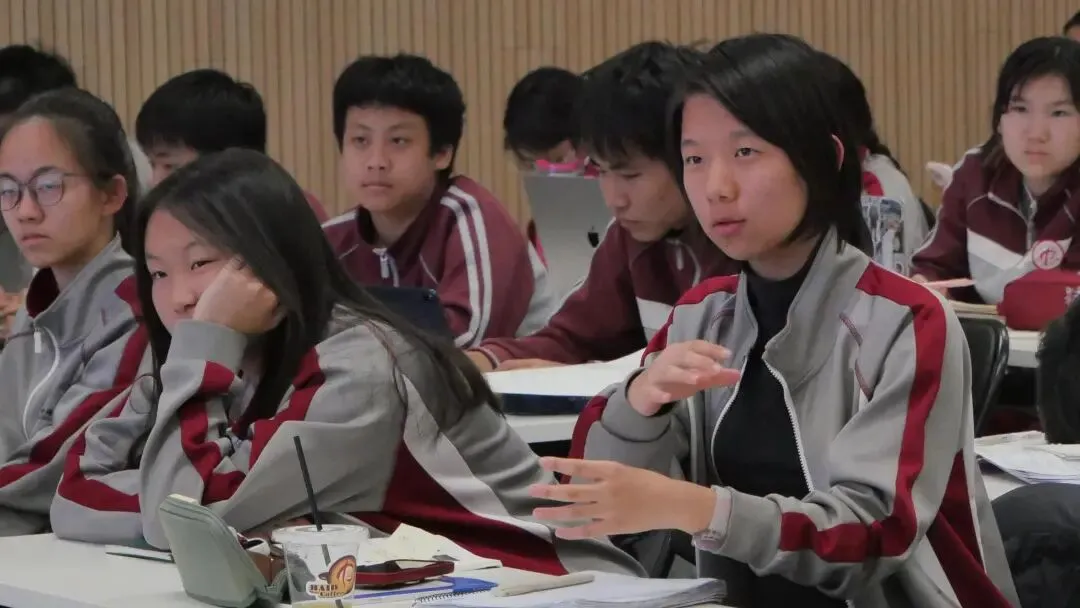
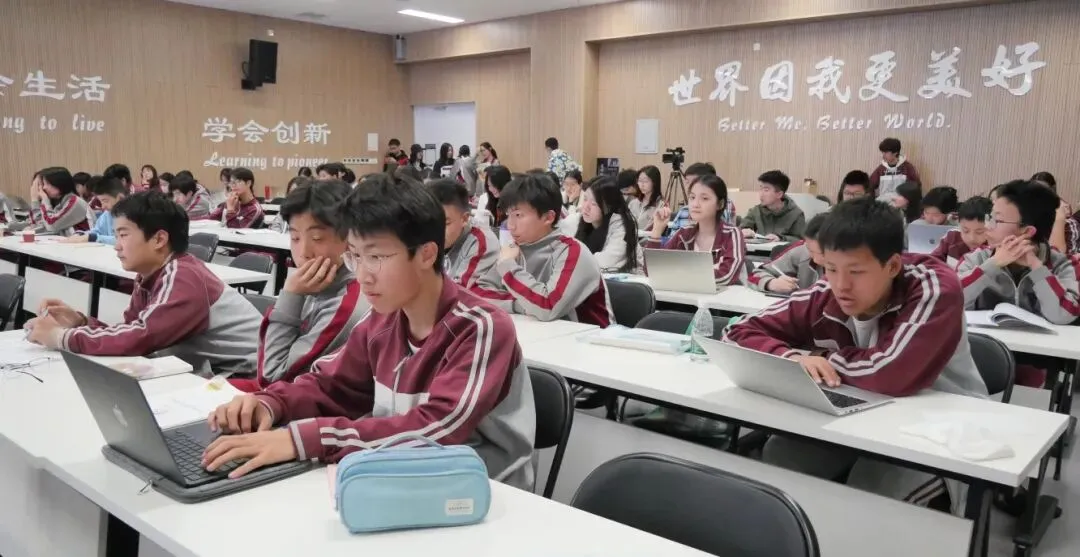
Students listened closely and took notes. In the lively question-and-answer session, they asked how to judge the reliability of facts supplied by AI and decide which accounts to trust when reports take different positions.
The ninety-minute session ended with applause. The speakers emphasized critical thinking as a skill for academic work and citizenship in the digital age. Careful judgment and awareness in everyday decisions can express the school's commitment to Better Me, Better World.
Student Reflections
Min Kangni
With so much information available, how do we judge its accuracy and value? The BA Lecture gave me an approach: gather information from a wider range of sources, then examine it carefully. I learned to look for reliable, relatively balanced publishers. American news organizations, for example, may report the same event very differently. My understanding from the talk was that their political positions influence their coverage. I associated progressive reporting with sometimes subjective interpretations and conservative reporting with greater alignment with government positions, leading me to place more trust in sources I considered neutral. I also learned research methods, including how to choose participants. The session gave me much to consider.
Zhang Xinran
I had given little thought to how habitual browsing could replace active thinking. By examining accurate and misleading information in everyday situations, the talk gave me a new understanding of how we process what we encounter. Our perspectives influence us from the moment we receive information. The way information is communicated and values are expressed includes subjective choices, and our criteria for evaluating those choices also reflect our perspectives. We can gather different accounts and examine their sources carefully, ask questions and verify claims. Responsible decisions about what we accept and share can help us seek a more objective understanding. As AI makes information more accessible, its quality varies widely. The lecture reminded me to think independently and assess accuracy carefully, developing judgments I can support with reasoning.