Experts Support BAID's Research on Global Competence and Interdisciplinary Teaching
In 2025, the Beijing Municipal Education Science Planning Office approved BAID's Research on Curriculum Design and Implementation Based on the Cultivation of Global Competence in High School Students as an annual municipal research project. It supports international education and varied high school pathways, helping students develop global competence. BAID also participates in the Chinese Society of Education sub-project Research on the Practice of Interdisciplinary Curriculum Based on Global Competence Cultivation. Both projects completed their proposal defenses in October 2025 with guidance from municipal and district experts.
Over the following months, BAID invited specialists and scholars to advise teachers on the projects. The series connects research with academic development and teachers' professional learning, supporting deeper inquiry into classroom practice.
Classroom Practice and Interdisciplinary Learning
In December 2025, BAID welcomed researcher Liu Ling from the Beijing Academy of Educational Sciences, where she specializes in experiential learning. She also leads the Chinese Society of Education project Research on the Teaching Evaluation of Interdisciplinary Learning. English teacher Li Yunru opened the session with an interdisciplinary EFL lesson, How Money Made Us Modern. Interactive activities connected language study with the history of currency, introducing broader international perspectives through a language course.
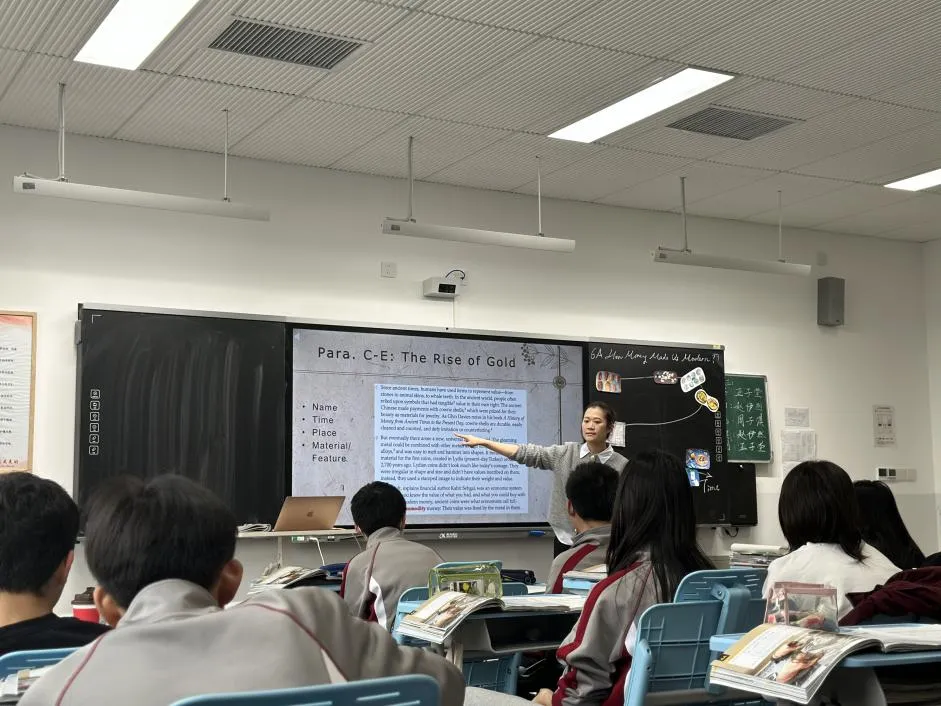
Liu Ling praised the lesson's innovative and practical design and offered detailed suggestions on delivery and adapting to students' needs. Research group teachers then reported progress in AP courses and experiential learning through Beijing Culture Exploration Program, alongside distinctive school courses.
Drawing on BAID's particular approach, Liu Ling suggested two main ways to develop global competence: incorporating it into regular lessons and conducting interdisciplinary project research. Both connect academic learning with broader abilities and provide direction for further work.
Li Yunru's Reflection
Teaching L4 6A How Money Made Us Modern? and hearing the feedback helped me reflect on my practice. The lesson traced the text's account of currency from ancient clay tablets to virtual money. Students organized the information using categories for names and dates, locations and materials or characteristics, functions and effects. Comparison tables such as Ancient Money vs. Coins helped them begin to understand money's symbolic significance and transferability. I planned a short debate on whether money made us modern or we made money modern; time constraints meant moving it to the second lesson. The design nevertheless established a progression from organizing historical information to critical discussion.
The PBL feedback gave me a clearer approach to developing the lesson. Liu Ling suggested using financial history as the basis for small projects that encourage deeper thinking. I could, for example, ask students to promote a particular currency and explain its advantages, helping them explore its social and economic context. This lesson focused on structured reading, and the feedback showed how I could extend it into an inquiry project. It gave me a valuable opportunity to examine my teaching.
Developing the Curriculum
In January 2026, Director Wang Di and Deputy Director Wang Lingling, along with Deputy Director Chen Lei from the Chaoyang District Institute of Educational Sciences, visited BAID. They toured the MFP exhibition on the UN Sustainable Development Goals and the recently completed Beijing Culture Exploration Program exhibition. They praised the range and organization of the curriculum and its practical innovations in PBL and student development.
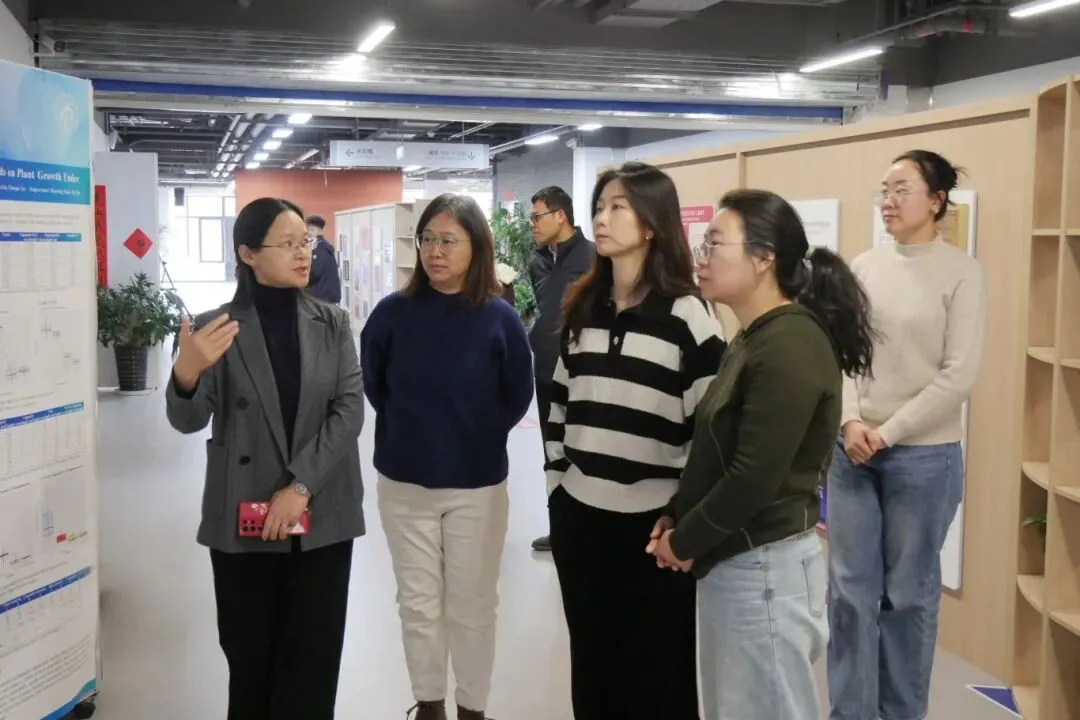
Teachers reported on interdisciplinary work in AP courses and Beijing Culture Exploration Program, followed by distinctive school courses using STEAM as an example. The experts praised the way the school connects national and international curricula. They emphasized aligning course design with national curriculum standards and students' core abilities, connecting global competence with local cultural traditions. An international outlook and commitment to one's country can develop together.
The experts also explained how the projects relate to recent national education policies and priorities. They encouraged teachers to submit teaching case studies for evaluation, using these opportunities to deepen research and improve teaching. Their guidance gave teachers space to exchange ideas and clarified directions for course design and implementation.
Research Theory and Methods
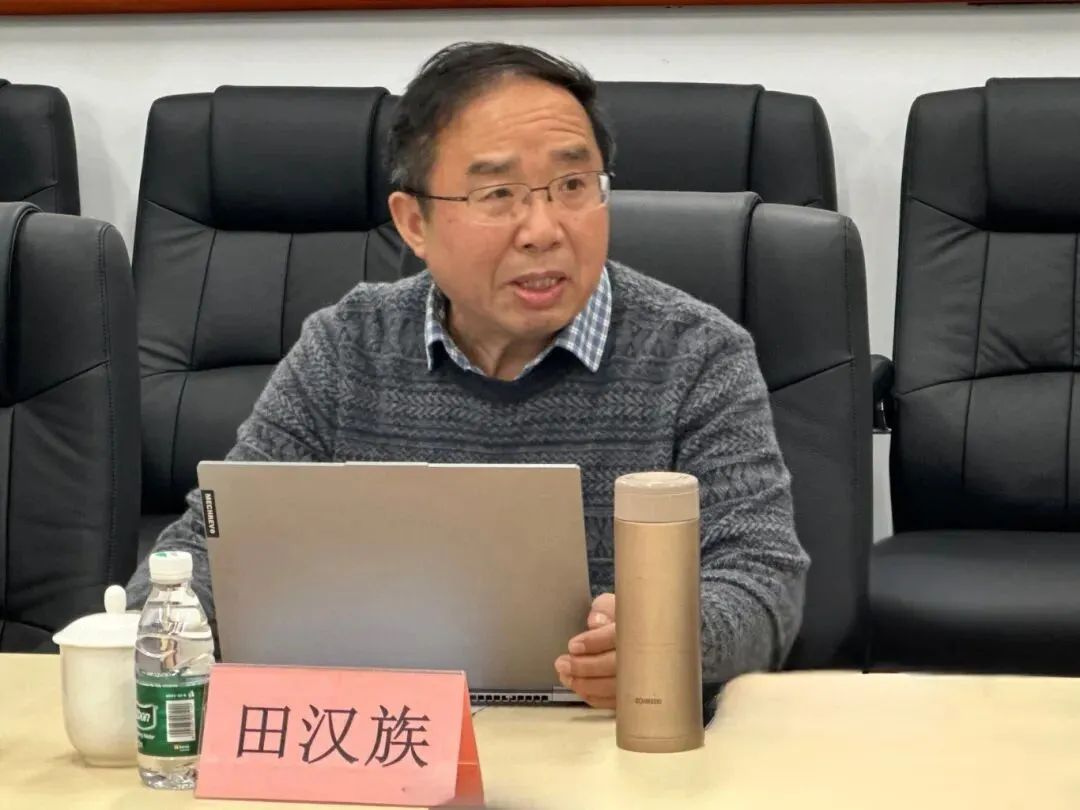
At the end of January 2026, Professor Tian Hanzu of Capital Normal University provided research training for the full project team. He examined global competence in the context of current educational developments. It describes the ability of individuals or organizations to apply knowledge and skills, attitudes and values to global issues or situations across cultures. Its dimensions include understanding and emotional engagement, alongside action.
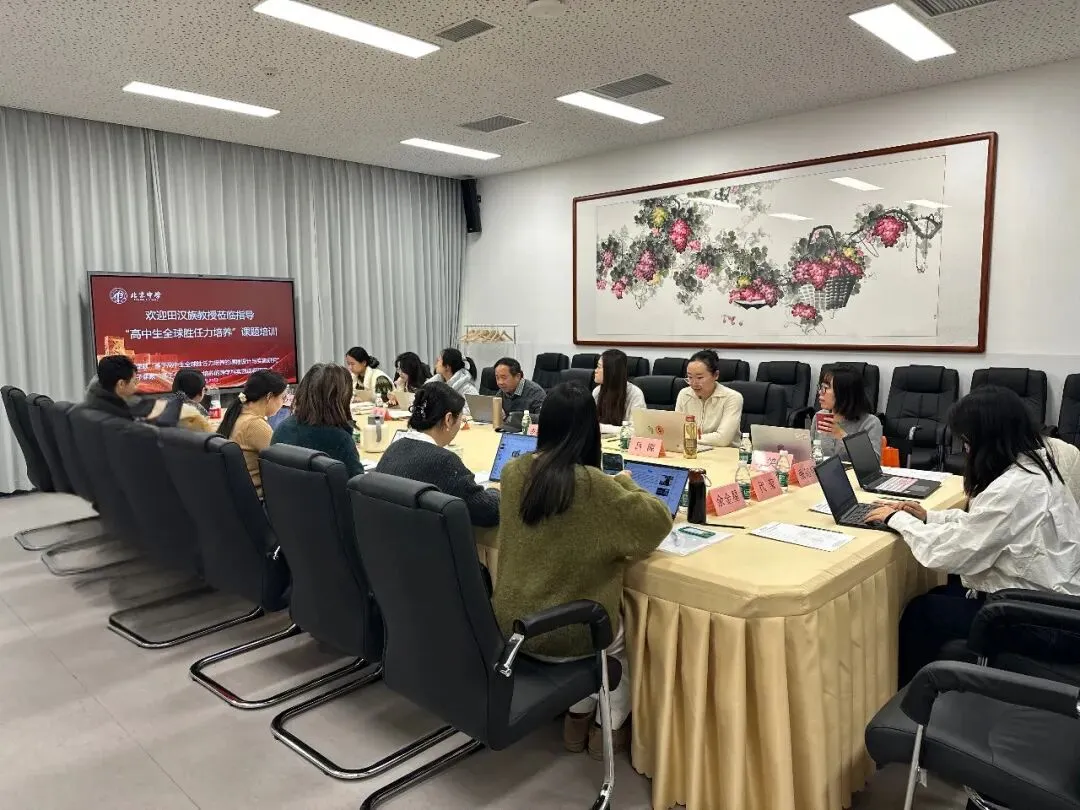
Professor Tian drew on his research experience to advise teachers on planning each stage and gathering evidence of results. He emphasized specific methods and practical tools, proposing approaches suited to BAID's AP and distinctive school courses, as well as experiential learning. The session clarified priorities and procedures, deepened teachers' understanding of global competence in high school and identified ways to develop and evaluate it in teaching.
The expert series supported the project through classroom practice and curriculum development, theoretical explanation and research methods. The team will apply its findings in teaching and continue the global competence curriculum study. Refining courses and teaching approaches will help students develop an international outlook alongside a commitment to their country, while strengthening education at BAID.