University of Oxford and University of Cambridge Scholars Visit BAID for an Academic and Cultural Exchange
On April 3, BAID welcomed Dr. Rebecca Simpson of the University of Oxford and Dr. Nikolas Markozanis of the University of Cambridge as part of the 2026 China–Foreign Basic Education Cooperation and Innovation Conference and Oxford and Cambridge Students' China Tour. Accompanied by school representatives, they met students and teachers, along with parents. A campus tour and cultural activities, followed by talks and a roundtable discussion, offered opportunities for conversation and reflection.
Exploring the Campus
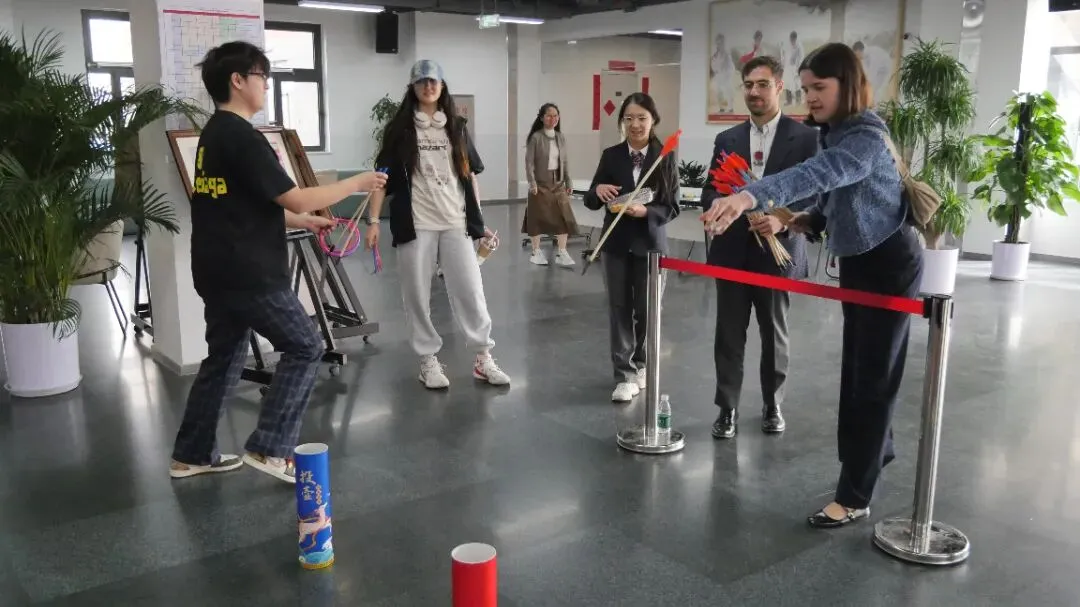
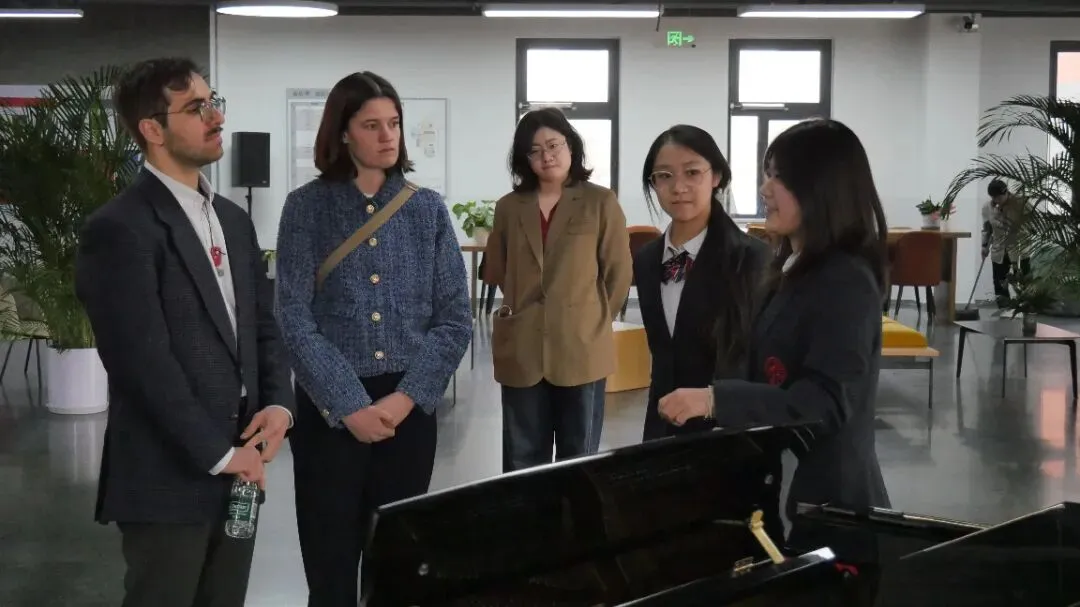
Student representatives An Yuehan and Yang Jiayu guided the visitors around campus, introducing the school's history and stories, as well as everyday student life. The guests praised the combination of academic engagement and scientific creativity. With the Vernal Fair underway, they also enjoyed traditional ring toss and pitch-pot games, experiencing Chinese customs through play.
Learning Traditional Paper Cutting
Art teacher Lyu Yuan led a traditional paper-cutting lesson for the visitors. Practicing this art, recognized as intangible cultural heritage, gave them a closer understanding of Chinese culture and aesthetics.
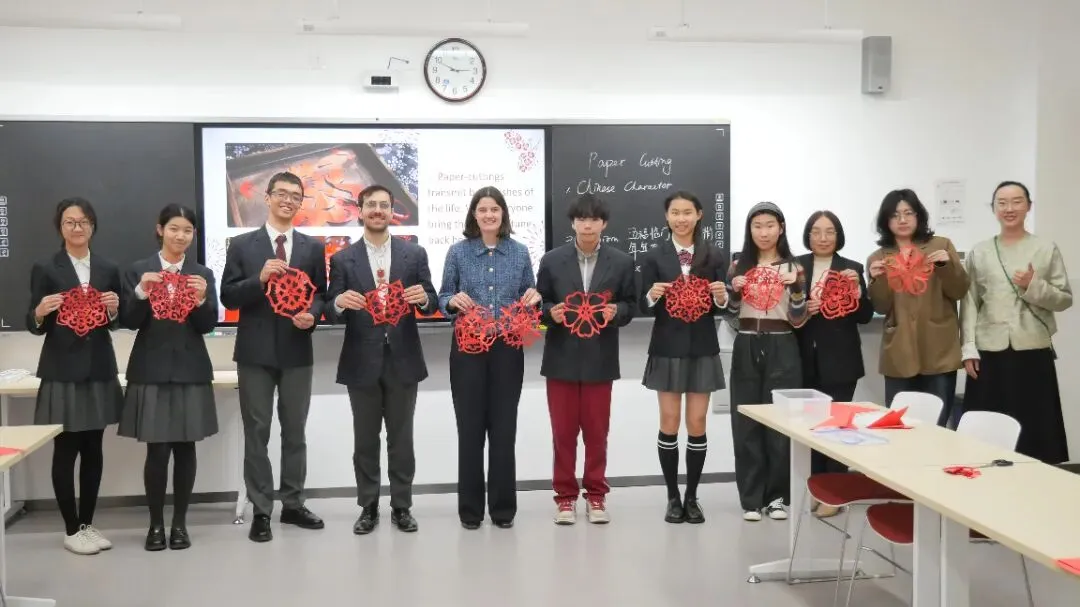
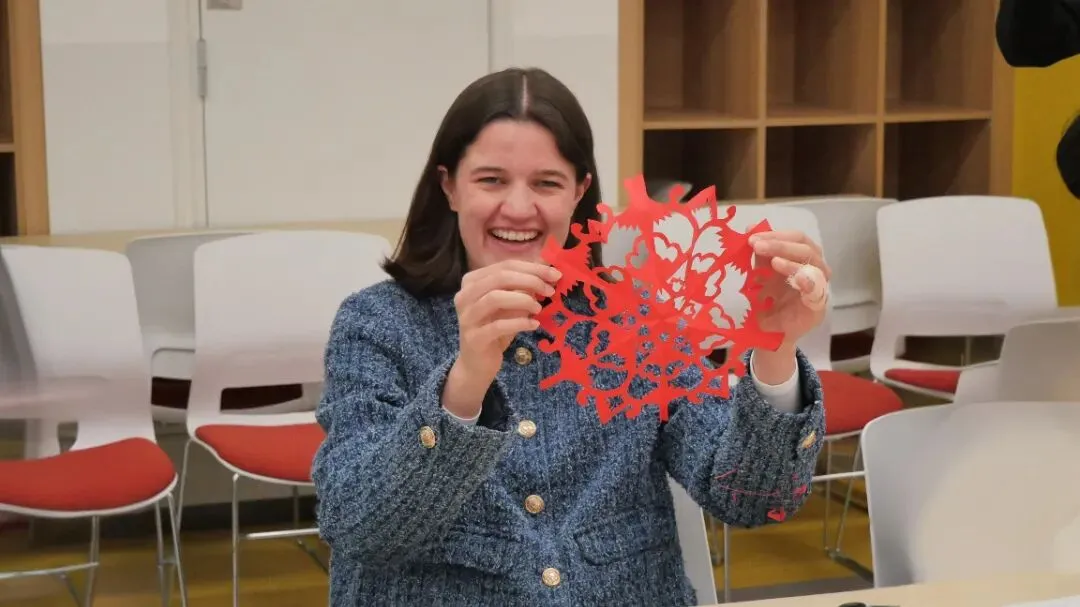
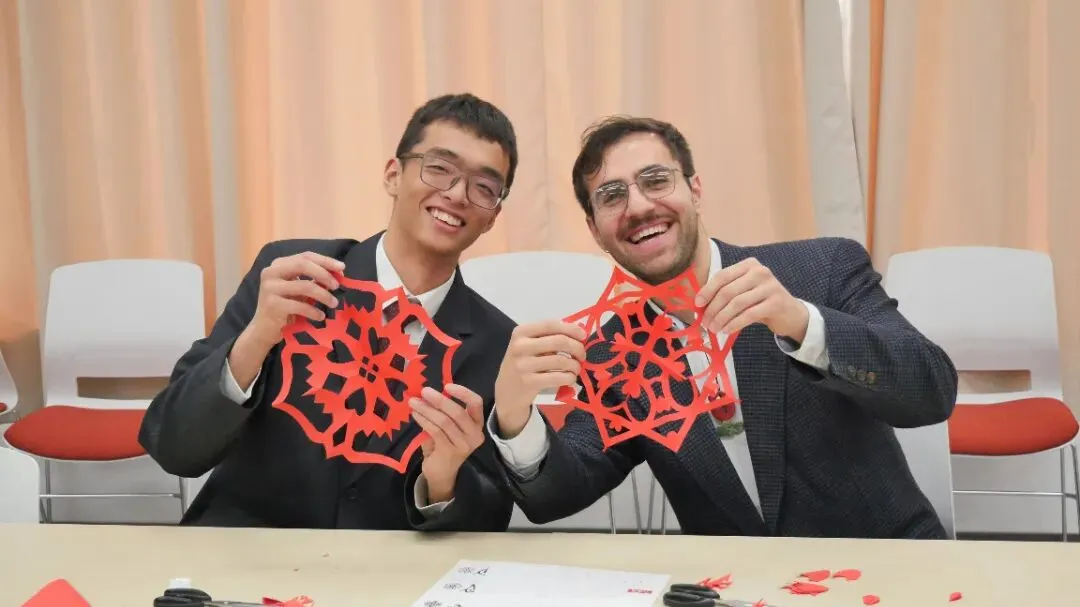
The lesson introduced auspicious symbols, including fu, meaning good fortune, and wufu linmen, a wish for five blessings to arrive at one's home. Lyu Yuan explained the history of paper cutting and the meanings of its designs. The two visitors listened carefully, then folded red paper and cut out intricate patterns. Making their own works helped them appreciate the aesthetics and cultural significance of the craft.
Research and Life at Oxford and Cambridge
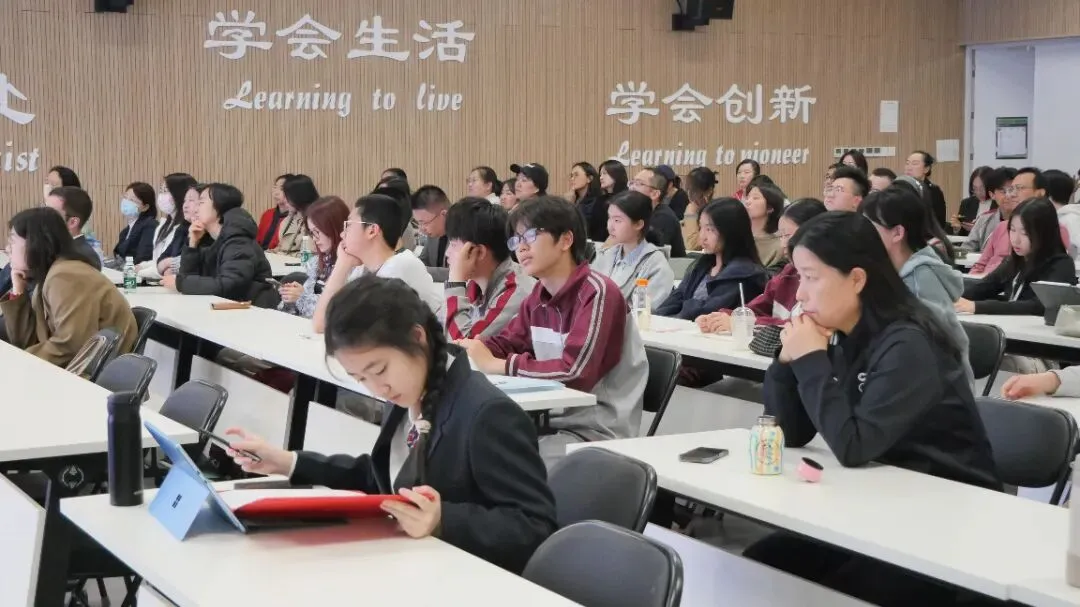
Nearly 100 students and teachers, along with parents, attended the talks. Student host Ma Zihan introduced the speakers before their presentations.
Dr. Rebecca Simpson spoke about her personal development and life at Oxford, alongside her research and career choices.
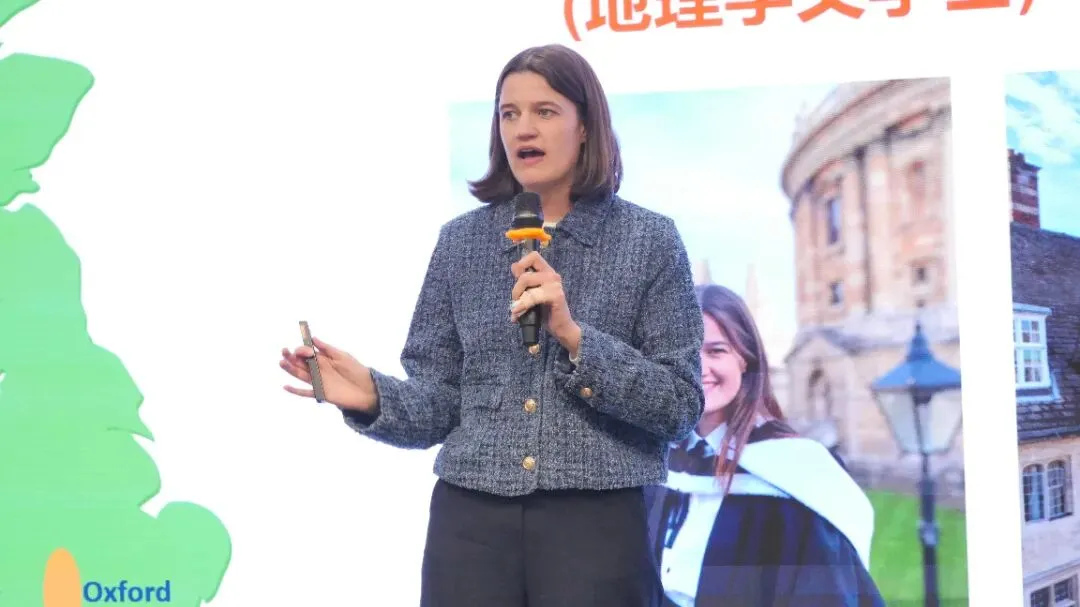
Rebecca grew up in Devon, a coastal county in the United Kingdom, and studied Geography at Oxford. She took part in a cultural exchange in New Delhi, India. From 2021 to 2024, she worked in London as a management consultant in the insurance industry. Her current research applies machine learning to weather prediction. In September 2025, she completed a climate and environment research project at Norway's NORCE Research Center.
Rebecca explained how AI algorithms can build weather prediction models and how large-scale data analysis improves the identification of extreme weather and extends forecasting lead times. She outlined data processing and model training, followed by validation in different scenarios. Applications in weather-related disaster warnings and climate research showed how advanced technology can address everyday challenges.
She also compared Oxford and Cambridge, explaining Oxford's three-term calendar and individual tutorials, as well as its collegiate structure. Academic gowns and formal dinners, together with student societies and international exchanges, gave the audience a fuller picture of the university's traditions and daily life.
Drawing on her experience, Rebecca encouraged students to explore different subjects and discover their interests. She recommended building relationships and actively seeking opportunities for study and research. A STEM background and experience at a top university, she noted, can lead to careers in research and policy, among other areas including education.
Dr. Nikolas Markozanis of Cambridge, a researcher in stem cell biology, followed with a talk on his academic development and research, alongside university life.
Originally from Athens, Greece, Nikolas studied Biomedical Science at the University of Sheffield, combining theoretical study with laboratory work. He participated in a cancer biology summer research program and received a scholarship. His advice for undergraduate study included taking good notes and working attentively, developing interests beyond academics and valuing collaboration, with careful attention to detail.
Nikolas explained the connections among gene expression and mutations, and the development of disease. He compared DNA to written text and genes to sentences to make the concepts accessible. Working at Cambridge's Gurdon Institute and the Wellcome–MRC Cambridge Stem Cell Institute, he studies colorectal cancer mutations and intestinal stem cells, using techniques including lineage tracing. Organoid models and fluorescent labeling help him investigate how mutated cells grow, contributing to research on cancer prevention and treatment.
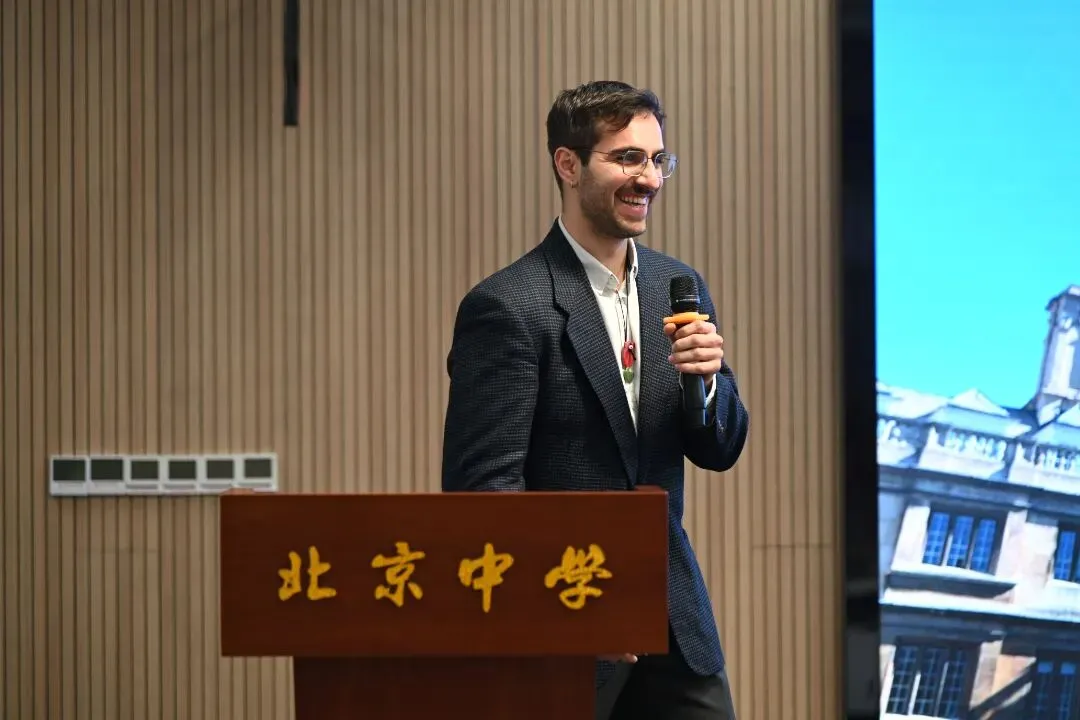
Nikolas also described everyday life at Cambridge. College and campus activities add enjoyment to demanding academic work. Traditional formal dinners offer opportunities for cultural exchange, while croquet and academic talks, along with quiz events, provide varied activities. He also enjoys yoga and outings for ice cream, and runs a podcast interviewing professors from around the world.
For managing Cambridge's demanding workload, he recommended using a calendar and keeping track of deadlines. Students should find working habits that suit them; he prefers studying at night. He also emphasized physical and mental health, spending time with other people and taking breaks. When under pressure, students can seek help from friends and supervisors, as well as their college, to maintain a healthy balance.
For future careers, he encouraged students to follow their interests and explore opportunities through practice, while maintaining their curiosity about science.
Questions and Discussion
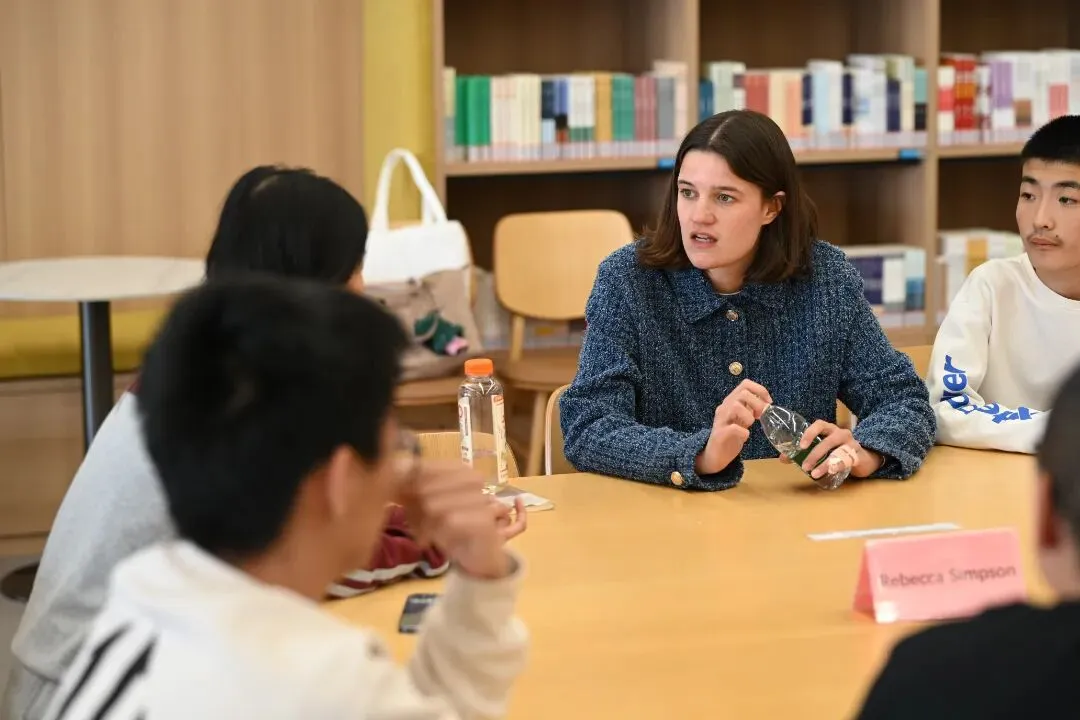
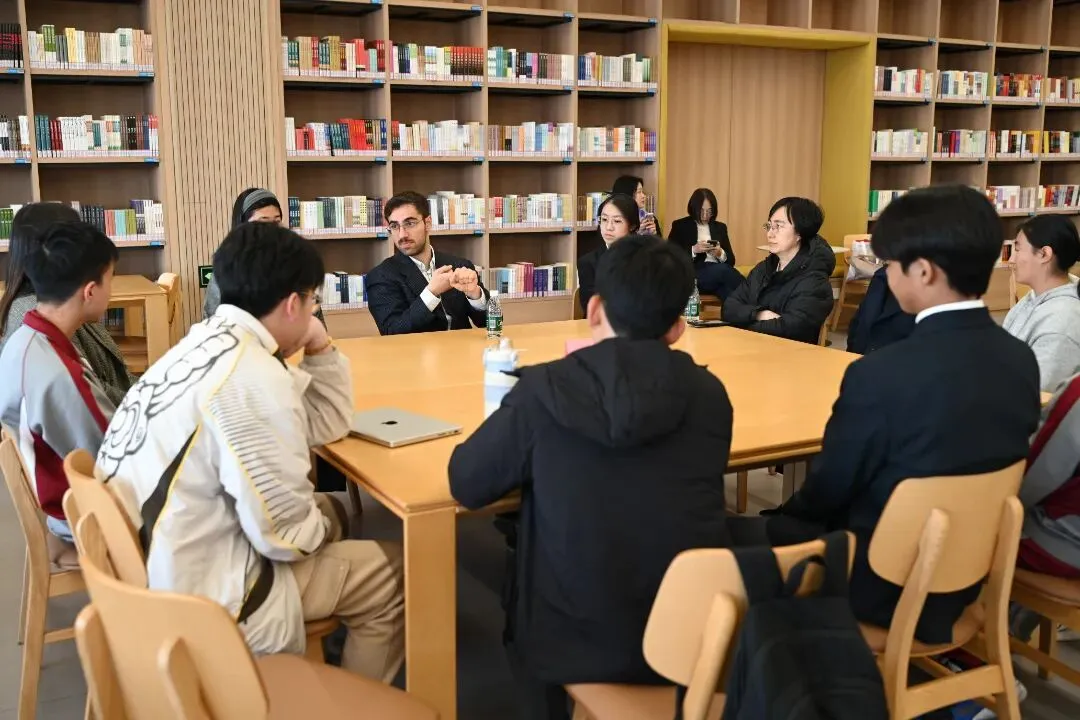
Students and parents asked about adjusting to university and interdisciplinary study, balancing academics with daily life and finding internships, as well as future industry opportunities. Both speakers offered practical advice and reflections on personal development. They were impressed by students' communication across cultures and critical thinking, together with the depth of their questions.
Student Reflections
Feng Yancheng
As someone whose first language is also different from English, I connected strongly with Dr. Nikolas Markozanis's talk. When thinking about universities, I have often been influenced by famous names and overall rankings.
His talk helped me consider a university's overall reputation alongside its strengths in my intended subject. My ideal university would combine a strong general standing with substantial academic resources and advanced research in the field I want to study.
A university can rank highly overall while having fewer advantages in a particular subject. Another can offer exceptional resources and research experience in a specialized field. I should consider reputation alongside the depth of work in my chosen subject, giving particular attention to the environment that suits my long-term development.
Lei Taiyang
Hearing the visitors describe research in Biology and Geography gave me a clearer sense of its demands and rigor. They patiently answered our questions and shared study approaches and research experience, together with advice on managing our mindset. I came to appreciate curiosity and perseverance alongside academic results. They also emphasized learning across disciplines, explaining how ideas from different fields can lead to innovation. I want to broaden my knowledge and consider questions from several perspectives. The event deepened my understanding of research and personal development.
Wang Manting
I had associated Oxford and Cambridge with tradition and academic rigor, and imagined life there as highly structured. Rebecca Simpson's work in AI and environmental research, together with Nikolas Markozanis's stem cell research, introduced me to their wider academic communities. Students from different countries exchange ideas freely and discuss research deeply. The atmosphere combines serious scholarship with relaxation, and established traditions with intellectual freedom.
After the talks, I joined a small-group conversation with Nikolas in the library. I told him honestly about my doubts while studying Biology. My initial fascination with life had become harder to sustain amid Latin terminology and abstract theory. Competition and changing interests had also led me to question myself. He helped me examine what these difficulties could reveal. Interest in a subject develops as we explore and identify the areas that engage us most. The parts I find difficult or resist may help me understand which direction suits me. I began to consider my studies more rationally and with greater patience toward myself. Uncertainty can be part of developing a clearer understanding. His experience helped me see a way to explore Biology and regain confidence.
The talk broadened my outlook and renewed my sense of purpose, giving me clarity and confidence.
The visit introduced students to life and research at top universities and prompted further reflection on international education and college counseling.
Oxford and Cambridge emphasize academic inquiry and independent thinking, alongside connections across disciplines. The speakers' experiences showed how curiosity and rigorous research training, together with creative exploration, support academic development. These are qualities Beijing Academy hopes to develop in its students.
Both speakers stressed study methods and time management, mindset and physical and mental health. Their advice reinforced the importance of helping students find approaches suited to them, plan their work and seek support when needed. Education can help students manage pressure and develop both academically and personally.
Academic exchanges can broaden students' international perspectives and encourage enthusiasm for research. Beijing Academy will continue connecting students with international educational opportunities and varied exchanges. These will support their research abilities and critical thinking, helping them pursue their academic interests as they prepare for top universities.