Beijing Academy Hosts KingLead 2026 Nobel Innovation Forum and World Science and Technology High School Conference
On March 28, 2026, Beijing Academy hosted the KingLead 2026 Nobel Innovation Forum & World Science and Technology High School Conference. Organized by KingLead with the Western Association of Schools and Colleges (WASC) as a strategic partner, the event shared experience and practical achievements with schools worldwide developing science and technology education.
The forum brought together Nobel laureates and leading scholars, international accreditation bodies and school principals, along with more than 100 international school representatives. Participants explored standards and practical examples aligned with international expectations. Drawing on experience in China, they sought to agree on shared goals and connect resources to support science and technology high schools with both a Chinese identity and international outlook.
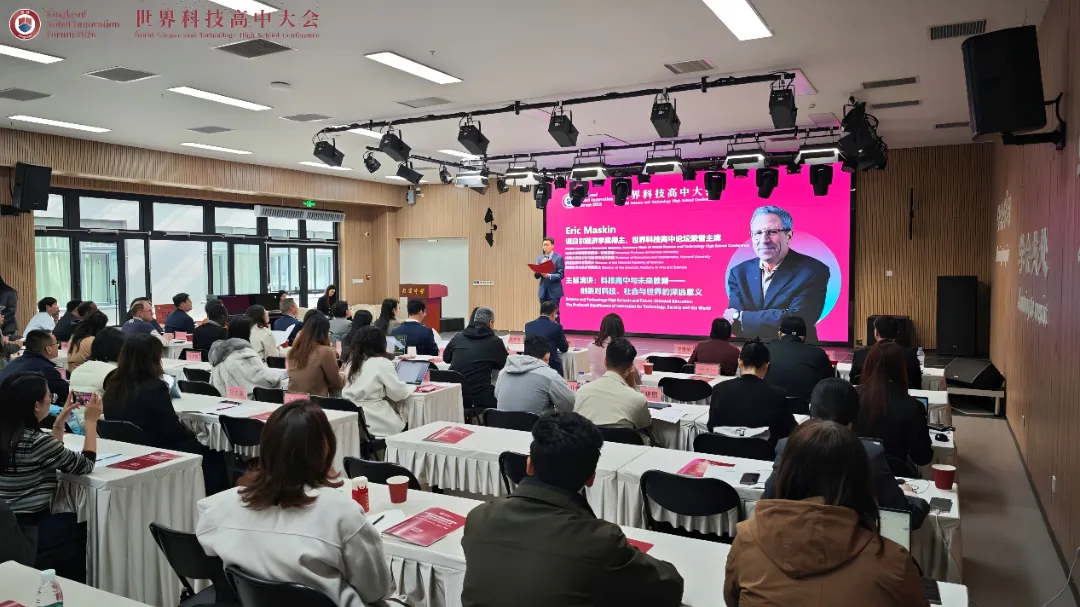
I. Opening Address: Shared Goals for Science and Technology Education
Xia Qingfeng, Party Secretary of the Beijing Academy Education Group and Principal of Beijing Academy, opened the forum. He welcomed the guests and thanked KingLead and the other partners for their trust and support.
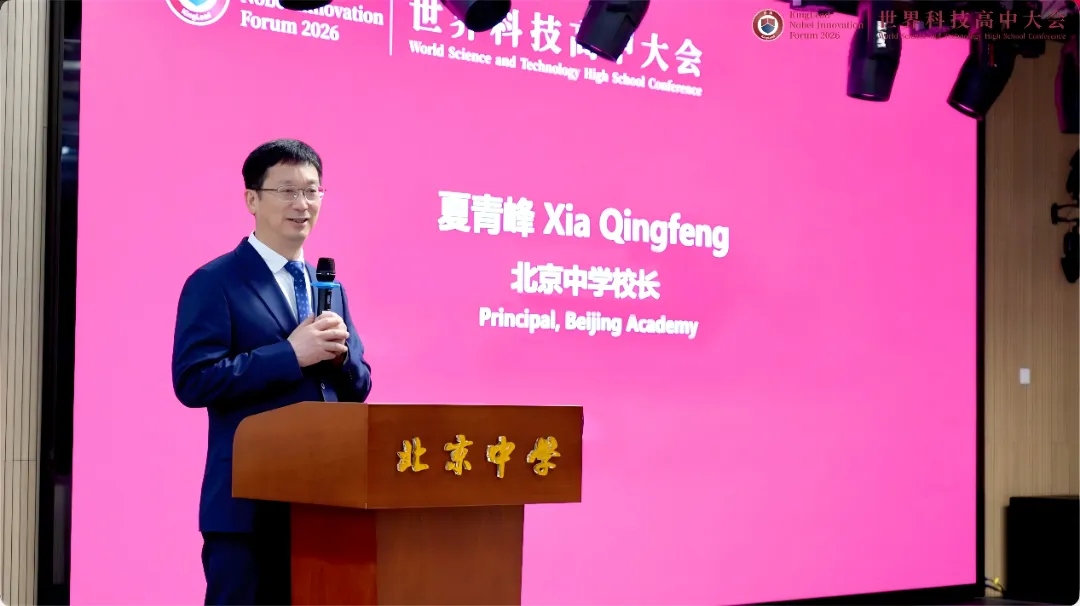
Principal Xia reviewed the school's development. Beijing Academy has grown into a public education group with multiple campuses, offering primary and middle school education, high school programs and international education. It is now one of Beijing's largest education groups.
He emphasized the school's continuing educational mission and its core principles:
- The purpose of a school is the development of its students.
- Focus on the essential aspects of student growth to provide direction amid uncertainty.
- Daily life itself is an education.
Beijing Academy puts these principles into practice through the following commitments:
- Build a culture of trust where students and teachers feel a sense of belonging.
- Provide education suited to individual needs, making the school a center of learning for everyone.
- Encourage creative growth and opportunities for innovation.
Over twelve years, the school has gained recognition for curriculum innovation and teaching reforms, as well as developing students' creativity. Its future work in science and technology education will connect universities and research institutes with businesses to create open opportunities for practical innovation. Principal Xia emphasized that advanced science education also calls for deeper engagement with the humanities. The school will continue supporting broad development and individual interests through both areas.
He concluded that Beijing Academy still has much to explore and looks forward to working with fellow educators to improve education.
II. Keynotes: Research, Accreditation and International Practice
Leading scholars and education leaders discussed science and technology high schools and the development of students' capacity to innovate. Speakers included Nobel economics laureate Professor Eric Maskin and WASC President Dr. Barry Groves, together with Vice Principal Zhou Hui and UWC Global President Principal Naheed Bardai. Their presentations examined quality assurance and practical approaches, along with global responsibility.
Keynote 1: Professor Eric Maskin—An Economist's Perspective

Speaker: Professor Eric Maskin
- Honorary President, World Science and Technology High School Conference
- Nobel economics laureate
- University Professor, Harvard University
- Tenured professor of economics and mathematics, Harvard University
- Member, U.S. National Academy of Sciences
- Member, American Academy of Arts and Sciences
Professor Eric Maskin, Nobel economics laureate and Harvard University Professor, discussed the significance of innovation for science and technology and for society worldwide.
From an economic perspective, Professor Maskin explained how innovation supports social development. Traditional schooling has often emphasized certainty and memorizing established answers; scientific innovation requires investigating uncertainty. He identified high school as a crucial period for developing ways of thinking. Science and technology high schools can help students develop creativity through education and become active participants in scientific inquiry.
Professor Maskin recalled visiting Beijing Academy in 2024 and praised the curiosity of students in his Nobel Innovation Workshop. He recognized the school's progress in science and technology education. As Honorary President of the World Science and Technology High School Conference, he announced the award of a Nobel Innovation Laboratory plaque, encouraging the school to expand access to leading scholars and further develop students' research abilities.
Keynote 2: Dr. Barry Groves—International Accreditation

Speaker: Dr. Barry Groves
- President, Western Association of Schools and Colleges (WASC)
- Doctor of Education, Stanford University
Dr. Barry Groves, President of WASC, spoke about how accreditation supports science and technology high schools and innovative approaches to education.
Dr. Groves recalled his 2024 visit and congratulated Beijing Academy on receiving its initial WASC accreditation in January 2026. He emphasized the importance of creativity in the future. Helping students develop their thinking and ask questions, then learn from setbacks, is central to science and technology education and to the approach WASC supports.
Keynote 3: Principal Naheed Bardai—International Practice

Speaker: Principal Naheed Bardai
- UWC Global President
- Principal, UWC Atlantic College
Principal Naheed Bardai, UWC Global President and Principal of UWC Atlantic College, presented examples of student research and innovation at UWC Atlantic College.
Drawing on the college's work, he discussed the following principles:
- Study systems across subjects. Alongside its IB courses, UWC Atlantic College offers the Systems Transformation Pathway, a project course in which students investigate food systems and biodiversity, as well as energy transitions. Applied research helps them address complex problems.
- Encourage innovation through diversity. Students' different ways of thinking provide powerful opportunities for new ideas.
- Evaluate the research process. Students can pursue projects with uncertain outcomes. Assessment considers resilience and academic integrity, along with their ability to ask better questions.
III. Nobel Innovation Laboratory Plaque Presentation
Professor Maskin formally announced the award of the Nobel Innovation Laboratory plaque to Beijing Academy. The award recognized the school's progress and encouraged it to connect with leading academic institutions and expand research opportunities for students. Vice Principal Zhou Hui accepted the plaque on behalf of the school.
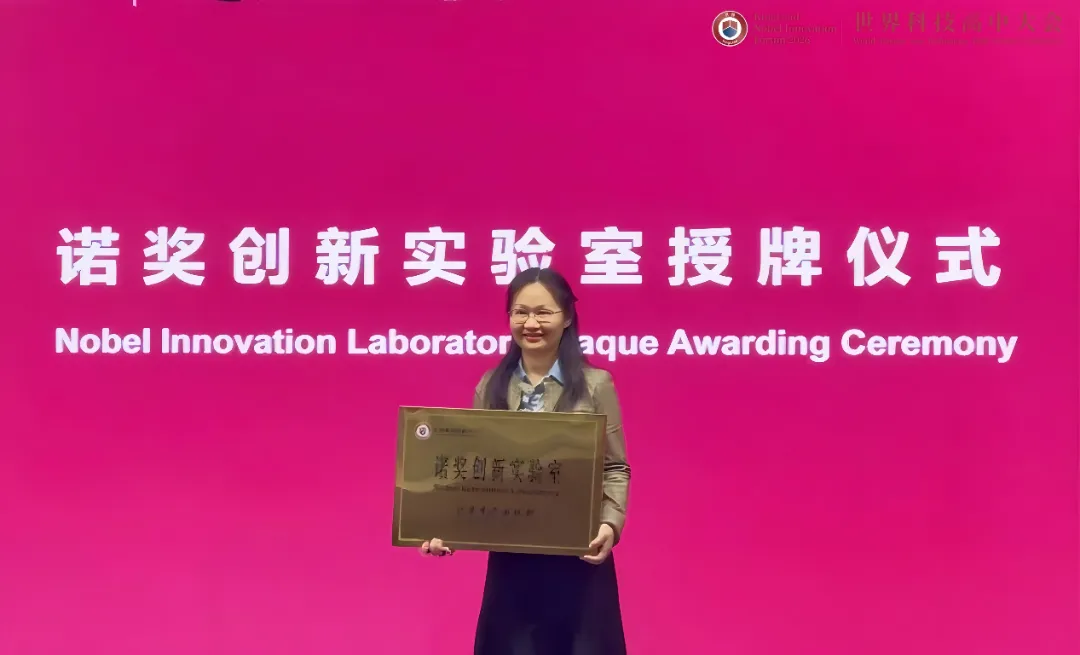
Representing the host school, Vice Principal Zhou Hui presented Beijing Academy's approach to science and technology education and its experience helping students develop advanced research and creative abilities.
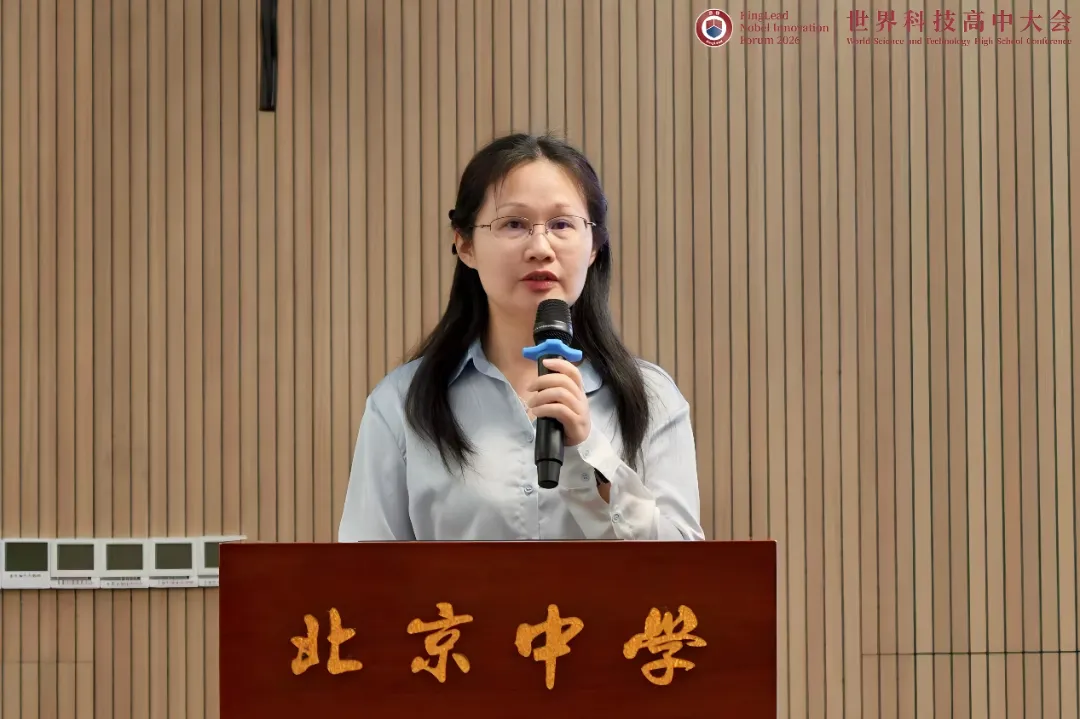
Since its founding in 2013, Beijing Academy has pursued a modern education grounded in Beijing and Chinese culture, with a global outlook. Its One Core, Two Wings framework is supported by Basic Courses and Enrichment Courses, alongside Potential Courses. This curriculum strengthens academic foundations while broadening perspectives and encouraging innovation.
The school's work in science and technology education covers four areas:
- Integrate PBL and subject weeks throughout science courses, including Physics and Chemistry, as well as Biology, to deepen understanding through practical work.
- Encourage everyday scientific activities, from small experiments at home to designing and building campus spaces.
- Connect subjects throughout students' education, using real problems to develop their ability to apply knowledge across disciplines.
- Draw on leading academic resources. More than 100 top scholars, including Nobel laureates and academy members, have visited. Students also visit university laboratories and technology companies, developing exchanges and sustained partnerships.
Beijing Academy will continue developing its science and technology programs through a coordinated approach to advanced research and innovation. It plans to create learning spaces that integrate digital tools and deepen partnerships with universities and wider society. Vice Principal Zhou Hui emphasized working with fellow educators and attending to the details of implementation, helping students grow through research and creative work.
IV. KingLead Reports and Development Guidelines
Professor Mark Girolami, Chair Professor of Engineering at the University of Cambridge, Fellow of the Royal Academy of Engineering and Chief Scientist at the Alan Turing Institute, launched the KingLead 2026 World Science and Technology High School Development Research Report and the corresponding report on China.

Speaker: Professor Mark Girolami
- Chair Professor of Engineering, University of Cambridge
- Research Chair, Royal Academy of Engineering
- Fellow, Royal Academy of Engineering
- Chief Scientist, Alan Turing Institute
Drawing on AI and systems engineering, Professor Girolami described a significant change in education toward developing innovation alongside knowledge. He emphasized the strategic role of science and technology high schools in preparing for the future. As an empirical researcher, he praised the rigor and reliability of the two KingLead reports, developed through eight years of sector experience and large-scale data research. He said they provide educators with systematic standards and guidance for future development. He also highlighted Beijing Academy as a local example with significant lessons for science and technology education in China.
V. Roundtable: School Leaders Share Their Experience
Six leaders from prominent international schools in China joined a roundtable on international standards and innovation in Chinese practice. They discussed what defines a science and technology high school and how to integrate curricula, alongside distinctive projects and laboratory development. Their accounts combined international perspectives with experience in China, offering practical guidance for other schools.
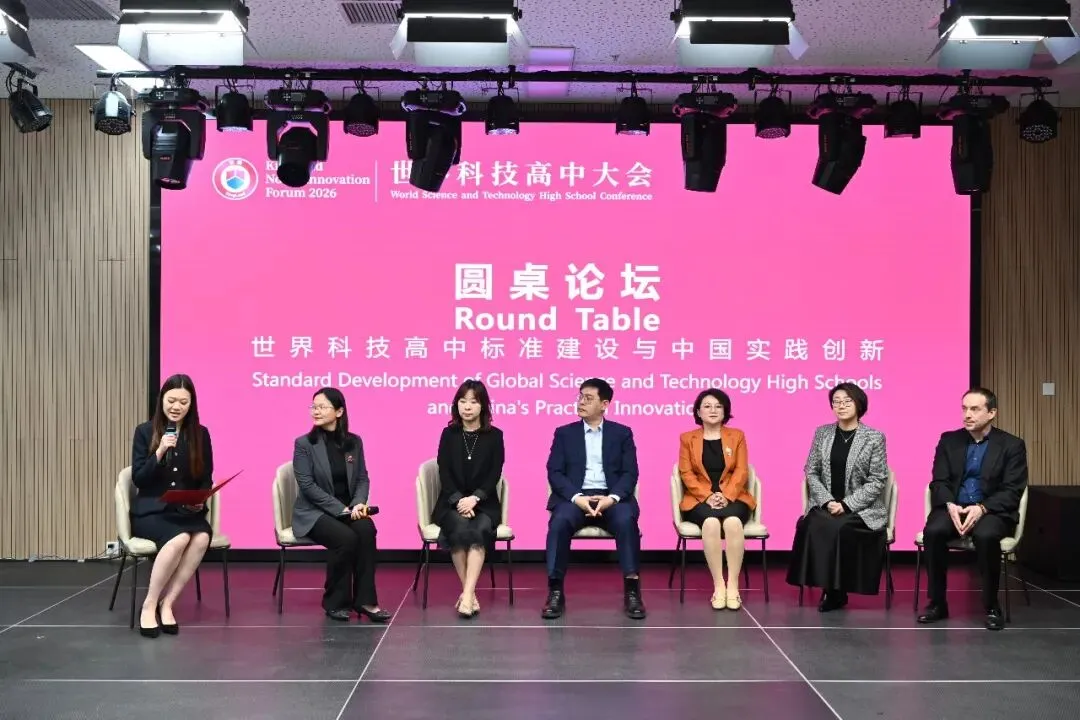
Xiao Lan, Head of the Center for Curriculum and Instruction at BAID, presented the division's approach to science and technology education. It offers more than 20 AP courses, including Mathematics and Physics, Chemistry and Biology, as well as Environmental Science. A progression from Basic Courses to advanced research supports students' development. Interdisciplinary PBL encourages students to investigate real problems. She described a student's navigation app for people with visual impairments, developed with guidance from a university professor, as an example of realizing a research idea in practice.
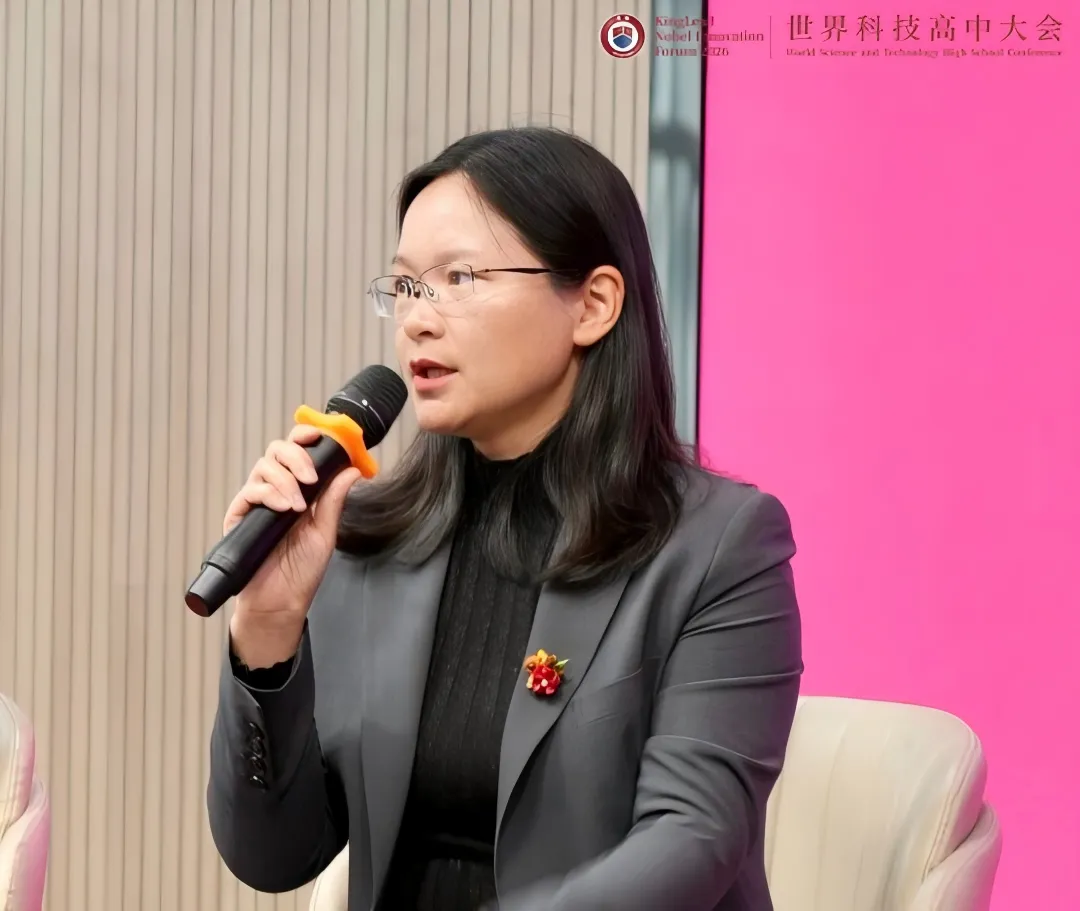
Xiao Lan, Head of the Center for Curriculum and Instruction, BAID
VI. Campus Tour and Student Innovation
Beijing Academy opened its campus to conference guests, offering tours of its work in science and technology education.
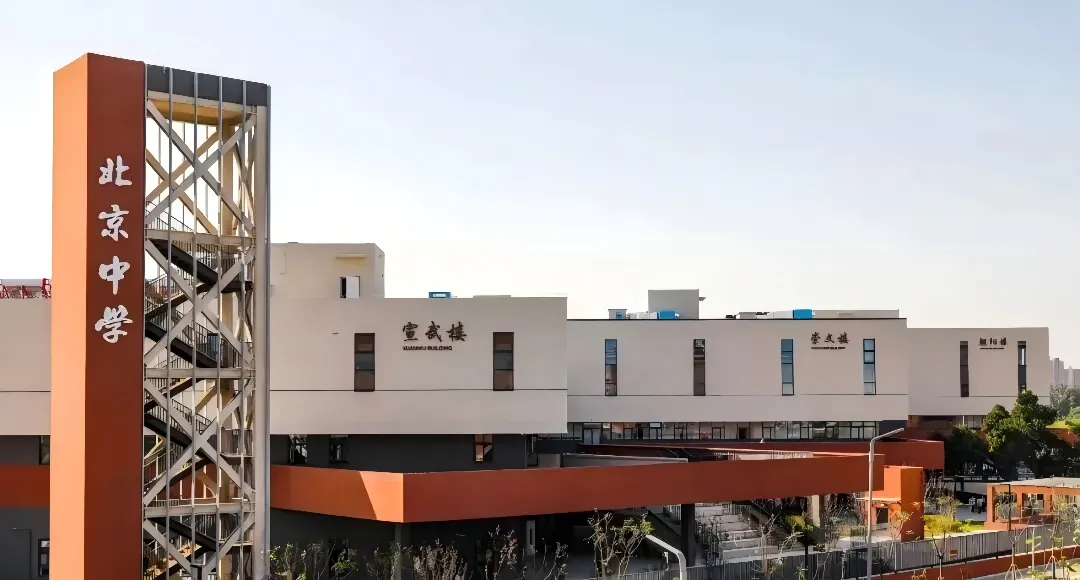
Examples included partnerships providing research resources and student innovation projects, distinctive science courses and laboratory facilities. The tour demonstrated the school's recent progress and gave participants concrete experiences to discuss.
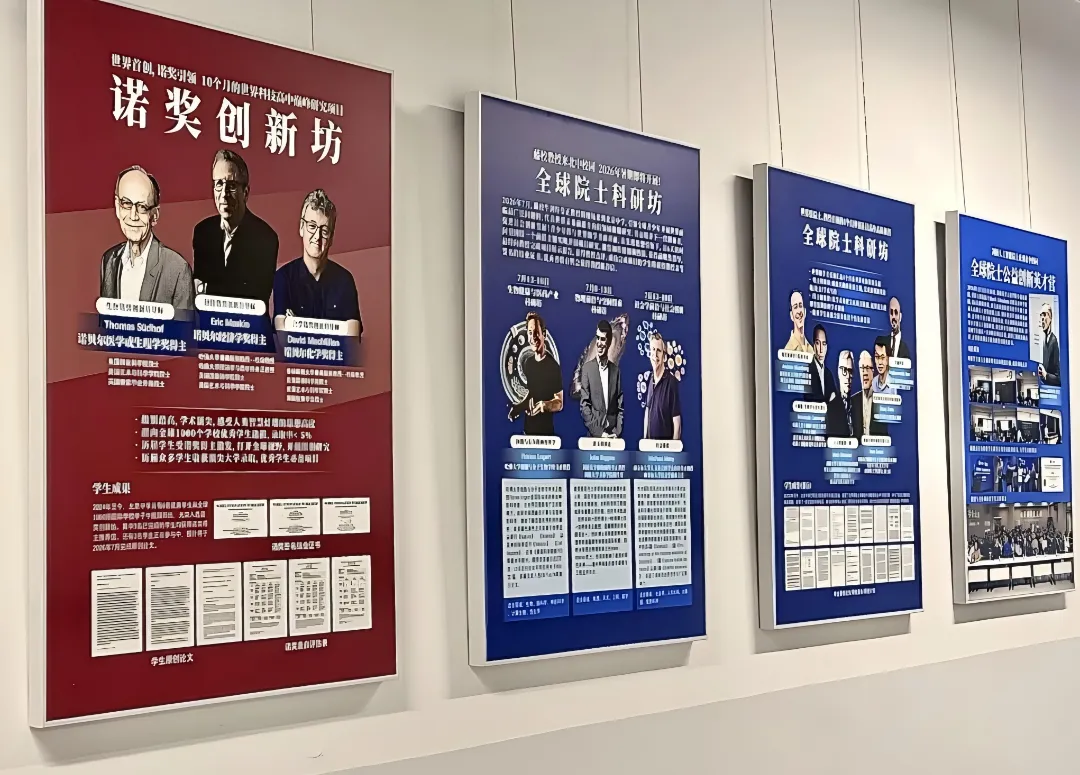
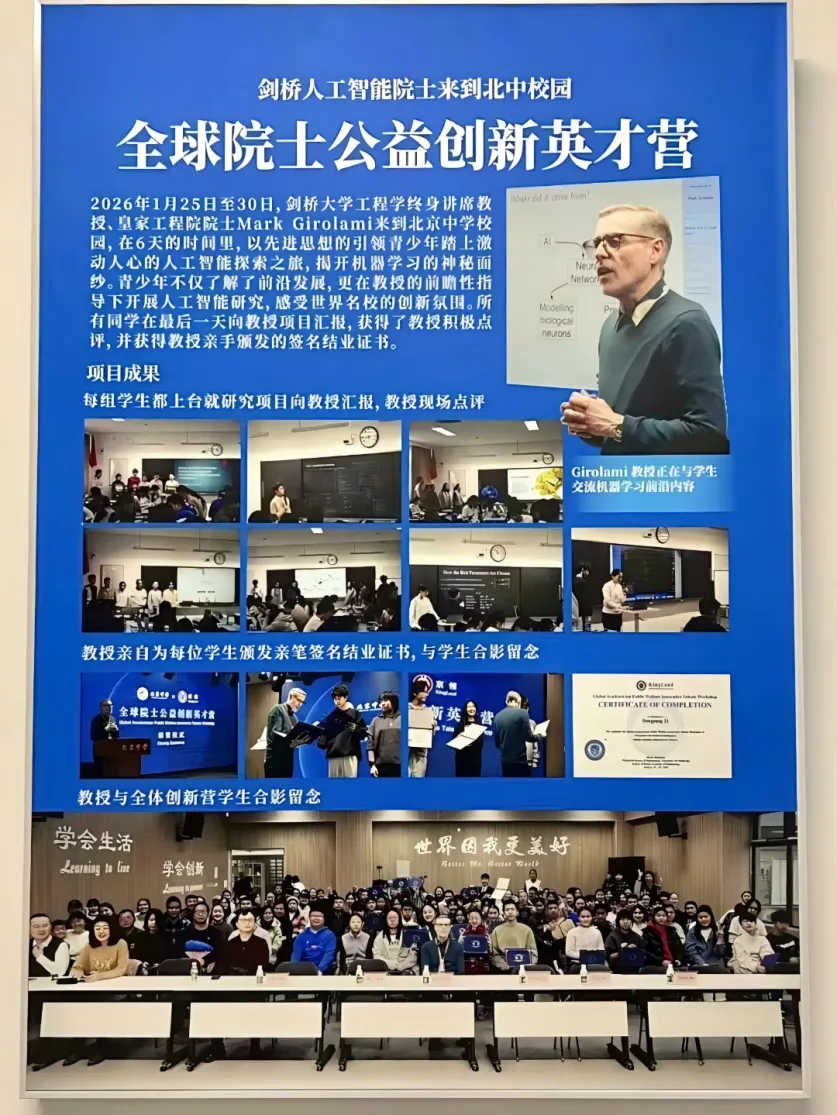
Selected BAID Student Research Projects
VII. Parallel Sessions: Standards and Practical Approaches
Three parallel sessions took place that afternoon at the National Convention Center and Beijing Academy. They examined standards and assessment, teacher development and distinctive project courses, and curriculum integration and innovation.
Session 1: Standards and Assessment
Principals and educational leaders came from Beijing and Tianjin, Shanghai and Suzhou, Hangzhou and Shenzhen, Guangzhou and Xiamen, Wuhan and Qingdao, Ningbo and Chengdu, as well as Foshan. They shared approaches to connecting resources and developing students' abilities through teacher development and distinctive science and technology projects.
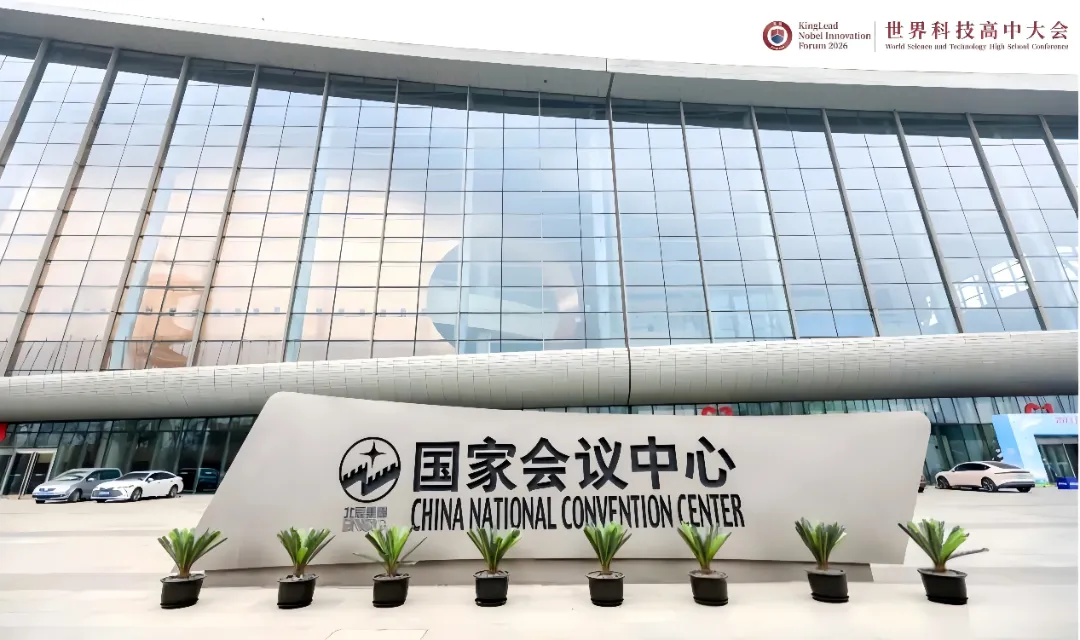
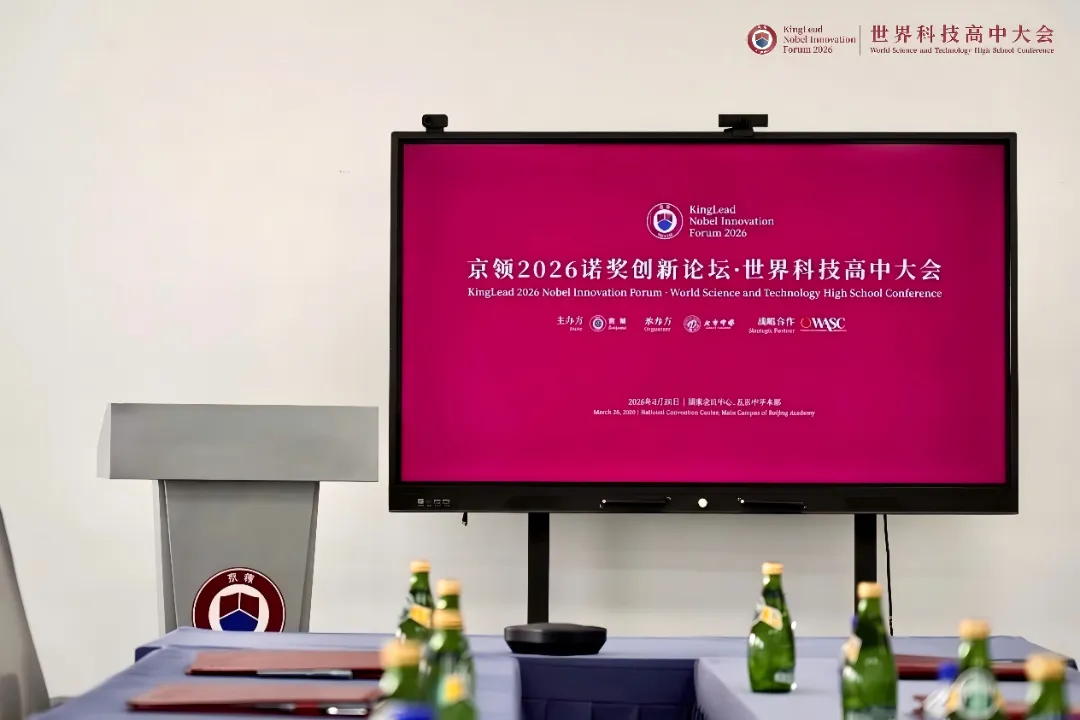
In 2025, KingLead established the Nobel Innovation Platform World Science and Technology High School Platform at the National Convention Center. It seeks to connect schools' regional initiatives through systematic international cooperation. The platform supports shared resources and collaborative innovation to develop future researchers and innovators.
Building on that work, this session at the National Convention Center focused on international standards. KingLead Research Institute experts and principals from across China discussed standards that could guide science and technology high schools worldwide.
Session 2: Teacher Development and Project Courses
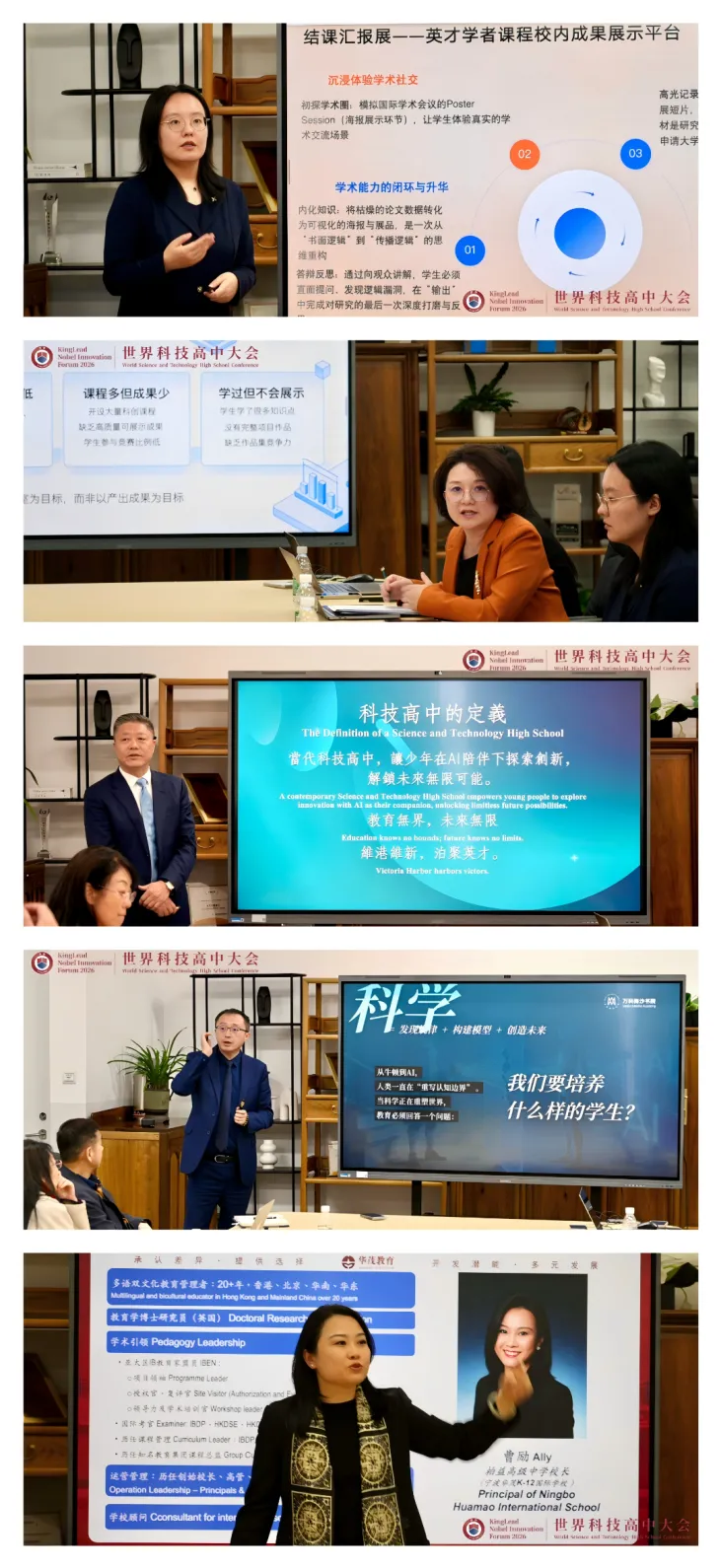
Educators shared approaches to teacher development and distinctive science and technology projects. BAID teacher Tan Yi moderated the session and presented MFP and Elite Scholar. She explained the background and content of both courses, then their implementation and educational results. Since BAID's founding, the programs have run alongside one another, reaching many students and producing substantial research. They help students identify research questions and develop methods, alongside creative thinking and social responsibility.
BAID's coordinated research education supports students' scientific literacy and encourages curiosity and social concern, alongside innovation. It offers a practical approach to developing academic abilities in high school.
Session 3: Curriculum Integration and Innovation
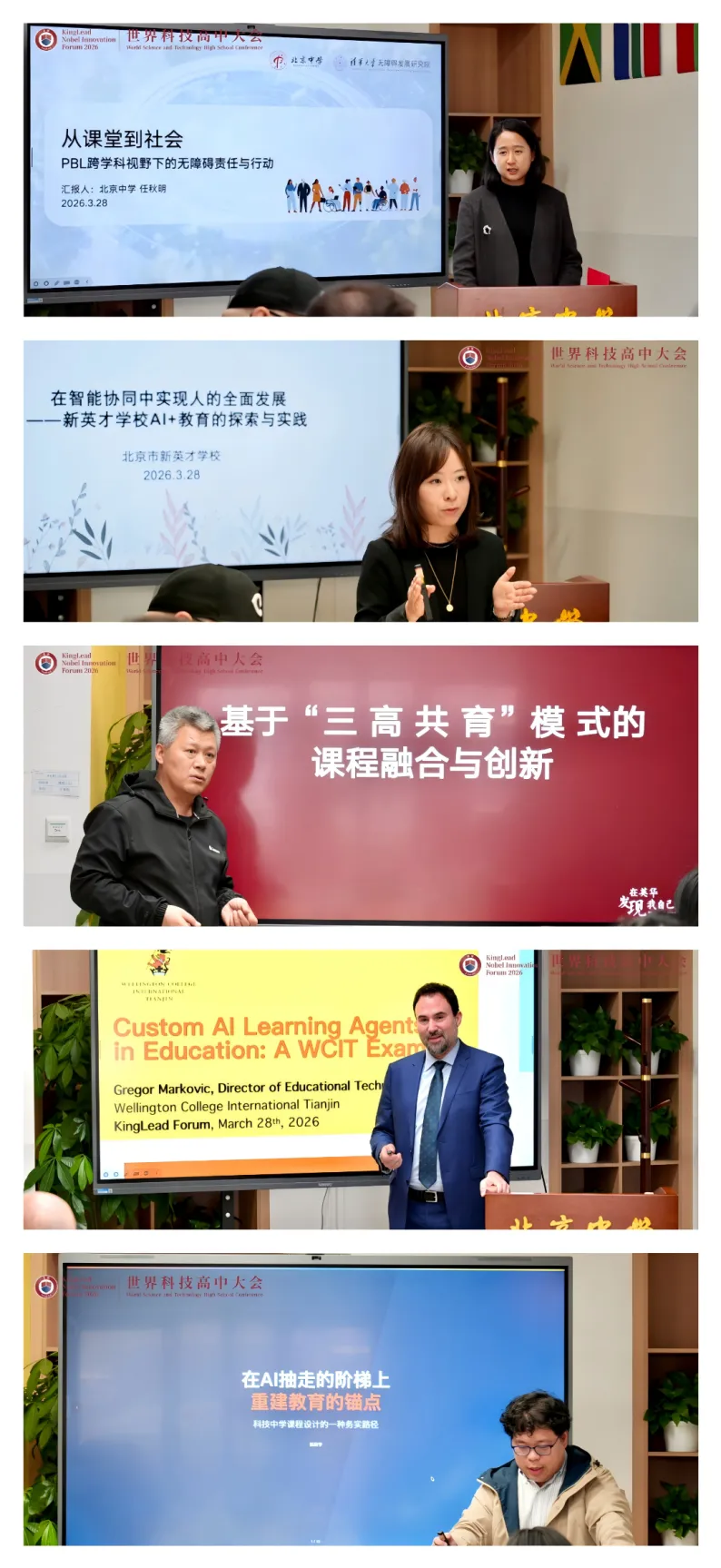
BAID teacher Ren Qiuming moderated a session on integrating and developing science and technology curricula. She presented From Classroom to Society: Accessibility Responsibility and Action through Interdisciplinary PBL, explaining its background and curriculum structure, followed by implementation. Accessibility Academic Week and design thinking workshops, together with lectures and field activities, enabled students to develop projects supporting people with disabilities. The program also helps develop these projects further through partnerships involving the school and researchers, businesses and charitable organizations.
The project encourages young people to propose inclusive solutions for cities and apply classroom learning through social action. Its practical work offers an approach to interdisciplinary PBL and distinctive science and technology courses.
Continuing to Develop Science and Technology Education
The forum connected Nobel laureates' expertise with international perspectives on standards and practice. It explored guidelines and practical examples other schools could adapt, helping educators develop shared expectations and coordinate resources.
Nobel laureates and leading scholars, together with accreditation leaders, emphasized that science and technology high schools require a coordinated approach to education. They described these schools as a strategic investment in the future, with opportunities extending across the student population. This reflects the forum's aim of developing standards and agreement and connecting resources.
The conference brought Beijing Academy new international perspectives and academic expertise. The school will continue connecting science with education through university partnerships and leading researchers. It will offer varied opportunities for practical innovation and encourage inquiry throughout campus life. Grounded in China and engaged with international standards, Beijing Academy aims to support every student's creative development, helping them combine a global outlook with commitment to their country and the ability to innovate.