BAID Hosts International Education Session of Sixth National PBL Forum
On November 23, 2025, BAID hosted the international education session of the Sixth National Project-Based Courses (PBL) Forum. Its theme was Digital Technology and AI for Innovation: New Approaches to PBL for the Future. Leading education researchers met with experienced teachers and practitioners to discuss incorporating PBL into international education and putting curriculum innovations into practice. Beijing Academy presented how it plans and implements PBL across its international curriculum, with examples of student work that received praise from experts and fellow educators.
Opening Keynote: Adapting International Curricula to Local Contexts
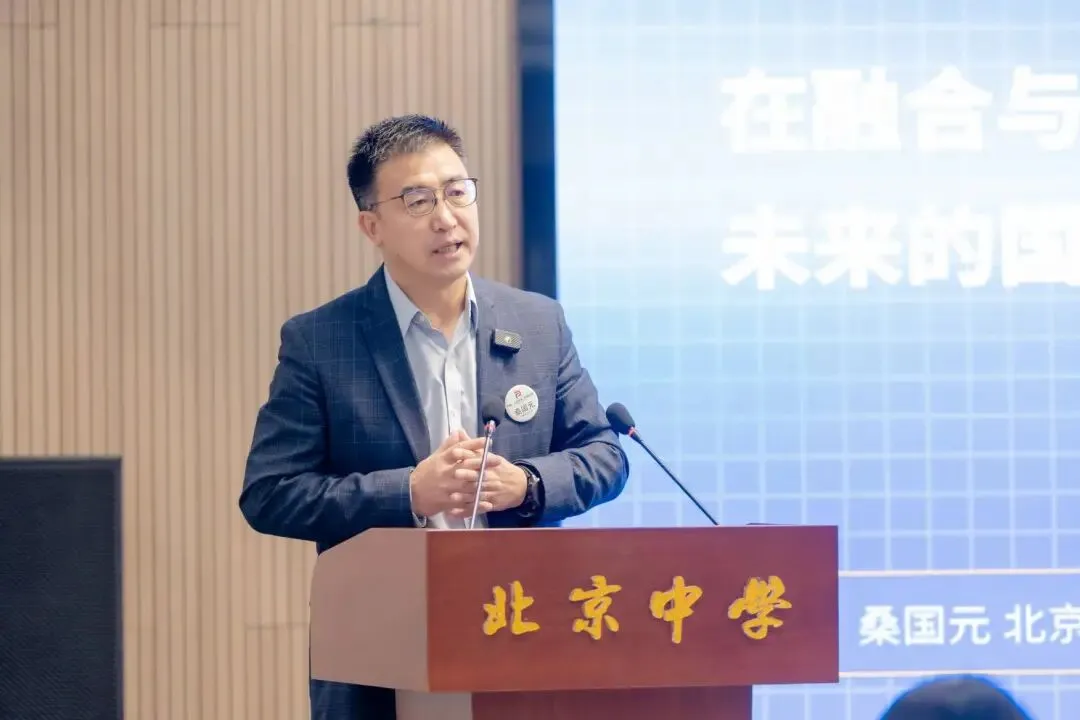
Professor Sang Guoyuan of Beijing Normal University's Faculty of Education opened the forum with a keynote on developing a new approach to adapting international curricula to local contexts. His theoretical perspective established the framework for the day's discussions.
Professor Sang identified two difficulties: adopting Western curricula uncritically, which can reduce education to exam preparation, and combining Chinese and foreign content superficially, leaving students with disconnected ideas. He argued for dialogue between educational philosophies. Science lessons could compare Western mechanistic thinking with Eastern holistic perspectives to encourage flexible thinking. Humanities courses could bring Chinese and Western ideas into conversation across historical periods, helping students develop coherent values. Curricula could connect subjects through significant questions, with teachers guiding students' thinking and designing learning experiences. Assessment would examine the learning process and depth of thought.
Professor Sang described international educators as guides who help students engage with Chinese civilization and global developments. He called for developing young thinkers and practitioners who have confidence in their culture and a sense of global responsibility. His argument offered a theoretical basis for connecting international curriculum development with PBL.
Beijing Academy's Educational Philosophy and International Curriculum
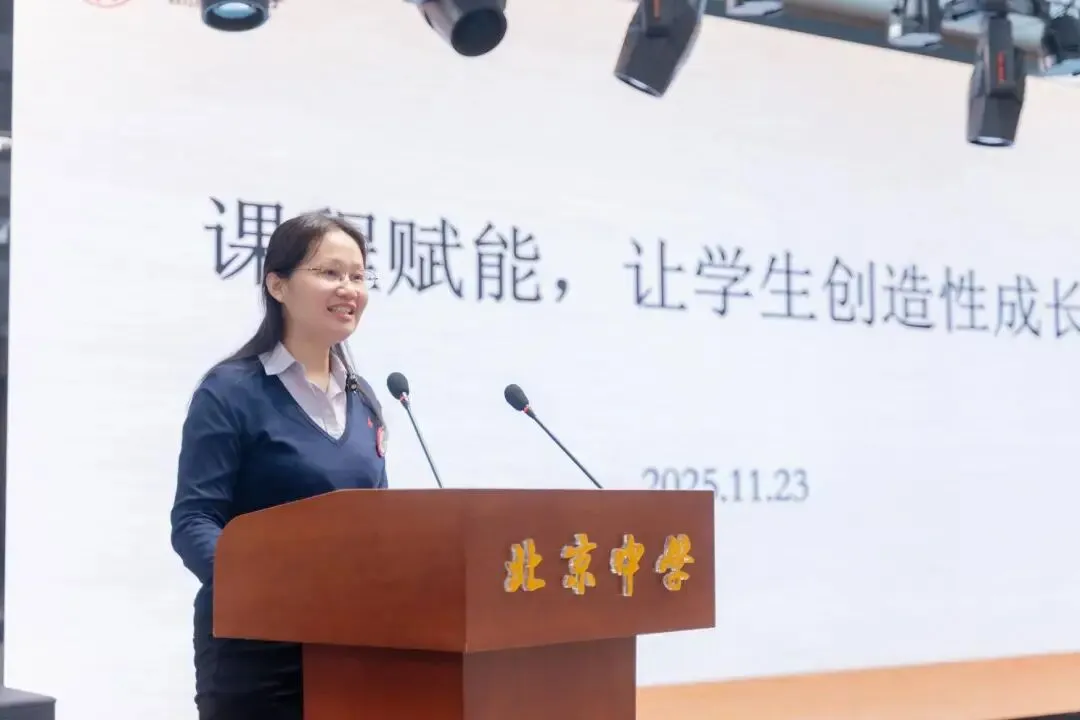
Vice Principal Ms. Zhou presented Curriculum That Supports Creative Growth, introducing the development of Beijing Academy's international education and its curriculum.
Ms. Zhou reviewed the school's progress since its founding in 2013. Beijing Academy aims to be a modern school with a distinctive Beijing character and Chinese identity, alongside a global outlook. Its educational mission encourages students to develop as people, discover their individuality and contribute to a better world. The school's One Core, Two Wings framework seeks to help students establish strong cultural roots and pursue independent growth, while developing creativity. It emphasizes Patriotism and Innovative Spirit, together with Healthy Character.
The school's curriculum combines Basic Courses and Enrichment Courses with Potential Courses. Its reforms emphasize continuity and coherence, breadth and choice, and interdisciplinary learning and practical application. Its international offerings include AP and distinctive school courses, research and experiential learning, as well as international projects. As a CIS member school and ACT exam center, Beijing Academy also maintains exchanges with overseas partner schools to broaden teachers' and students' perspectives.
Ms. Zhou emphasized that PBL is central to implementing the international curriculum and developing students' abilities through learning. Students investigate real situations and grow through practical, creative work, preparing to contribute to the future.
Teachers Share PBL in Practice
BAID teachers presented examples of integrating PBL into international courses. Their presentations explained project design and implementation and showed what students had achieved through classroom practice.
01 Experiential Learning: Developing Responsibility and Practical Skills
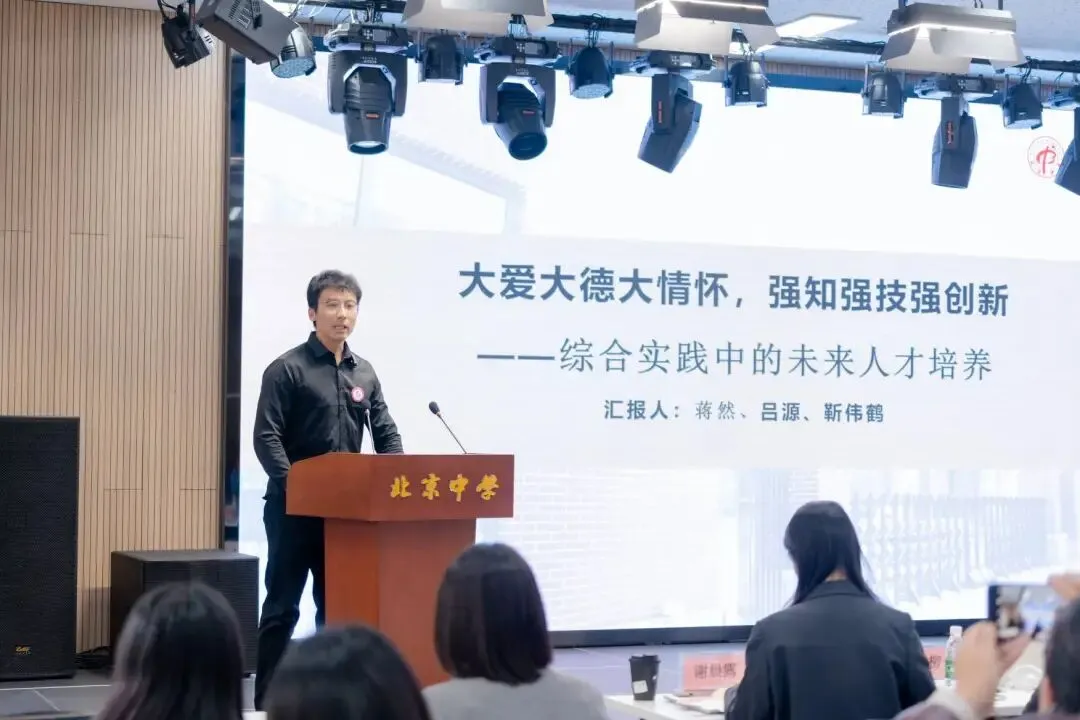
Jiang Ran, Deputy Head of the Center for Student Development, joined Lyu Yuan and Jin Weihe to present the school's experiential learning curriculum. They considered the fundamental questions of whom education serves and what kinds of people it seeks to develop, as well as how to achieve those goals. The curriculum emphasizes compassion and ethical responsibility alongside knowledge and innovation. Through PBL, students apply what they learn beyond the classroom and develop their abilities while addressing real problems.
Beijing Culture Exploration Program: The 2025 Ancient Capital, New Rhythms project drew on Beijing's Central Axis World Heritage designation. Students investigated how to use AI-generated content tools to design environmentally responsible cultural products that appeal to international visitors and follow the 6R principles. The project had four milestones: forming teams and choosing themes, collaboratively developing visual notes, completing product designs and holding an auction. Students practiced interdisciplinary collaboration and developed confidence in sharing their culture. Their designs made cultural knowledge part of everyday life.
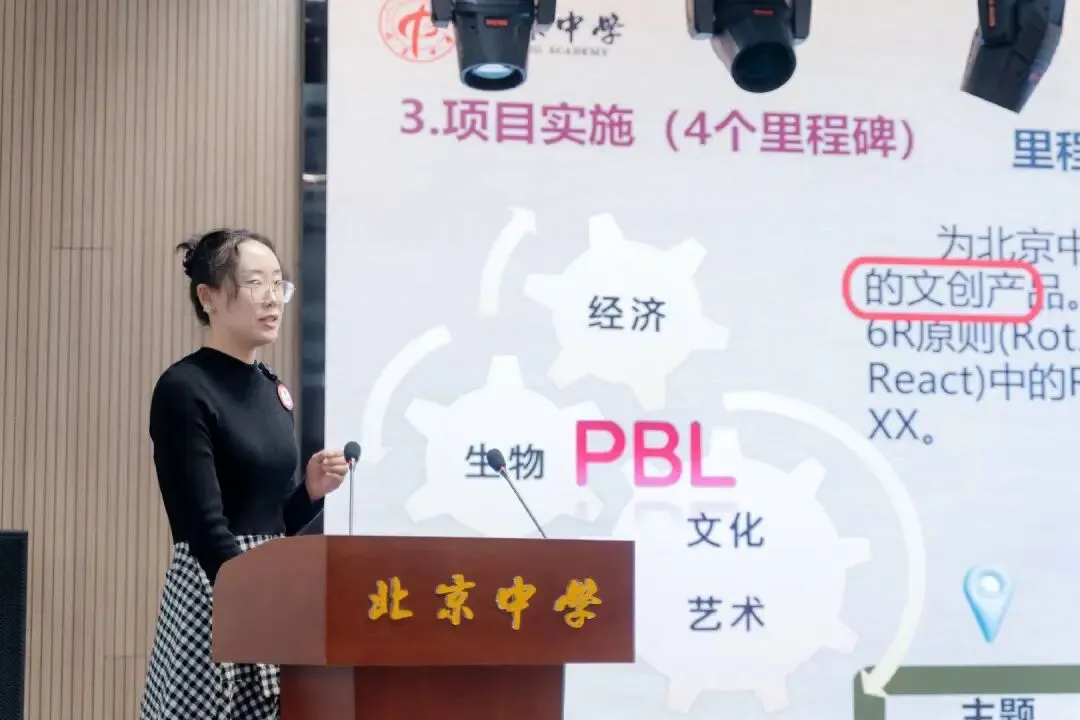
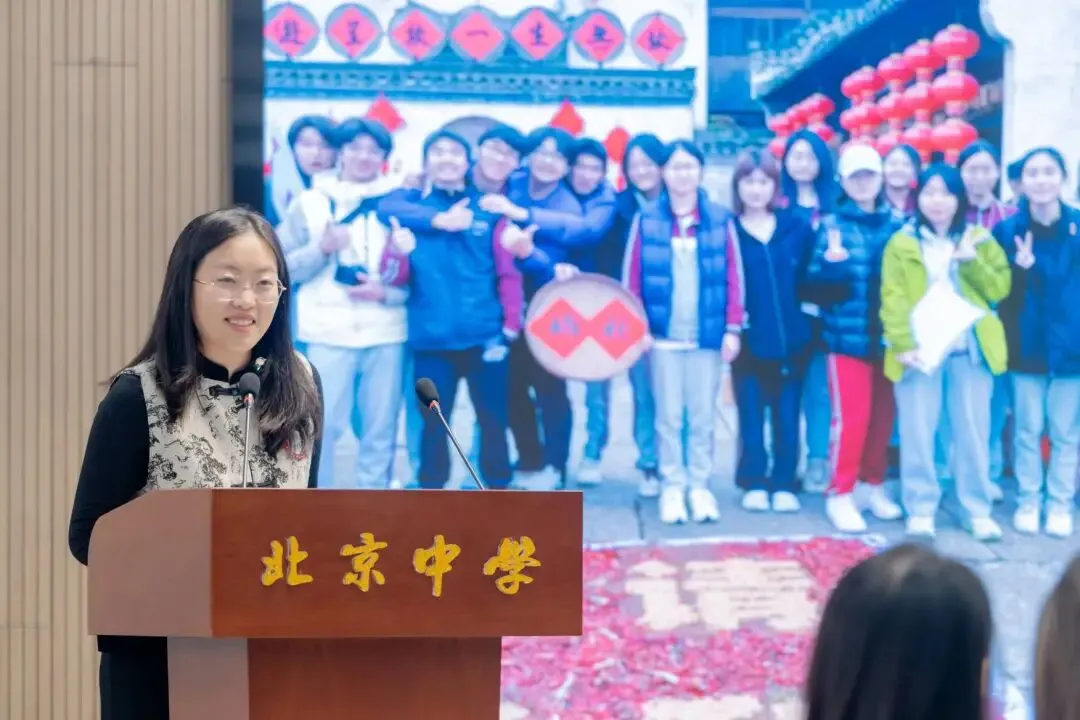
Experiential Course—Chinese Cultural Roots Exploration: Students learn beyond campus at places such as Mount Huang and Hongcun, as well as the ancient city of Huizhou. They participate either as researchers or as volunteers. Researchers choose teams through mutual selection with teachers, review literature and write proposals before departure. In the field, they conduct interviews and observations and collect data. Each evening, mentors help them review progress and analyze findings, then refine their plans. After returning, students organize their data and write papers before defending their work. Volunteers develop their organizational and communication abilities, together with cooperation and responses to unexpected situations, through independently undertaking real service projects.
02 PBL Across AP Subjects
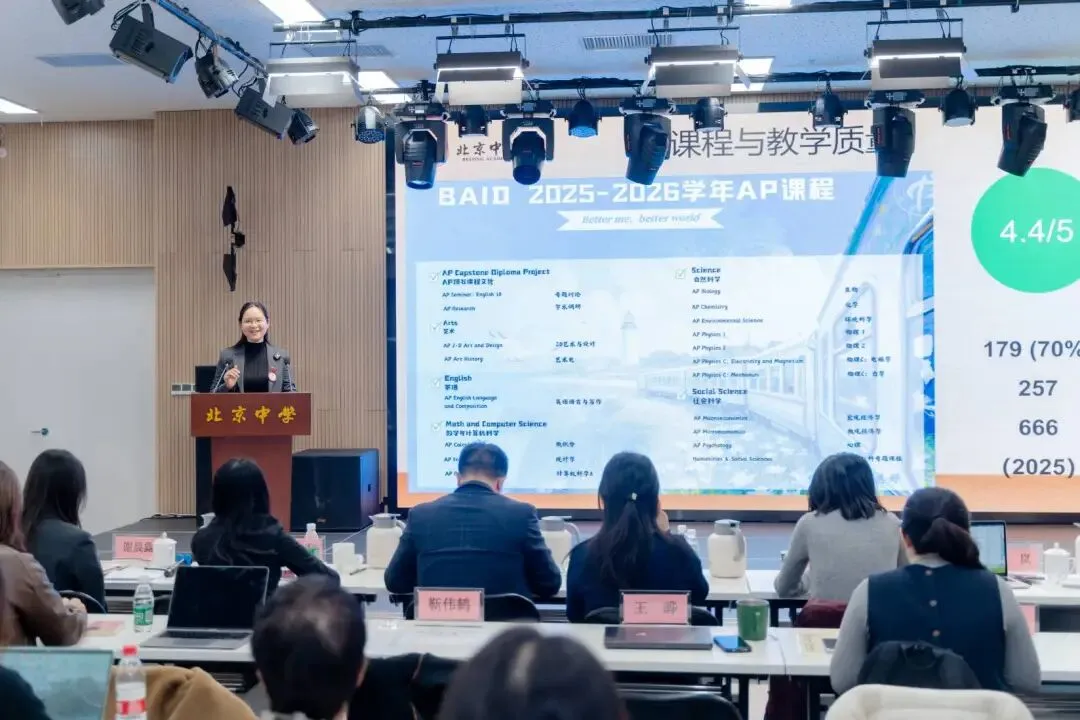
Xiao Lan, Head of the Center for Curriculum and Instruction, joined AP teachers to discuss PBL throughout their courses. Projects encourage students to investigate actively and apply knowledge across subjects to real problems. Experimental inquiry and research design, along with presentations and debates, support academic development and broader abilities.
Humanities: Xiao Lan described successive approaches in AP English Language and Composition. Initially, students explored independently with help choosing topics and finding literature. Teachers then introduced more guided collaboration through planned projects and structured support. In the latest approach, integrated project design prepares students to conduct their own research and develop arguments, then present findings and address practical questions confidently.
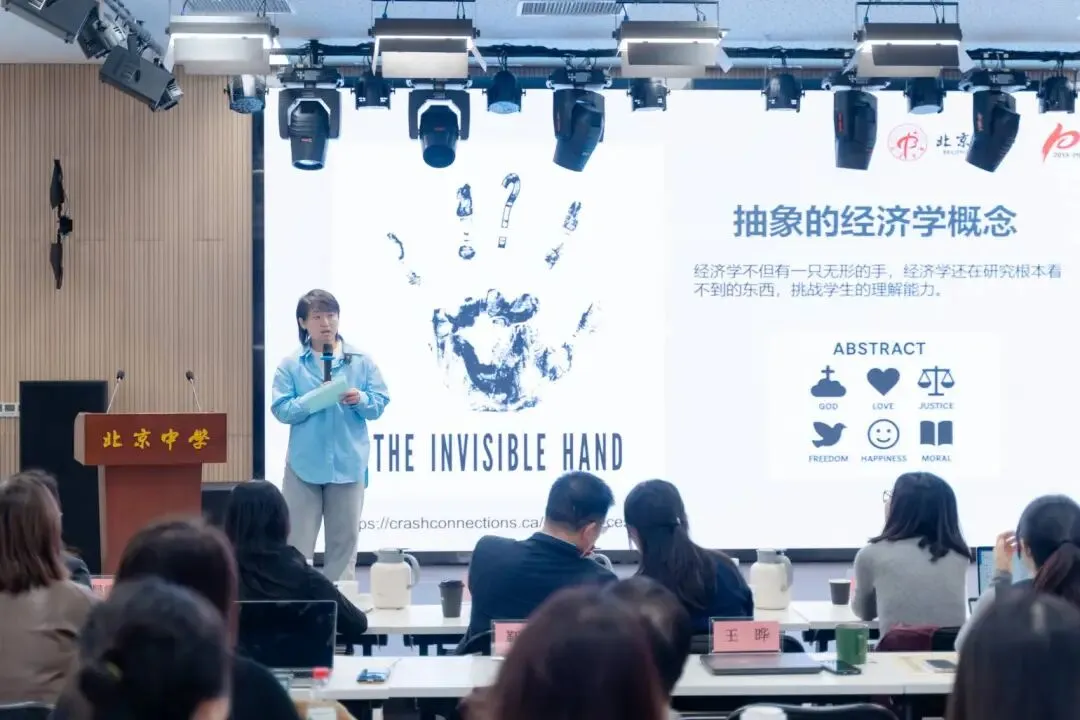
Social Sciences: AP Economics teachers Liang Xiao and Wang Ye connect classroom instruction with school projects and further work outside lessons. After students learn key concepts, Beijing Culture Exploration Program and the Experiential Course, along with MFP, provide opportunities for economic research and analysis of consumer behavior. Students apply supply and demand, cost-benefit analysis and price discrimination in real settings.
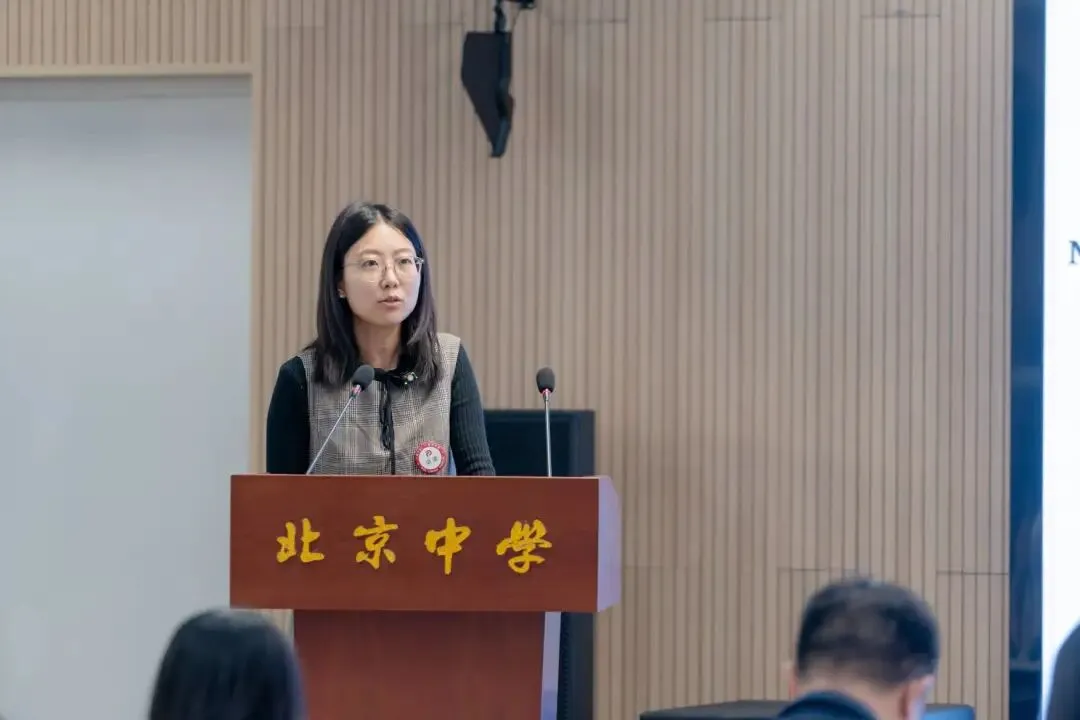
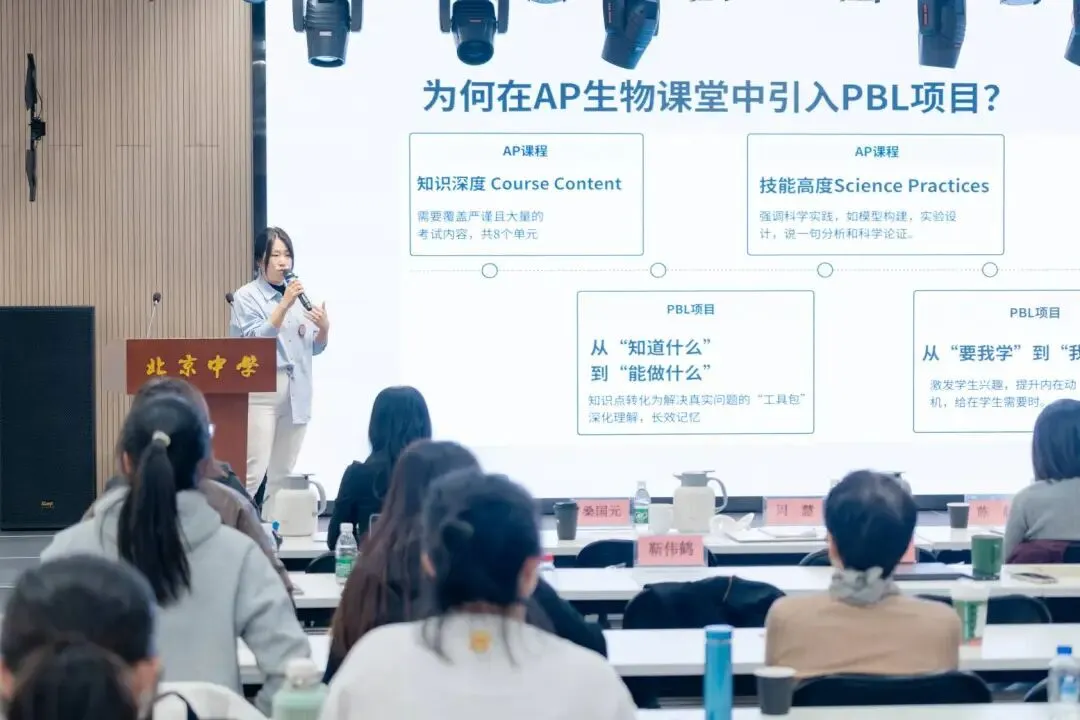
Science: AP Biology teacher Dai Ying explained how she incorporates PBL throughout her course. In the project on using aquatic plants to purify the Dongba River, students reviewed literature and designed an experimental approach. They built experiments and collected data, then analyzed their findings and wrote reports. Presentations and recommendations completed the project. Students connected ecology with experimental design and data analysis, developing scientific reasoning and practical abilities while investigating an environmental problem.
03 Five Areas of School Courses: Supporting Individual Development
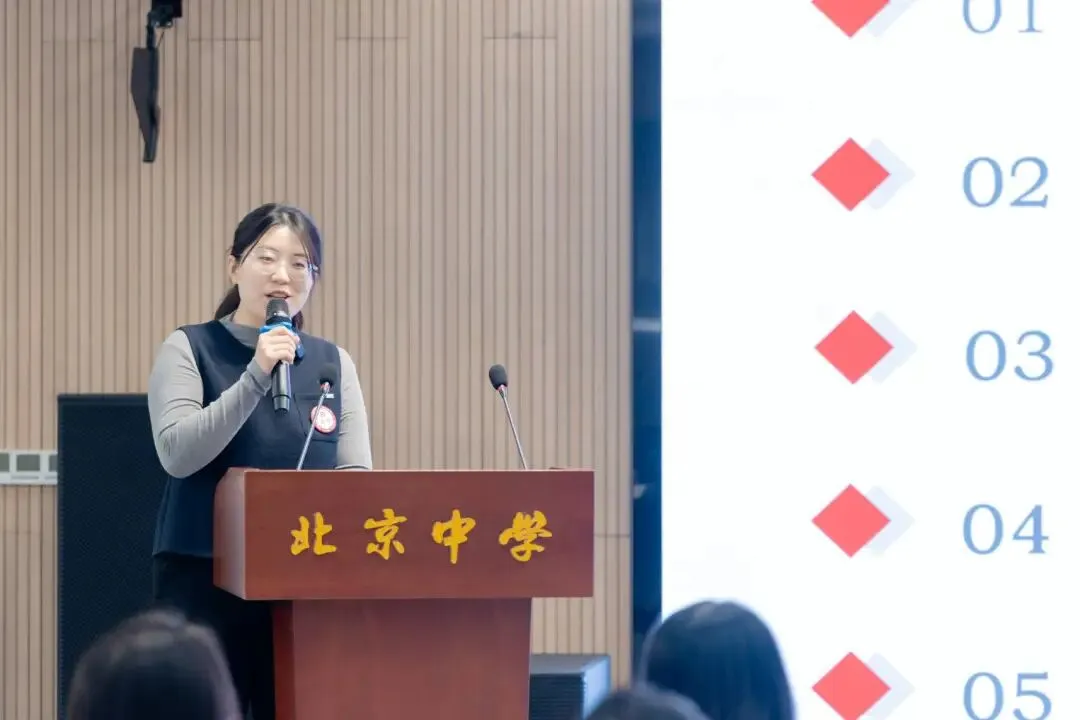
Ren Jing, Deputy Head of the Center for Curriculum and Instruction, and her team presented PBL examples from distinctive school courses. Their approach helps students actively learn and create through the content teachers introduce. The curriculum covers five areas and emphasizes learning through practice and creating through research in real contexts.
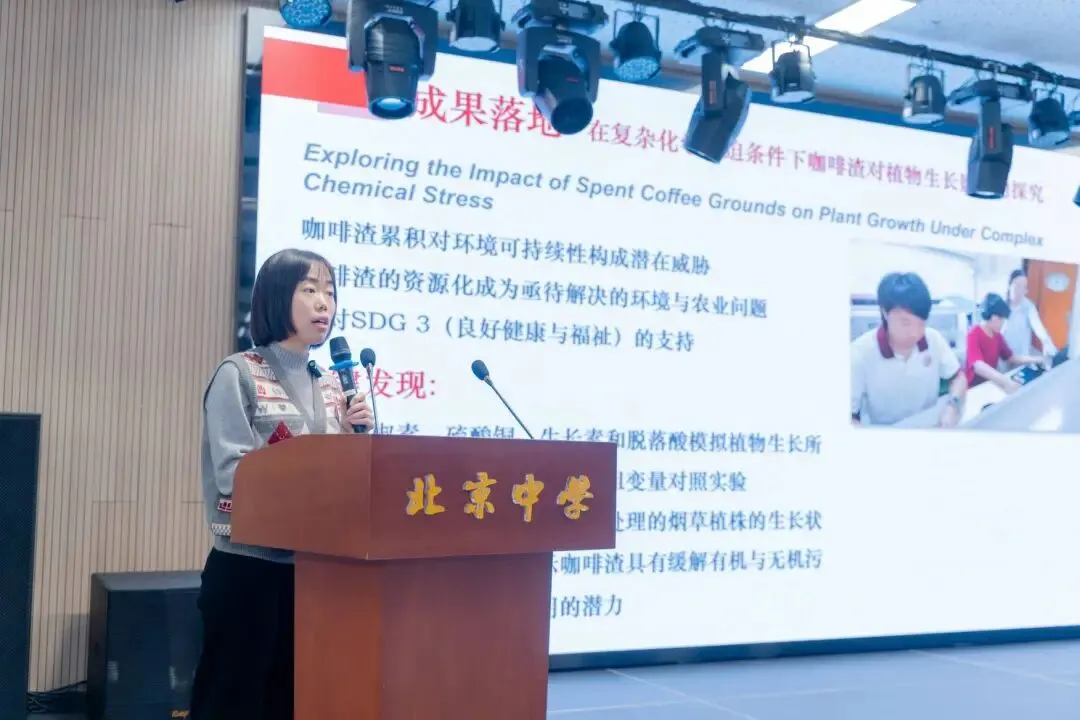
School Research: MFP students conduct interdisciplinary research linked to the UN Sustainable Development Goals. Xin Yu and Yuan Xiaoyang presented a coffee-ground reuse project addressing waste on campus and in the community. Students investigated potential applications in deodorizing and adsorption, fertilizer and reuse. They studied the problem and designed experiments, assessed results and promoted their findings, producing formal academic papers. In Elite Scholar, students work with university experts for eight months. They choose topics and review literature, conduct empirical research and defend their results, then present their findings publicly at an exhibition.
Interdisciplinary Practice: STEAM and robotics courses combine science and technology with engineering and mathematics. Students design workable solutions to real problems and refine them through repeated improvements. Economics courses offer social enterprise experience through an Economic Company, including BAID Cultural & Creative Club projects and The Whale Cafe, with proceeds supporting charitable causes. YEE ACTION focuses on a sustainable campus: students identify needs and develop products, then market them and evaluate their social impact. GLocal projects help students investigate local responses to global issues and deepen their cultural understanding. EFL connects English learning with inquiry into culture and art, history and economics, helping students develop their language abilities through practical work. Gao Mengchan presented Power of Images, a photography exhibition jointly developed in EFL and Visual Arts. Students photographed campus life and the city, including cultural subjects. They wrote exhibition descriptions in English and planned the displays, then led visitors through them. The project combined visual communication with English and strengthened public speaking and communication across cultures.
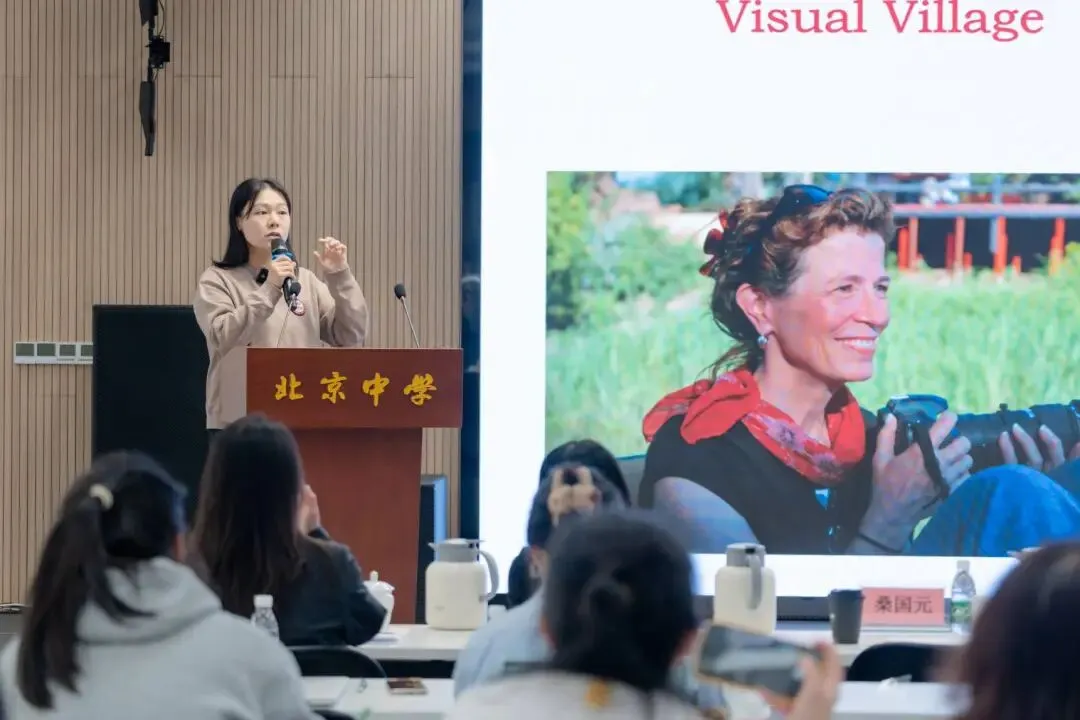
Projects such as coffee-ground reuse and Power of Images connect rigorous investigation with creative action. They allow students to apply knowledge to complex problems and pursue the school's commitment to contributing to a better world.
04 Future Stars Program for Accessibility and Innovation
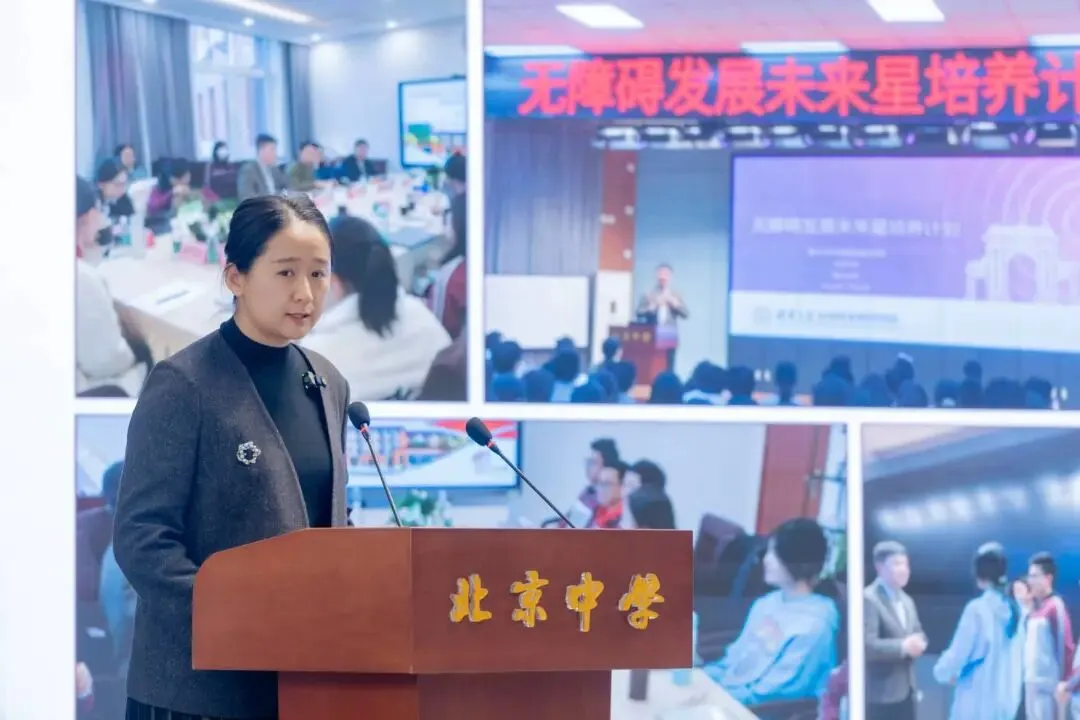
Ren Qiuming presented the Future Stars Program for Accessibility and Innovation. BAID began working with the Tsinghua University Institute for Accessibility Development in 2025, exploring assistive technology and inclusive design through understanding and empathy. The first cohort completed the program in November 2025 after nearly a year of practical research. Students worked in communities on nine innovative projects supporting people with disabilities. The second cohort was scheduled to begin in March 2026, continuing to help students listen to people's needs and identify barriers, then propose thoughtful solutions. Guided by universal design, students consider the perspectives of people who experience exclusion. Interdisciplinary work develops their abilities and sense of responsibility while contributing to a more equal and inclusive society.
The teachers' well-organized presentations offered concrete, adaptable examples of PBL. Participants praised Beijing Academy's work adapting international curricula and making project learning part of everyday teaching.
Keynote: Designing Primary School Projects Around Student Development
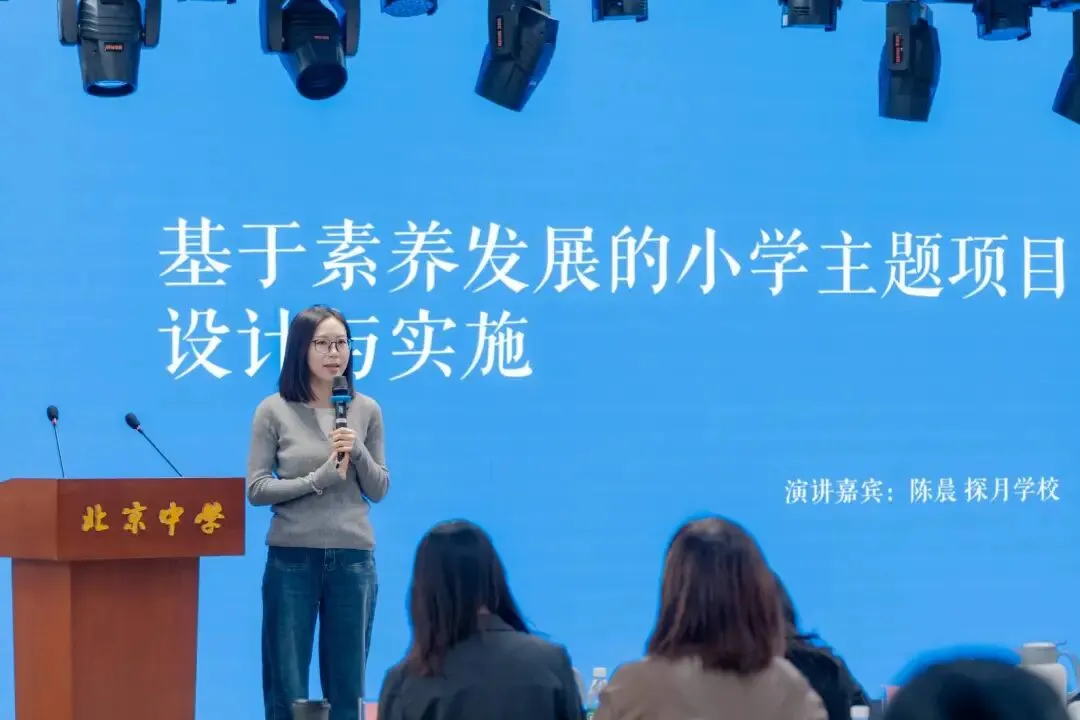
The Vice Principal of the Primary and Middle School Division at Moonshot Academy in Beijing's Chaoyang District discussed thematic project design for primary students. Drawing on the Compulsory Education Curriculum Plan (2022 Edition) and Explorer Competency Model 5.0, the presentation emphasized designing projects around children's cognitive development. It examined tasks disconnected from real situations, superficial combinations of subjects and excessive attention to final results. The Chinese Master Chef example demonstrated a full project with an authentic context and interdisciplinary learning, supported by assessment throughout the process. It offered guidance for PBL across the transition from primary to middle school.
International Perspectives on PBL
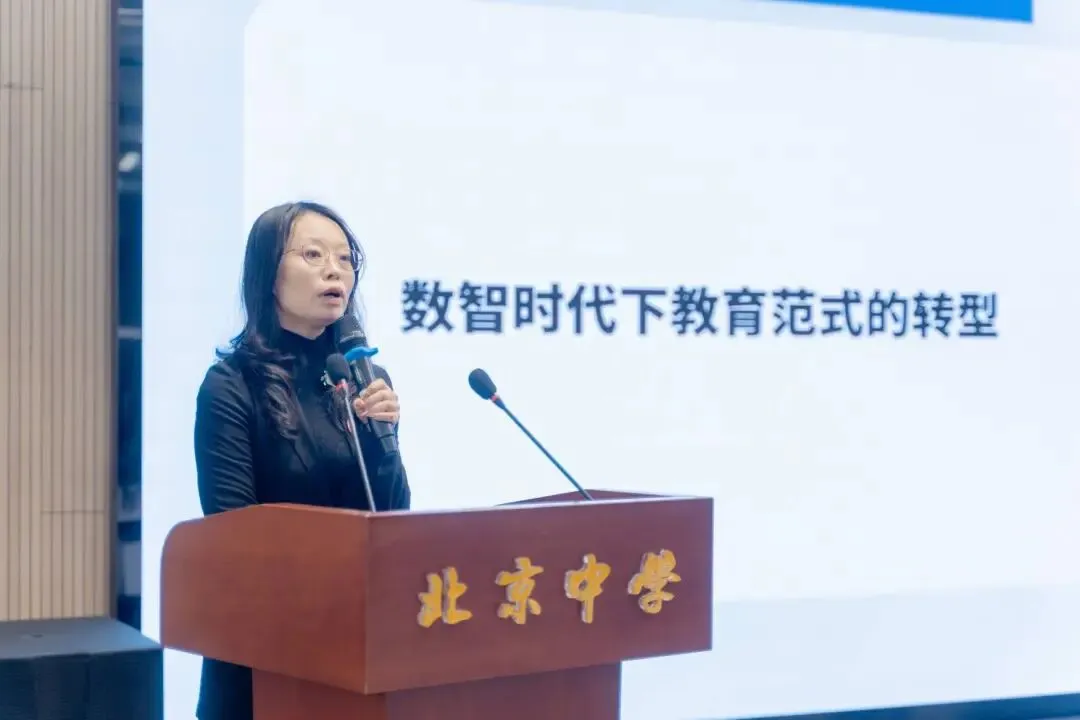
The Director of the International Education Research Center at the Haidian District Academy of Educational Sciences concluded the presentations with a comparison of international PBL approaches. The presentation examined Gold Standard PBL in the United States and phenomenon-based teaching in Finland, along with Singapore's Project Work. It identified increasing emphasis on solving social problems beyond the classroom and integrating subjects deeply, together with developing social responsibility and supporting sustainability. Considering developments in digital technology and AI, the speaker proposed ways to adapt PBL locally. Beijing Academy's work was praised for engaging with international developments while drawing on local culture.
Continuing the Work
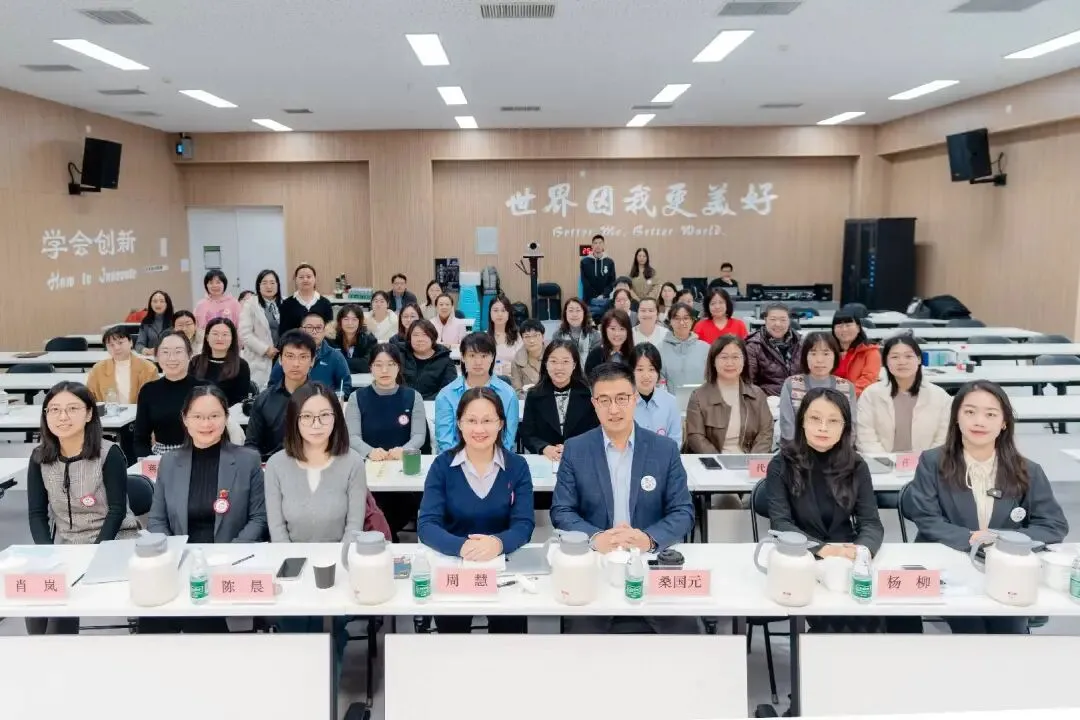
The session advanced Beijing Academy's international curriculum development and offered educators a forum for sharing PBL practice. Discussions connected educational theory with classroom implementation and whole curricula with individual projects. The examples demonstrated how project learning develops students' abilities and supports changes in teaching.
Beijing Academy will continue developing PBL and refining its international curriculum, with increasing emphasis on students' broader abilities. Through an open educational approach and sustained practical work, the school aims to help students develop compassion and competence, alongside responsibility and consideration for others. Their research and creative work will continue expressing the school's commitment to making the world better through their contributions.