Institution Sainte-Marie Beaucamps Students Visit Beijing Academy
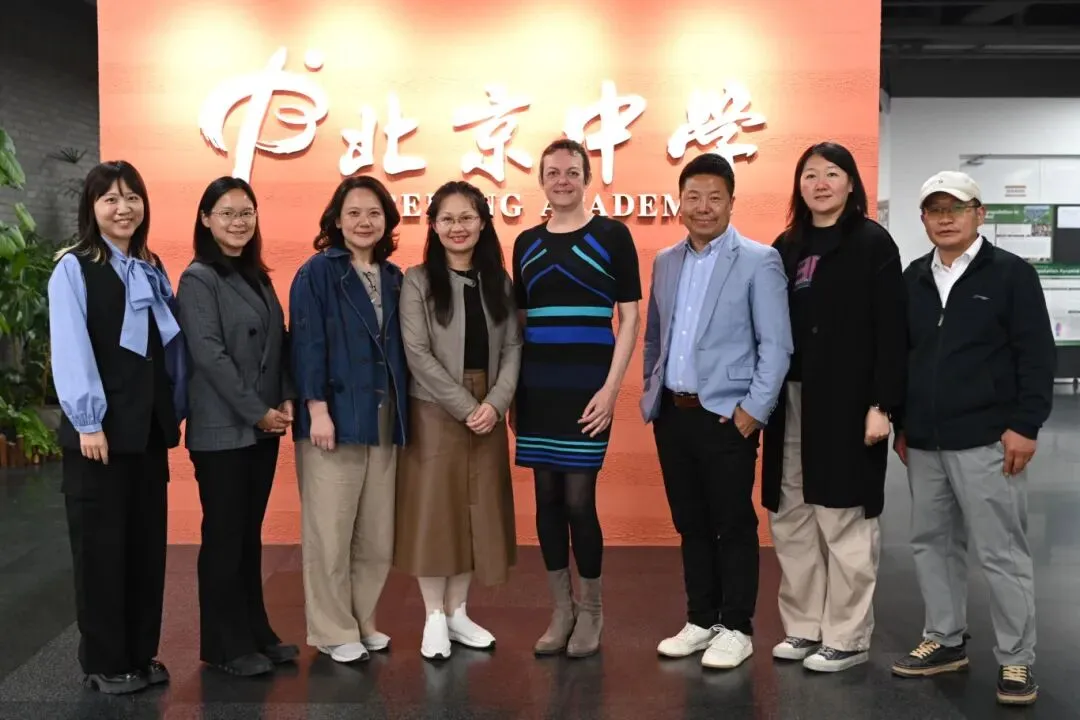
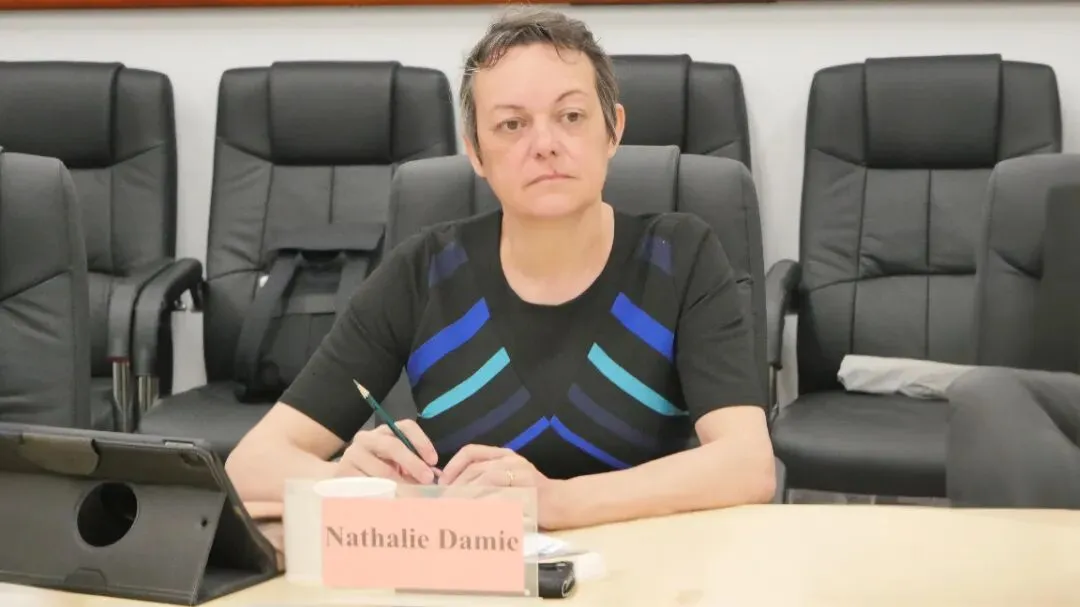
On April 15–16, teachers and students from Institution Sainte-Marie Beaucamps in Lille, France, visited Beijing Academy's main campus for an exchange. Teachers Nathalie Damie and Lyu Congyu accompanied 23 students. The visit gave both schools opportunities to learn about one another and develop their educational partnership.
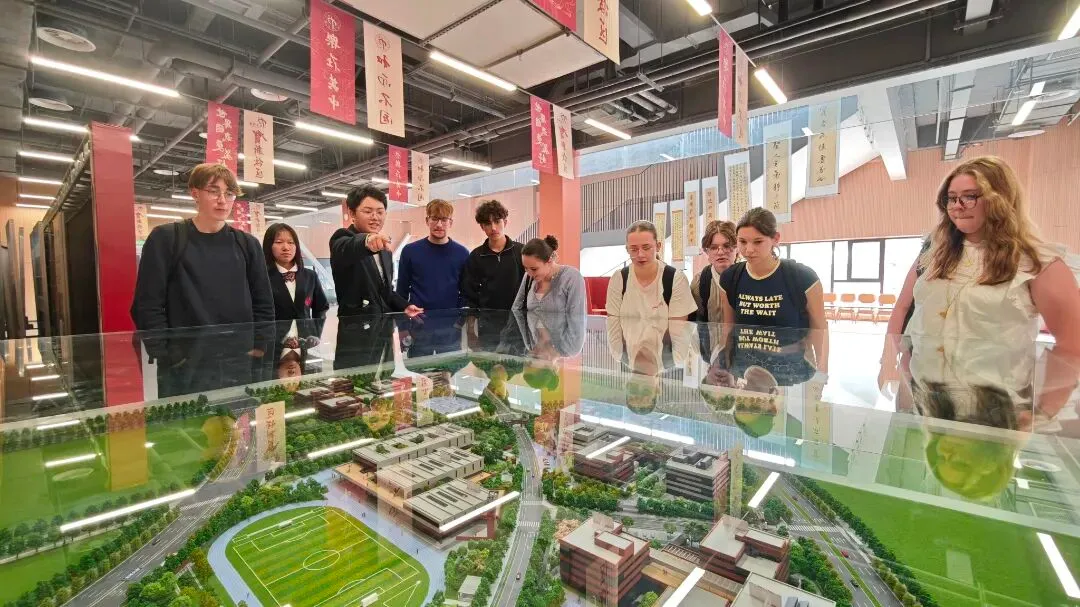
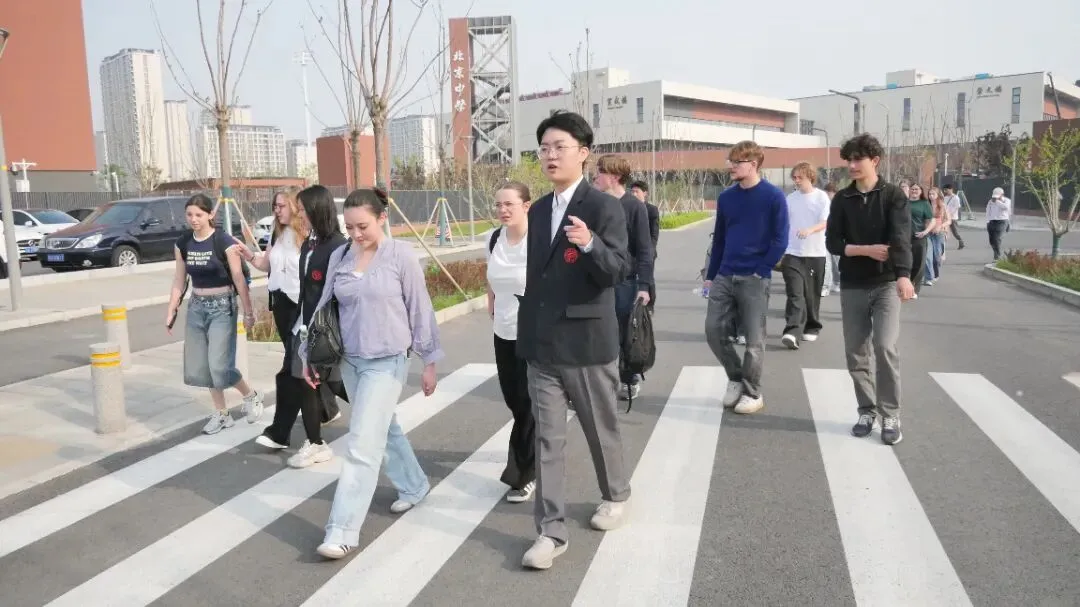
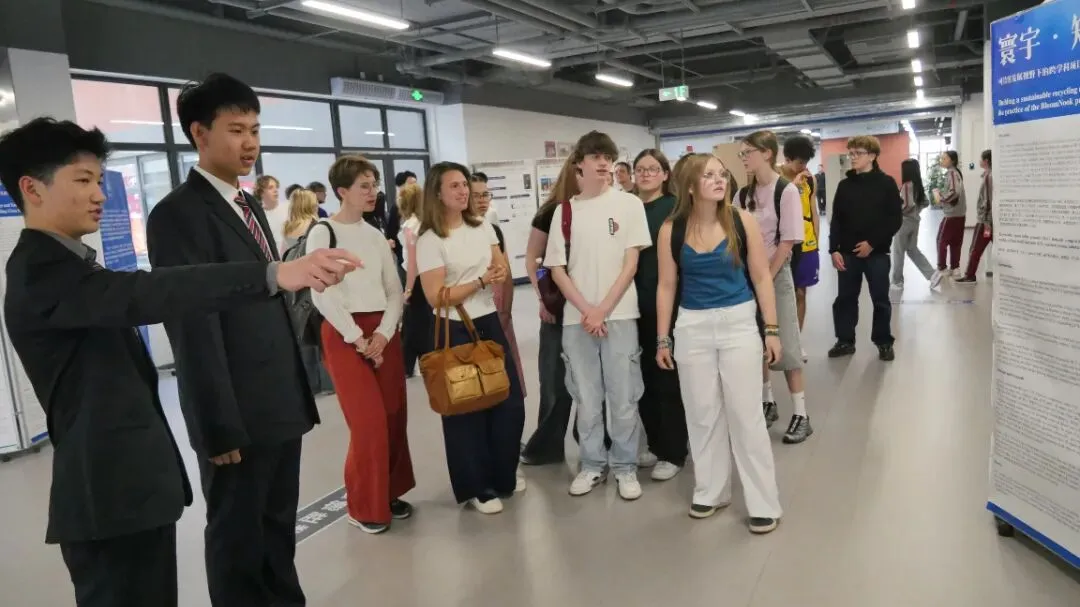
The delegation arrived on the afternoon of April 15 to a warm welcome from Beijing Academy teachers and students. Student volunteers led a campus tour, introducing the school's modern teaching facilities and spaces for its distinctive courses. The visitors were impressed by the campus surroundings and the school's lively cultural atmosphere.
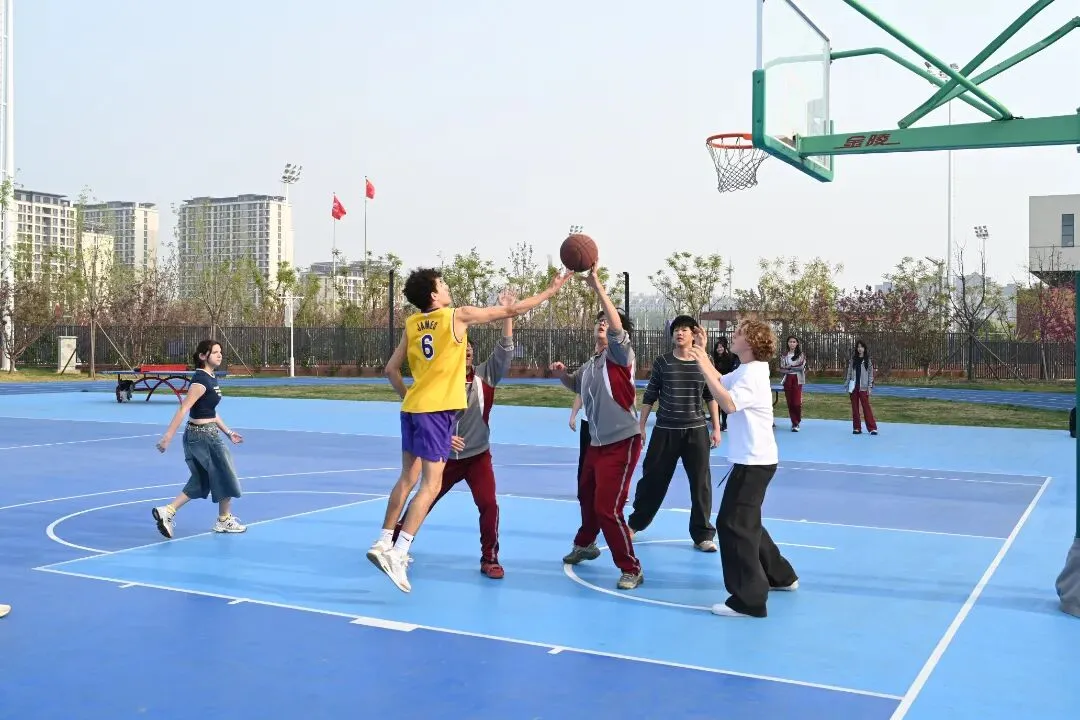
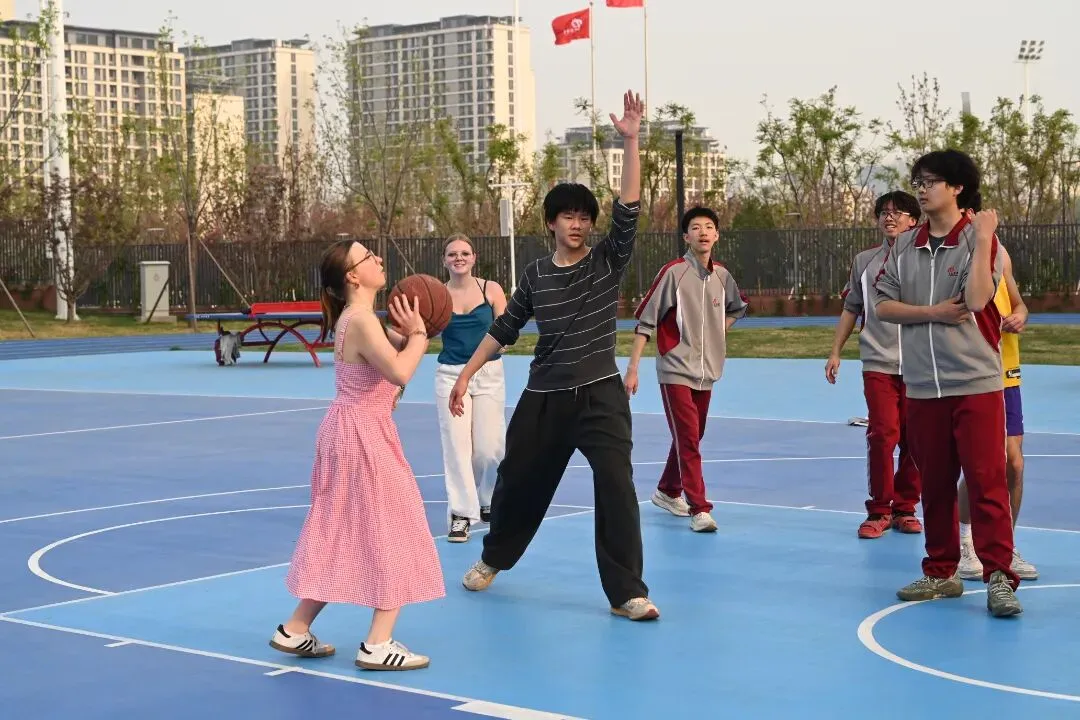
After the tour, students gathered on the playground to talk and play an impromptu basketball game. They worked together easily, laughing as they played. Sharing a sport helped them get to know one another across their different languages.
The French delegation returned on the morning of April 16 for a day of learning. Each visiting student met their Beijing Academy partner and accompanied them to regular classes. The French students joined classroom activities, experiencing the school's teaching and daily routines firsthand.
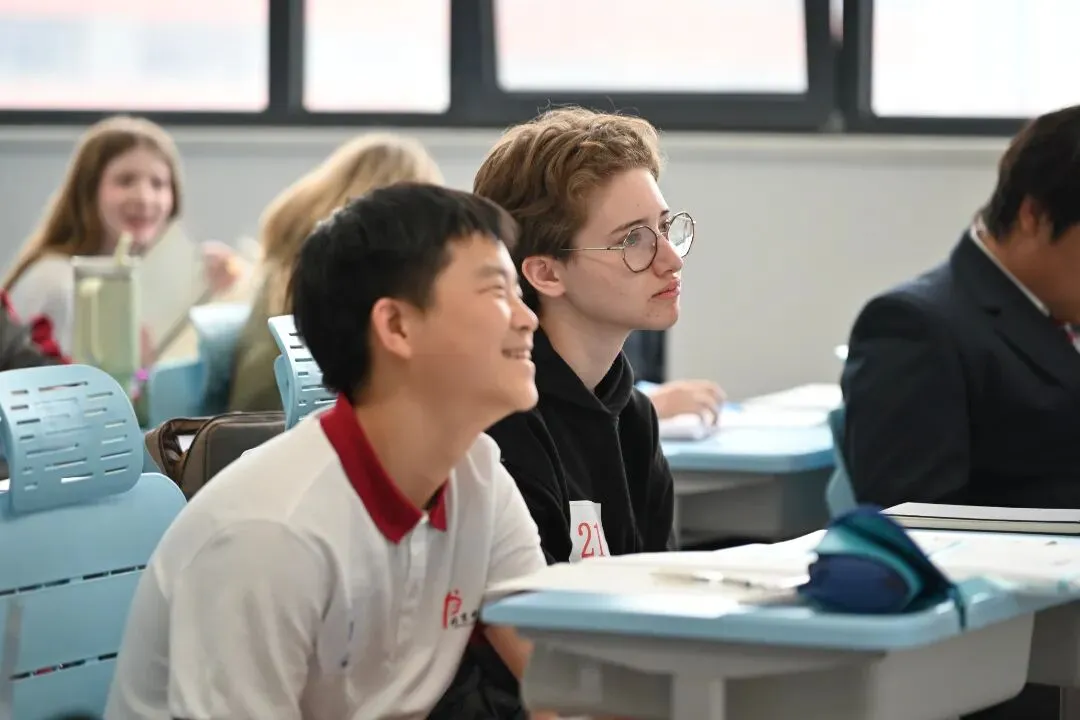
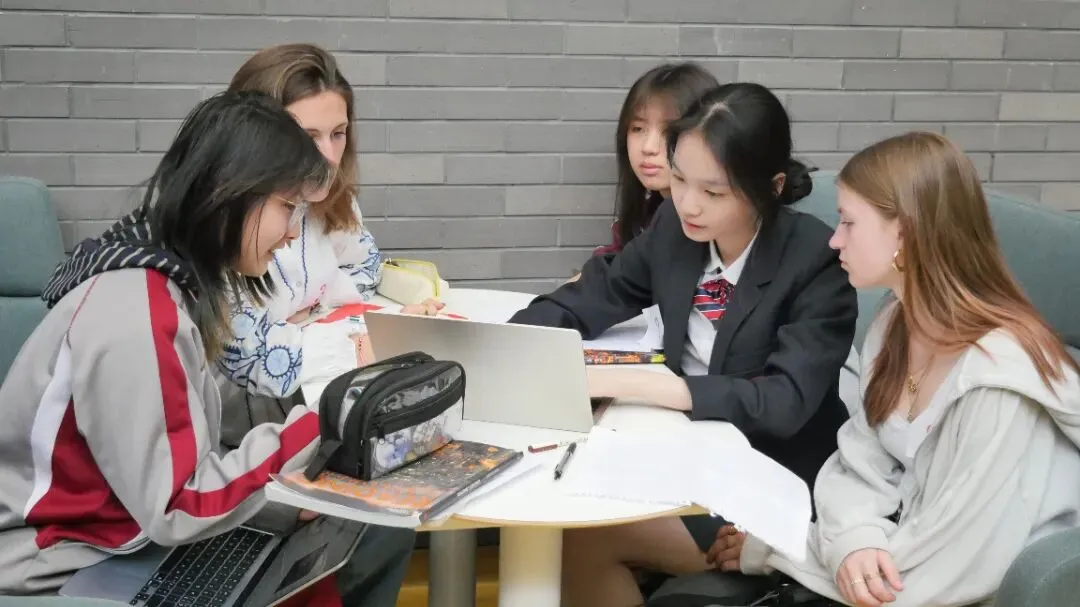
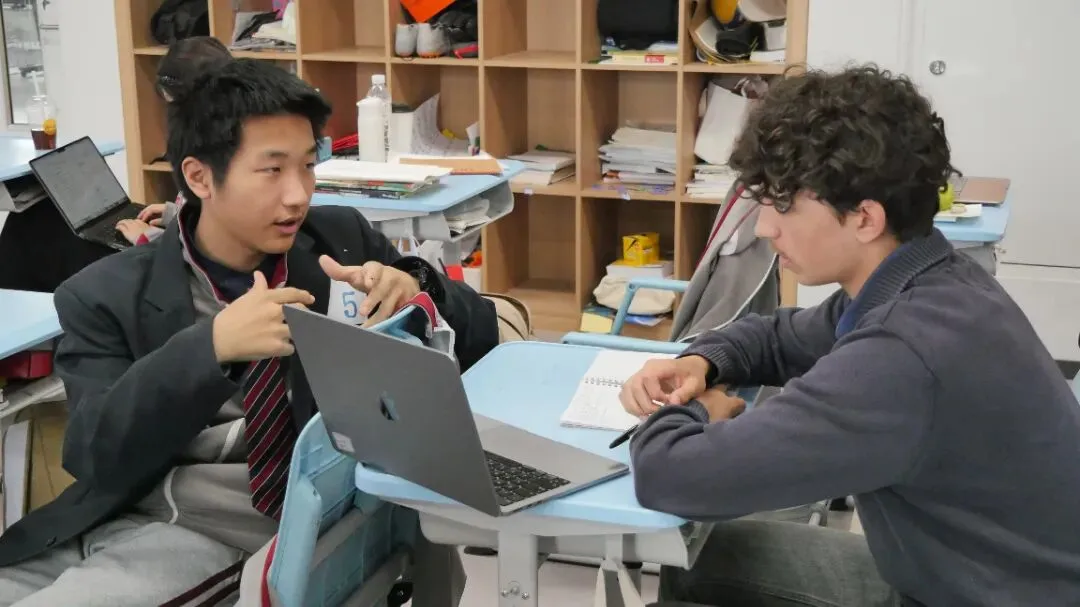
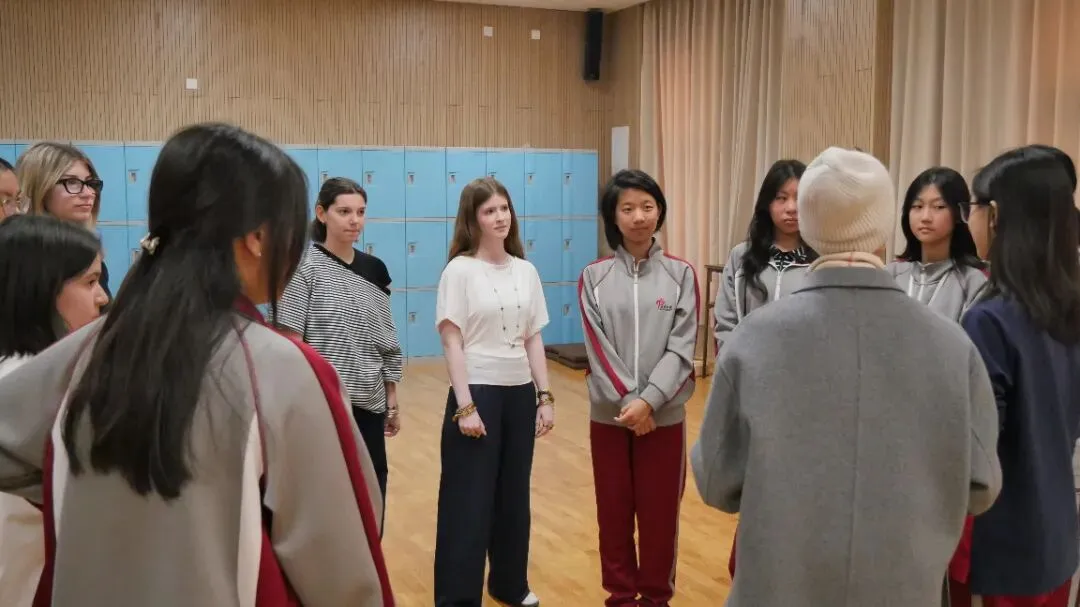
To accommodate the visitors' enthusiasm for Chinese, the school arranged an introductory Chinese lesson. Students practiced expressions and explored Chinese characters in an animated classroom. The French teachers observed lessons as well, praising the classroom organization and educational approach, along with the students' participation.
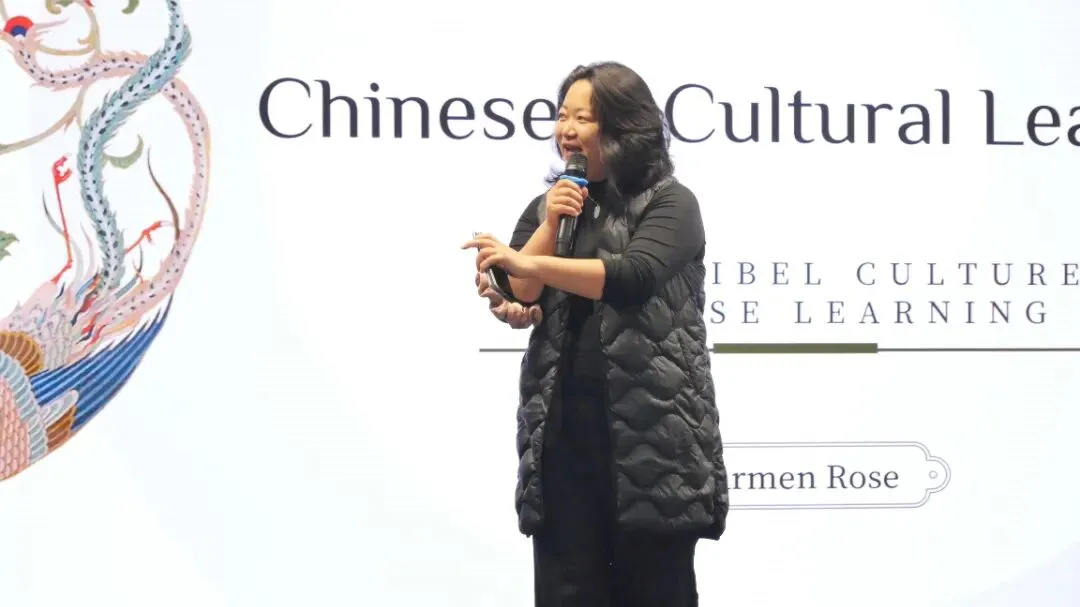
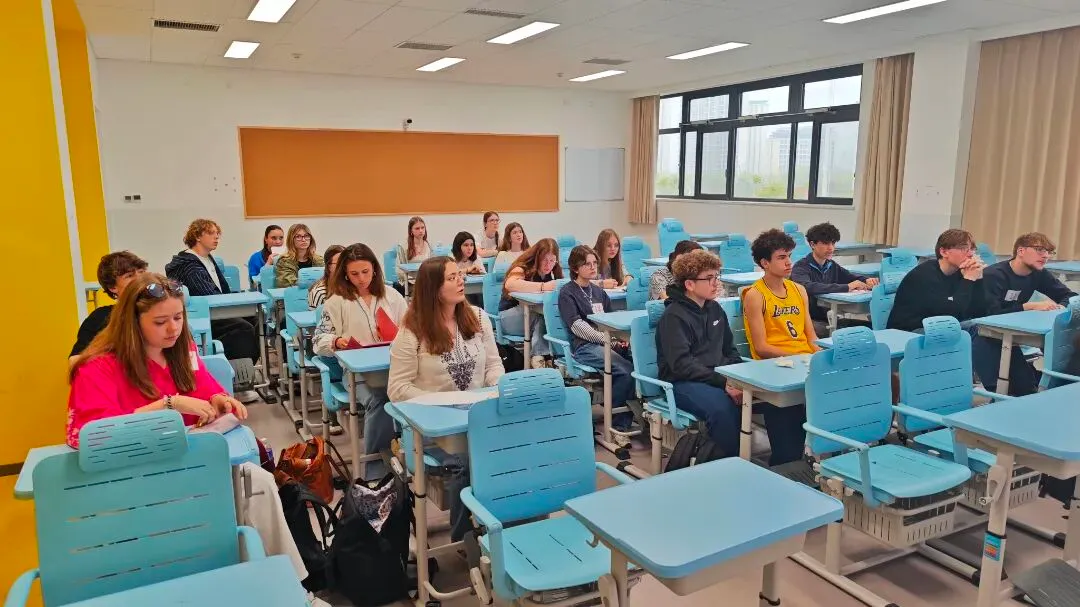
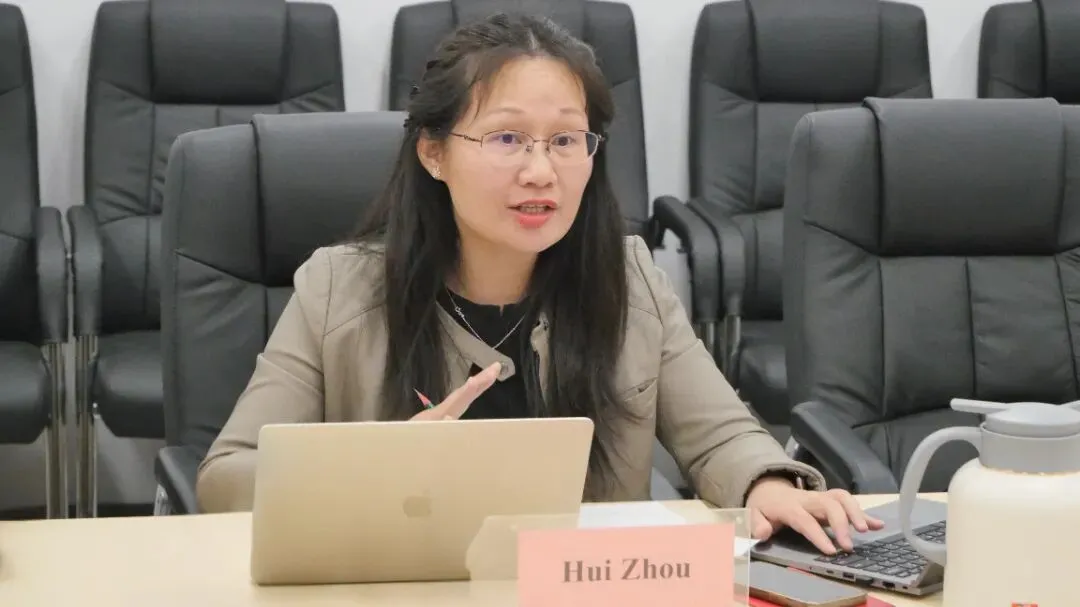
Representatives of the two schools also met that morning. They began with Beijing Academy's tenth-anniversary film, which introduced its development and achievements. Vice Principal Zhou Hui then presented BAID and ISBA, discussing their educational philosophy and curricula as well as international exchange programs. The French teachers expressed their appreciation of the school's progressive approach and openness to cooperation, together with its achievements. Nathalie Damie and Lyu Congyu introduced their own school's distinctive programs and approach to student development. The discussion covered the Chinese and French education systems and students' educational pathways, followed by possible future partnerships. Both sides agreed to pursue further visits by teachers and students, collaborate on courses, and expand cultural exchanges. They exchanged gifts and wrote messages in the guestbook, expressing their hopes for continued cooperation.
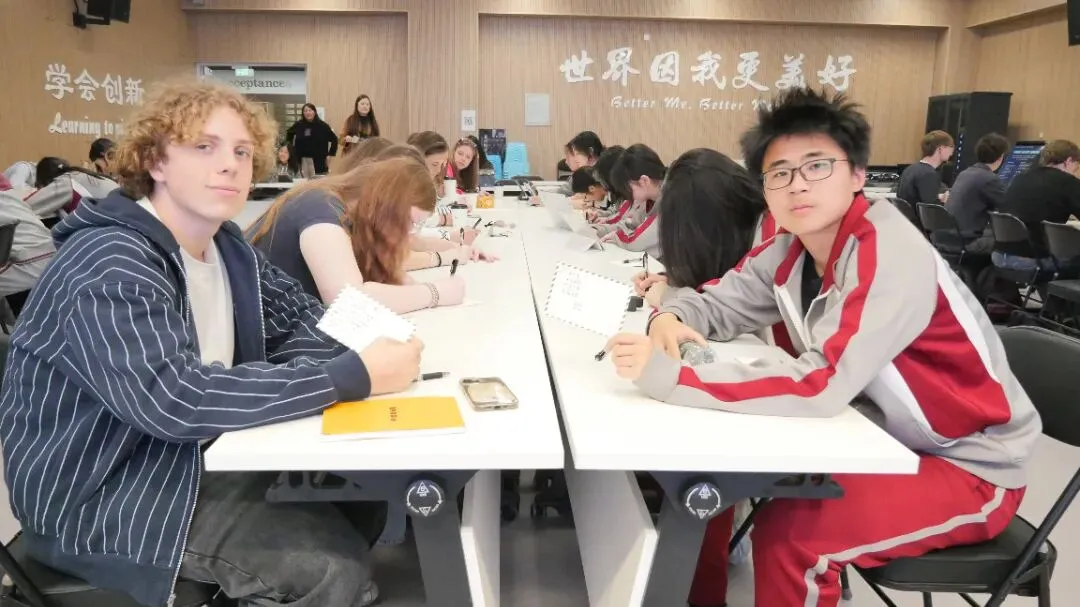
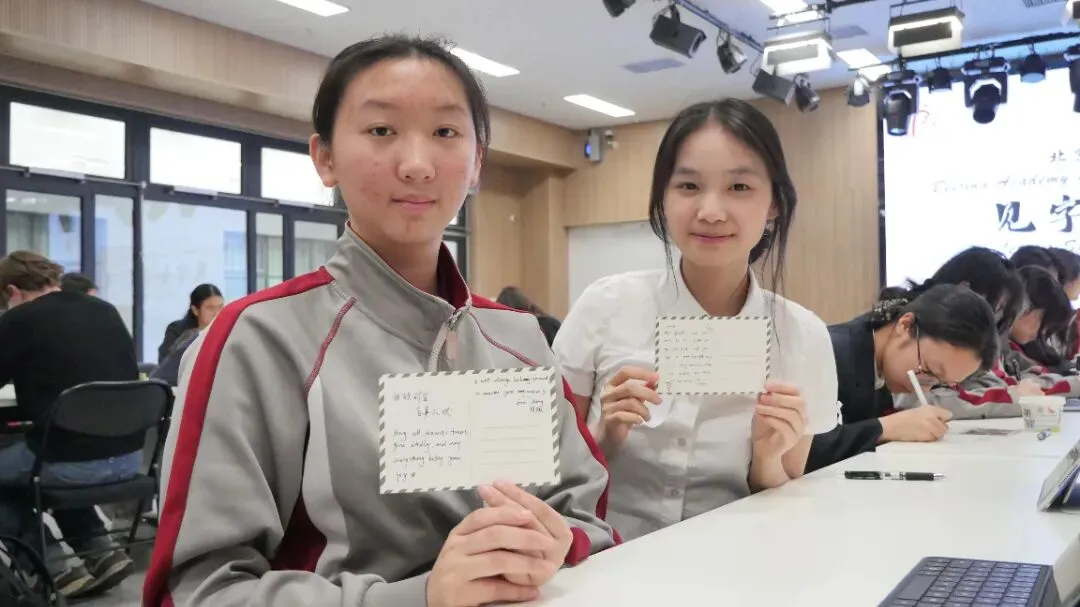
After lunch, students took part in Letters Across Distance. They wrote messages on Beijing Academy postcards and exchanged them as keepsakes. Their heartfelt wishes gave them a lasting reminder of the friendships they had begun.
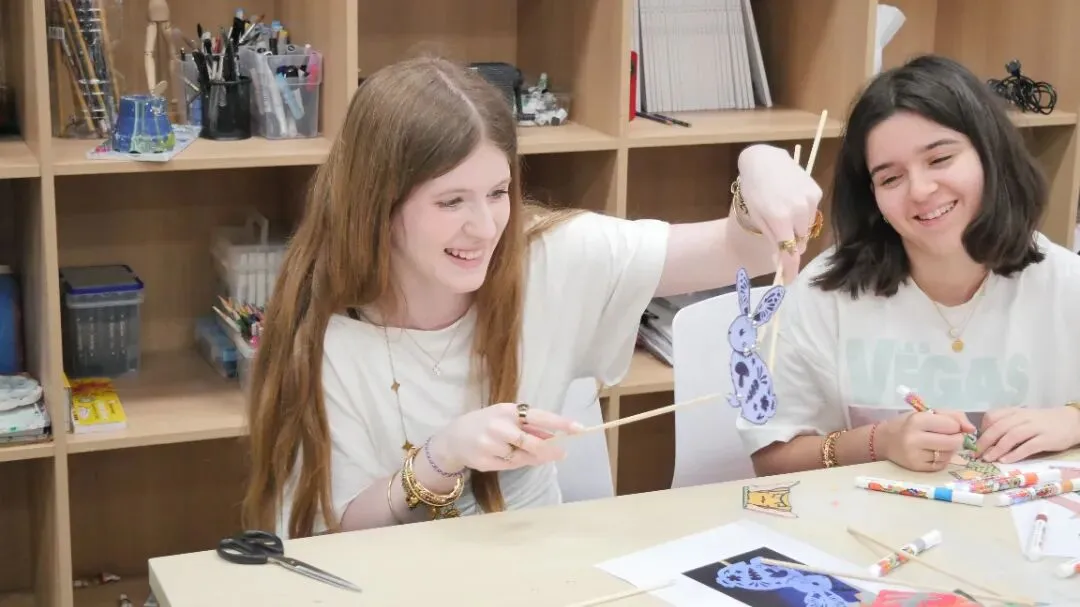
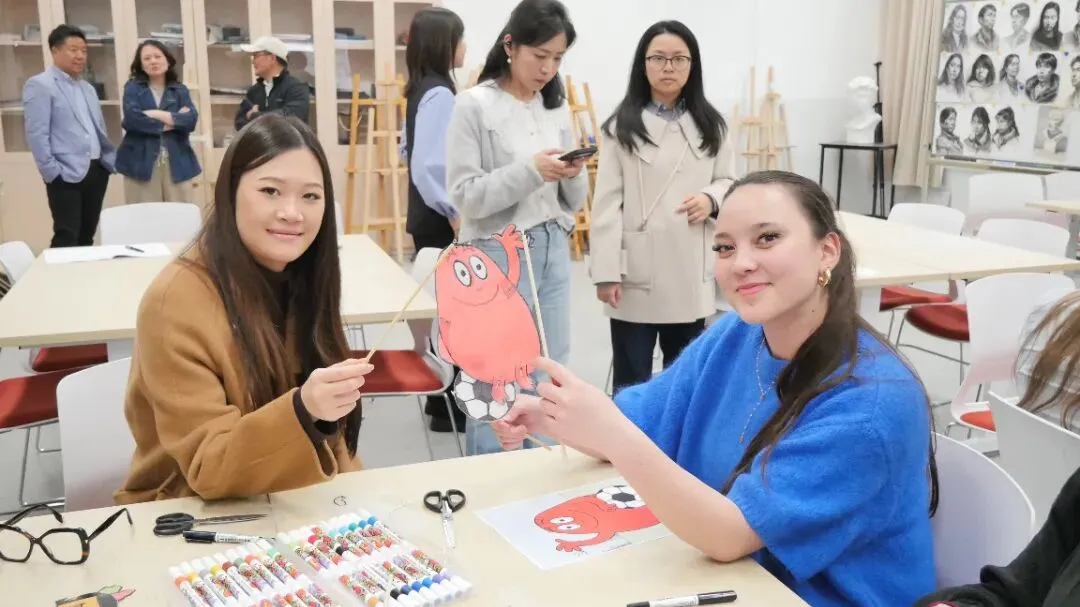
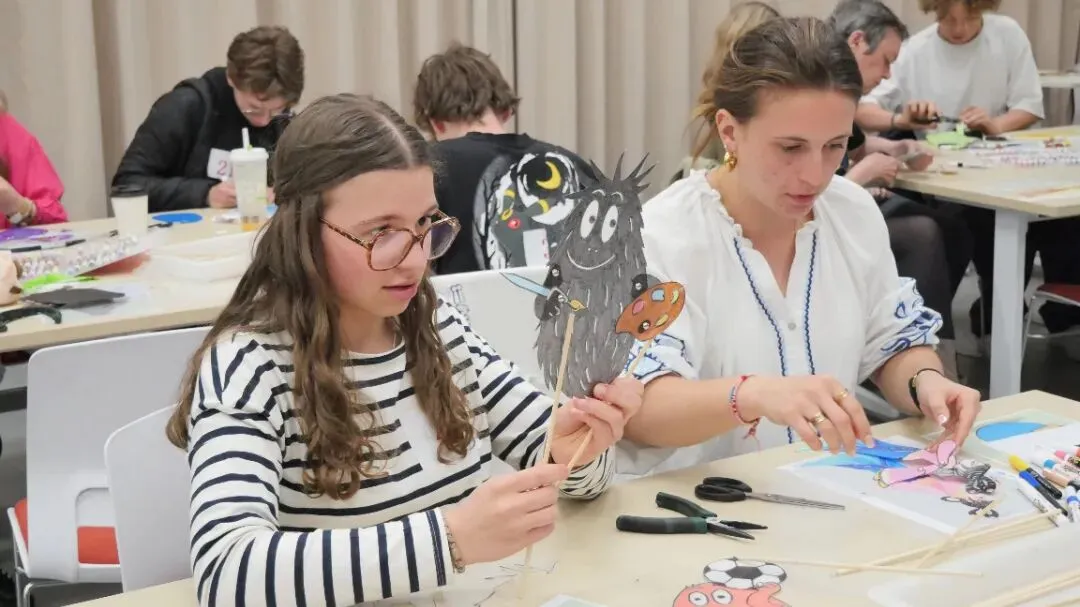
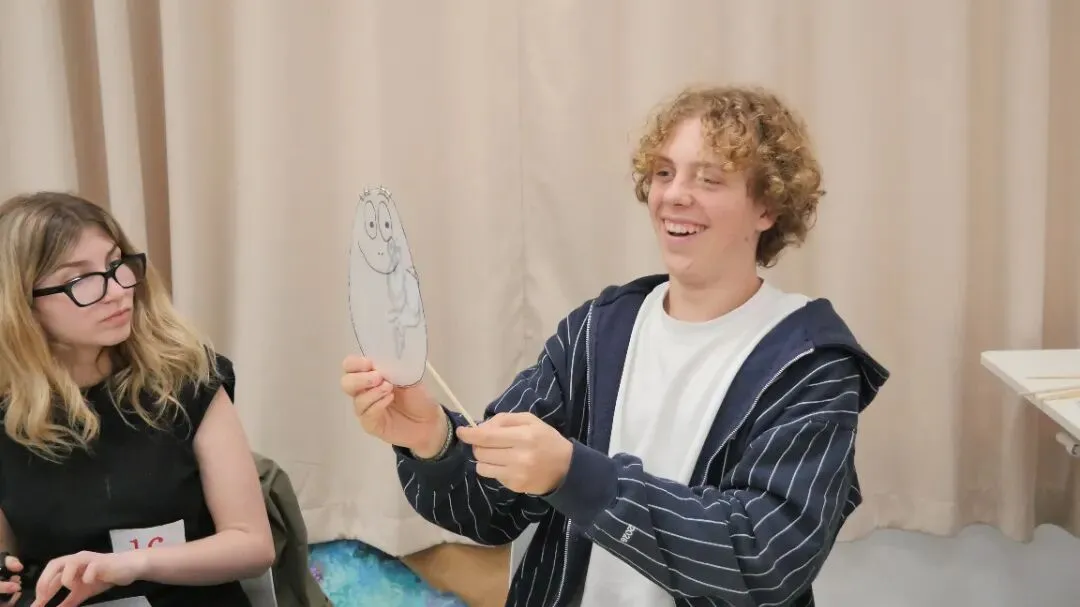
That afternoon, the delegation attended a workshop on making traditional Chinese shadow puppets. Beijing Academy teachers introduced the history and cultural significance of the art, then guided students through making their own puppets. The hands-on session offered a closer encounter with Chinese traditions. At the end of the visit, guests and hosts said their reluctant goodbyes.
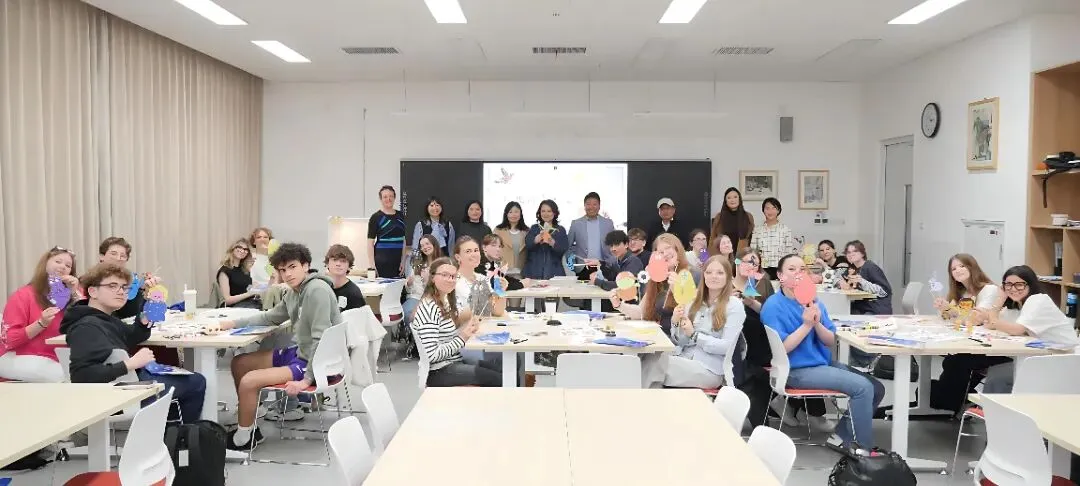
The visit strengthened the relationship between the two schools and helped their students develop mutual understanding and friendships. Beijing Academy will continue expanding international exchanges and partnerships at several levels. Its aim is to help young people develop a commitment to their country alongside an international outlook and the ability to communicate across cultures, contributing to educational and cultural exchange.
Student Reflections
Zhang Xinran
Spending a day with the French students gave me a much more tangible understanding of how we share Chinese culture with others.
When we first met that morning, we were shy and exchanged polite smiles. The relaxed atmosphere of our first Drama lesson soon helped us feel comfortable. We played interactive games together and laughed as we worked with one another. Despite our different backgrounds, we soon felt much closer.
In Mathematics, we worked on the same exercises and could understand one another through the calculations. We compared our approaches and offered hints, discussing how to solve each problem. Coming from different countries and speaking different first languages, we found a natural way to work together.
After the cultural workshop, our guests were excited to tell us what they thought. Their curiosity and delight were evident as they praised Chinese culture. When it was time to leave, they kept offering good wishes and seemed reluctant to go. Later, they sent us messages saying how much the day had meant to them. They loved our campus and the people they had met, and wanted to study Chinese seriously and learn more about traditional Chinese culture.
I realized that these spontaneous encounters can inspire an interest in another culture. A shared lesson or a day spent together, followed by a sincere compliment, had helped students from France develop an interest in China.
The day passed quickly, but it left me with lasting affection and pride. Meeting one another so openly showed me how cultural exchange can bring people closer. Each of us can introduce others to Chinese culture through our everyday interactions.
Xin Yuxin
As a host for the student exchange, I spent a full and rewarding day with my French partner. The experience helped me understand cultural exchange through specific moments we shared.
We were a little reserved when we met, but shared interests and familiar classes soon helped us get along. She joined my regular lessons that morning. In Drama, we took part in lively improvisation exercises; in Mathematics, she experienced our usual classroom routine. We then attended a Chinese lesson arranged for the visiting students. The teacher introduced traditional expressions of good wishes, especially ma dao cheng gong, a wish for immediate success, because this is the Year of the Horse. We also learned about the Chinese zodiac. Watching our guests practice pronunciation and write characters stroke by stroke made cultural exchange feel immediate and real.
At lunch, I took her to try the school's Cantonese food. It was her first experience of southern Chinese cuisine and her first time using chopsticks. I showed her how to hold them, and she soon learned to pick up food confidently. She was delighted by the variety of Chinese cuisine and the distinctive flavors of different regions.
In the afternoon, we finished with Letters Across Distance. We exchanged postcards recording our impressions of the day and our wishes for each other. The messages expressed genuine gratitude and affection, along with our reluctance to say goodbye. Looking at her card, I was moved by how clearly we had understood each other's feelings, despite coming from homes thousands of miles apart.
Cultural exchange happens in ordinary moments. It can be attending a lesson together or sharing a meal. It can be showing someone how to use chopsticks, learning an expression of good wishes together, or exchanging a postcard with a heartfelt message.
Those small experiences brought us closer and showed me how everyday kindness connects Chinese culture with people elsewhere. I have carefully kept her postcard. It is a precious reminder of our day and the best gift I received from the exchange.
Duan Ran
I learned a great deal from the school's exchange with the French students. My partner was Clem, and even our short time together showed me the pleasure of getting to know someone from another culture.
We attended two EFL lessons together. Eye contact and smiles helped us communicate across our different languages. Seeing Clem listen attentively and join discussions reminded me that learning together allows both people to encourage and learn from one another.
Over lunch, we talked about our schools' courses, then discussed food and travel. He tried saying the Chinese expressions for thank you and delicious. His sincere effort showed me how curiosity and goodwill can help people communicate.
Letters Across Distance was the part I remember best. I handed Clem the letter I had written, and he carefully gave me his in return. As I unfolded it, I read about his fondness for Beijing Academy and his appreciation of our campus atmosphere. His words conveyed the sincerity of someone my age from another country, making us feel close despite the distance between our homes.
The exchange helped me practice English and communicate across cultures. It also taught me the value of listening and trying to understand another person. I am grateful to Beijing Academy for giving us this opportunity to meet people from around the world on our own campus. I will remember what I learned and continue exploring with a broader outlook.
Ju Zimu
During the exchange, I hosted a French student and attended two classes with her. At first, she was very shy and spoke little, mostly sitting beside me and listening.
During a class discussion, I moved my notes over so we could look at them together. Watching her expression, I told her she could ask me about anything she found confusing, and I would explain. She told me softly that she lacked confidence in her English. As we talked more, she gradually spoke more freely, and I discovered how many ideas she had. When she told me she liked noodles, I excitedly replied that I did too. We compared the ways noodles are prepared in China and the West. That conversation helped me see how a first gesture of kindness can bring people closer.
By lunch, she was much more relaxed. She came over to see what I was writing and occasionally made a little joke. It felt wonderful to see her become comfortable so naturally over the course of the morning.
Looking back, I think friendships often begin this way. People start out unfamiliar with one another; when someone offers kindness, the other person often responds. Our patience and sincerity helped us feel comfortable together, and we have become good friends. The exchange left me eager for more opportunities like it, and I look forward to our friendship continuing.