U.S. Embassy Officials Explain Student Visa Procedures for 2026
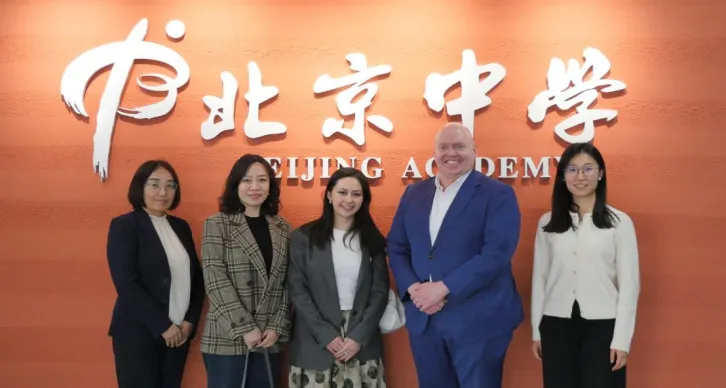
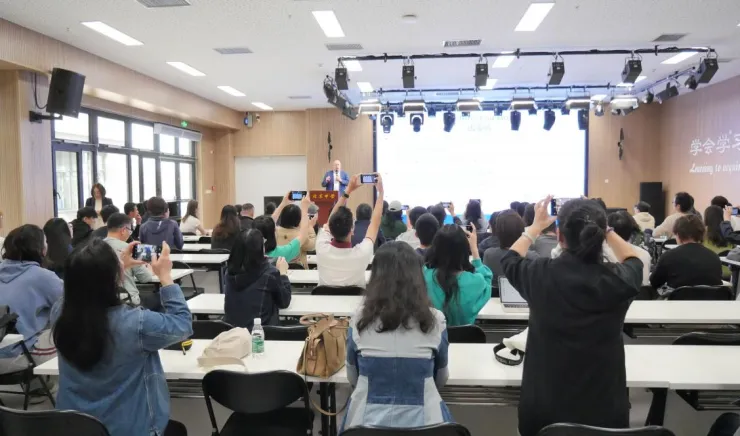
On April 23, Beijing Academy welcomed Alisha Ciaffone, Vice Consul in the U.S. Embassy's Visa Section, and Education USA Cultural Affairs Officer Christopher Willford for a presentation on student visas and preparing to study in the United States. With fall 2026 enrollment approaching, they addressed questions from students and families about preparations and campus life, safety and compliance, and visa applications and arrival procedures.
Preparing for Life on Campus
Christopher Willford discussed cultural adjustment and campus safety, alongside employment and internships. He encouraged students to report to their university's international student office after arrival and attend orientation to learn campus procedures. He described U.S. courses as combining lectures with small-group discussions and emphasizing participation and independent thinking. Managing time and prioritizing assignments would help students succeed academically.
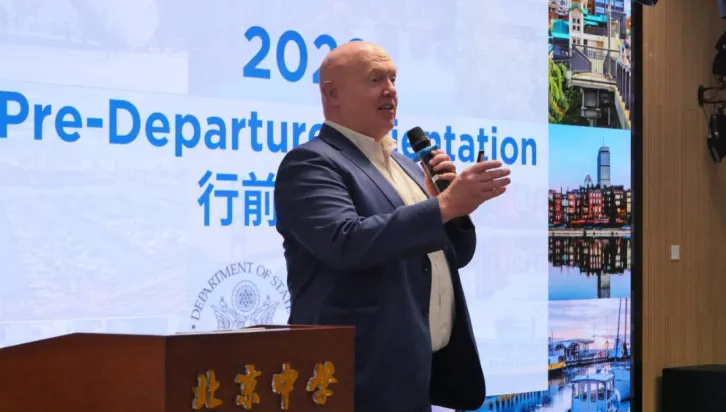
Willford explained that culture shock is common. He encouraged an open mind, exploration of the campus and city, and patience while adjusting to accents and everyday expressions. Practical suggestions included agreeing on expectations with roommates and trying new experiences, planning courses carefully and recording add/drop deadlines, and using a planner for assignments and important dates.
Campus Safety
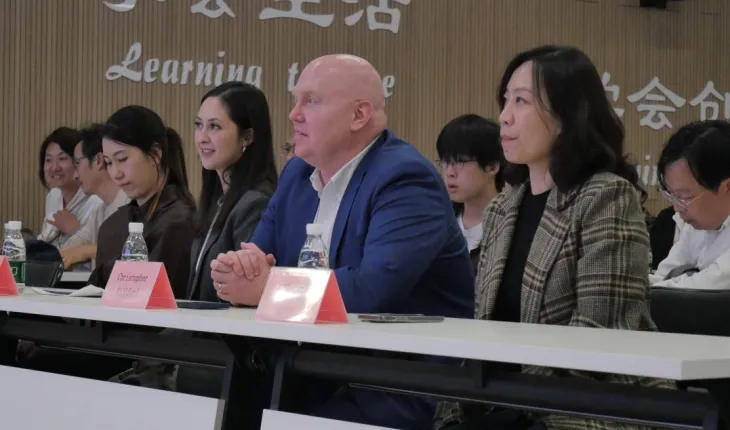
Discussing safety, Willford encouraged students to locate campus police and health services and save their contact details. He urged them to seek university support for academic pressure and emotional difficulties, as well as everyday problems. He also emphasized strict institutional rules on alcohol and drugs and the importance of complying with them.
Internships and Work
Willford outlined the following points about work and internships:
- He described on-campus employment as limited to 20 hours per week during the semester and up to 40 hours during holidays.
- Curricular Practical Training can form part of course credit or graduation requirements.
- He described post-graduation Optional Practical Training as a 12-month period of paid training, with an additional 24 months available to eligible STEM graduates.
- He advised students seeking paid work to obtain a Social Security number or tax identification number with help from the international student office.
The Visa Application Process
Vice Consul Alisha Ciaffone explained visa procedures and key requirements. She said national security and preventing fraud guide consular review. False statements or forged documents can lead to refusal and potentially permanent restrictions on entry.
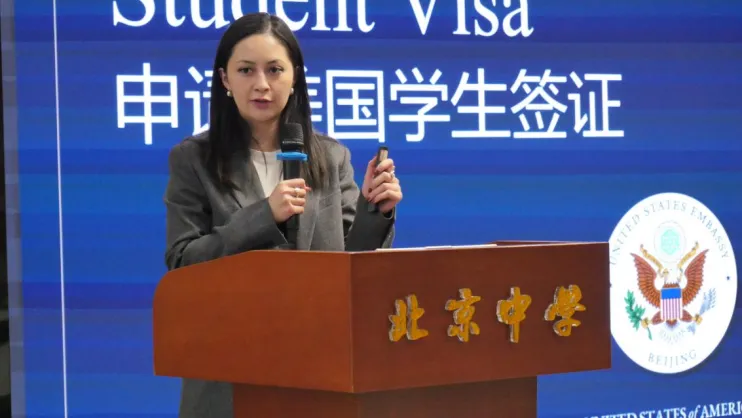
Ciaffone advised students to prepare the required documents carefully. Interviews are generally brief, usually under five minutes, with direct questions about the applicant and intended studies, funding and plans after graduation. Preparation and truthful answers help applicants explain their circumstances clearly. She also described mandatory social media screening, saying applicants should accurately report accounts used during the previous five years on the DS-160. Examples included WeChat and Douyin, Xiaohongshu and Weibo, Instagram and Facebook. She recommended making accounts public to facilitate review and warned that concealed or omitted information could lead to refusal.
Arrival and Student Status
Ciaffone highlighted these requirements concerning entry and remaining in the United States:
- A visa permits travel to a port of entry, where Customs and Border Protection officers decide admission.
- Students can enter up to 30 days before the program start date on their I-20.
- Students must maintain full-time enrollment and academic progress while following U.S. law.
- She described a 60-day departure period after the program ends and advised submitting an extension request at least 45 days before expiration.
- She warned that overstaying could invalidate a visa and lead to entry restrictions or other legal consequences.
Questions from Students and Parents
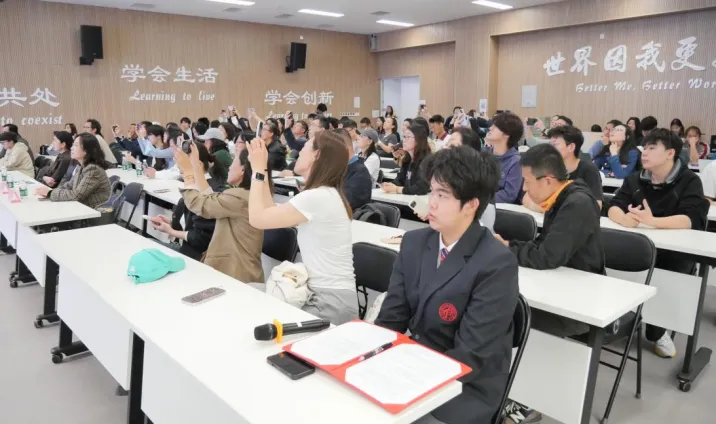
The speakers concluded by answering questions. With Beijing appointments already extending into mid-July, they suggested considering Shanghai, Guangzhou or Wuhan, and requesting an expedited appointment in special circumstances. They also said students awaiting waitlist decisions could apply using an I-20 already received, then update the school information through SEVIS if their destination changed.
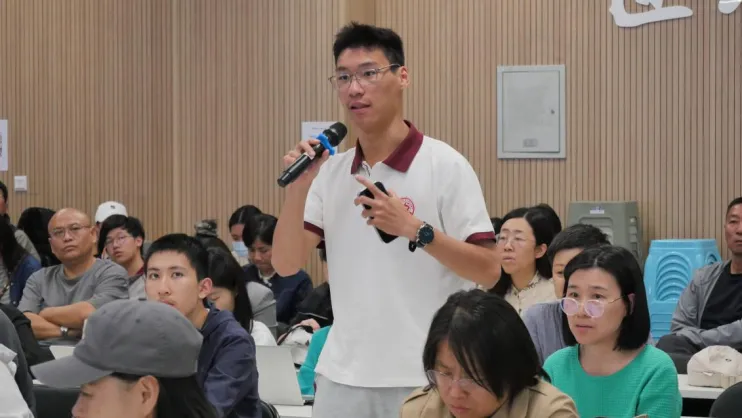
The presentation helped the Class of 2026 prepare for the process from visa applications to arrival and campus life. The speakers encouraged early planning and accurate applications, active adjustment and seeking support when needed. We hope students begin their overseas studies well prepared and confident, ready to learn in a new environment.
Thank you to the U.S. Embassy Visa Section and Education USA for their explanations and support for our Class of 2026 students preparing to study in the United States.