#GraduateStory | Ryan Wang: From a Frame of Life to the Fabric of Society
University | Wesleyan University |
Major | Government |
Part 01: Photography and Society
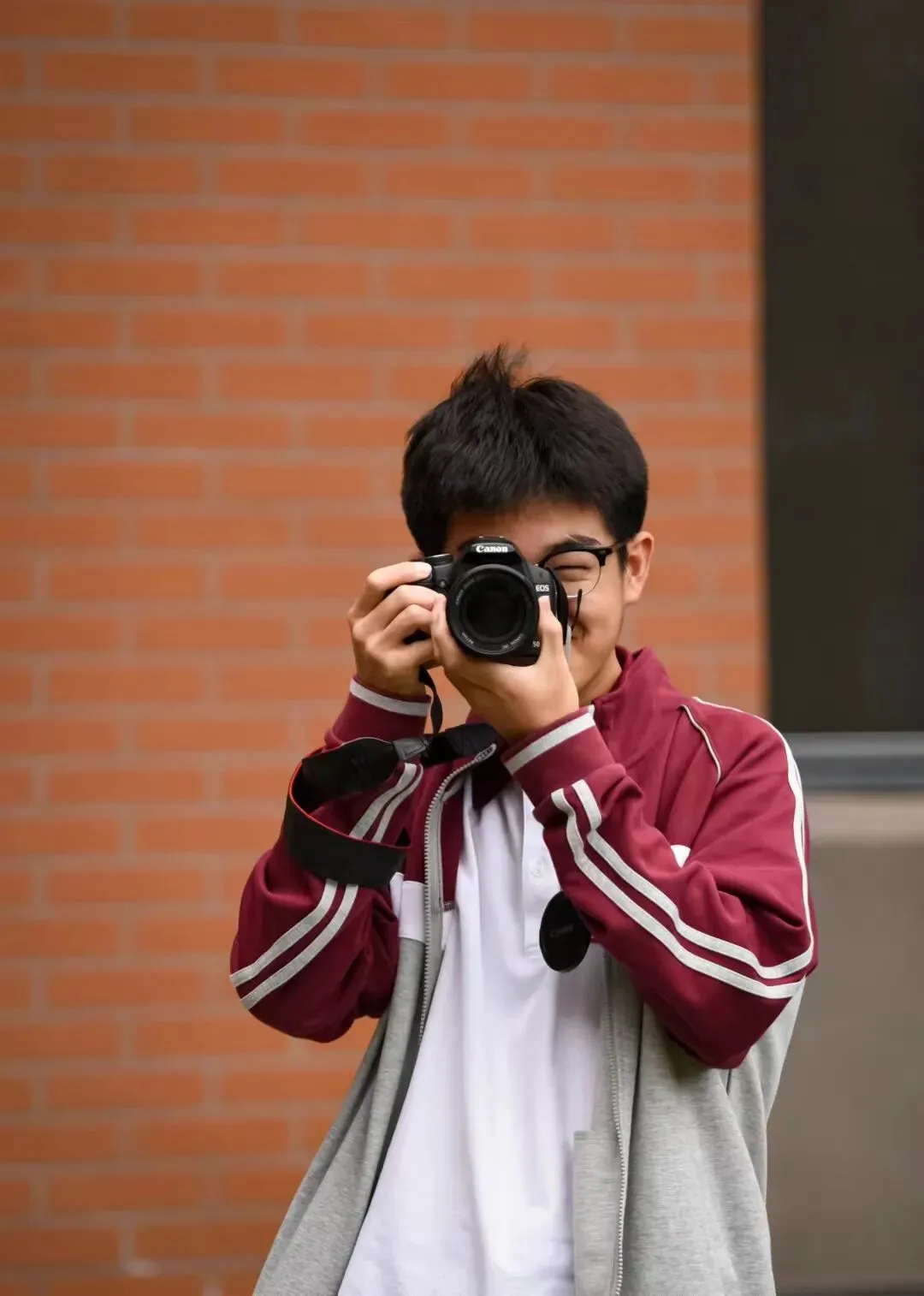
I received my first camera when I was four: a low-resolution CCD model.
Photography has accompanied me through much of my first eighteen years. My own photographs helped me observe people and society, while others' photographs introduced me to more of the world. As my cameras improved, my understanding of society developed too.
I describe myself as a social photographer because photography reflects how I investigate society. When an event catches my attention, I want to document it and understand its causes, including what each person involved is experiencing.
My attention naturally returns to those questions.
Since middle school, I have enjoyed political news. Controversial events, wherever they occur, prompt me to investigate what is happening and the information and reasoning behind it.
Those questions led me to social science.
Part 02: Politics and Different Preferences
In Grade 10, I joined our grade's electronics proposal team. Beijing Academy requires students seeking permission to use electronic devices at school to submit and defend a proposal.
We first investigated students' and teachers' actual learning and teaching needs. After drafting the proposal, we presented it to school leaders and teachers and discussed it with them. At the time, I felt I was advocating for rights on behalf of myself and my classmates.
Later, I described that experience and my interest in politics during an interview. The interviewer said, “I can see why you like politics. What you have been doing is politics.” I paused, surprised. I had represented a group, proposed changes to rules within a small community, and tried to put them into practice.
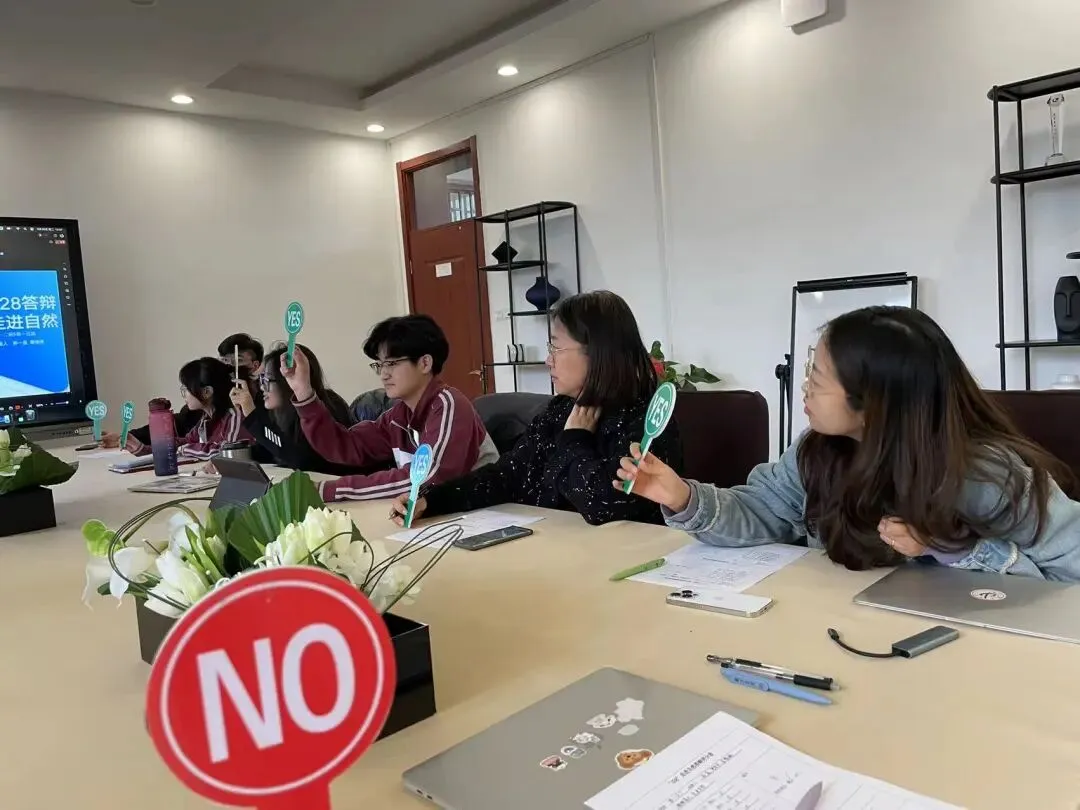
Serving as a student member of the Cafeteria Committee made that understanding more concrete.
We collected teachers' and students' suggestions and discussed them with the cafeteria manager and chef, campus leaders and parent representatives. Meetings identified weaknesses to improve and strengths to preserve, and clarified which changes were feasible and the reasons for any constraints. Our work involved representing a community while considering different interests.
Some people wanted less salt, others more; some wanted additional spice, while others found the food too spicy. The saying “It is hard to please all tastes” became particularly clear through that work. Similar disagreements occur daily in politics.
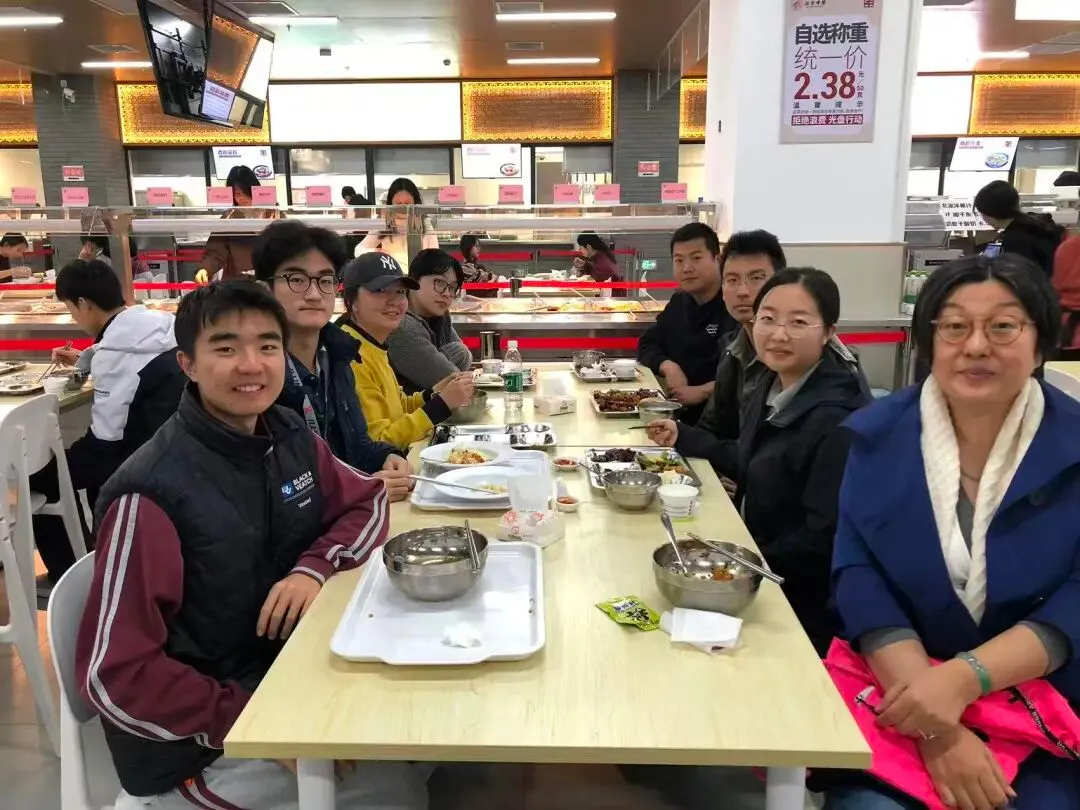
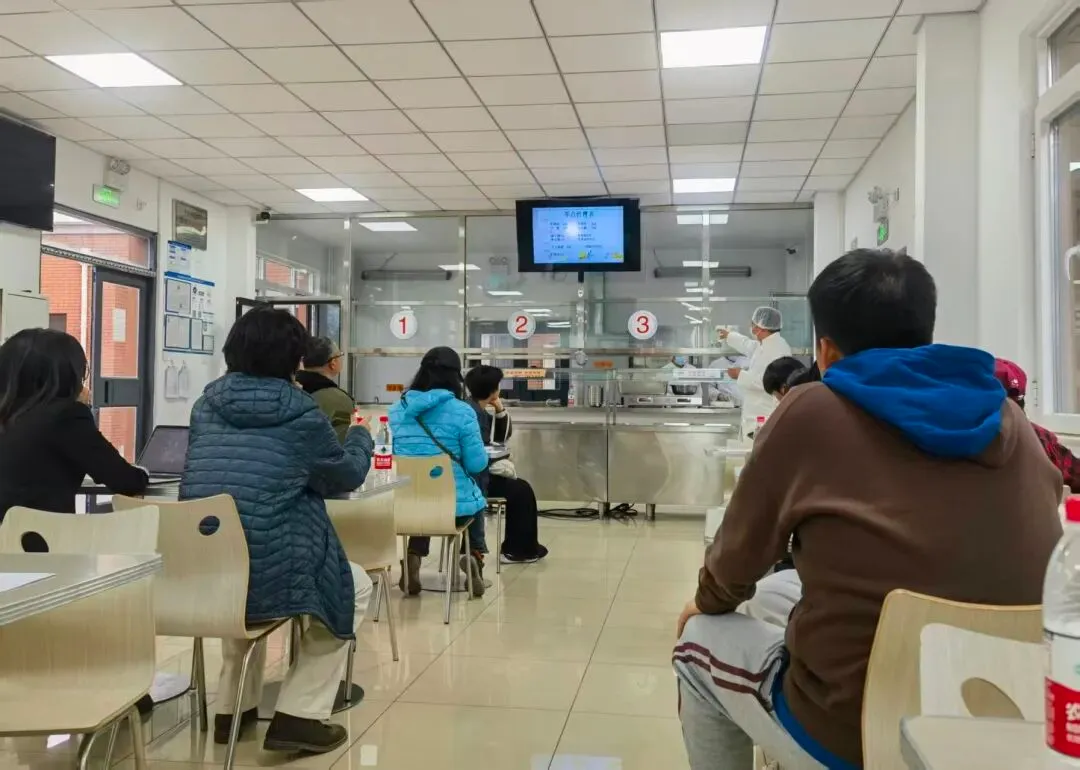
Repeated discussions helped me recognize a representative's central responsibility: conveying the group's perspectives as objectively as possible. Working with the school and catering company also revealed the difference between proposing ideas and implementing them.
After joining proposal reviews, I began helping younger students revise submissions. I considered the merits of an idea alongside its feasibility and risks, helping others develop plans they could carry out.
Part 03: Learning Through Fieldwork
Alongside participating in democratic school governance, I pursued academic investigations with the school's support throughout high school.
Our Grade 10 Experiential Course took us to Sichuan, including the Buddhist site Mount Emei. Before departure, I read an online article describing young people seeking reassurance through temple visits while facing pressures from education, work and personal development. Long queues formed outside The Lama Temple in Beijing for prayer bracelets and comfort.
We decided to compare the two locations to investigate the social psychology behind this growing interest in Buddhism.
Through questionnaires and interviews at The Lama Temple and Mount Emei, we discovered that most respondents buying accessories or worshipping had never formally become Buddhists. Some also had limited knowledge of basic Buddhist teachings. The findings surprised us.
This was my first experience of fieldwork. We handed out questionnaires and spoke with strangers, eventually collecting enough data despite repeated refusals. Direct contact offered something distinct from classroom learning. Behind statistics and news headlines were particular people and their stories.
During Beijing Culture Exploration Program, I later researched the preservation of traditional Beijing street vendors' calls. Visiting neighborhoods near the Drum Tower and Shichahai allowed us to investigate a disappearing sound and reach interesting conclusions.
In Grade 11 MFP, classmates and I compared teenagers' access to healthcare in China and the United States. Our sample included Beijing Academy students and students at its American partner, Glen Rock School. We found substantial differences in approaches to seeking care and sources of insurance, along with access to health education. We consulted broader existing research to investigate the institutional factors behind those findings.

Each research project developed my academic skills and broadened my understanding of society.
Part 04: Caring for People Nearby and Far Away
My longest involvement at Beijing Academy was with the BAID Cultural & Creative Club, one of the student company's two principal operations. I joined in Grade 10 and continued through Grade 12, serving one term as CEO.
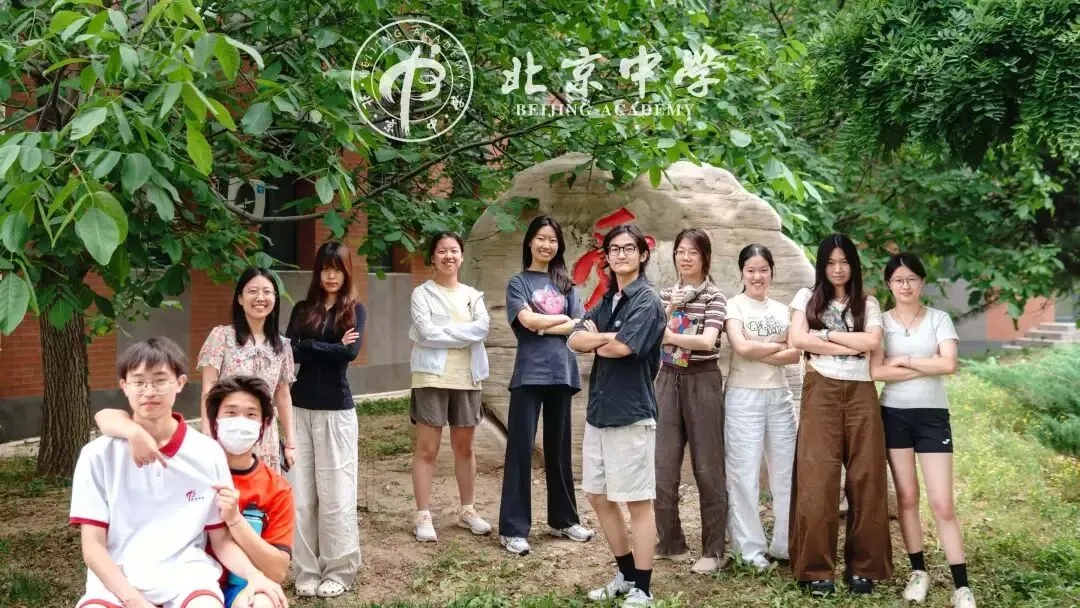
I regard the club as an idealistic community. We apply economics from class to designing and pricing merchandise, then selling it in a real market. All profits support charitable work.
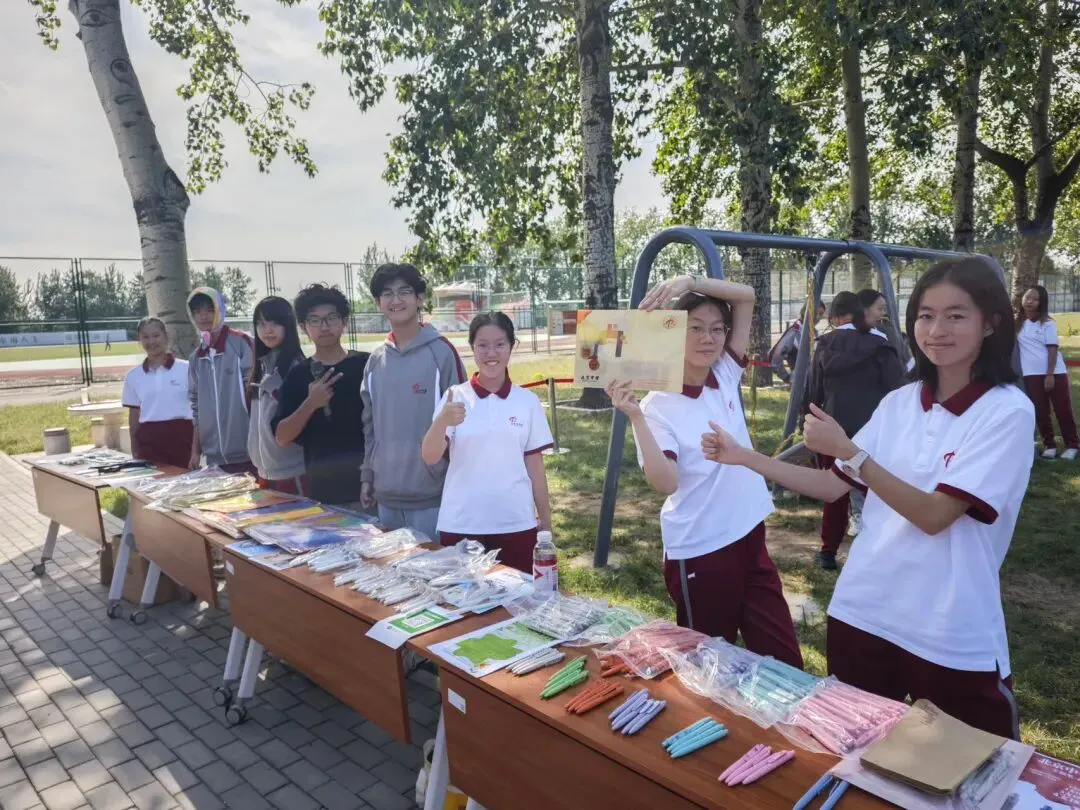
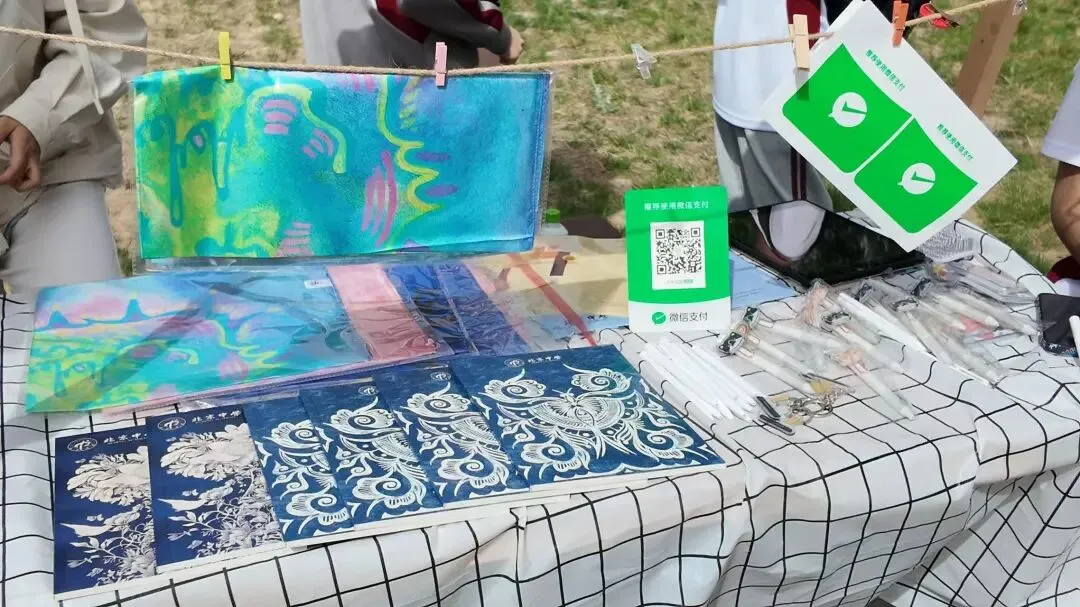
Most products cost only one or two yuan above production cost, making Beijing Academy merchandise affordable for students. We sold across the main campus and Hongsongyuan, Mingde, Dongze, Dongbanan, and Jinzhan, promoting our work to students and teachers, along with parents. Over the years, the club supported charity projects in five provinces, assisting women in Miao mountain communities, autistic children, and students in mountain villages. It also funded independent student initiatives and care for campus cats.
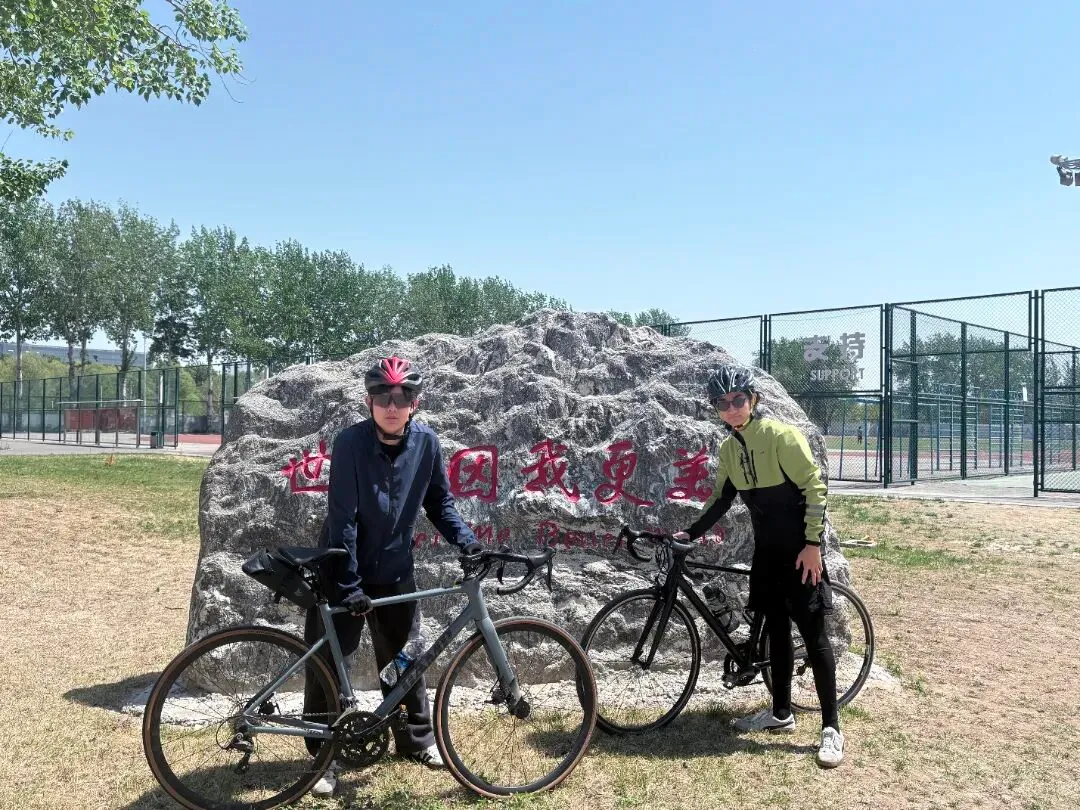
Our slogan expresses responsibility toward people nearby and those far away. Hearing it for the first time gave words to something I had struggled to express.
I study social science because it interests me and because I hope to make a difference. A contribution can be small: improving a nearby community or helping someone live a little better.
Part 05: Why Wesleyan?
My first application decision was between a liberal arts college and a larger university.
I considered larger universities' recognition in China and clearer career focus, along with their familiarity to friends and relatives. I ultimately chose a liberal arts college.
My experience at Beijing Academy contributed to that choice. On arrival, Ms. Zhou introduced the school as a small, close community. Our cohort had about twenty students per homeroom, and most courses were small; one I took had only four students. That environment encouraged reflection and expression, as well as discussion. More teachers relative to students meant greater attention and close relationships.
Liberal arts colleges offered a similar environment through small classes and attentive faculty, with encouragement to explore.
I then considered which college to choose.
I settled on applying Early Decision to Wesleyan after Grade 12 began. Another college had a major that interested me and more generous scholarships and financial aid, and I considered it seriously. Wesleyan nevertheless felt a better personal fit.
Reviewing my experiences, I described myself as a pragmatic idealist. Practical Idealism also appeared in Wesleyan's Mission Statement. Its Open Curriculum suited my varied interests and desire to keep exploring. I imagined four years at each college and confidently chose Wesleyan.
Part 06: Applying Honestly
My essay underwent several relatively small revisions. One change was particularly significant.
I included childhood experiences, but the distance in time had blurred my memories. While writing, I unconsciously embellished details. Rereading made that feel wrong. I revised the details to match my actual recollections as closely as possible, including ordinary ones. Afterward, I recognized myself in the essay.
Honesty is my strongest lesson from applying to U.S. colleges. Applicants seek schools that suit them, and schools seek students who fit their communities. Presenting yourself truthfully gives a college grounds to evaluate that relationship.
Part 07: Advice for Younger Students
If I could begin high school again, I would offer myself this advice:
First, care for your physical and mental health. Give health priority when planning exams and activities, including deadlines. Get adequate sleep and exercise, and eat well at every stage.
Second, explore your interests honestly. Choose activities you enjoy and believe in, allowing your contribution to develop from the work. Agencies' prescribed numbers of research projects or summer programs offer only one possible approach. Sincere exploration can clarify your essay's central theme and help you present who you actually are.
Third, give your GPA appropriate attention alongside activities. I applied successfully with neither paid research nor a summer program for credit. There are many ways to convey your abilities. Balance additional self-studied AP exams and extracurricular commitments with schoolwork, guided by your own interests and priorities.
I recommend Hermann Hesse's Siddhartha.
My favorite Beijing Academy activity to recommend is the BAID Cultural & Creative Club, part of the student company.
Part 08: Acknowledgments
Thank you to Ms. Liang Xiao. Since Grade 10, I often sought your help when I felt uncertain or anxious. You always made time to discuss my thoughts carefully and offer guidance. You also gave up weekends with family to accompany us to club activities and competitions. I am grateful for your expertise and care.
Thank you to my Homeroom Teacher and College Counselor Ms. Tan Ling for extensive application support, including essay discussions and university recommendations, as well as detailed revisions. I appreciate your dedication and concern.
Thank you to Principal Zhou for guiding my projects and activities throughout three years. I also thank Ms. Lin Xuejiao, Ms. Xiao He, Mrs. Shipley, and the other teachers who helped me during applications.
Finally, thank you to everyone I met and every experience I had in high school. Together, they contributed to who I am now.