
#GraduateStory | Quince Jiang: I Am Who I Am: Taking the Lead When the Audience Falls Away
University | University College London |
Major | Youth, Society, and Sustainable Futures |
When I received an offer from University College London for Youth, Society, and Sustainable Futures, I felt composed. I recalled three years at BAID: afternoons spent gathering research and late nights revising competition code.
My greatest gain over those years was learning to understand myself and give my own judgment greater attention after spending so long seeking others' approval.
Part 01: Beginning with Curiosity

My academic interest began with a small question that caught my attention.
During high school, I participated in Elite Scholar. As a teenager who used my phone daily, I wondered what made particular topics on short-video platforms attract such large audiences.
Researching viral topics in teenagers' social media content introduced me to the pleasure of academic inquiry. BAID's open academic environment and extensive resources supported that work. I had freedom to explore a less conventional topic, which encouraged my interest in youth studies. I began recognizing questions worth investigating within apparently ordinary social phenomena.
Part 02: Understanding Through Problem-Solving
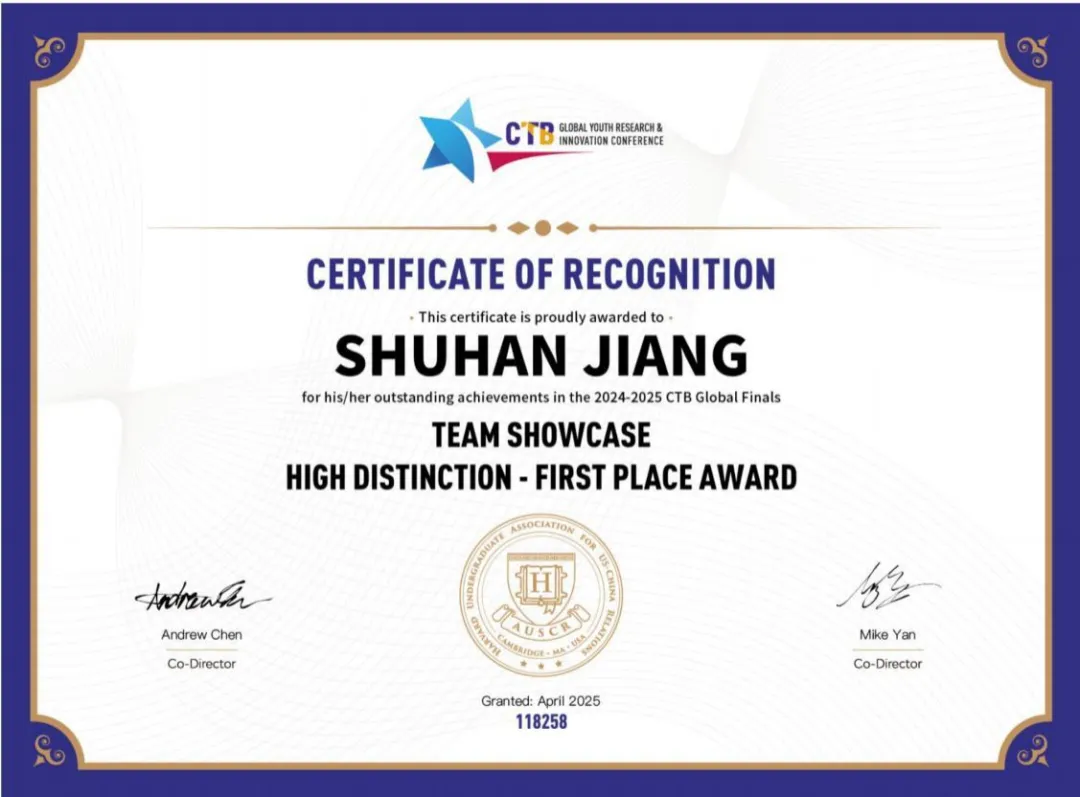
Elite Scholar introduced me to theory. China Thinks Big and the Major Foundation Program (MFP) further developed my thinking and persistence through practical work.
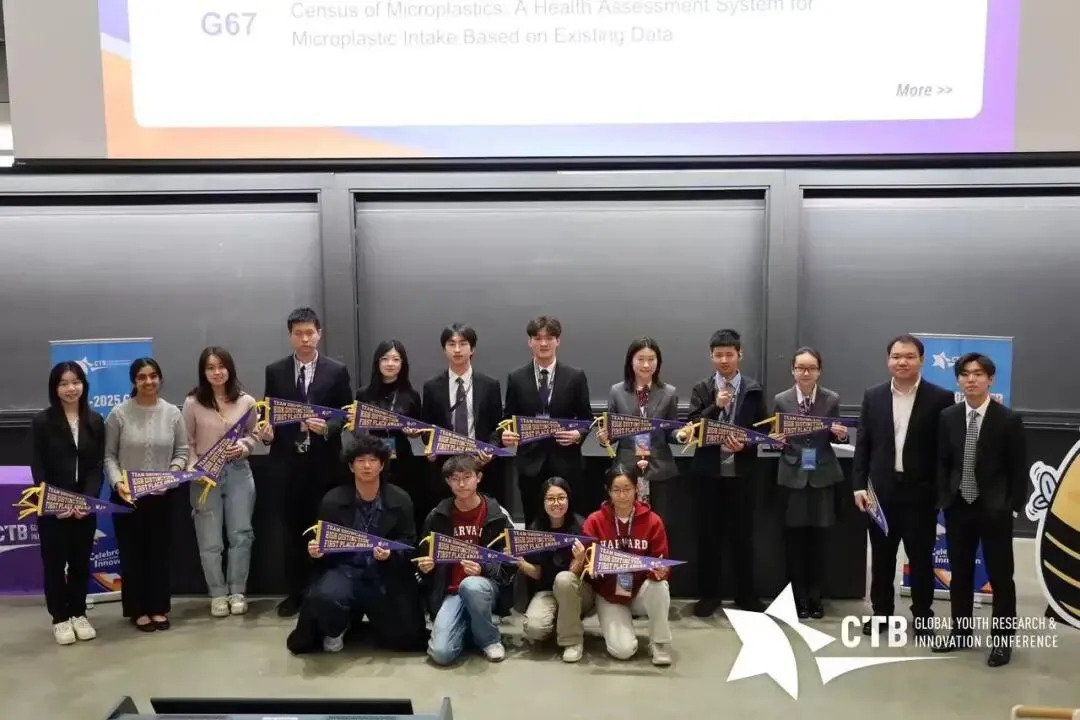
During China Thinks Big, health applications inspired our team to build a microplastic intake calculator. We believed, “What cannot be measured cannot be managed.”
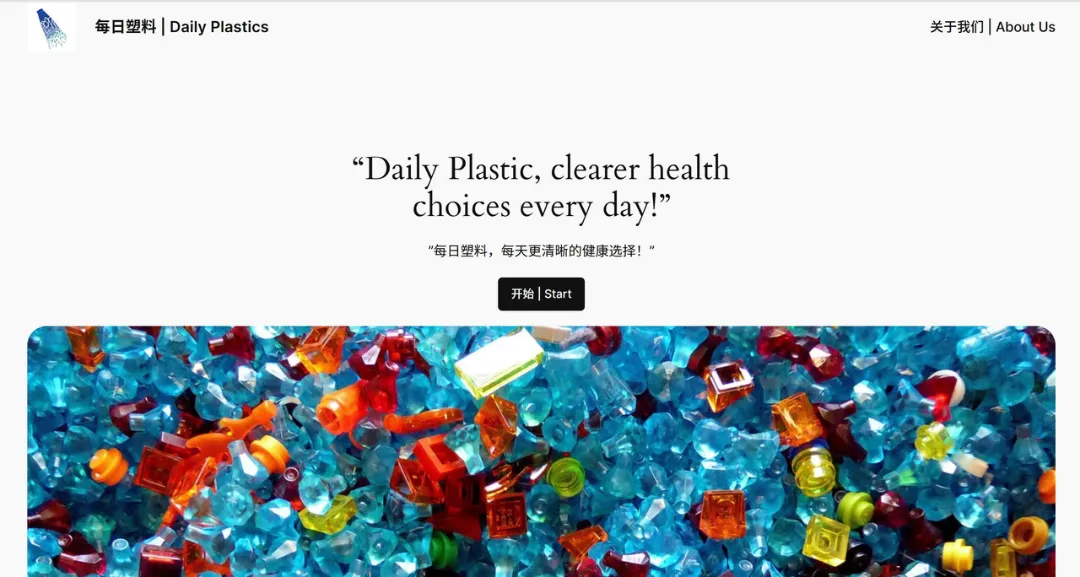
Creating a workable mathematical model from environmental ideas demanded inventive thinking. The project also taught me about collaboration and management, particularly finding agreement among teammates with strong individual perspectives.
In MFP, which drew on the United Nations Sustainable Development Goals, we investigated pollution in the nearby Ba River. Combining field experiments with careful policy research allowed us to propose practical solutions. These experiences demonstrated BAID's commitment to developing practical abilities and innovation, helping us think and work with greater professional discipline.
Part 03: Understanding My Own Abilities
At the beginning of high school, I often looked to others to define my worth. I watched their activities and relied on rankings and awards, along with others' opinions, to evaluate myself. My anxiety reflected uncertainty about who I was.
Over three years, participating in more activities and exploring different possibilities helped me recognize the value of understanding my own abilities and limitations.
BAID's varied environment and extracurricular opportunities gave me room to explore. Attempts and setbacks helped me identify strengths and areas that required further work.
That change brought greater composure. Focusing on what I had learned and who I hoped to become allowed me to give outside judgments less influence.
Part 04: Appreciating the Experience
Looking back, I feel grateful for BAID's support throughout my development.
If I could repeat high school, I would choose the same commitment to hard work and accept the anxiety that accompanied it. That anxiety encouraged me to continue exploring. I treasure the rewarding and difficult experiences alike for their contribution to who I am now.
I hope younger students at BAID can also discover themselves honestly and gain confidence in their own judgment.