
#GraduateStory | Sissi Du: A Shore for My Choices, a Boundless Journey Ahead
University | University College London |
Major | Biomedical Sciences |
My name is Sissi. I have received offers from University College London, King's College London, the University of Edinburgh, and the University of Melbourne, among others. The programs include Biomedical Sciences and Biochemistry, as well as Dentistry. Looking back over high school, I see a recurring process: trying different things, deciding what to prioritize, and gradually becoming who I am now.
Part 01: Discovering My Interests
My first encounter with natural science came before primary school, when my parents bought an illustrated edition of 100,000 Whys. I loved the pictures and read the books repeatedly. Most of the content has faded from memory, while the curiosity they encouraged remains.
In middle school, I began studying biology and physics, along with chemistry. Teachers assigned observations such as watching a cat's behavior, keeping a journal about soybean seeds, and making a Cells at Work poster. I found these simple tasks fascinating. I also enjoyed experiments in textbooks that people often overlooked. While studying respiration, I saw a breathing model made from balloons and bottles, plastic wrap and straws. I immediately gathered the materials and built it. The model deepened my understanding and strengthened my interest in living systems.
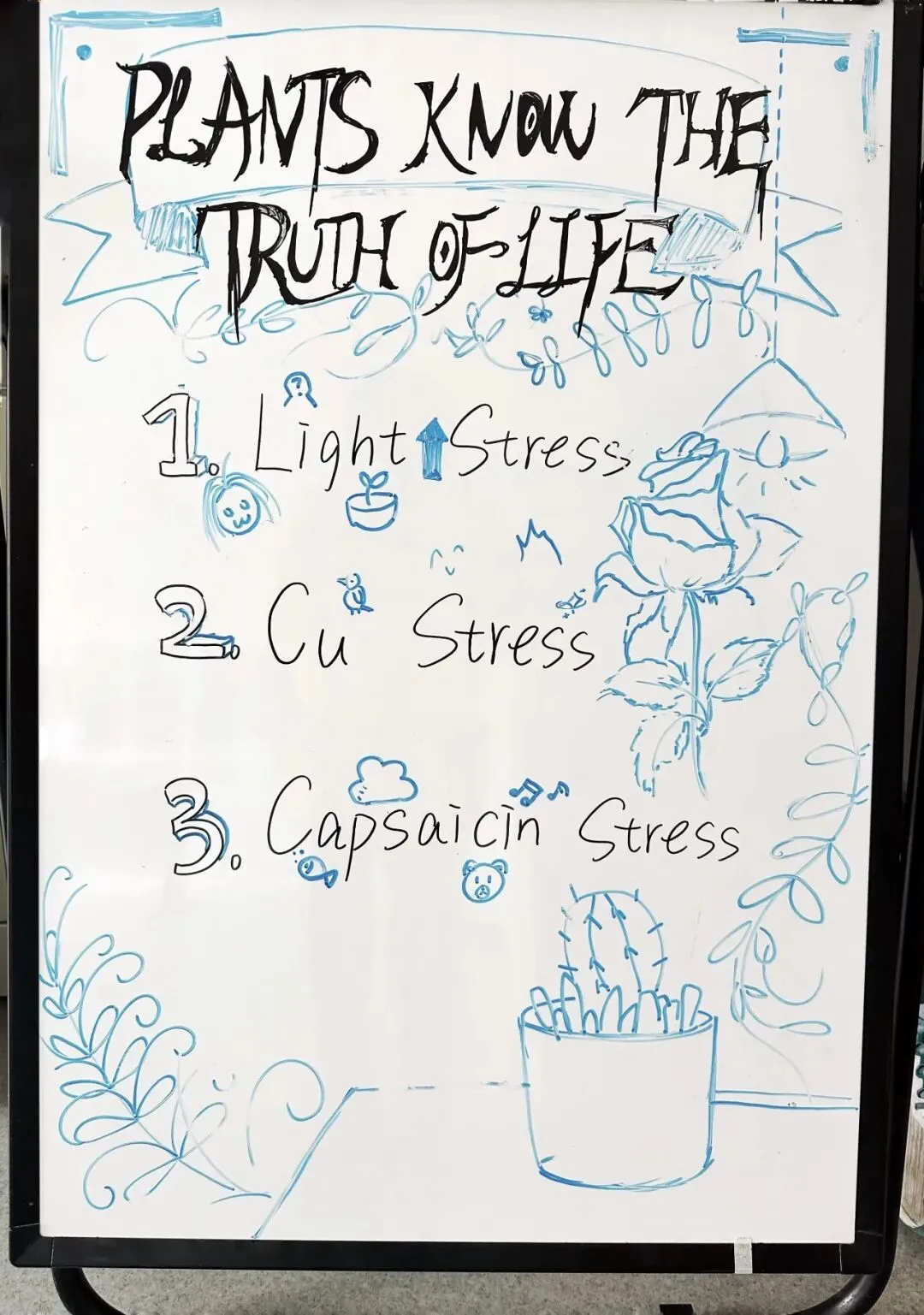
In high school, I chose many natural science courses. During Grade 10 Honors Biology, classmates and I created an Aerobic Respiration Song and a Mitosis Meiosis short film. For Biology Week, I made biology-themed shrink-plastic pieces. I helped organize Chemistry Week, where a saltwater-powered toy car introduced us to galvanic cells. Ms. Yuan Xiaoyang's course Plants Know the Truth of Life taught me about plants and brought me together with classmates who shared my interests. Spending Thursday's final two periods in the laboratory introduced me to the pleasure of research. When results differed from our expectations, we reviewed what needed improving. Completing a research poster I was pleased with brought considerable pride.
Plants also offered comfort during busy school days. In Grade 11, I took AP Biology and became a biology teaching assistant. The role challenged me and gave me satisfaction in helping others. I preferred studying classroom material deeply, with books and videos supplementing my learning, and participated in relatively few outside activities. During the summer after Grade 10, I read the first two chapters of Medical Terminology. I recognized patterns in AP Biology vocabulary: prefixes and suffixes, including epi- in epistasis and -emia in hyperglycemia; singular and plural endings, such as mitochondrion and mitochondria; and terms describing relative position, including proximal and distal. Understanding those components made words feel more familiar, even when memorization alone could have helped me learn them.
School activities offered particularly valuable opportunities, including the Experiential Course and MFP during the second semester of Grade 11. We could form our own teams and choose a trusted mentor, then research topics that interested us using school resources.
Part 02: Choosing a Direction
Including my exploration of possible majors, the application process was long and sometimes complicated. Although biochemistry interested me, in Grade 10 I still felt uncertain and tried different possibilities. I participated in NEC and HOSA, among other competitions. Across activities and courses, I gradually became confident about pursuing biochemistry. Reaching that decision took considerable effort.
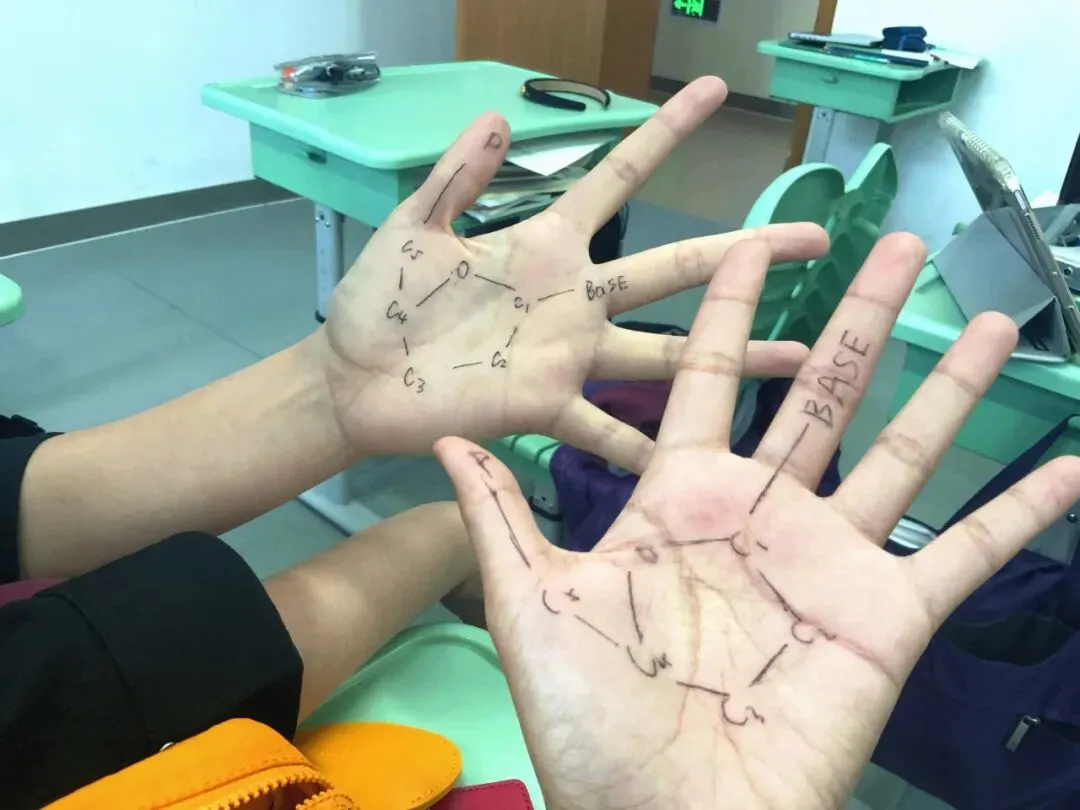
A direction often develops through ordinary moments in daily classes. Greater energy and a desire to learn in certain subjects gradually deepen our interest. Conversations with College Counselors and parents, alongside consideration of employment prospects, can help clarify a choice. That choice may evolve. Exploring and reflecting, communicating and deciding allow us to develop through uncertainty and increasing confidence.
Part 03: Learning to Prioritize
My greatest lesson from high school has been deciding what to prioritize. BAID offered far more choices than middle school, from selecting a sport in PE to choosing universities. We had to decide which interests deserved greater attention and which subject we wanted to pursue in the future.
Follow your own interests and communicate openly when deciding. Personal fit is important in applications, and an honest account of yourself helps admissions officers understand both your decisions and the reasons behind them.
Part 04: Advice from My Experience
If I could begin high school again, I would keep my habit of studying diligently and asking questions. I would also participate in more activities during Grade 10 to discover my interests sooner. My favorites were the Huizhou Experiential Course and MFP, both of which allowed me to research topics I cared about.
In my experience applying to UK undergraduate programs, universities considered research ability and subject-related activities alongside AP results. With limited outside opportunities, I found that school activities could provide strong material for an application. Independent reflection on those experiences and a carefully revised personal statement helped me present my interests. Making full use of school resources can strengthen applications when time for outside activities or competitions is limited.

Course choices in Grades 11 and 12 offer some flexibility. Consider your target universities' requirements alongside the classes that interest you. Connecting knowledge across subjects can make learning especially enjoyable. Outside class, exercise can help you relax; hobbies such as drawing or playing music offer other ways to unwind.
Part 05: Acknowledgments
High school brought many wonderful teachers and friends. We affectionately called my biology teacher Ms. Yuan Xiaoyang Yuanxiao. Adjusting to more demanding coursework took time. In the first semester of Grade 10, I asked about my biology midterm result, uncertain about how well I had prepared. I felt relieved by the score, but she encouraged me: “Yuanxi, you did reasonably well, and I think you can do better. Were there topics you missed while revising, or earlier questions you still needed to understand? Come and ask whenever something is unclear. I know you can improve.” Afterward, I took biology more seriously and became more confident about my direction.
I studied chemistry with Mr. Hu Mingbo for almost three years, progressing from foundational chemistry to Honors Chemistry and AP Chemistry. Bobo made classes engaging and humorous, explaining even abstract, difficult problems with clear reasoning and key points. Outside class, I often brought classmates to play basketball with him.
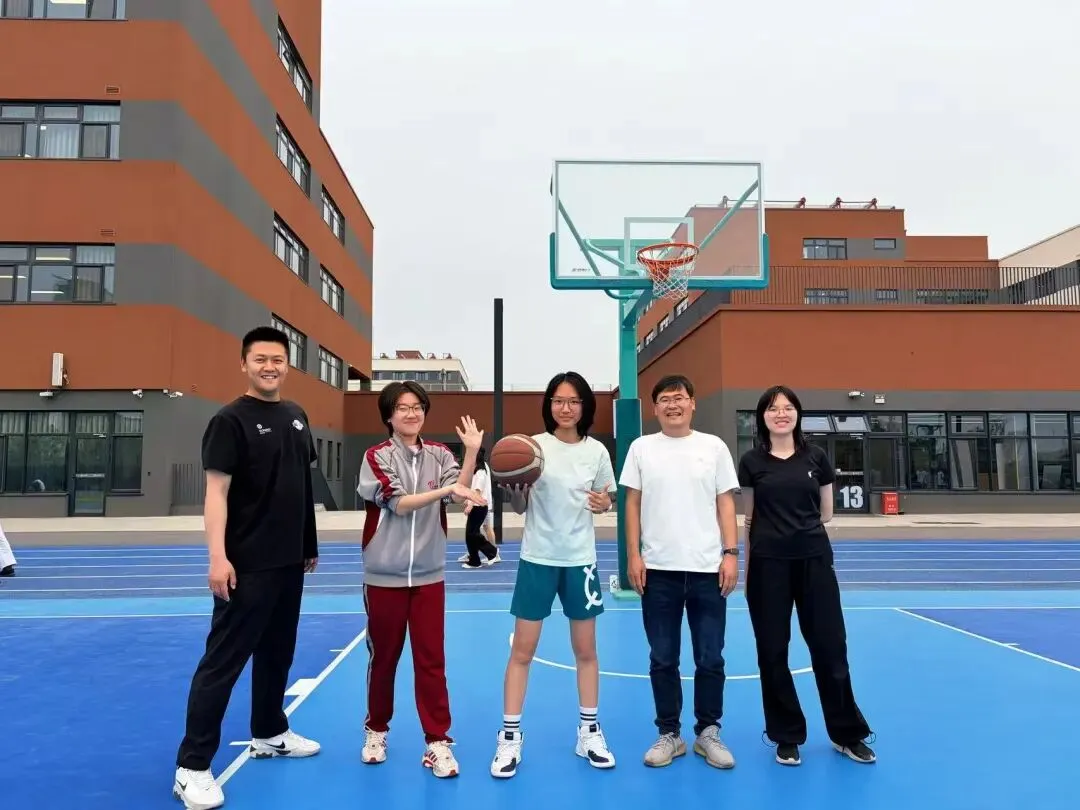
Thank you to my teachers and classmates for your companionship and help. Time spent learning together and playing basketball, along with our conversations, gave me some of my most cherished memories.
I have many more people to thank and thoughts to share. As graduation approaches, I want to express all that affection simply: thank you.