Beijing Academy's 2026 Chinese Cultural Roots Exploration: A Journey Through Wu and Yue
Reading and travel complement one another in Beijing Academy's annual Experiential Course. The journey gives students opportunities to develop beyond the classroom, encounter what they have studied, and learn about local communities and traditions.

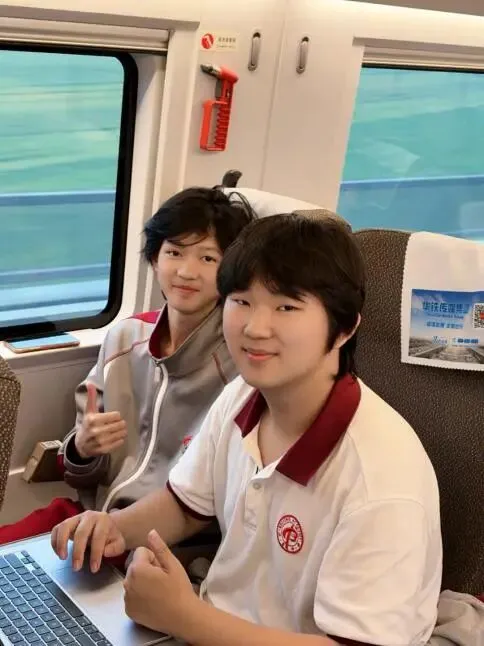
Our five-day study trip through Jiangnan began when we stepped off the high-speed train into Hangzhou's light rain. It would take us from Liangzhu jade to the Six Dynasties heritage of the Qinhuai River, from West Lake to a memorial where we offered white chrysanthemums in silence, and from the Humble Administrator's Garden to painting our own oil-paper umbrellas.
Encountering Early Civilizations
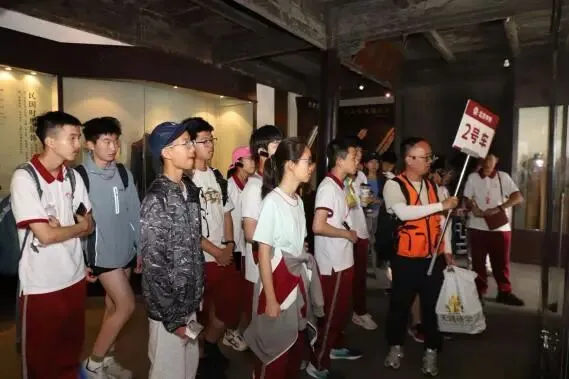
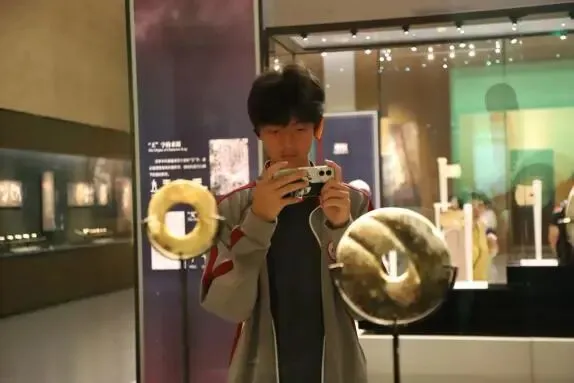
The Experiential Course allowed us to encounter history directly through its surviving places and objects.
At the Liangzhu Museum, jade objects dating back five thousand years shone softly. The site, China's largest discovered settlement of that period with both walls and a water management system, revealed the sophistication of an early society.
At the Grand Canal Museum, artifacts and written records explained how the waterway connected north and south, conveying the scale of its boat traffic and transport of goods.
Life in Jiangnan's Water Towns
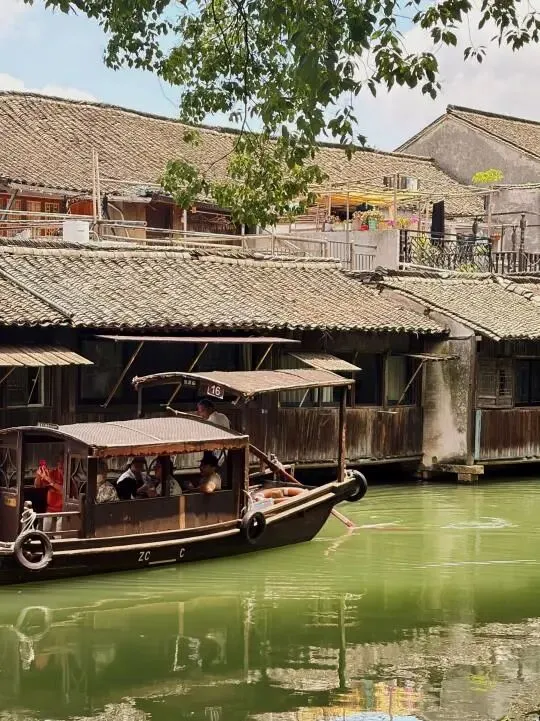
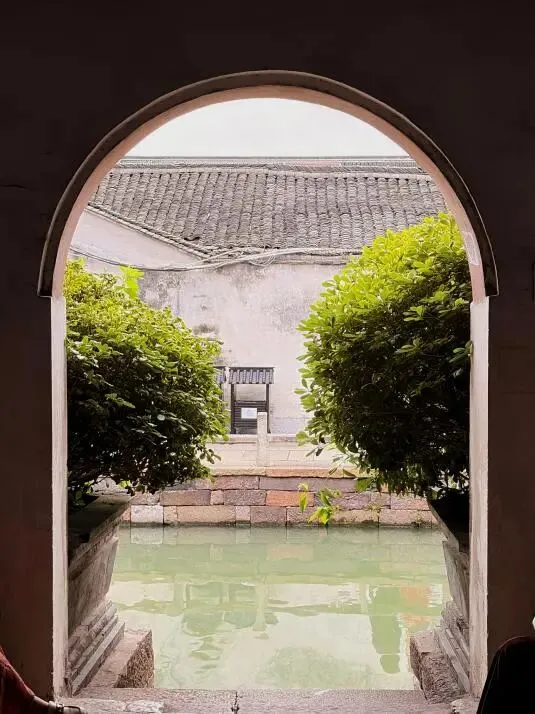
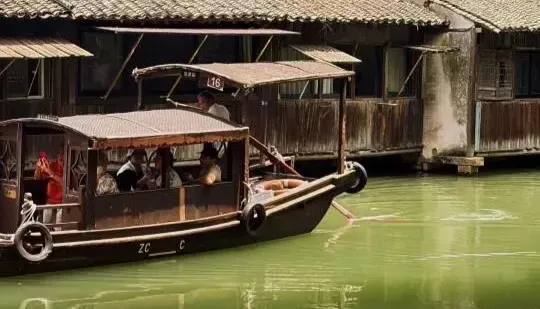
In Wuzhen, stone lanes were free of motor vehicles. Streams ran between whitewashed walls and dark-tiled roofs, and small boats moved along the water.
The high-pole boat performance expressed hopes for a good silkworm harvest. At the Hundred Beds Museum, simple Ming bedframes contrasted with an elaborate Qing canopy bed whose 106 carved figures carried wishes for good fortune.
Tiger Hill introduced us to the history of the state of Wu during the Spring and Autumn period. Beneath its leaning pagoda, students recited Jiangnan poetry and explored the stories behind the verses.
Practicing Traditional Crafts
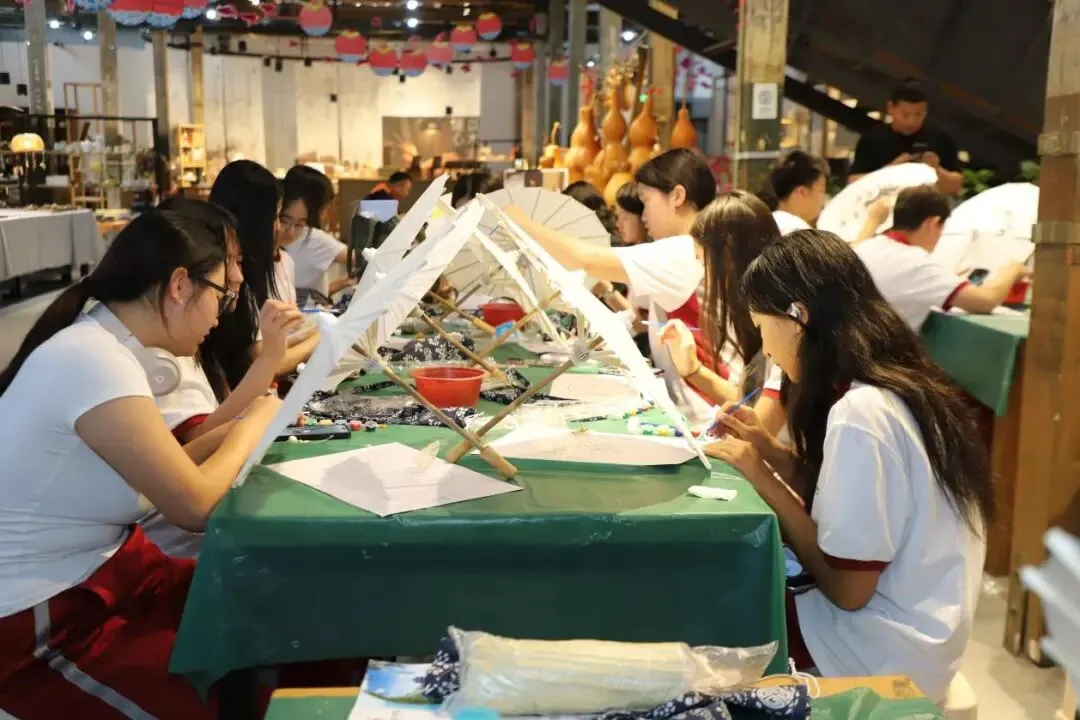
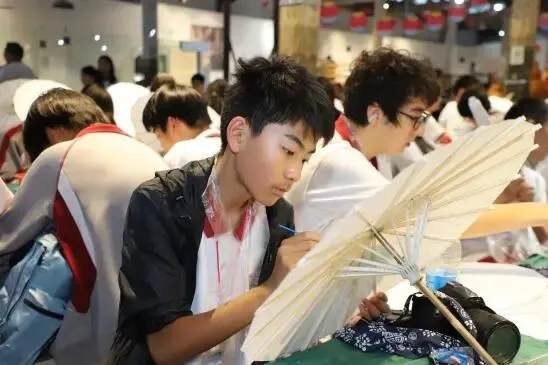
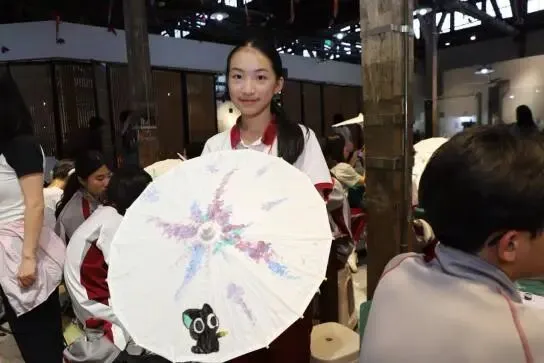
Hands-on work gave us an appreciation of how traditional skills are passed on.
The Live Crafts Museum displayed finely made agarwood beads and carved stone seals, along with traditional kingfisher-feather ornamentation.
Our white oil-paper umbrellas were especially memorable. Seated at traditional wooden tables, students decorated them with abstract designs and Chinese paintings, or flowing calligraphy. After half an hour, each umbrella expressed something individual.
Opened in the misty Jiangnan rain, the umbrellas provided shelter and demonstrated how young people could continue a traditional craft.
Exploring Landscapes and Gardens
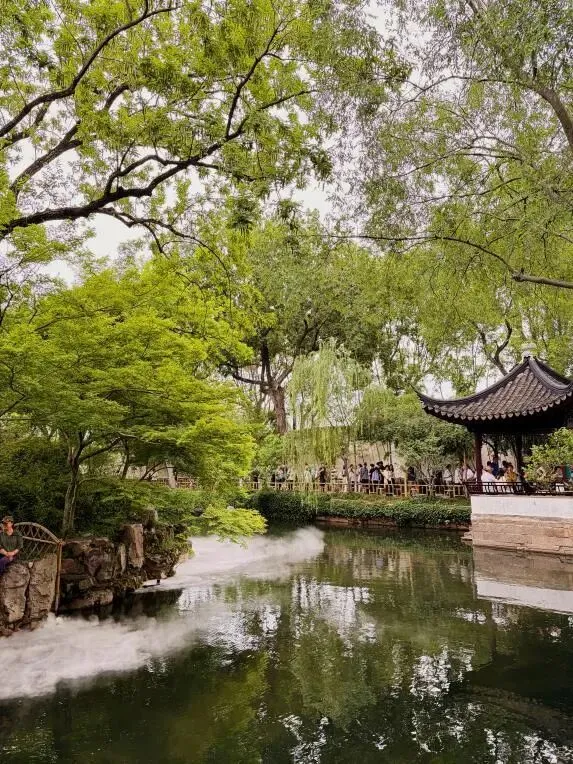
From our boat on West Lake, we could appreciate its mountains on three sides and the city on the fourth. Sunlight and tree shadows reflected on the deep-green water.
The spacious layout of the Humble Administrator's Garden distinguishes it among Suzhou's gardens. Its name recalls an aspiration to retirement in the countryside, growing vegetables for daily meals. Within its grounds, we experienced Jiangnan's garden traditions.
The Six Dynasties Museum, designed by I. M. Pei, combines modern geometry with elements of Chinese gardens. Bamboo shadows and changing light accompanied our exploration of Nanjing's long history.
Remembering History
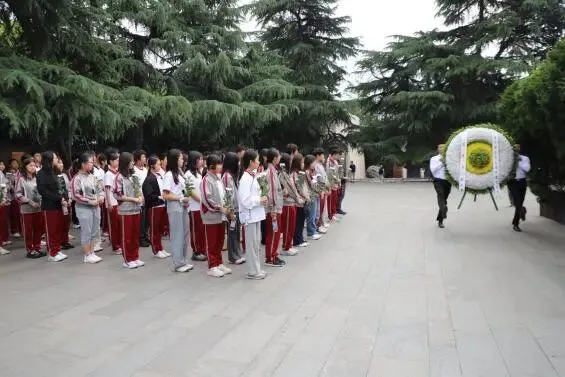
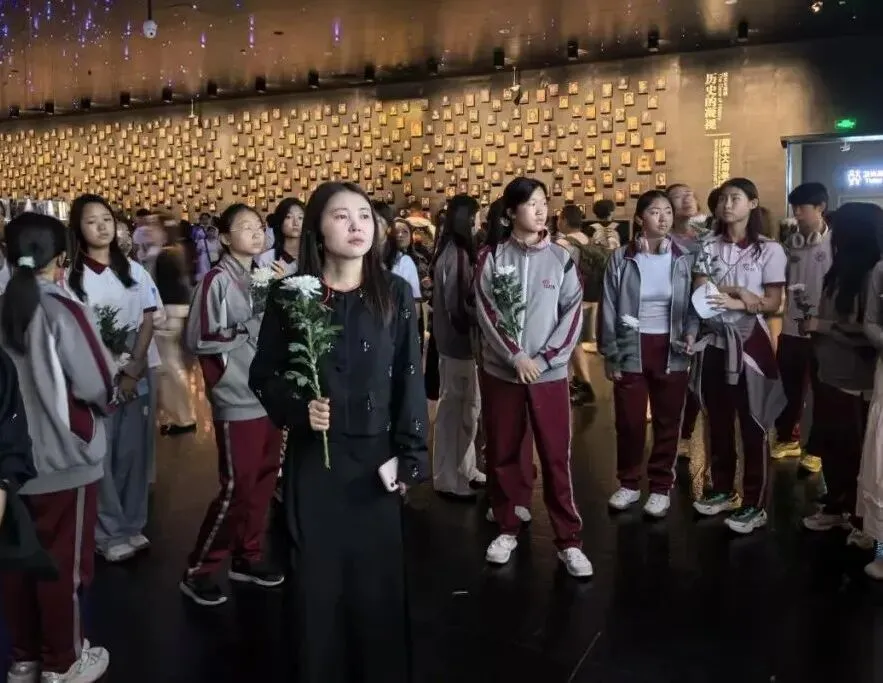
Jiangnan's history encompasses national commitment and sacrifice alongside its celebrated landscapes.
At Yue Fei Temple on West Lake's Qixia Ridge, Man Jiang Hong conveyed Yue Fei's devotion to his country. Sun Yat-sen Mausoleum, built into the hillside with blue tiles and white walls, encouraged reflection on his revolutionary ideal of serving the public.
At the Nanjing Massacre Memorial Hall, students in school uniform held white chrysanthemums for a silent tribute. The mass grave site and memorial wall, along with displays of personal belongings, documented the tragedy. Offering flowers before leaving expressed remembrance of the victims, commitment to peace, and our determination to continue improving ourselves.
Memories with Classmates
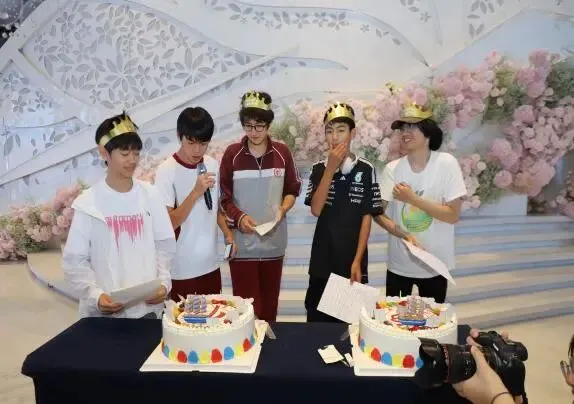

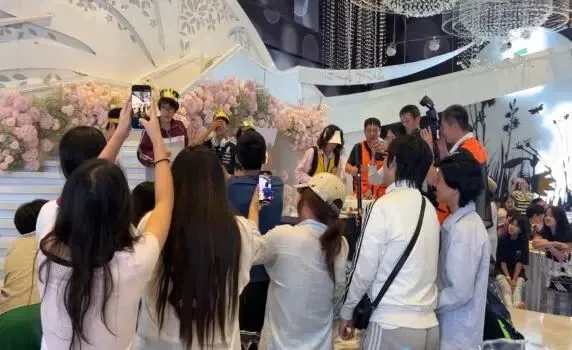

The trip also gave each of us precious memories of growing up together.
Director Jiang Ran's concluding remarks and our group birthday celebration, enthusiastic song guessing and encouragement for one another, and a cello accompaniment to Perfect were among the moments we shared. Photographs preserved the smiles and affection of those days.
Returning Home
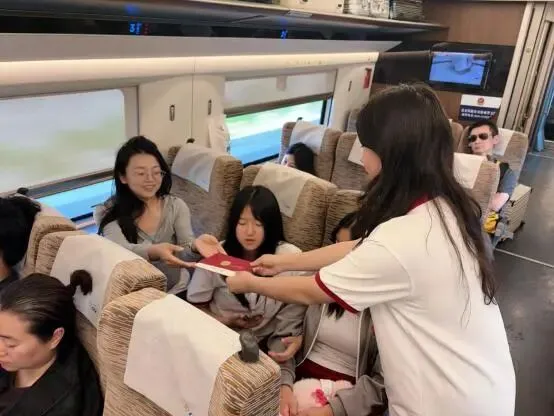

At sunset, our train departed northward. Sunlight entered the windows as the landscape passed, bringing this journey to a close and inviting thoughts of future travels.
Five days of travel gave students time to reflect on history and immerse themselves in culture, and to develop through cooperation. These experiences express the purpose of Chinese Cultural Roots Exploration within the Experiential Course.
Student Reflections
Wang Zihan:
Standing on Hangzhou's wet platform and breathing the moist southern air made our arrival real to me. We had left our familiar northern city and entered a different place.
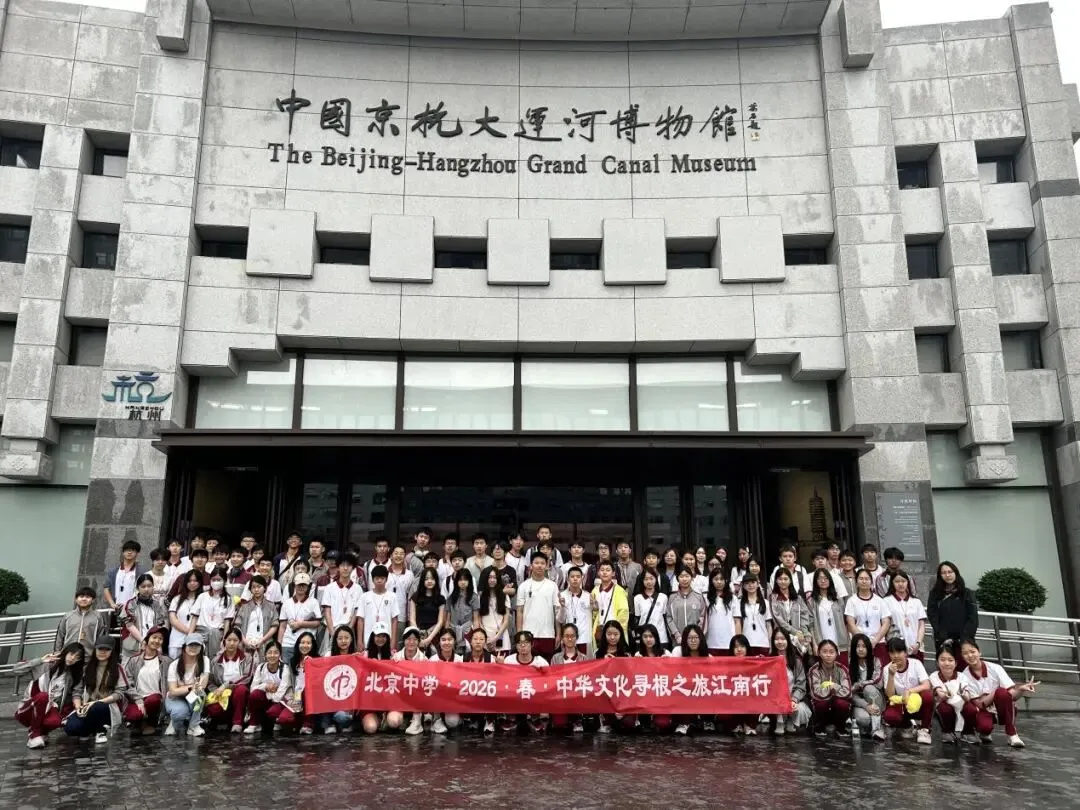
First Stop: The Grand Canal Museum of Beijing-Hangzhou
The museum was modest in size and rich in information. Its exhibitions clearly traced more than two thousand years of canal history: the Hangou channel in the Spring and Autumn period, major expansion during the Sui and Tang dynasties, and a shorter, straighter route in the Yuan. A complete Qing map particularly impressed me. Its densely marked waterways and locks, together with relay stations, connected much of China. I began to appreciate the scale of grain transport and its importance to an empire. A recovered Song ship plank still had visible wood grain. An object made from a tree felled a thousand years ago brought history close to me.
Second Stop: Gongchen Bridge
We walked about ten minutes from the museum. Rain continued, giving the stone bridge a dark sheen. First built in the Ming dynasty, Gongchen Bridge rises high over the water with an elegant arch. From its center, I watched the canal flow slowly and occasional cargo boats pass, their engines sounding low in the distance.
Our teacher explained that chen in Gongchen refers to the imperial residence, and the bridge's name conveys a respectful welcome to the emperor. Its practical purpose carried a strong ceremonial meaning, revealing feelings invested in construction that people today may find difficult to grasp.
Third Stop: The Live Crafts Museum and Oil-Paper Umbrella Painting
After exploring surviving history, we tried a traditional craft ourselves. Oil-paper umbrellas are associated with Jiangnan, and painting one proved harder than I expected. The paint needed the right consistency, and the lines required a confident, continuous movement.
I painted a flower I had found casually on my phone. My work was simple, and slowly rotating the umbrella allowed me to appreciate the concentration involved. After half an hour, the finished design had a charm of its own. Our teacher said that the time spent patiently making something is as valuable as the finished object. I agreed wholeheartedly.
The day helped me understand history through particular things: a wheel mark on a bridge, color painted on an umbrella, and ordinary water in the canal. Looking carefully and taking time to consider them allowed me to recognize more of the past.
We will continue exploring tomorrow.
Zheng Aiwei:
On the morning of May 27, we first visited the Liangzhu Museum. Trees surrounded its gray concrete buildings, and flowing water complemented the architecture, bringing ancient culture and contemporary design together.
Inside, rows of softly gleaming jade objects introduced us to social hierarchies and the development of Liangzhu culture. I considered how rice farming and craft production, together with early writing, contributed to the emergence of a kingdom.
The scale of the ancient city impressed me most. It is China's largest discovered site from five thousand years ago with both city walls and a water management system, evidence of complex social organization and pronounced class distinctions. Its beliefs and ceremonial practices prompted further reflection. That distant civilization felt closer than I had expected.
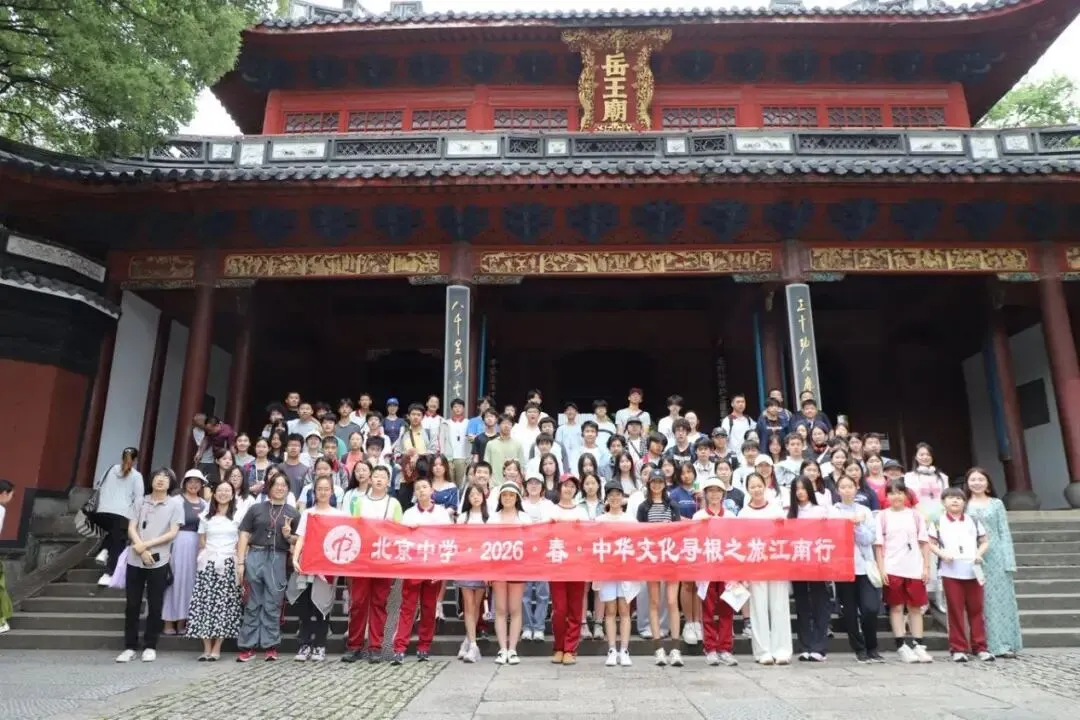
In the afternoon, we drove to Yue Fei Temple. A powerful recitation of Man Jiang Hong introduced Yue Fei's patriotism. Situated on Qixia Ridge beside West Lake, the temple contains his tomb and commemorates Southern Song history and national commitment. Stone carvings helped us learn about his unjust execution and burial there. Standing at the tomb felt solemn and made him more real to me. After walking through tall trees, we reached West Lake and appreciated the mountains surrounding it on three sides. From our boat, we passed three lovers' bridges and green islands; sunlight and tree shadows reflected on dark-green water. After landing, we walked through the lakeside greenery, watching ducks and birds among the duckweed and squirrels crossing the grass. The lake's life was even more vivid than its descriptions in poetry.
Meng Jiayi:
Our busy day began in Wuzhen's East Scenic Area, a classic Jiangnan water town. Textbook descriptions of small bridges and waterside homes had previously felt distant from my experience. Arriving there surprised me. Bluestone paths wound between white walls and dark roofs, streams crossed the town, and covered boats drifted along them. Looking down from a small stone bridge, I understood what living beside the water meant.
Walking through the old lanes took us away from city noise. Houses and stone bridges stood beside gently flowing water. Elderly residents sat in the sun outside their doors; a woman washed vegetables beside the river, and occasional smells of cooking reached us. I discovered a place where long traditions continued within everyday life and learned more about Wuzhen's culture and history.
I could finally connect descriptions in our textbooks with the places that had inspired them.
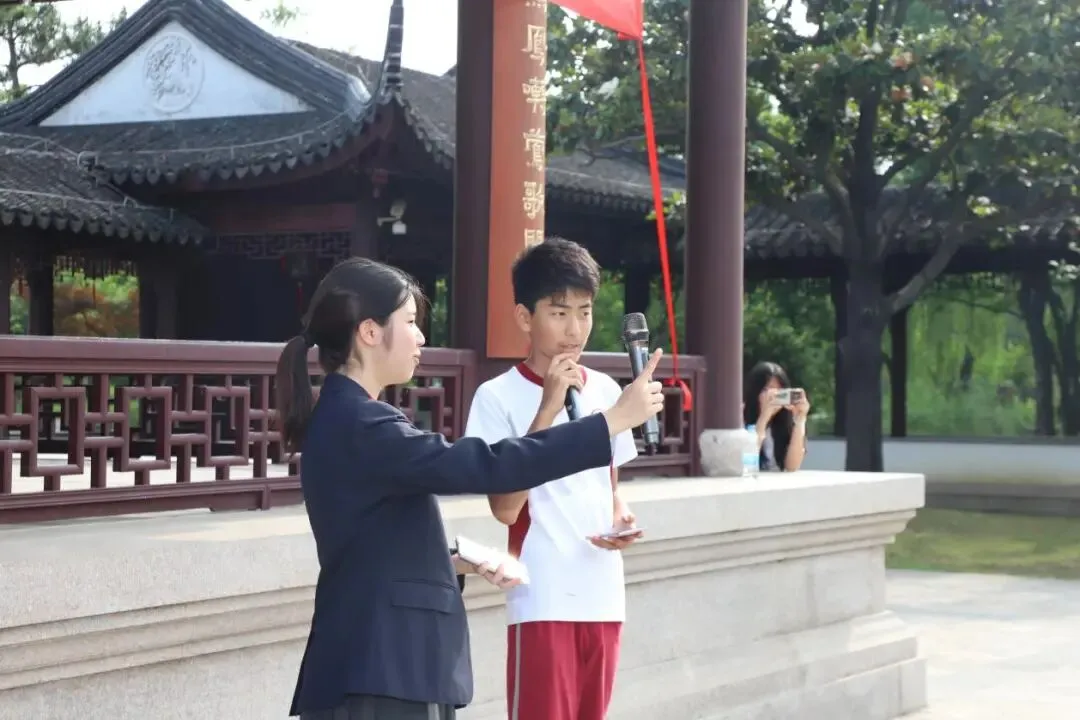
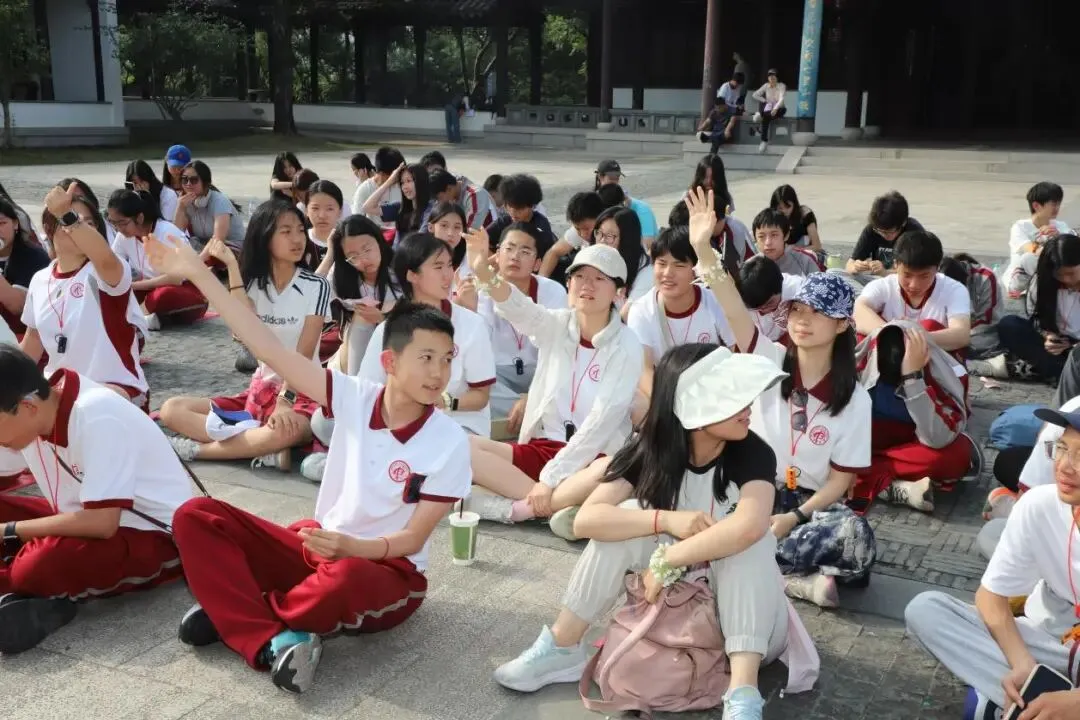
In the afternoon, we visited Tiger Hill, with its wooded slopes and many historic sites. Its rock formations and trees offered a different atmosphere from Wuzhen. The poetry gathering particularly impressed me. I initially felt embarrassed about reading aloud, but reciting classical verses in that landscape changed the experience.
Leaves rustled in the wind, and sunlight filtered through the trees onto my manuscript. I began understanding how earlier writers expressed themselves through landscapes. Reading poetry in that setting gave the words an immediacy I had rarely experienced while memorizing them for exams. I recognized the sincerity of those writers' responses to nature and gained a deeper appreciation of classical literature.
Some important experiences extend beyond what exams can assess. I hope to continue learning from travel and developing the understanding I gained here.
Wang Ziqi:
On May 29, we visited Suzhou's Humble Administrator's Garden, widely admired as an outstanding example of garden design. Its eastern and central sections, together with the western section, offered carefully arranged pools and rockeries, old trees and waterside pavilions. Each turn of a winding path revealed a different view. I began appreciating what harmony between people and nature could mean. The restraint and elegance of Chinese garden design made me reluctant to leave. Reading about Suzhou gardens had interested me, and seeing one firsthand added much more.
We then took a high-speed train to Nanjing, historically known as Jinling. The city's atmosphere felt immediately different. Our teacher's observation that it held so much of the Republic of China's history made sense as we arrived.
In the afternoon, we visited Sun Yat-sen Mausoleum. Blue tiles and white walls followed a dignified, symmetrical layout. My legs grew tired halfway up the stone steps, but I continued respectfully toward the top. The expanded view there encouraged me to reflect on the aspirations and dedication of revolutionary predecessors. Reaching it felt worth every step.
After our day of travel, a surprise awaited at dinner. Director Jiang Ran reviewed what we had learned and offered encouragement. Then our group birthday celebration began, with cake and song guessing, accompanied by string performances. Sitting together and enjoying the music dispelled our tiredness. Over several days, classmates had become more familiar and comfortable with one another. That evening gave the trip a particularly affectionate memory.
We visited two cities and a garden, climbed to the mausoleum, and celebrated birthdays together that night. My legs were sore, and I felt happy. Direct experience had given me something special.
Li Yuanda:
The wake-up call rang at 6:40 a.m. For a moment, I wondered where we were going, then remembered. I got up silently, washed, and put on my uniform.
At 7:50, we gathered in the ground-floor lobby and handed our room cards to our tutors. Everyone was subdued. Perhaps we sensed the significance of the day ahead.
Bright sunlight met us outside the Nanjing Massacre Memorial Hall. Inside, the dimness and silence made the visit difficult to bear. Names filled the walls in orderly rows, alongside photographs and faces of people whose lives had ended before adulthood. I walked with the group, unable to speak.
During the silent tribute, I could hear my own breathing. My fingertips felt cold as I placed the flowers. I experienced a profound sadness that I struggled to describe.
Outside, the sunlight was still dazzling. I paused on the steps, trying to reconcile that beautiful day with the reality we had just encountered. Several hours of witnessing evidence gave a different meaning to the pages I had read in history books.
At the Six Dynasties Museum that afternoon, I carefully examined beautiful celadon and roof tiles, as well as stone carvings. Each preserved centuries of history. Yet the morning continued to occupy my thoughts. The objects made me want to live attentively and protect what was precious. I wondered why beauty and cruelty could exist so close together.
That evening, fields and buildings passed our train windows as lights appeared outside. I opened my laptop and hesitated, wanting to write but struggling to begin describing such strong feelings.
We had traveled far and encountered a great deal.
Those experiences have contributed to our growth. Learning from Chinese civilization, we hope to help connect people and places in the future.
Hu Jinghan:
As the train entered Beijing South Station, whitewashed walls and dark-tiled roofs gave way to tall buildings. My suitcase rolled over familiar flooring, bringing our five-day Wu and Yue journey to a close. While unpacking, I found a postcard of a garden in my pocket. Jiangnan had given me a gentle lesson in taking time and developing patience.
Living in the broad landscapes of the north had perhaps made my thinking direct and forceful. Jiangnan encouraged a gentler approach. In Hangzhou, I spent an afternoon on West Lake, allowing myself time to appreciate it before investigating the story of Lingering Snow on the Broken Bridge. As our boat moved slowly across the water and the noise of the shore receded, I understood the landscape's resemblance to an ink painting.
In Wuzhen, taking time became a concrete practice. We sat beside a bridge watching boats pass, as residents might, and visited several old shops that still operated.
Suzhou's gardens encouraged patience. At Tiger Hill, I experienced poetry in its setting while hosting our gathering beside Thousand-People Rock. Holding the microphone, I thought about all the voices this place had heard. Our group from the north had briefly contributed to that long history.
Nanjing left the deepest impression. Its solemn history changed how I understood the landscapes we had enjoyed and revealed the strength beneath Jiangnan's graceful appearance.
Five days allowed only an introduction to a craft or an ancient city. Yet they were enough to make me reconsider the value of speed. The trip encouraged me to slow down and pay attention, allowing Jiangnan's atmosphere to influence me. I learned to spend time in a place while pursuing future goals, and to consider my own thoughts patiently alongside its history. For a generation accustomed to rapid results and continual revision, that patience may be an especially important lesson.