Celebrating Duanwu Traditions at Beijing Academy's Festival Fair
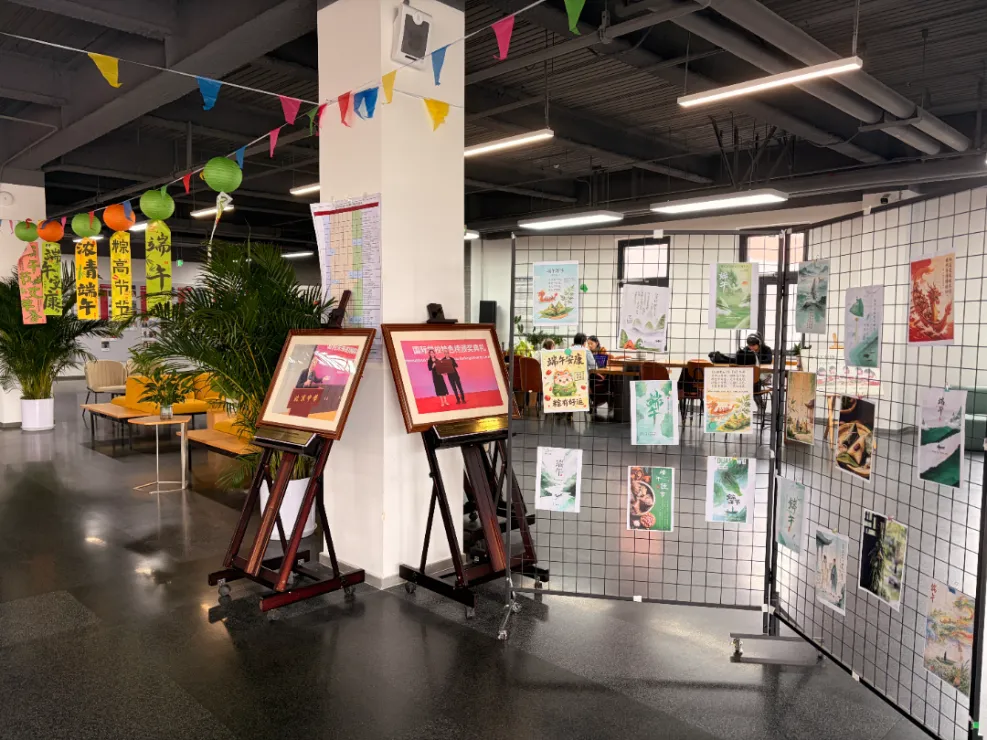
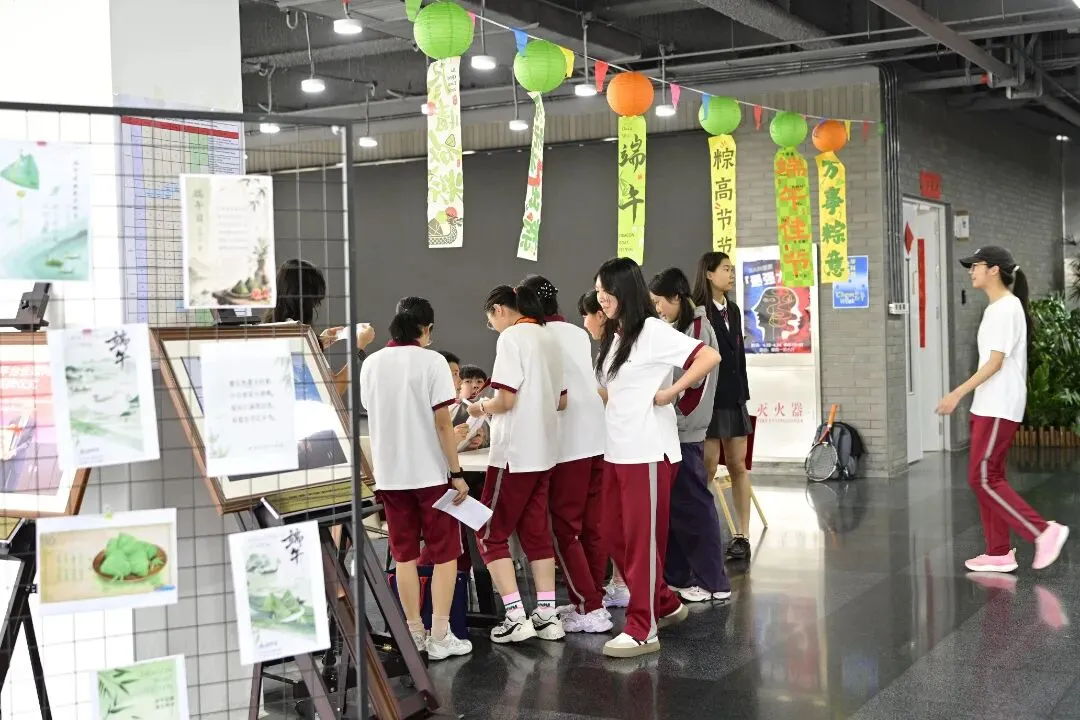
A warm June breeze carried the scent of zongzi leaves through the ground-floor lobby of the Desheng Building. At noon on June 18, teachers and students gathered for A Duanwu Festival Garden Party, a lively celebration of traditional culture. Five activity stations offered zongzi making and pitch-pot, cord braiding and egg painting, and a Duanwu knowledge quiz. Students moved between them with stamp cards, enjoying the chance to explore festival traditions firsthand.
The fair's five activity areas combined cultural knowledge with craft skills, and traditional customs with playful challenges. Here is a look at each.
01 Duanwu Knowledge Quiz
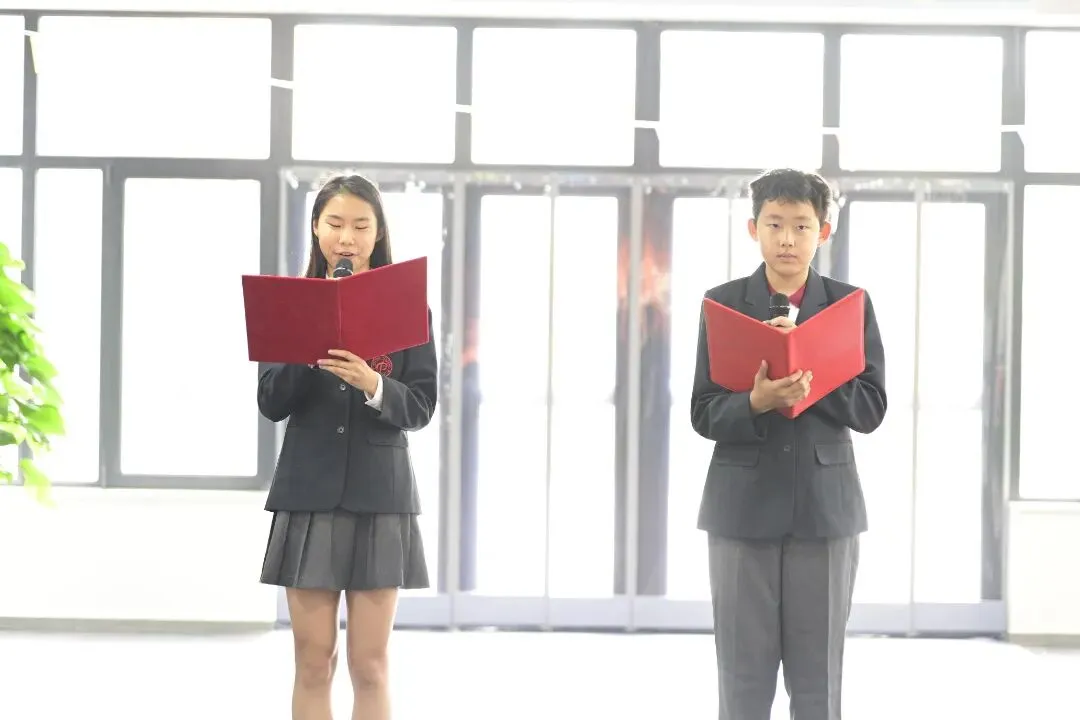
Students queued eagerly to draw questions at the quiz station. Who did the festival originally commemorate? What was zongzi first called? Which creatures make up the traditional five poisonous creatures? Correct answers earned stamps; volunteers patiently explained unfamiliar answers so that everyone could learn. Answering at least two questions correctly completed the challenge, giving students a stamp and new knowledge about the festival.
02 Learning to Make Zongzi
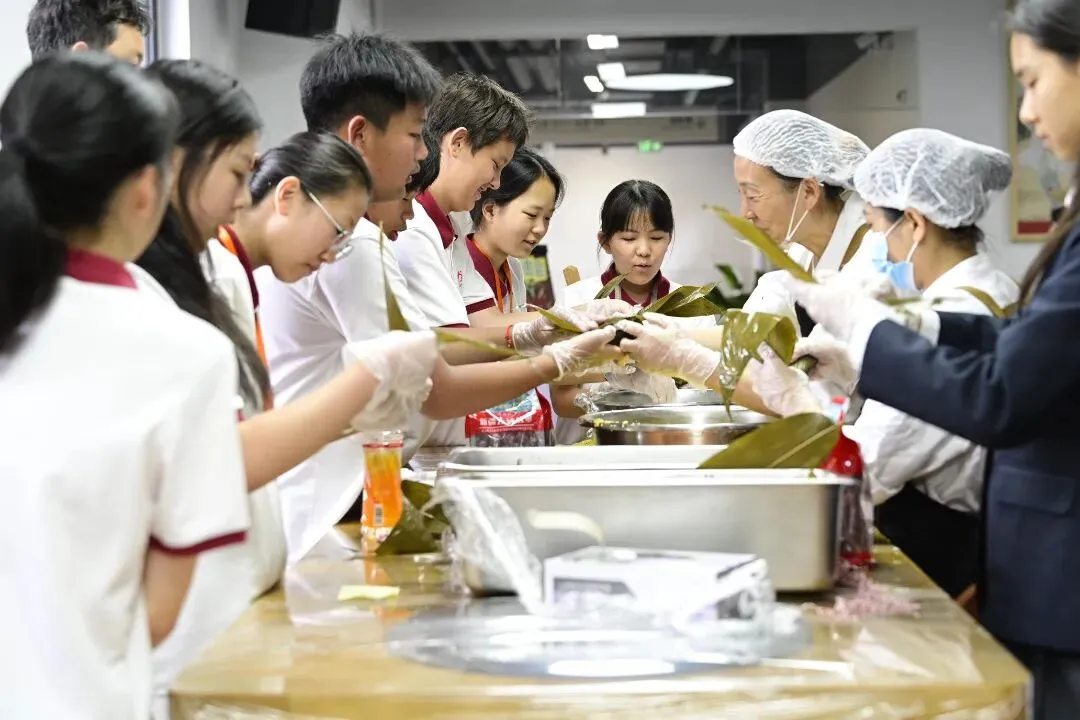
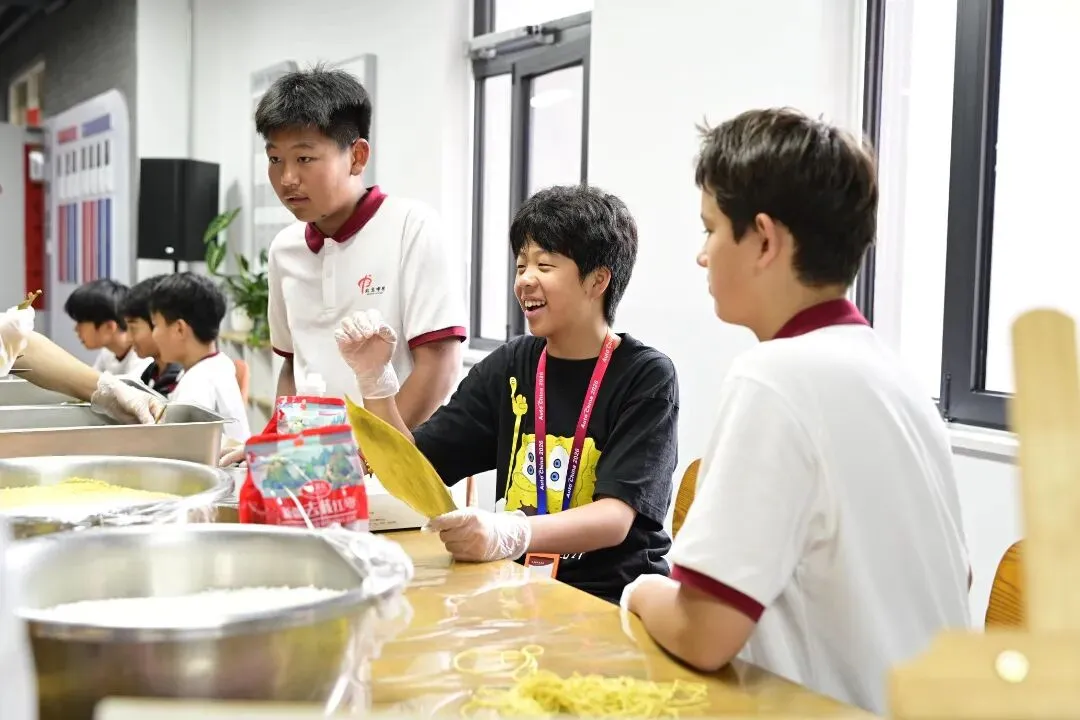
The aroma of glutinous rice filled the eastern side of the Desheng Building's ground-floor lobby. The zongzi station proved the fair's most popular attraction. Cafeteria staff demonstrated how to fold the leaves and fill them with rice, add red dates, and secure the parcels with cotton string. Their dexterity impressed the students watching.
The students' own attempts brought plenty of laughter. Loosely folded leaves let rice escape from the bottom; overly tight strings split the leaves. Some parcels emerged in distinctly unusual forms. Students kept trying, and with help from the staff and their classmates, everyone finished a zongzi. One student remarked, "I never realized making zongzi was so difficult, but the one I made myself smells especially good!"
03 Pitch-Pot: Trying a Traditional Game
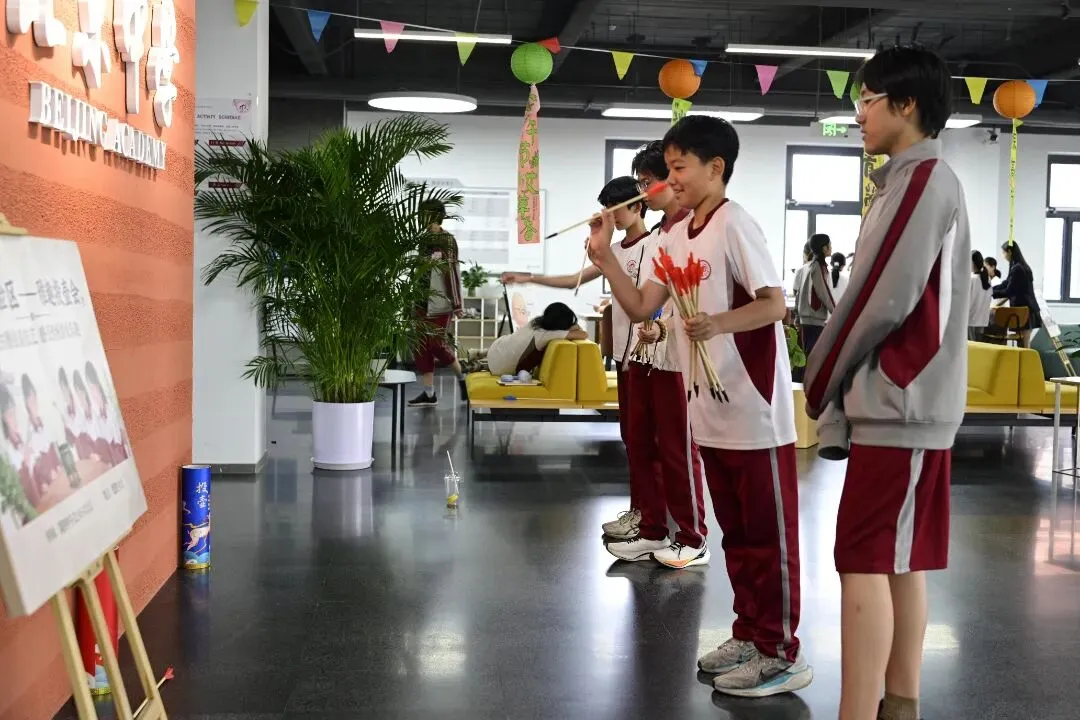
The pitch-pot area was perhaps the loudest part of the fair. Standing behind the throwing line, students concentrated on aiming their arrows at the pot. Each successful throw prompted cheers and applause. Those who missed retrieved their arrows and tried again. Practicing and encouraging one another, they enjoyed a ceremonial game with a history stretching back a thousand years.
04 Braiding Five-Color Cords
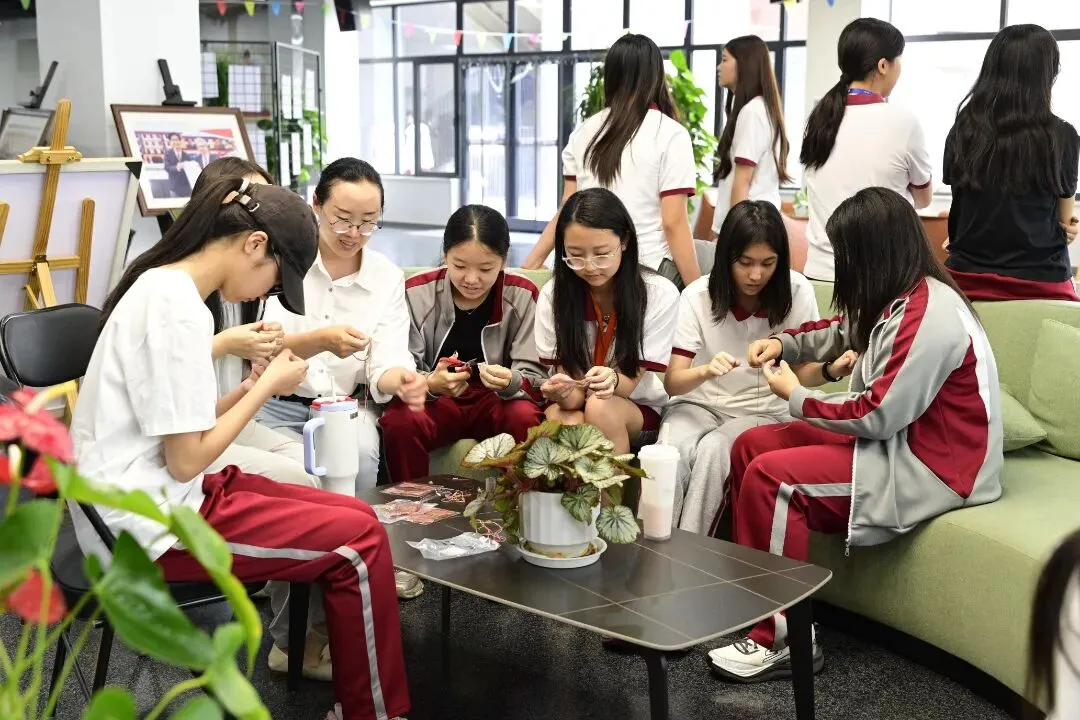
At the Intangible Cultural Heritage Mini Theater's cord-braiding station, participants worked in focused silence. Colored silk threads passed between their fingers as they completed successive knots. Volunteers demonstrated each step and gave individual guidance, helping teachers and students make their own Duanwu cords. The small cords expressed wishes for health and wellbeing, together with care for others and appreciation of a cultural tradition.
05 Painting and Balancing Eggs
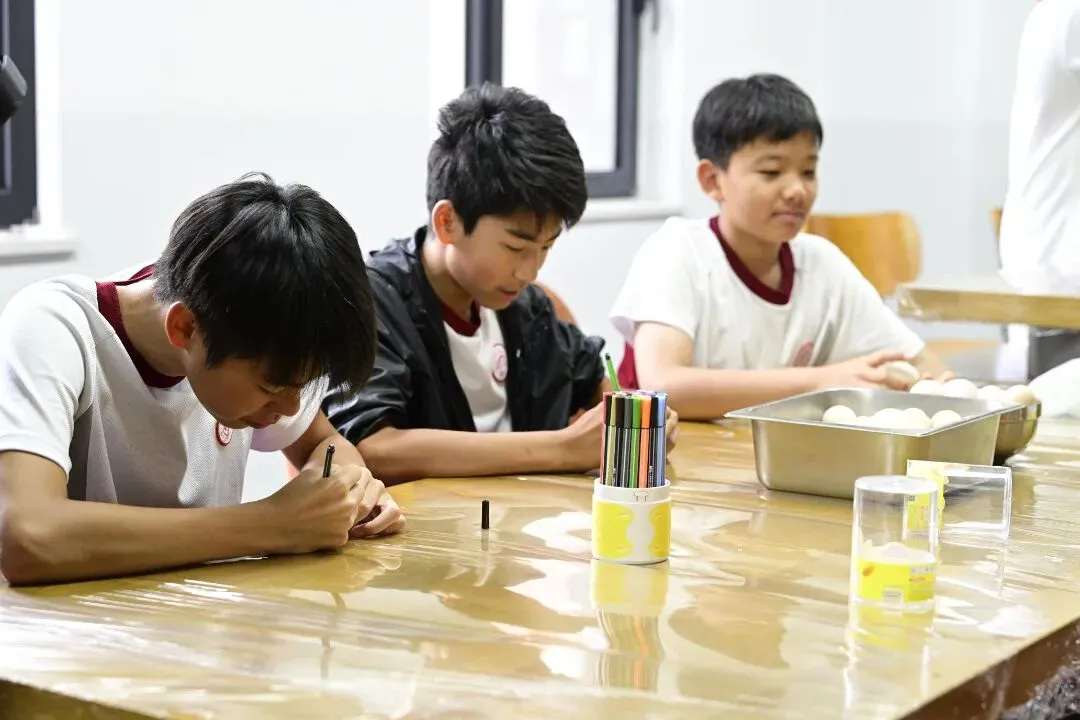
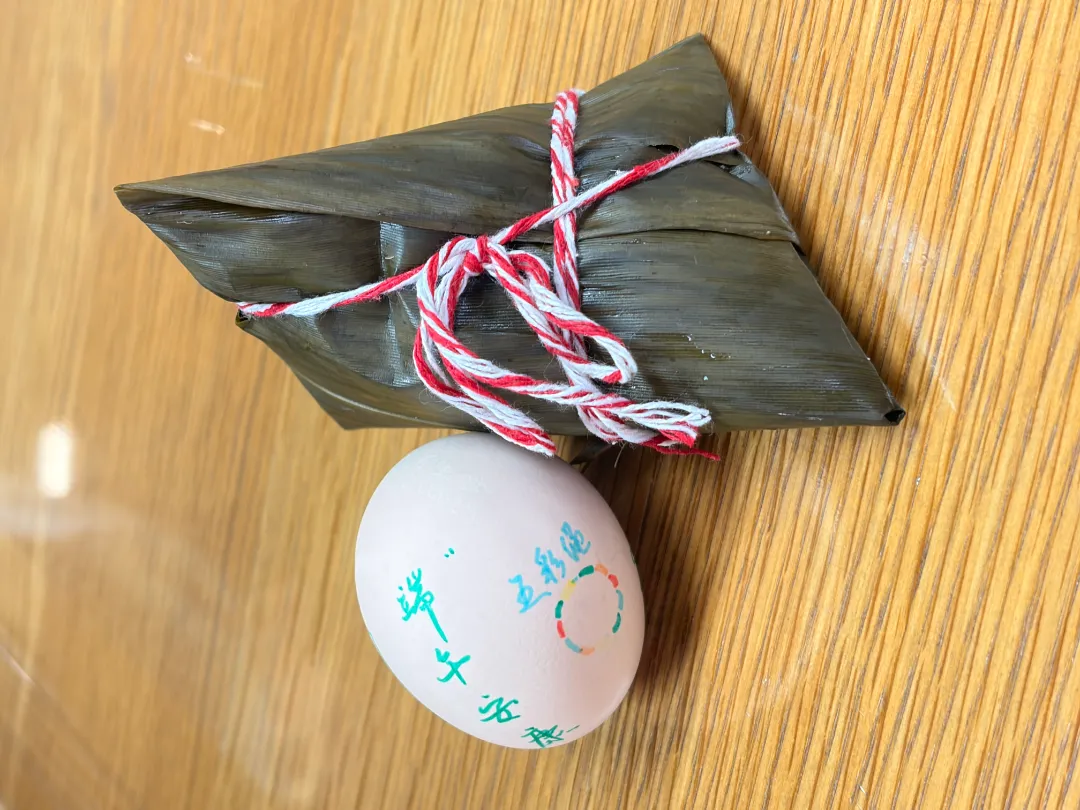
At the egg-painting station, students decorated boiled eggs with colored markers. Their designs included dragon boats and cheerful zongzi characters, festival wishes and abstract patterns. Afterward, they tried balancing their eggs upright. Initially doubtful that it could be done, some discovered that gently cracking a small part of the shell at the base allowed an egg to stand. Their success brought another round of cheers.
06 Remembering the Celebration
The half-hour fair ended before participants were ready to leave. The scent of zongzi leaves lingered in the lobby, ends of colored thread remained on the tables, and students gathered in small groups to discuss what they had enjoyed.
Experiences beyond the classroom also contribute to education. Pitch-pot encouraged concentration and zongzi making required patience; braiding cords expressed care, while egg painting encouraged imagination. These activities gave students opportunities to participate in traditional culture and create something of their own. Memories of that participation can strengthen their connection with Chinese cultural traditions over time.
We wish everyone health and happiness for the Duanwu Festival and look forward to celebrating together next year.