
#GraduateStory | Angela Fang: Three Years, and Still Not Ready for Goodbye
University | Imperial College London |
Major | Biological Sciences |
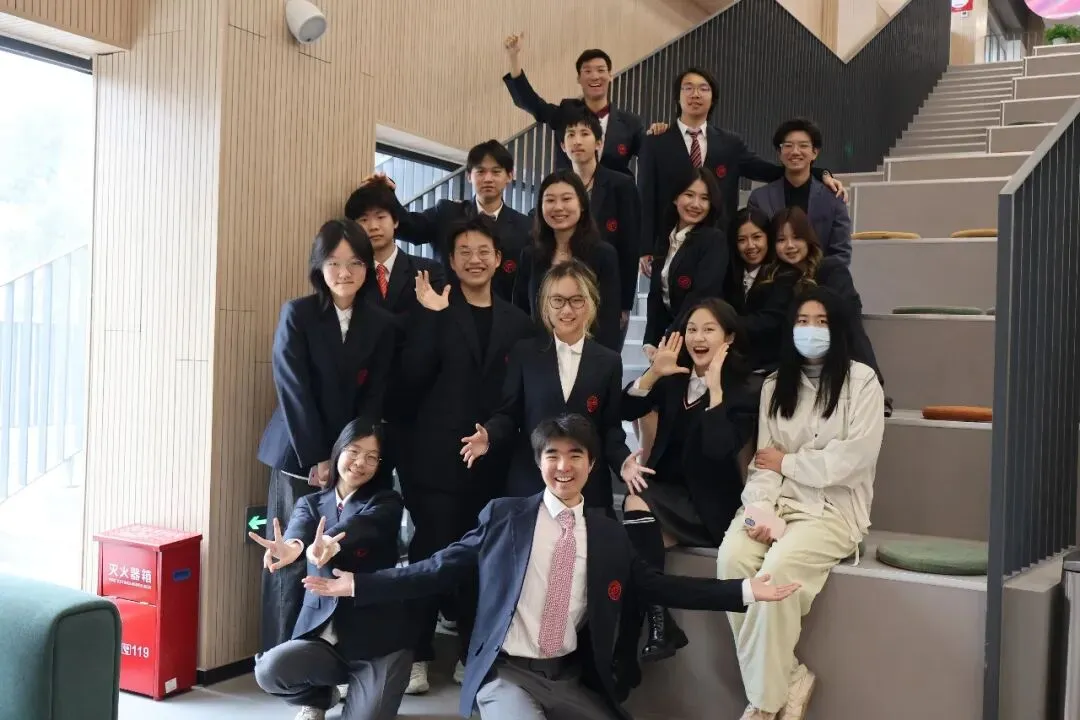
Hello, I am Angela Fang from BAID's G12C3. During three years of high school, I have learned to find a balance between change and continuity.
Part 01
Exploring What I Want to Study
My curiosity about people's thoughts and the reasons for their behavior began long ago. As a child, I wondered why an unfamiliar place could sometimes feel strangely familiar. For a moment, I seemed connected to a vast, comforting memory from another time. Then, after closing and reopening my eyes, I would find myself back in ordinary reality, with that sensation already fading. When I asked why it happened, the answers were always vague.
I set that question aside for a while. In middle school, biology gave me new questions to explore. Why did my shoulders tense and my hands shake when I was nervous? What happened at the molecular level? In Grade 10, I happened upon a video using a 3D animation to explain how motor proteins move and produce muscle contractions. It gave me a glimpse of the remarkable complexity of microscopic processes and a new appreciation for biological abilities I had barely noticed. I began exploring biology further, preparing for BBO and USABO and exchanging ideas enthusiastically with classmates who shared my interest. Ms. Yuan Xiaoyang's engaging Honors Biology and AP Biology classes deepened my understanding. Hearing about her own research, I was also inspired by her enthusiasm.
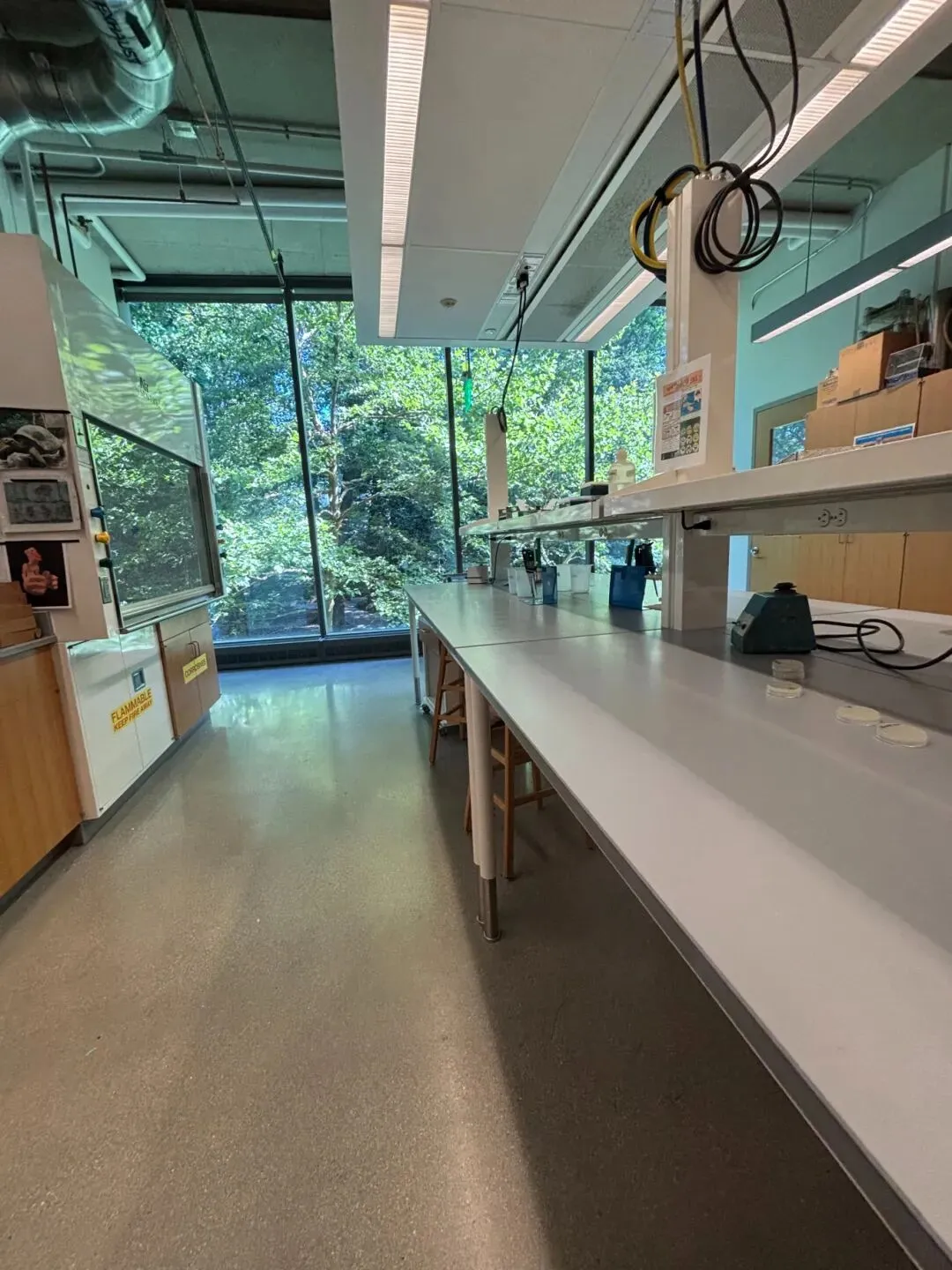
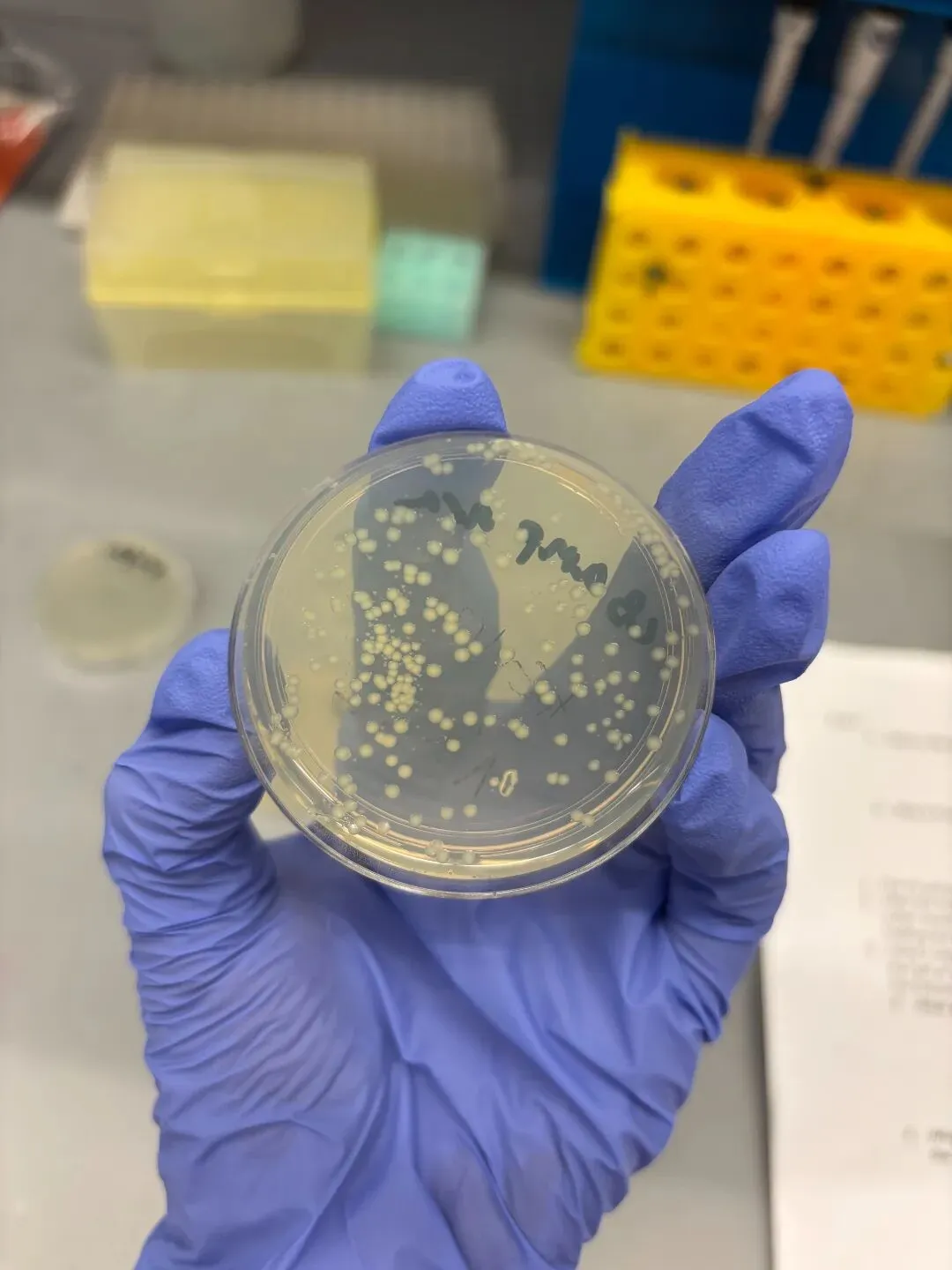
In the second semester of Grade 11, I was accepted into Johns Hopkins University's Intro to Lab Research summer program. Working in a well-equipped biology laboratory gave me firsthand experience of research and made me eager to pursue it further. Two weeks passed quickly, but they gave me an initial impression of studying at a university abroad and the resources available in my field.

While reading Myers Psychology in Grade 11 AP Psychology, I unexpectedly found an explanation for the strange familiarity I had wondered about as a child. The textbook discussed delayed neural transmission in relation to déjà vu. This was my introduction to neuroscience, which connects biology with psychology and other fundamental disciplines. Later, studying psychology and neuroscience brought many similar moments of recognition. I began to feel that these subjects could help me understand other people and explain my own experiences.
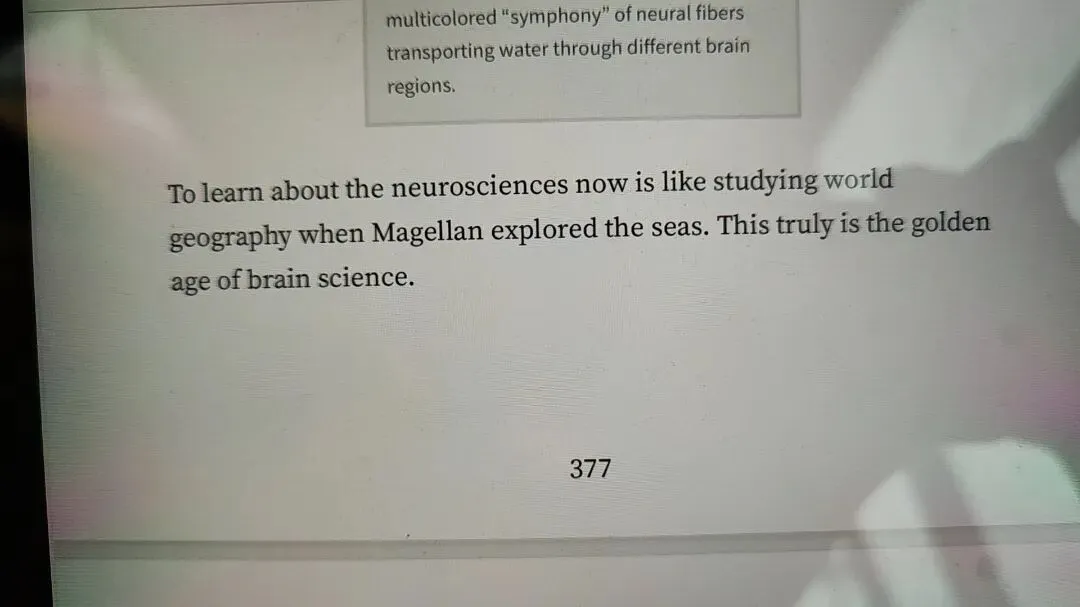
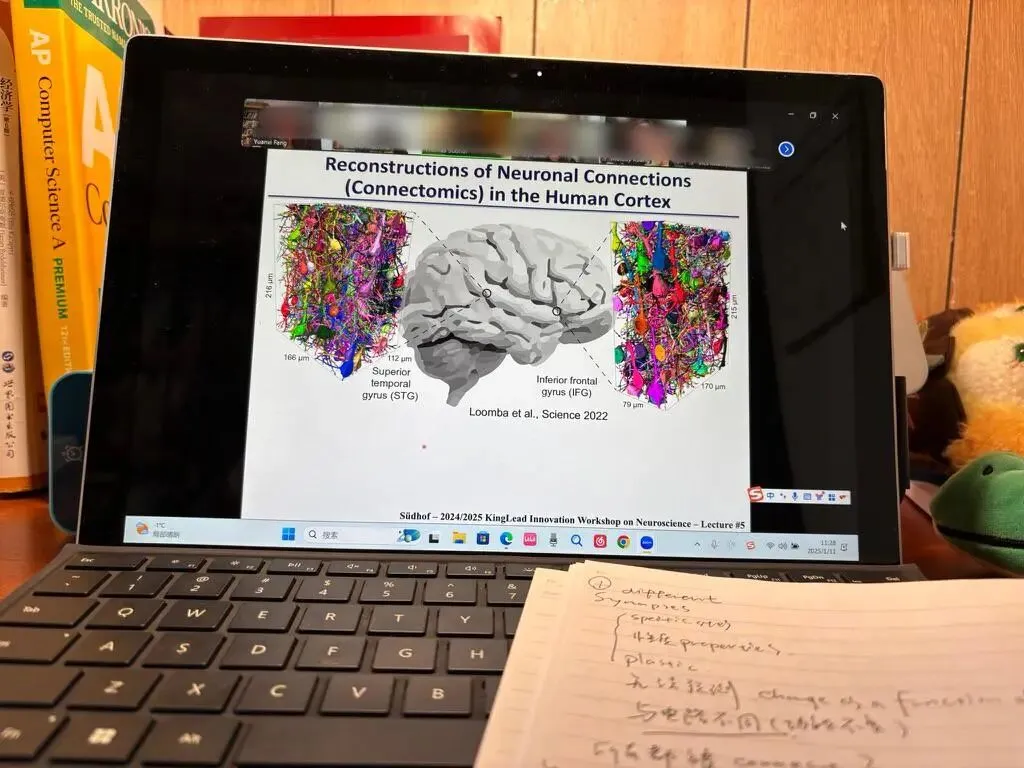
Figure 1: From Myers Psychology
An analogy for my first encounter with neuroscience
A school-supported series of neuroscience lectures by Nobel laureates then gave me an introduction to the field. The intricacy and capabilities of the human brain amazed me. I became curious about broader questions and hoped to develop the knowledge to explain them.
The school's research opportunities also enabled me to study and intern at the Institute of Psychology, Chinese Academy of Sciences. Under Ms. Li's guidance, I worked alongside graduate students and learned the procedures used in their projects. I saw how methods I had encountered in books were combined in practice, and how carefully designed experiments addressed particular research goals. Again and again, I found myself understanding something I had previously known only in theory.
During our MFP project in the second semester of Grade 11, two classmates and I reviewed research on self-continuity and compiled a mental health handbook about strengthening it. Mr. Lyu Ming guided us with careful attention to detail and high expectations. Self-continuity is the sense of connection between our past and present selves, and the selves we imagine becoming. Applying that concept to my own experience brought an unexpected happiness. As I began studying psychology seriously, I remembered the child who had loved thinking about mental states and recognized that curiosity in myself again.
Eventually, I applied for programs in psychology and biology, as well as neuroscience. I wanted to continue experiencing the curiosity and sense of discovery that studying these subjects had given me.
Part 02
Developing My Interests
Art has always helped me appreciate the strength that comes from feeling at peace. Throughout high school, I continued exploring art and enjoyed every moment in the art classroom.
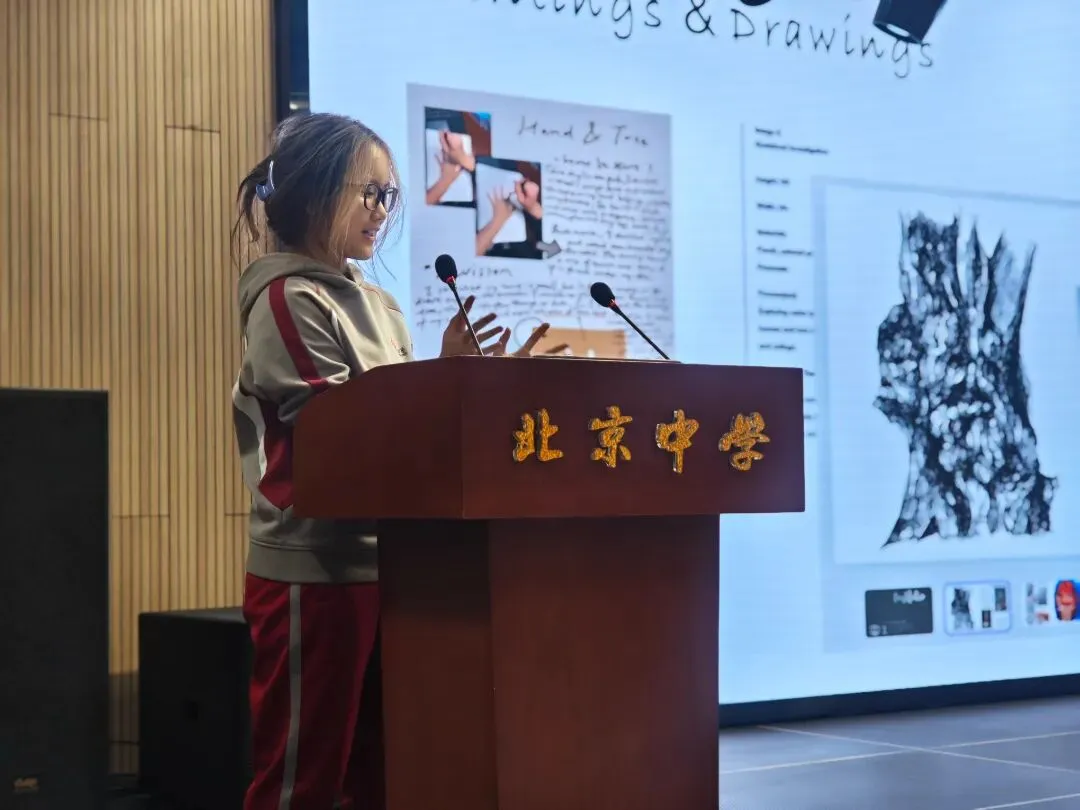
A ceramics elective introduced me to a new medium in the studio in a corner of the Jinchan campus. I also completed my AP 2D portfolio, exploring my response to the vitality of life. I am especially grateful to Mr. Ren Qiuming for his professional advice on its content and layout. In Grade 12, I chose Art and Design so that I could continue expressing ideas through painting.
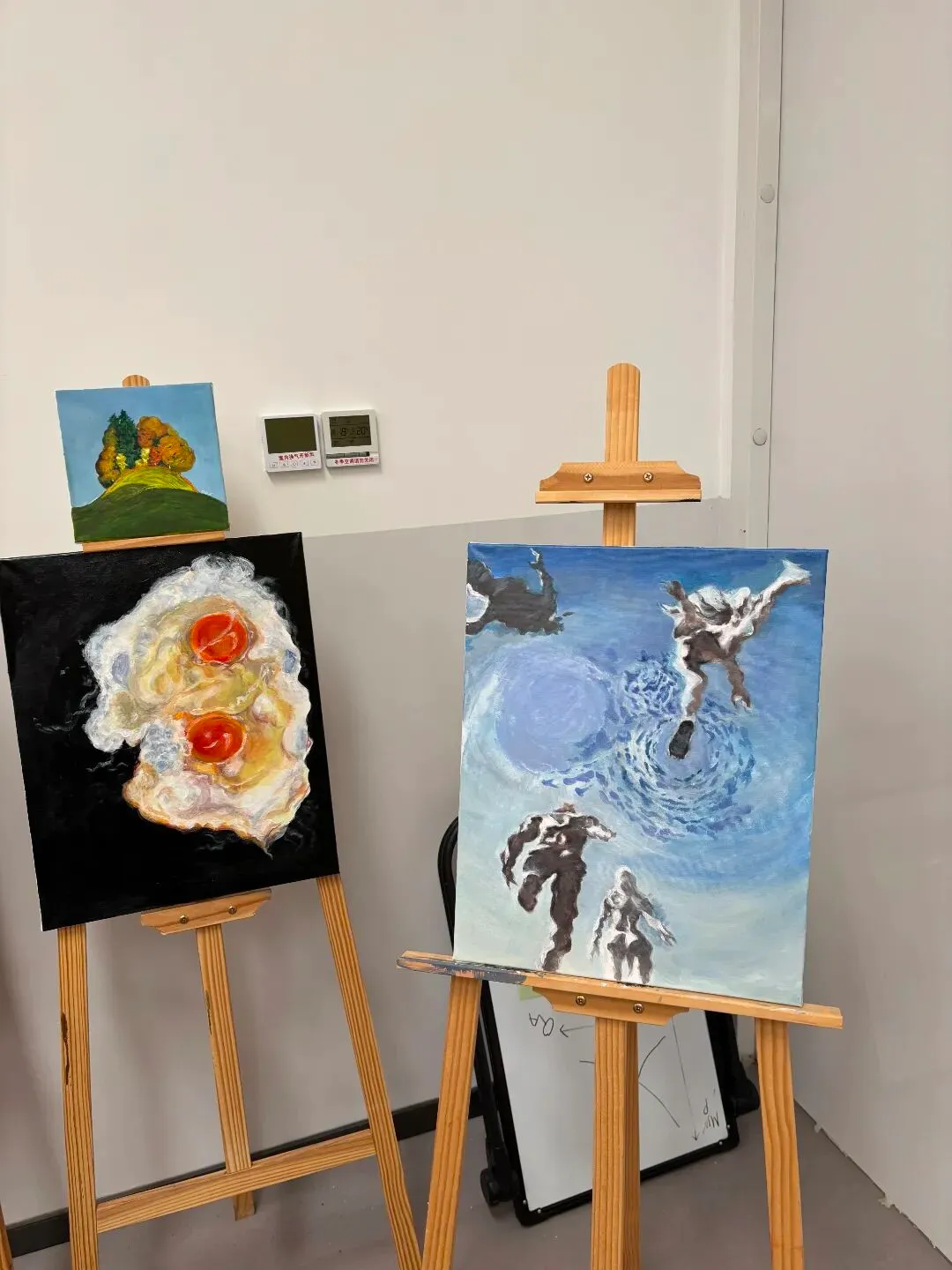
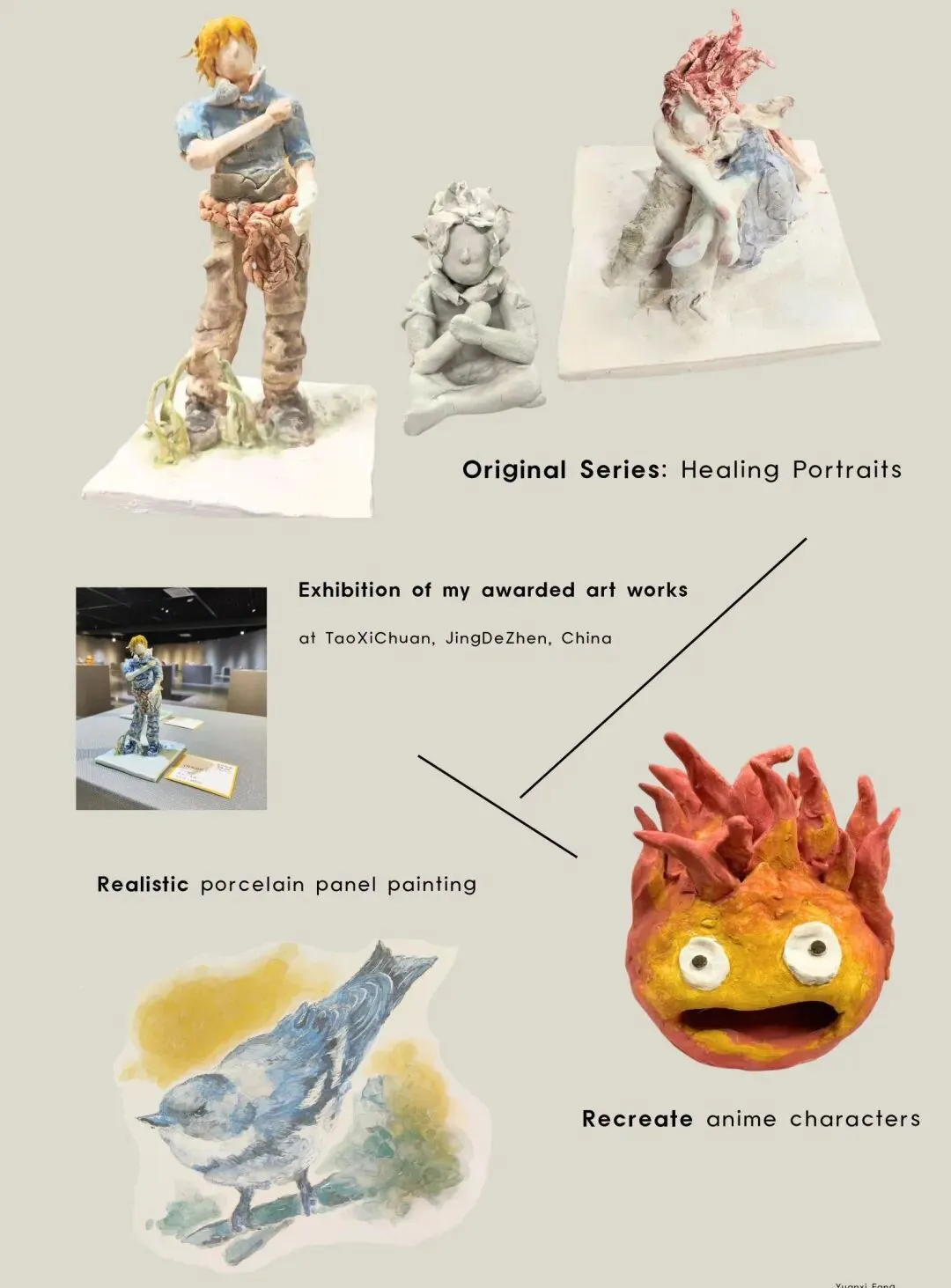
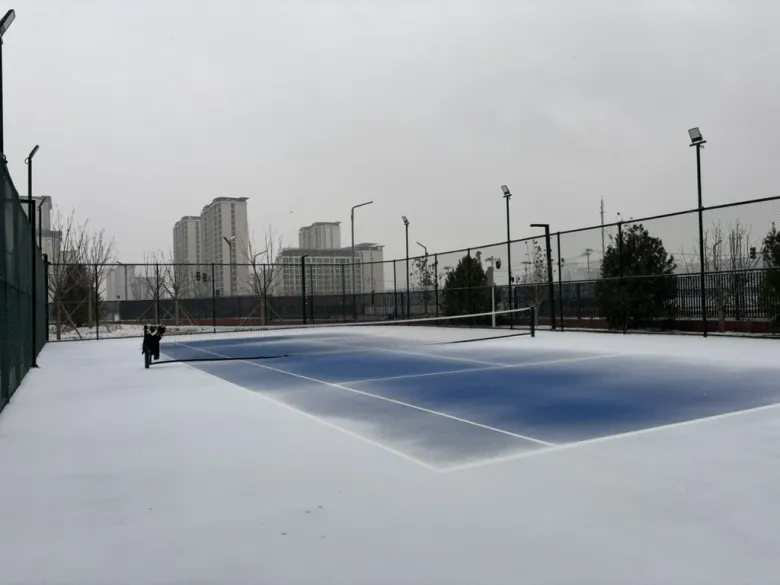
I also thoroughly enjoyed PE during these years, acquiring new skills in archery and tennis. Before application season, Mr. Liu Bei encouraged me to enter tennis competitions in Chaoyang District, where I discovered the excitement of competitive sport. Tennis is now an essential part of my life, and I play whatever the weather.
I encourage other students to make time for sport even when they are busy. TED talks about the benefits of exercise for the brain, including Exercise Is the Best Investment for the Brain, explain why it is worth doing.
Part 03
My Experiences and What I Learned
After Zhongkao, I chose Beijing Academy, an entirely new environment for me. I believed it offered countless possibilities. Three years later, I still do.
In the second semester of Grade 10, I transferred from Beijing Academy's Gaokao track to BAID to pursue my own plans. Both approaches influenced me. The Gaokao track encouraged disciplined work toward mastery and progressively reducing errors in exams. BAID required courage in facing uncertainty and finding a direction independently. Despite this substantial change, settling in came relatively easily. Much of that was thanks to the kindness and sincerity of Class 3. I also gave myself time and space to find my balance.
After transferring, I often felt short of time as both my required studies and my interests expanded. External pressures also persisted, making my outlook and self-discipline especially important. Curiously, my understanding of this began with repeatedly encountering the word stoicism while learning TOEFL vocabulary on Baicizhan in Grade 11. This is simply how I discovered it, rather than an advertisement for the app. Looking up the word led me to Stoic philosophy. Since then, whenever I have struggled, it has helped me consider what I can change about my situation. A passage in Meditations expresses this: "You have power over your mind, not outside events. Realize this, and you will find strength." For me, self-discipline begins with clear goals and understanding what I want. Knowing ourselves helps us pursue our goals and learn from the process.
Q: How should we respond to change?
I once thought of life as a succession of milestones, including major exams and applications, followed by graduation. Stoicism helped me recognize myself in the decisions along the way: the repeated hesitation and uncertainty, and the eventual courage to accept the consequences.
When I moved from the Gaokao track to BAID, I could only guess how the decision would work out. Even now, I have yet to reach a definitive judgment. The experience taught me to accept life's uncertainty and to have the courage to reconsider my choices and begin again.
A: Meet it openly, because I am changing too.
Part 04
Applications and Advice for Younger Students
Handling applications independently brought persistent uncertainty and self-doubt, together with an eager sense of anticipation. I learned to acknowledge those conflicting feelings and allow them to pass, then focus on something else and adjust my expectations. Time went quickly. Looking back, I could appreciate Li Bai's sense of relief after passing through a long stretch of mountains.
Even getting ready to apply involved obstacles. Once I had finally finished preparing for standardized exams, successive application deadlines demanded my attention. Students applying independently to several countries should plan ahead and confirm their destination countries and universities, along with every application deadline.
Writing application essays helps you understand yourself. Other people's perspectives are valuable during that process, alongside your own reflections. Conversations can help you recognize aspects of your experience and find a clearer way to tell your story.
Learning to wait and to accept outcomes takes time, and continues throughout life.
Part 05
Acknowledgments
I am very grateful to my College Counselor, Ms. Tan Laiyuan. Her support and guidance helped me complete the demanding process of applying to universities in several countries.
Thank you to our caring Homeroom Teacher, Ms. Lin Xuejiao, and everyone in Class 3. I thank Mr. Lyu Ming and Ms. Yuan Xiaoyang, along with Mr. Ren Qiuming and the classmate who wrote my recommendation letters. I also thank Ms. Liang Xiao and Principal Zhou, Ms. Liu Jie and all my subject teachers, and Beijing Academy for its support. My parents gave me the freedom to make my own decisions, together with wholehearted support and trust.
I also want to acknowledge my own decision to give myself a new possibility.
I feel fortunate to have met such kind people here, formed many friendships, and discovered feelings and experiences that were new to me. Thank you, everyone. I wish you all the best as you begin studying abroad.