#GraduateStory | Michael Piao: Water Finds Its Own Way
University | University of California, Berkeley |
Major | Anthropology |
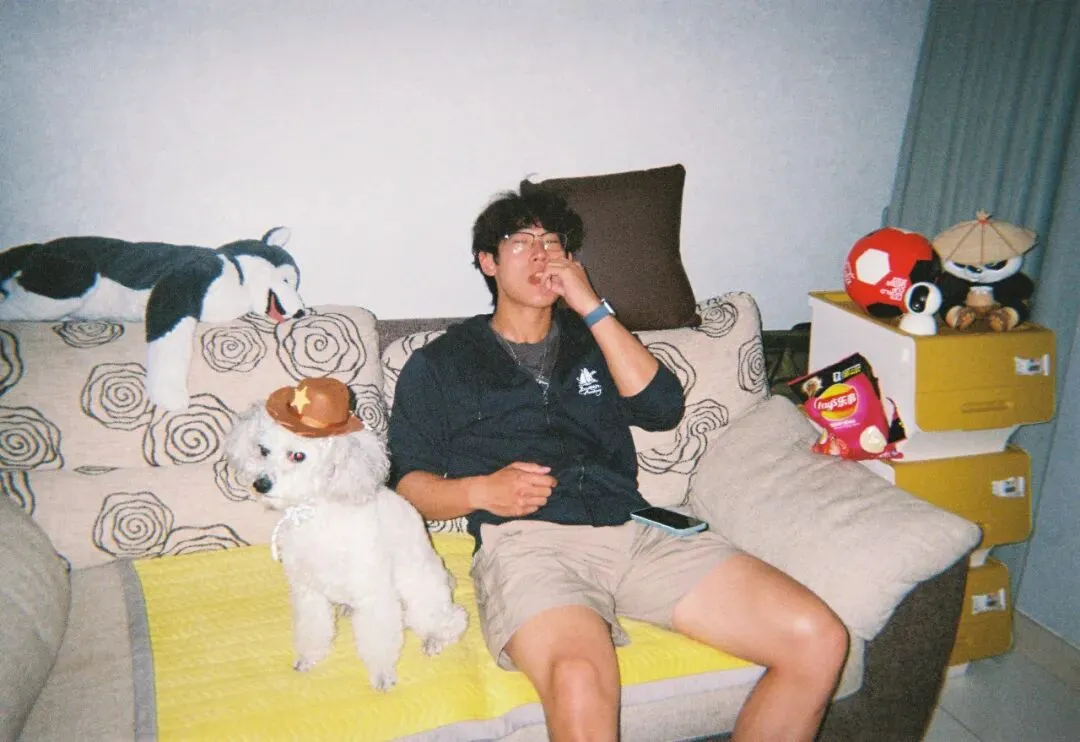
The usual iced Americano sat on the table. Around me were familiar conversations and the clink of cups and saucers; the afternoon light looked just as it had on countless days spent working on applications and homework, or revising essays. I stared at the bright screen of my laptop, suddenly unsure why I was there, like water that had spilled from its container and had nowhere to go.
Part 01 Learning to Adapt
When I started high school, I took pride in how easily I adapted. Like water following a new river course, I seemed to settle quickly into unfamiliar surroundings and adjust to new expectations and routines. I remember others feeling anxious about their workload or overwhelmed by competing goals. My own memories are mostly of finding my footing quickly. At the time, I thought water's greatest quality was its flexibility: it takes the form of whatever holds it and adjusts its pace to the riverbed it follows. Looking back, that was how I moved through high school.
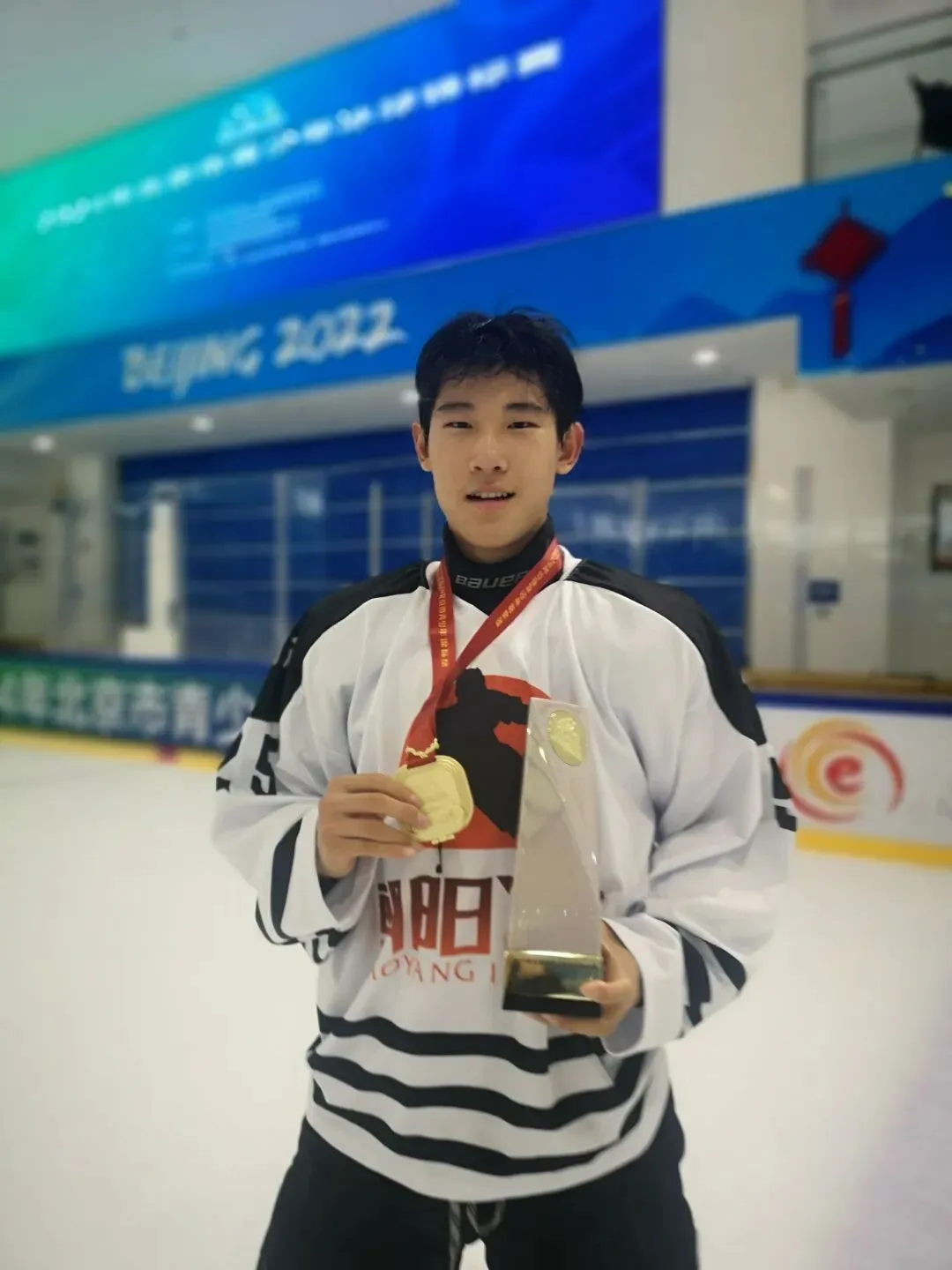
The ice rink was my earliest influence. Hockey gave my life a clear structure, with training and games, goals and discipline, and the experience of winning and losing. Balancing schoolwork with sport taught me to manage my time and take responsibility for getting things done before I was ten. Much of my grounding in English came from listening to the same audiobooks again and again on journeys between school and the rink. I was so absorbed that even after six or seven listens to Harry Potter and Warriors, or Percy Jackson, I always wanted my mother to play them again.
Away from those stories, hockey offered a world with clear boundaries that continually demanded effort. I knew where to focus my energy and what victory or defeat meant. Every practice and game brought me closer to a result I could measure. The rink also taught me early that every stage of life comes to an end. Seasons finish and teams change; someone else takes your place, and eventually you leave the ice you know so well. At the time, I had yet to find words for that feeling. I simply sensed that its limited duration was part of why I cared so deeply, and why I wanted to become as fully myself as I could before it ended.
Part 02 The Questions That Endings Raise
Later, classes and research gave me another kind of structure. Their direction was less immediate than hockey's, though just as real. Like many students, I spent my first two years of high school following my interests through different subjects, with little sense of where they might lead. Mathematical modeling and economics competitions each drew me in, as did sociological research. Each gave me a reason to commit my time. I moved through these interests like water passing through successive stretches of a river, taking on a temporary form as I searched for a question I would want to pursue over time.
Then a seminar introduced me to a question both expansive and relevant to everyone: how do we understand our lives and give meaning to our choices? Within the limits of our time and circumstances, how do we decide who we want to become? I struggled to explain why this affected me so deeply. Perhaps I had already encountered it on the ice, in my longing for a championship as a season ended, before changing teams, or as graduation approached.
Reading history brought me to ancient Chinese ideas about life and death, which I later explored in my own research. Alongside my academic curiosity about how people in the past understood death, I felt a more personal and enduring concern: knowing that everything ends, how do we find meaning in what we commit to and persevere with, and in the things we eventually leave behind?
Later, I wrote in my journal about finding the questions I wanted to pursue:
Let's not use interest; it's vague. A stronger version is persistent irritation.
Perhaps we should pay attention to the concerns that trouble us.
Even so, throughout most of high school, I continued to adapt to the containers I entered. Hockey and classes, research and activities all provided their own boundaries and expectations, along with a pace and direction to follow. I knew how to settle into each one, find my balance, and give it everything I had. That ability was my strength, and it explained why everything seemed to come so easily to me.
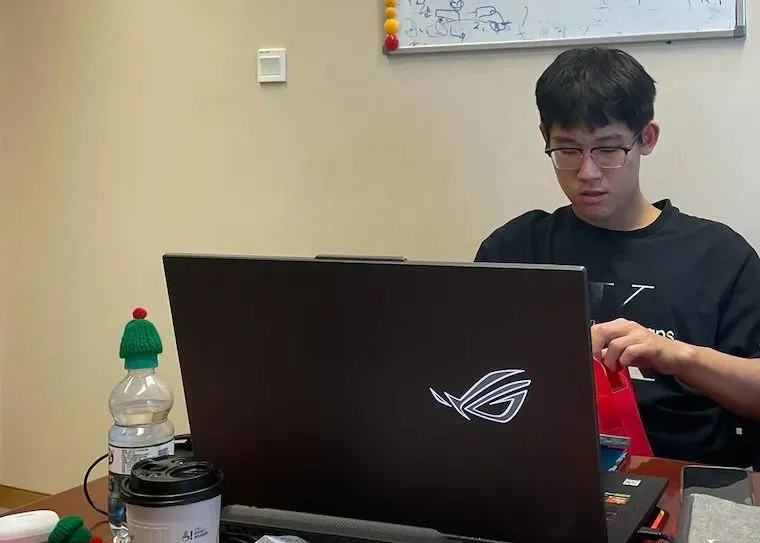
During application season, this became especially pronounced. The pressure was intense, and the routine was oddly reassuring. Most afternoons followed a familiar pattern: after school, I went to a café, opened my laptop, and worked through my essays word by word, discussing passages and deciding what to revise or delete. As the sunlight faded through the windows, I packed up and went to the gym before heading home. I felt energized; looking back, I realize I enjoyed that routine. Those afternoons were when I came to love cafés.
It was demanding, and I knew where I was headed. Application season was the most restrictive container I encountered in high school, and for a time it gave me the clearest direction. That lasted until I submitted my final application.
Part 03 Choosing What Comes Next
I had expected the relief and freedom I had been waiting for. When the essay prompts and deadlines all disappeared at once, I felt strangely suspended, unable to explain what had happened to me. On January 22, I woke up with nothing on my mind. That should have felt relaxing; instead, I struggled to feel happy. I lay in bed scrolling aimlessly through my phone, then went almost automatically to my usual café. I opened the list of everything I had wanted to do once applications were over and wondered where to begin. For the first time, deciding what to do first and why it deserved my attention was entirely up to me.
I began to understand how accustomed I had become to finding direction within an existing structure. I had committed myself fully to hockey and my classes, and later to my applications, actively working toward the goals each offered. Once those clear boundaries disappeared, choosing my own priorities and goals became my responsibility. For the first time, I had to answer the question for myself: Where do I go next?
Part 04 Beyond the Containers
Feeling stuck brought me back to a question I had spent a long time considering: what does an ending mean? In my research on ancient Chinese attitudes toward death, I had been drawn to the idea that the way a person ends their life can reveal how they understood it. Later, while writing the opening of my personal statement, I wondered how to bring a period I had devoted myself to so completely to a meaningful close. What would allow that ending to reflect everything I had put into it? The two questions were closely connected.
A season is precious because it ends. The limits of a research project urge us to pursue its questions as far as we can within the time available. High school, too, is a container we eventually leave, and that is part of why we treasure it and find parting difficult, and why we remember it afterward.
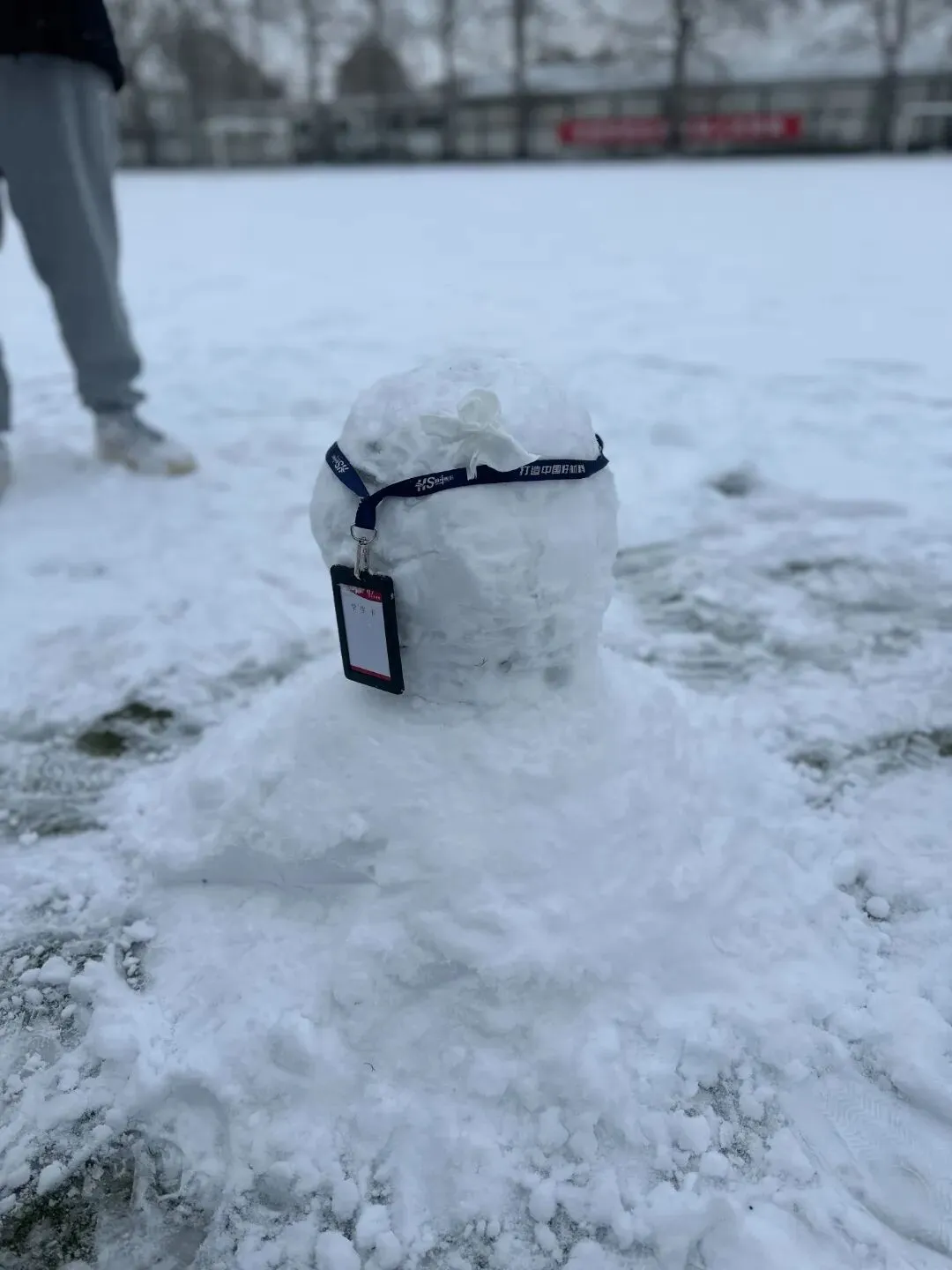
The answer can be found in our academic work and research, and in the accounts we give of how we have grown. It also lies in ordinary moments that now fill our memories: the thrill of collecting takeout in a hotel's fire escape passage during the Experiential Course; sweating through games between classes while classmates cheered; gathering to revise and discuss our work when we traveled to Hong Kong SAR China for exams; cake and rock music in Michael's class; running to the sports field during breaks when it snowed; or crowding ever closer together beneath the awning outside the school building during a downpour. These moments felt so ordinary at the time. As we prepared to leave, I began to understand how much they meant to me.
These containers gained meaning through the way I adapted to them and the knowledge that I would eventually leave. Learning to fit each one was part of growing up. Wherever life takes me next, I also want to keep moving in a direction of my own.
As evening approached, I stood up to leave for the gym, feeling very different from when I had arrived. A new line now appeared on the screen that I had been staring at earlier: "May we all keep a direction of our own, whatever form our lives take."
Part 05 Acknowledgments
Finally, I want to thank the people who taught me along the way: the teachers who helped me learn to read and think, and to spend time exploring a question, as well as the admissions officers who accepted or declined my applications. They gave me opportunities to move through different containers and encouraged me to consider who I would be once I left them.
I am especially grateful to Ms. Liu Jie. Her exceptional ability to manage her work is well known, and I particularly appreciate the countless informal conversations we had during application season. In those everyday exchanges, she gave me ideas and suggestions for revisions. A few words from her could ease my anxiety and help me feel better, even when I only recognized their effect later. Her support and trust also made it possible for me to write this article.
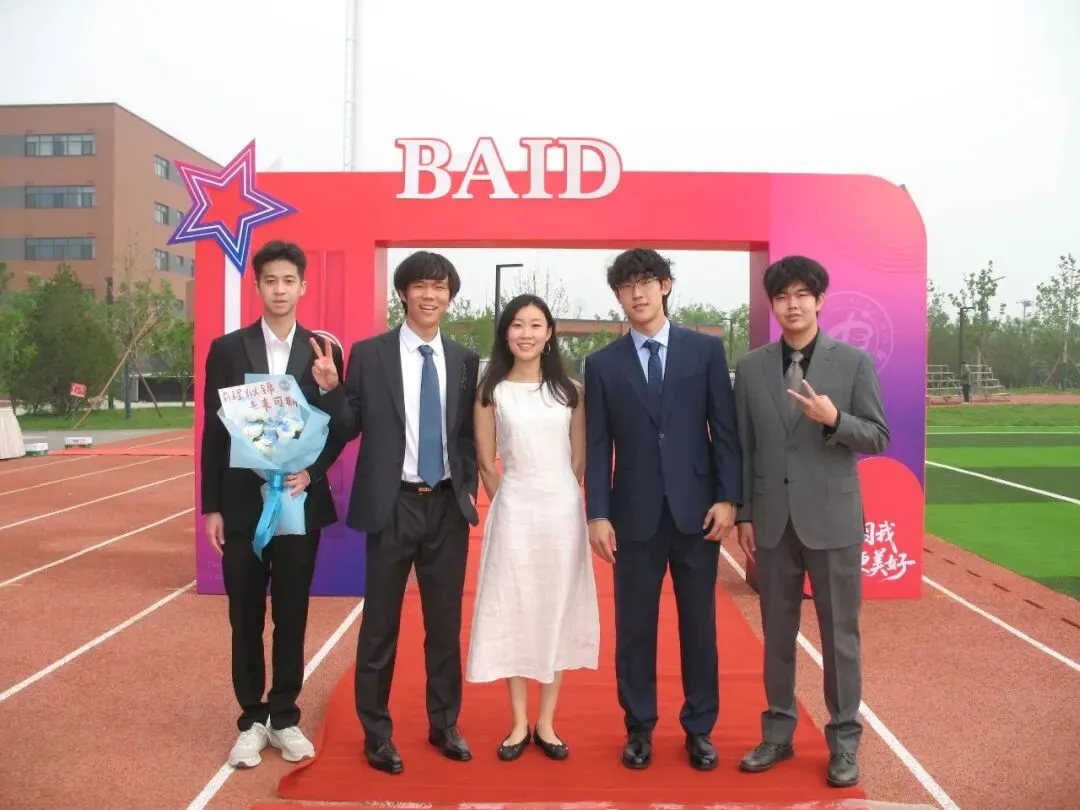
I would also like to thank Ms. Liang Xiao, our Head of Grade. My opportunity to learn from her came through the Major Foundation Program in Grade 10. Her detailed guidance gave me my first thorough understanding of research methods and the process of carrying out a project, even though I had never taken one of her classes. With her support, our project won first prize at the Beijing Jinpeng Science and Technology Forum. Throughout application season, she also offered warmth and trust to every Grade 12 student.
Four years have given me more to reflect on, and more people to thank, than I can include here. This article offers a brief account of that valuable period of growth and my gratitude to everyone who accompanied me through it. May these memories give us strength as we move forward.