First Lesson of the New Semester | Exploring the Space "Alchemy Furnace": A Science Rendezvous from China's Space Station
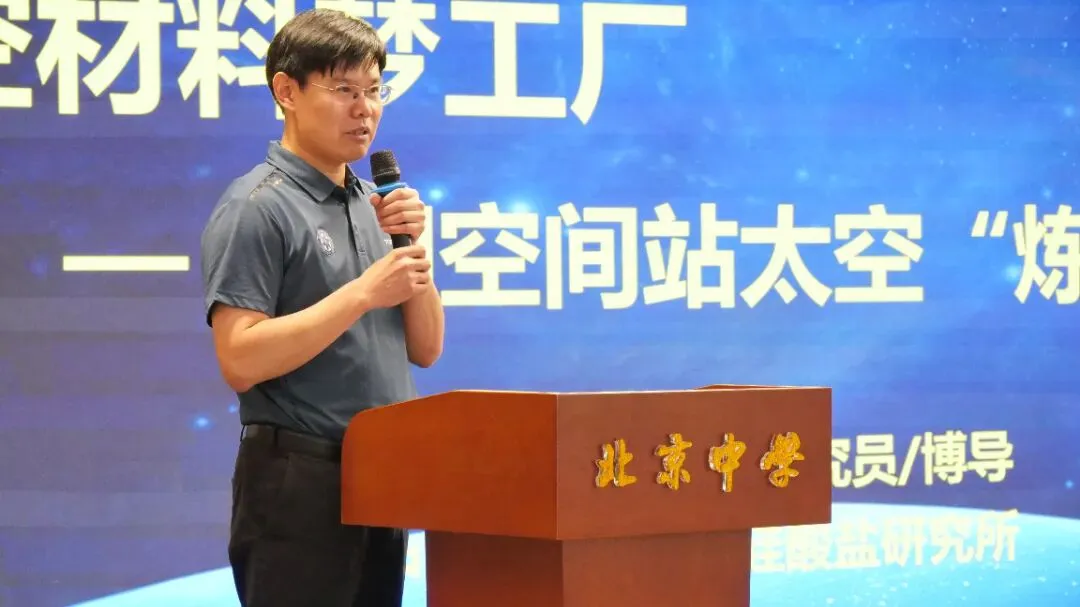
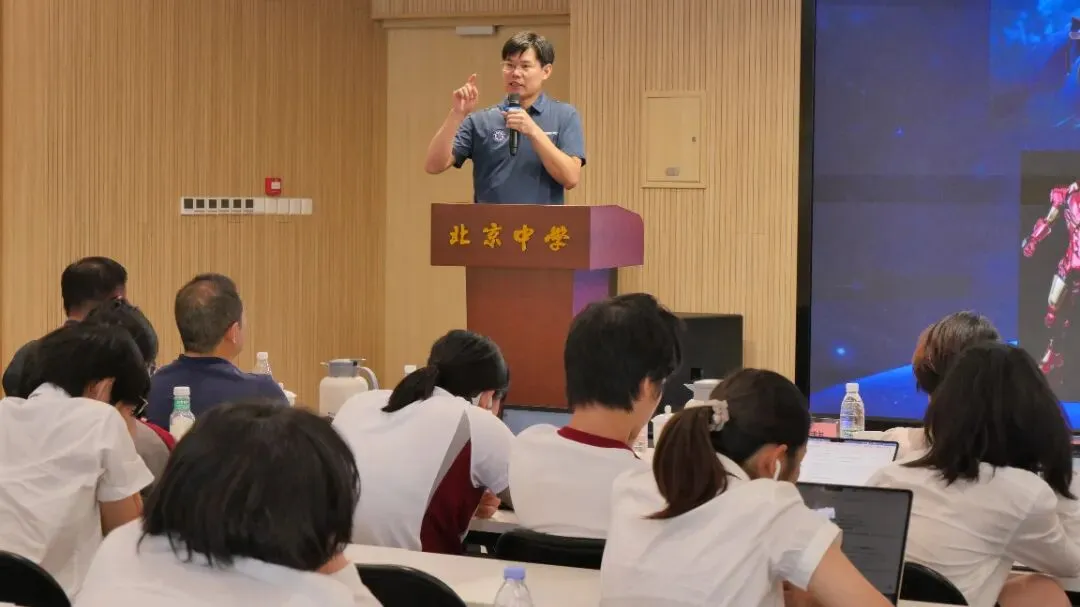
With the arrival of autumn and the start of a new semester, BAID held its First Lesson of the Fall Semester on September 1 in the assembly hall of Desheng Building. Building on the school's strategic partnership with Sinoma Synthetic Crystals Institute Co., Ltd., the event featured a special lecture by Liu Xuechao, a research professor and doctoral supervisor at the Shanghai Institute of Ceramics, Chinese Academy of Sciences. In his presentation, A Materials Science Laboratory in Space: China's Space Furnace, Liu introduced students to the advanced materials research conducted aboard the China Space Station.
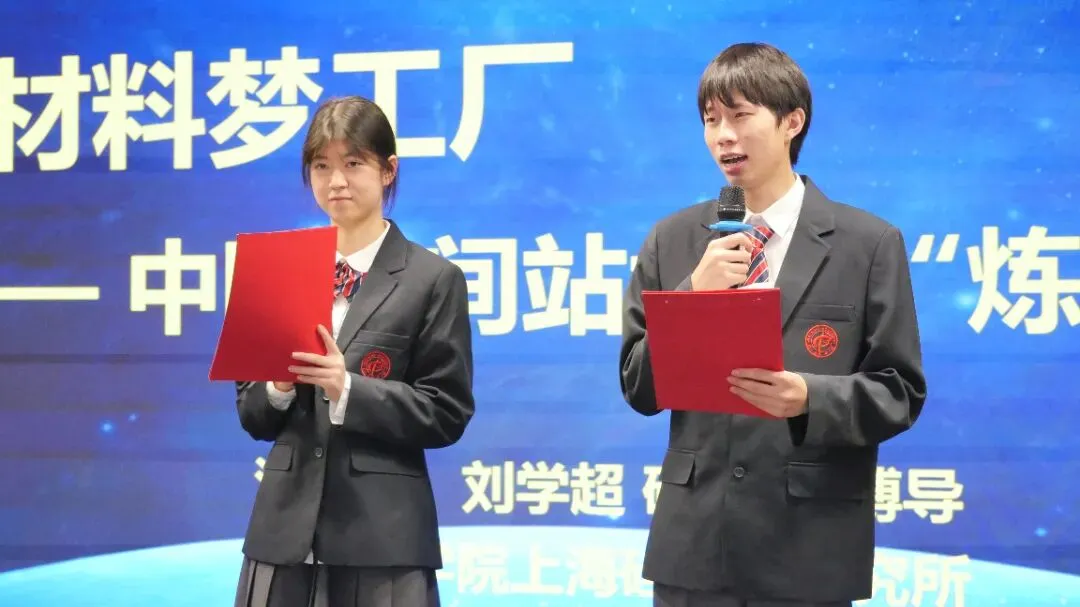
In Journey to the West, Taishang Laojun's legendary furnace grants extraordinary powers. More than 400 kilometers above Earth, the Mengtian laboratory module of the China Space Station houses a real scientific counterpart: the High-Temperature Materials Rack. Liu opened his lecture with this familiar literary reference, making the complex science of materials research in space immediately accessible to students.
Unlike its mythical counterpart, the space furnace uses advanced engineering to reach temperatures of up to 1,600°C. It also incorporates the world's first in-orbit real-time X-ray imaging capability of its kind, allowing researchers to heat materials while observing and recording the complete processes of melting, solidification, and crystal growth. The rack can accommodate more than ten groups of experimental samples and supports research involving semiconductor crystals, high-temperature alloys, functional crystals, energy materials, and other advanced materials. After processing in orbit, some samples can return to Earth aboard reentry spacecraft for further scientific analysis.
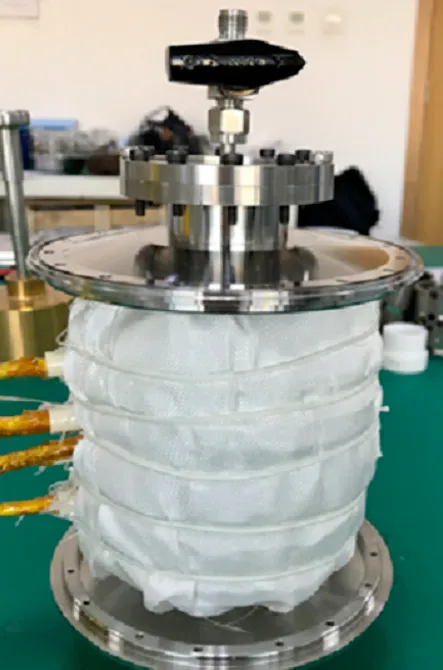
Heating Unit
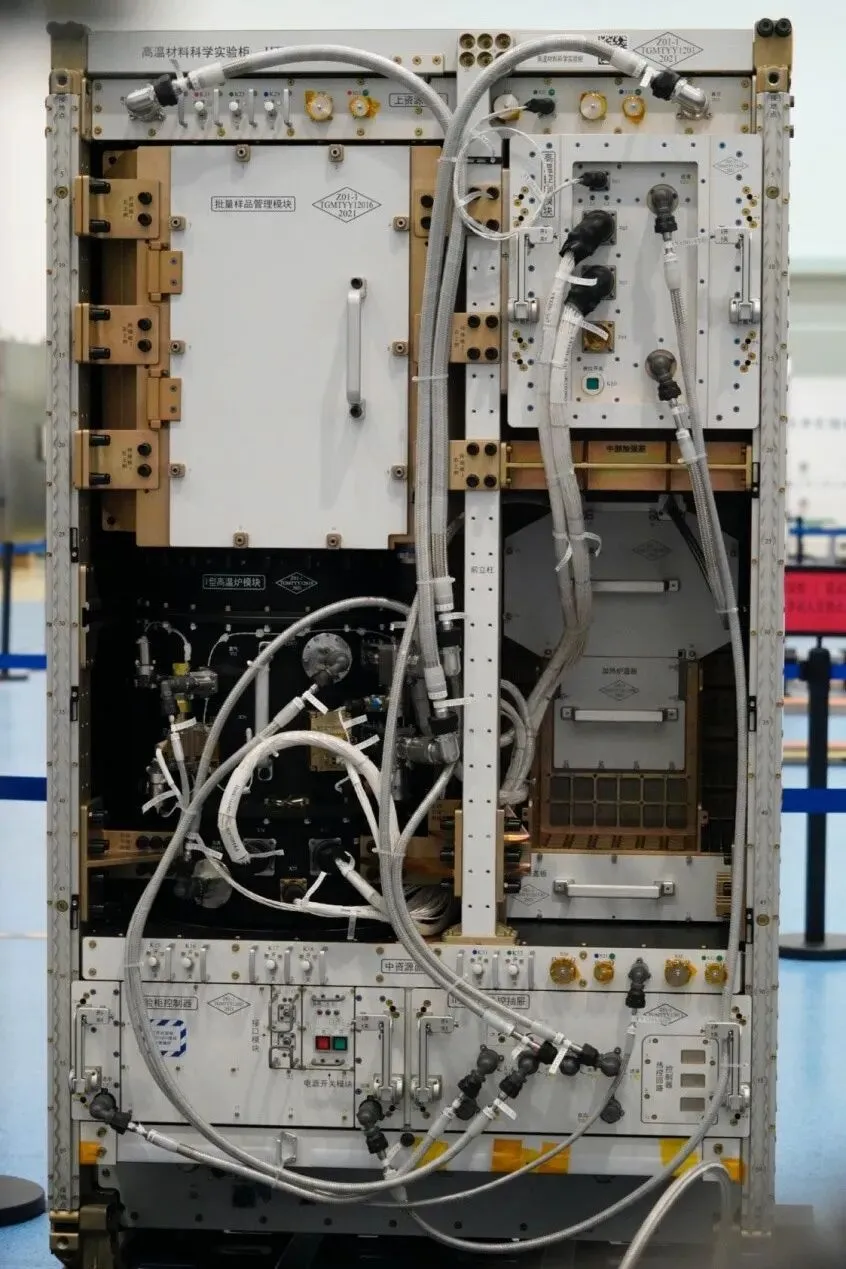
High-temperature Materials Cabinet
As Chief Designer of the High-Temperature Materials Rack aboard the China Space Station, Liu gave students a detailed introduction to this independently developed Chinese space research facility. From solving key engineering challenges to its successful launch aboard the Mengtian laboratory module and the completion of 35 materials science experiments in orbit, his firsthand accounts offered students a close look at crystal growth under microgravity.
In microgravity, sedimentation and convection caused by Earth's gravity are greatly reduced. This allows scientists to investigate crystal materials with higher purity and fewer defects under conditions that are difficult to reproduce on the ground. Materials produced aboard the space station may contribute to future advances in China's research and development of advanced materials.
After the lecture, students eagerly joined the Q&A session, extending their classroom thinking to questions about engineering and scientific research in space.
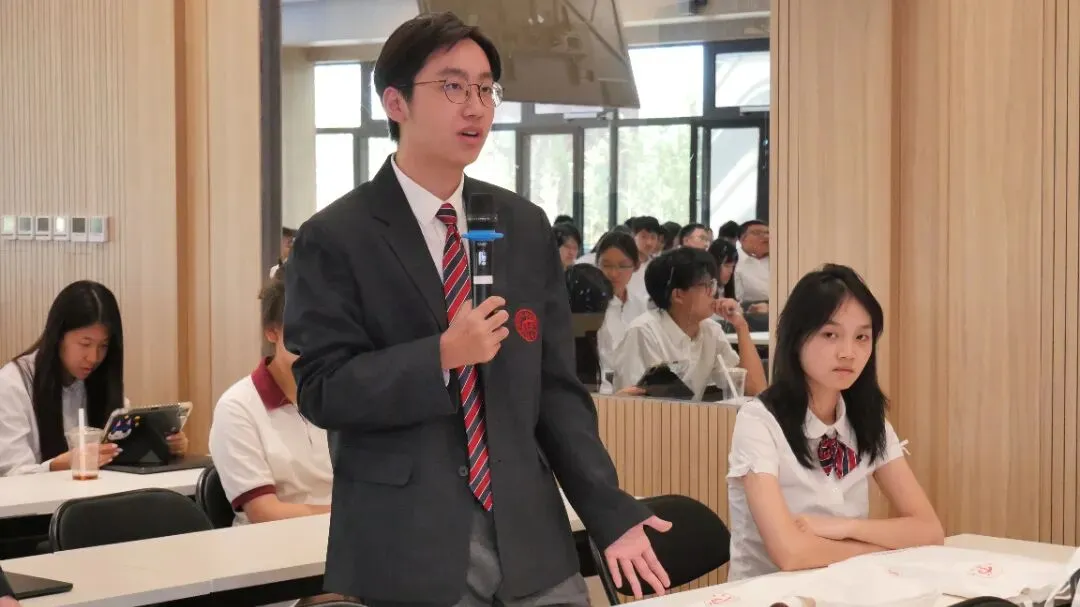
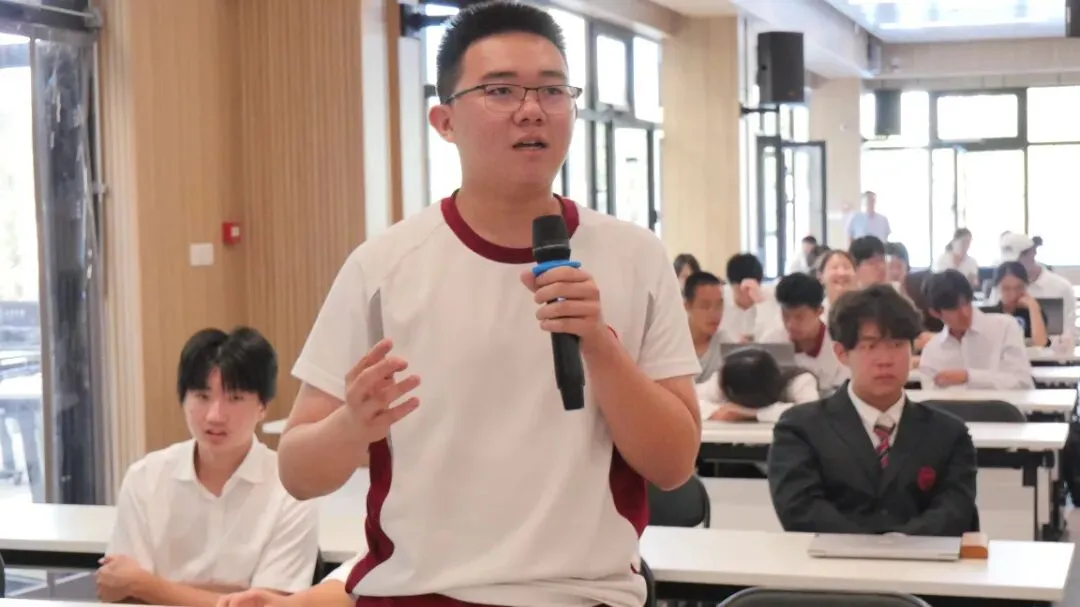
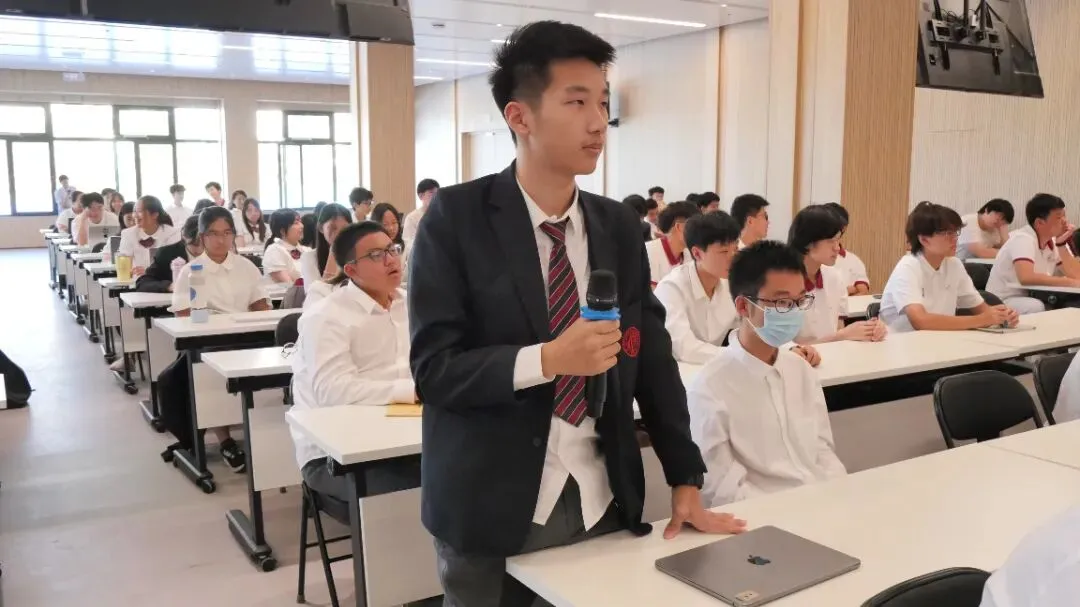
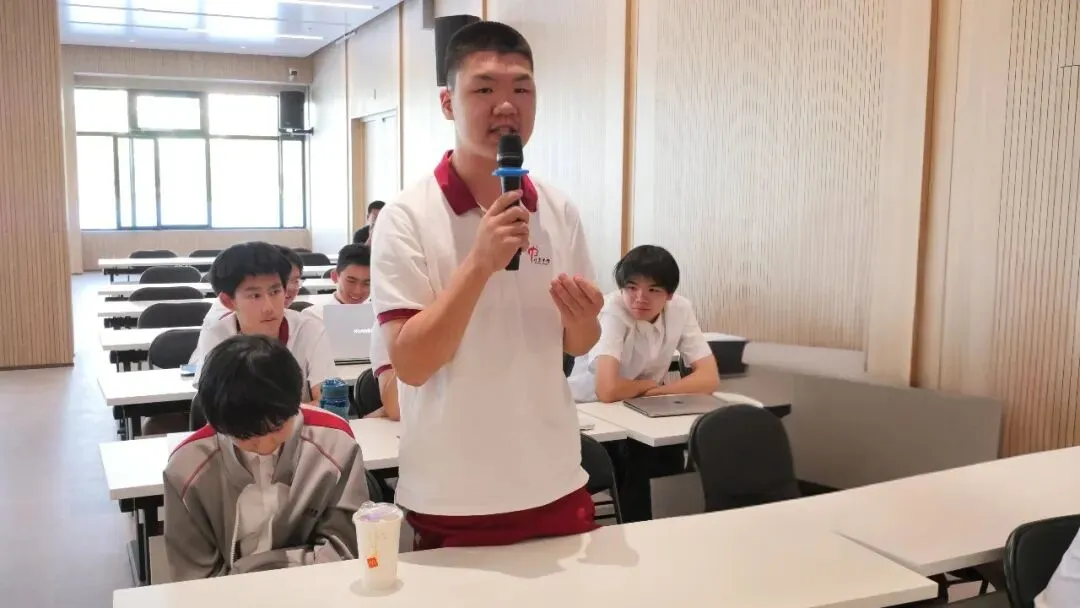
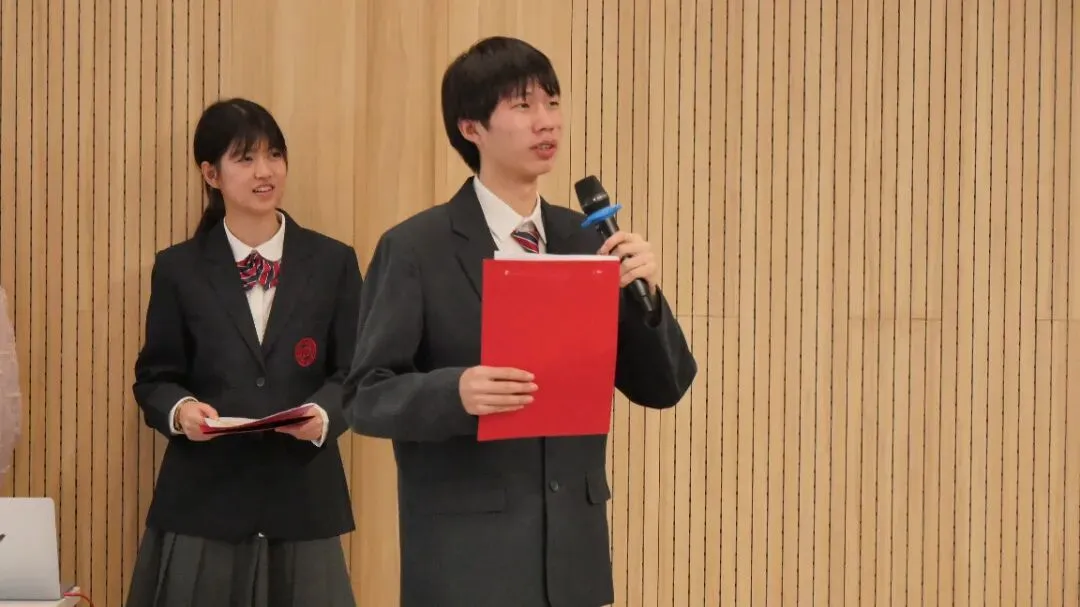
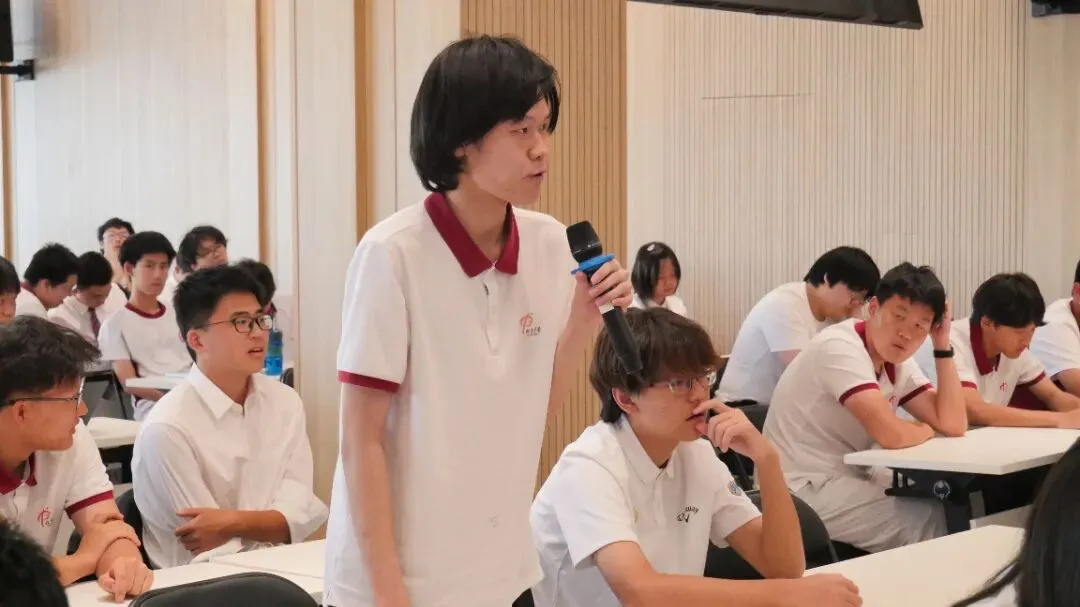
- "If the space furnace reaches temperatures above 1,000°C, what materials are used for the containers that hold the samples?"
- "How can such a precise scientific instrument continue operating safely and reliably in the extreme environment of space?"
- "Have any crystals grown aboard the space station reached commercial applications? What fields could they eventually be used in?"
Liu answered each question in detail, drawing connections across materials science, aerospace engineering, and experimental design. To encourage students' scientific curiosity, he also brought diamond crystals that he had prepared himself and presented them to students who actively participated in the discussion. Applause filled the hall as the crystals were placed in their hands.
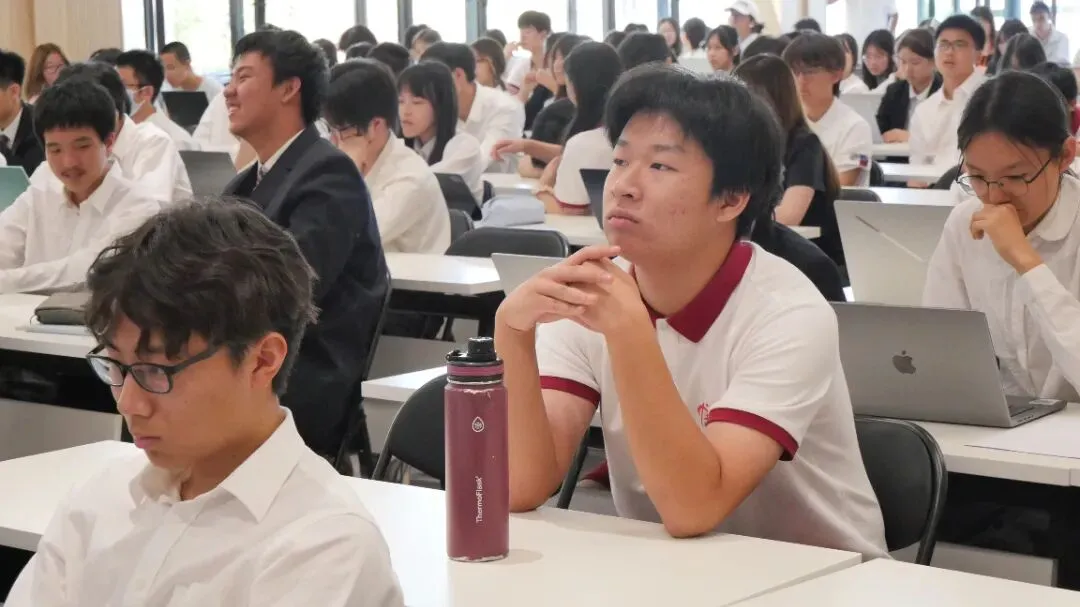
In April this year, Beijing Academy and Sinoma Synthetic Crystals Institute formally established the Beijing Academy Advanced Research Laboratory for Chemistry and Materials, launching deeper collaboration in the development of high-potential student innovators, joint curriculum development, and scientific practice. Du Hongbing, Deputy General Manager of Sinoma Synthetic Crystals Institute Co., Ltd., and his team also attended the First Lesson of the Fall Semester and joined students and faculty for the event.
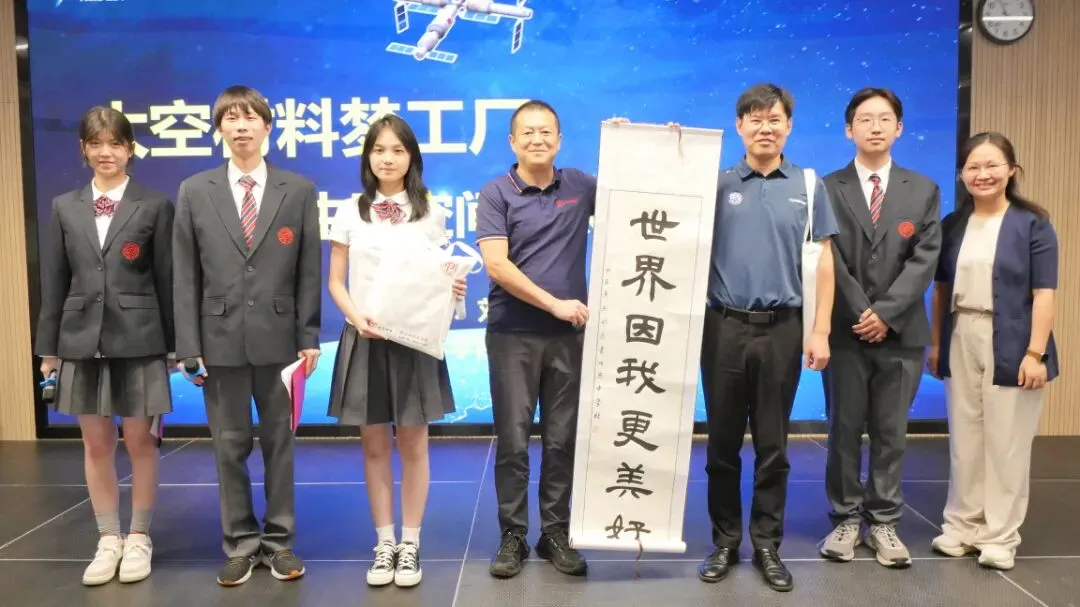
Student representatives presented commemorative gifts to Liu Xuechao and the guests from Sinoma Synthetic Crystals Institute, expressing their appreciation for the lecture and for the institute's continued support of science education at Beijing Academy. Principal Zhou Hui joined the visiting guests and student representatives for a group photograph, marking the growing connection between secondary education and advanced scientific research.
The lecture came to an end, while scientific inquiry continues far beyond a single event.
Every experiment completed in space is supported by hundreds or thousands of simulations and trials on Earth, repeated efforts to solve technical challenges, and years of sustained work by research teams.
As the new semester begins, BAID students are encouraged to carry forward their curiosity about the universe and their respect for scientific inquiry, combining imagination with rigorous study as they continue developing their own distinctive strengths.
This AI translation is provided for reference only. Please verify with original Chinese version.