The Whale Cafe
President: Lin Zhilu
Original President: Li Jiarui
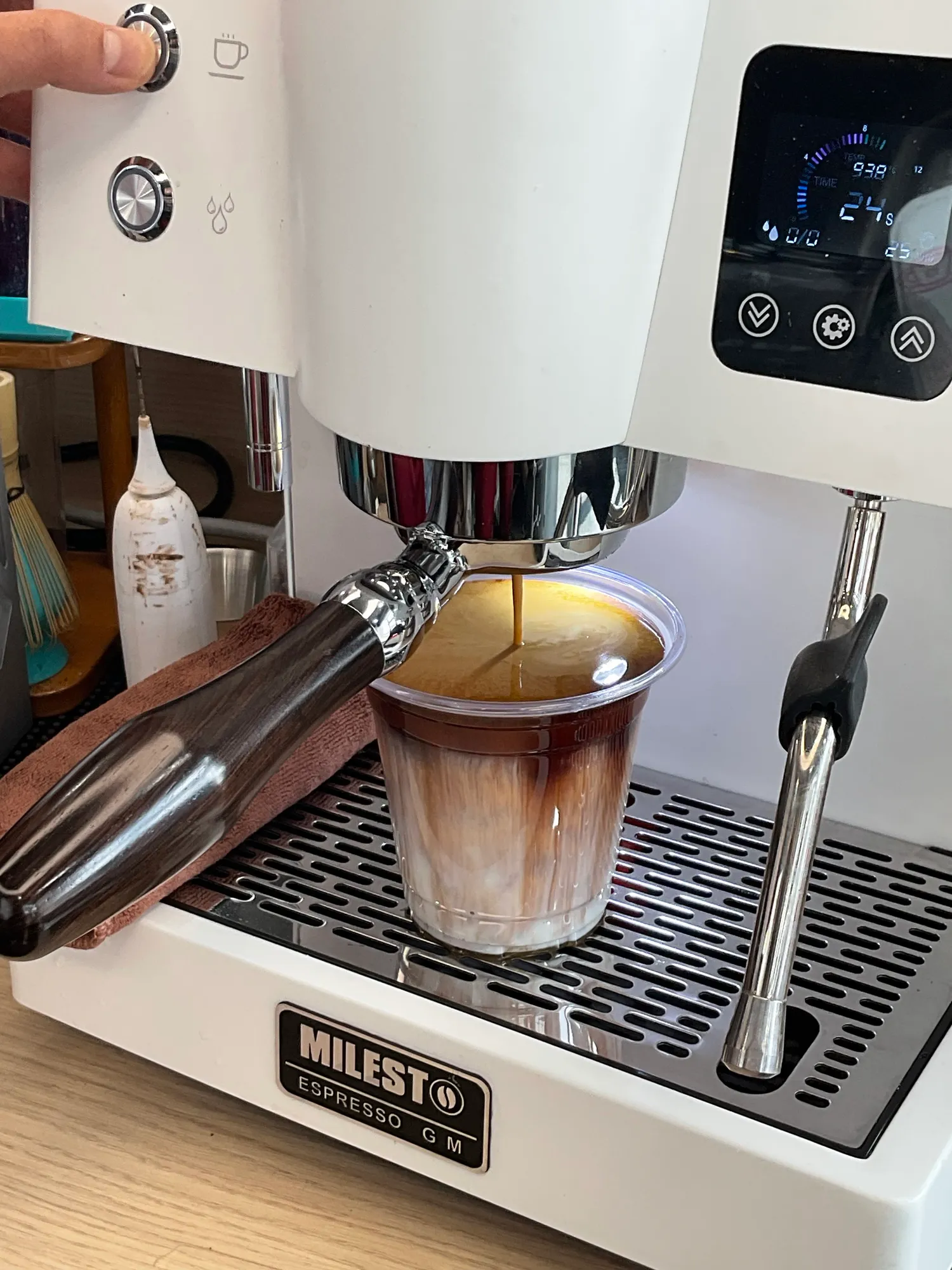
The Whale Café is a student-designed, student-operated campus café at BAID. Beginning with coffee served during weekday mornings and lunch breaks, students take direct responsibility for product development, store operations, financial management, branding, event organization, and customer service, gaining firsthand experience in running a small business of their own. Today, The Whale Café has developed into a campus project centered on freshly made beverages while also incorporating student business practice, campus culture, and public service. Through each cup of coffee, the project continues to create new possibilities for student life at BAID.
Background and Vision
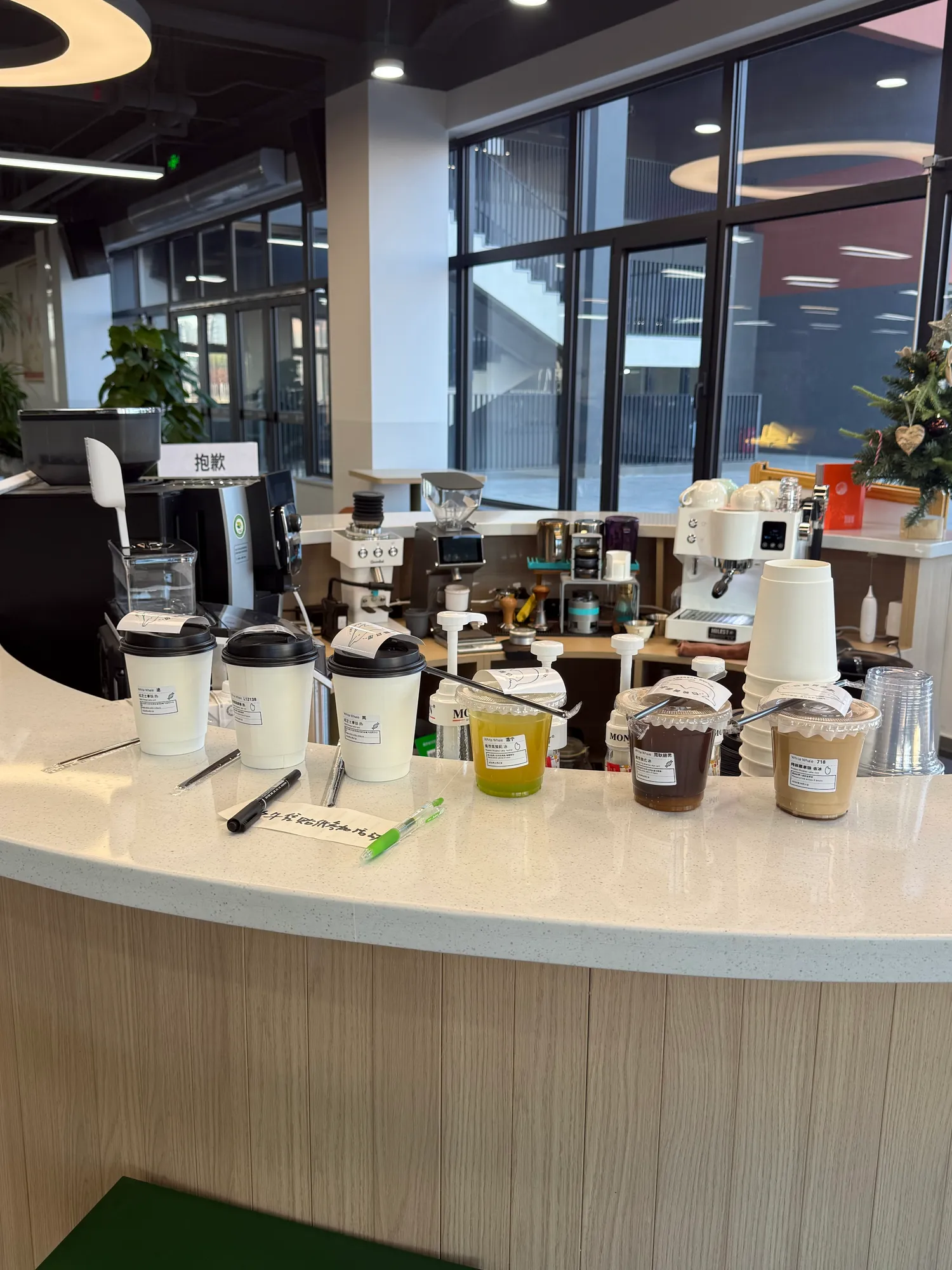
The Whale Café was created to give students a campus space where they could participate directly in real-world operations. A drink proposed by a student can eventually appear on the menu. A promotional design can be displayed across campus. An event idea can be tested by dozens or even hundreds of participants. Each day of operation generates immediate feedback through orders, sales, and customer responses.
Students therefore experience the complete process behind a project, from developing an idea and planning its execution to operating it, reviewing the results, and making improvements. Rather than treating business concepts as something learned only in the classroom, The Whale Café allows students to encounter them through everyday decisions.
The project also aims to develop the café as a space for interaction within the Beijing Academy community. Serving students and faculty, The Whale Café uses drinks, activities, and ongoing operations to create additional opportunities for communication on campus. Future plans include the Whale Coffee Corner, where students can gather around themes such as culture, English, and campus life, allowing the café to become a shared space connecting different parts of the school community.
Student-Led Operations
One of the defining features of The Whale Café is that students take direct responsibility for operating the café.
Members participate in drink preparation, menu development, cost calculation, pricing, event planning, store management, customer feedback, and project review. Their decisions are tested through actual sales, revenue, and customer responses, giving students the opportunity to see the direct consequences of how a business is managed.
As the project has developed, The Whale Café has established a more structured student management system. The team currently includes an Operations Department, Finance Department, Events and Publicity Department, and Production Department. Members contribute according to their responsibilities, covering areas ranging from product development and inventory management to financial records, event execution, store service, and publicity.
The café has also established operational procedures for morning and lunch shifts, daily financial records, inventory tracking, opening and closing inspections, ingredient storage, and equipment cleaning. Through these systems, students are gradually developing the café from a campus activity into a student project that can operate continuously and be passed from one cohort to the next.
Product Development and Campus Operations
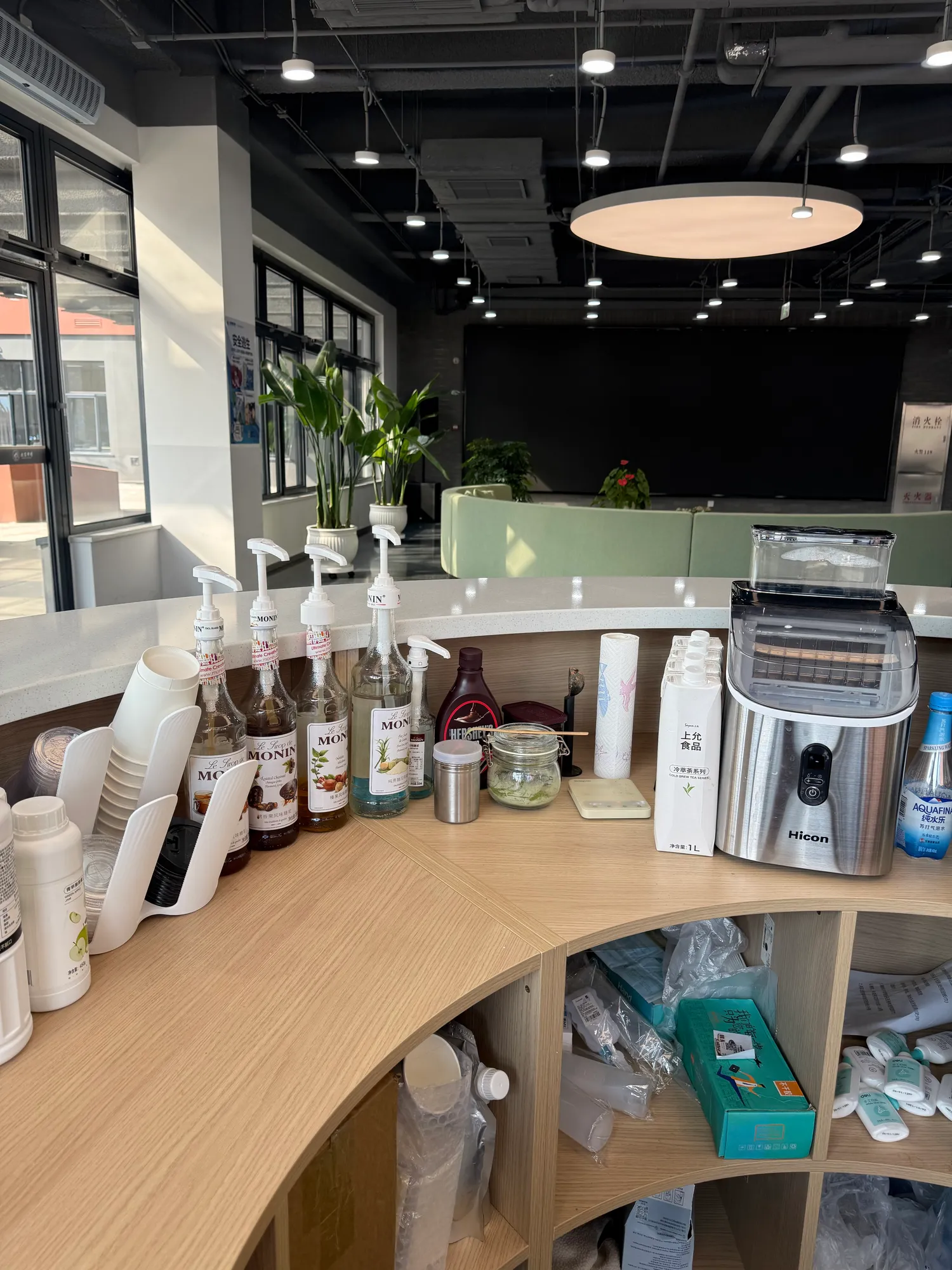
Product development plays an important role in the daily operation of The Whale Café. The team adjusts its menu based on sales data and feedback from students and faculty, while tastings and user surveys are used to refine new products.
The current menu includes Americanos, lattes, specialty drinks, milk-based beverages, and campus cultural products. Lattes have consistently remained among the most popular categories. In March 2026, for example, lattes accounted for 69% of beverage sales that month. Salted Cheese Latte also remained among the best-selling drinks after its introduction, while sparkling beverages and matcha-based products were developed in response to earlier user research and gradually established a regular customer base.
The Whale Café has also developed the product concept Whale Coffee, A Little Sweet, designing drinks around the tastes and spending habits of students. Product pricing is supported by cost calculations, with ingredient costs updated as materials change.
The team plans to continue expanding the menu through seasonal products, Subject Week specials, campus collaborations, and regional specialties. It is also exploring cultural product collaborations with the BAID Humanity Club, the BAID Cultural & Creative Club, and other Student Clubs, bringing more elements of campus culture into the café.
Customers are involved directly in product development. Before a new drink is officially released, returning customers may be invited to tastings and asked to comment on factors such as sweetness and serving temperature. The team also conducts user surveys and collects suggestions through an in-store message board, allowing product development to respond continuously to the preferences of the school community.
Digital Operations
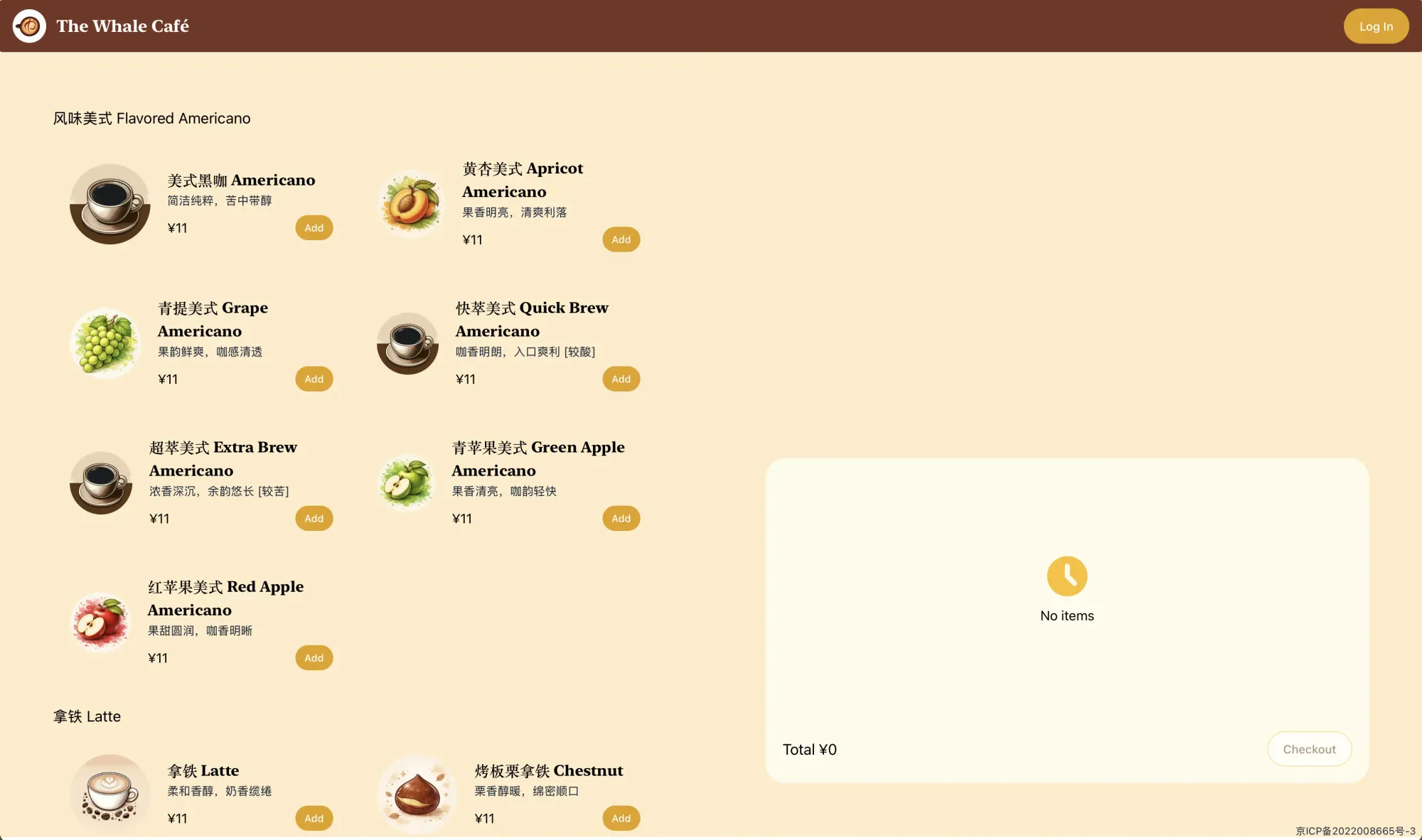
To improve the campus ordering experience, The Whale Café has developed a student-operated online ordering system. Users can create accounts, add credit, place orders online, and reserve drinks in advance for morning pickup. The system also supports gift certificates and promotional coupons and can be accessed by visitors from outside the school.
Digital ordering has also allowed the team to collect operational data. Website records can be used to analyze product sales, changes in revenue, and customer preferences, helping the café adjust its menu and inventory based on actual purchasing patterns.
Future plans include the Three-Person Coffee service. Students from the same class will be able to place a group order online and receive free delivery to their classroom, with student volunteers handling delivery. Through services like this, The Whale Café continues to explore ways of adapting café operations to the particular environment of a high school campus.
Public Service
Public service has become an important part of The Whale Café's development. A portion of operating revenue is directed toward charitable initiatives, allowing everyday purchases to support continuing community programs.
During the 2025-2026 academic year, The Whale Café donated CNY 292 to the Miaoyu Center and contributed another CNY 151 through a charity concert, bringing total charitable donations during the period to CNY 443.
The café plans to continue supporting children at the Miaoyu Center while developing longer-term partnerships in Hunan and Yunnan. Future initiatives may combine regional products such as coffee and vine tea with special collaborative drinks. A fixed portion of the proceeds from these products would support educational materials and arts programs for children in rural communities.
The café's business planning also proposes directing a substantial share of earnings to public service after essential operating costs are covered. By publishing donation progress and maintaining clearer financial records, the team aims to help students and faculty understand where contributions go and how purchases support continuing projects.
Coffee Culture and Campus Activities
The Whale Café also explores the relationship between coffee and campus culture.
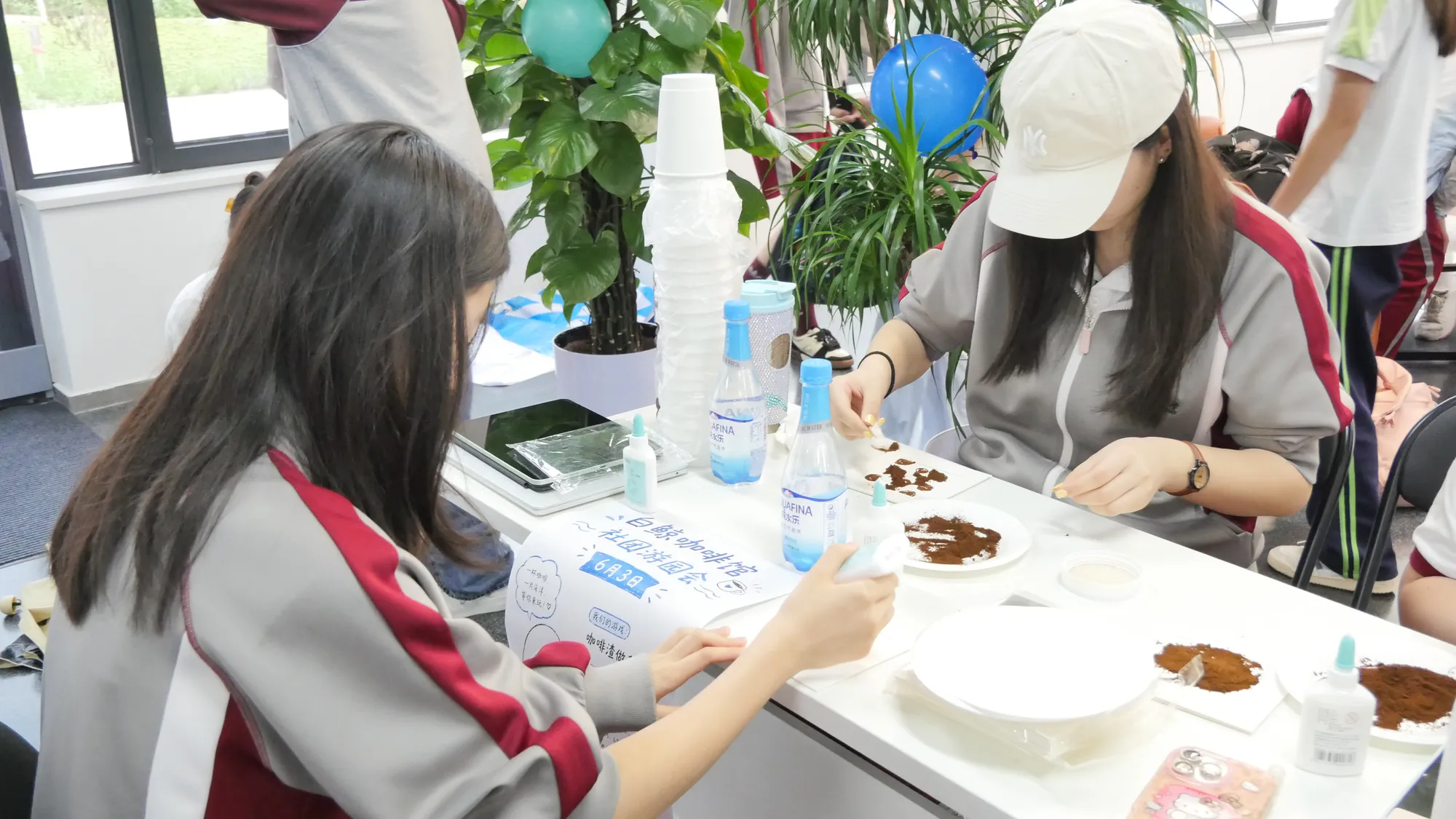
During the previous academic year, the team organized two coffee-ground art workshops, turning used coffee grounds into creative materials and combining environmental awareness with artistic activities. At the Future Learners' Conference, the team also processed and dried used coffee grounds to create scented sachets, which were distributed as public-service cultural products.
The project has also expanded beyond campus. The Whale Café has been presented at the Beijing Cross-School Summit, the Future Learners' Conference, and the ACULAC liberal arts college fair. Through these events, the team has introduced its project model to wider audiences, exchanged ideas with other student initiatives, and received feedback from participants outside Beijing Academy. Some students from other schools have also expressed interest in developing similar student-run café projects on their own campuses.
Looking ahead, the team plans to establish a story wall where students and faculty can leave product suggestions, photographs, artwork, and reflections from campus activities. An official media account is also planned to share product announcements, records from daily operations, updates on public-service initiatives, and information about coffee culture, further developing the café's identity within the school community.
Impact and Future Development
During the 2025–2026 academic year, The Whale Café gradually established a more complete product system and student management structure. Financial records show total revenue of CNY 11,233.44 during the recorded operating period, with a remaining balance of CNY 2,796.73. The project also completed CNY 443 in charitable donations while introducing more systematic procedures for hygiene, inventory management, and financial administration.
Looking ahead, The Whale Café will continue improving its products and operating systems while expanding the Whale Coffee Corner, campus activities, regional partnerships, and public-service initiatives. Digital ordering, membership programs, campus cultural products, and additional collaborative projects will also create new ways for the café to serve the Beijing Academy community.
From a cup of coffee prepared by students themselves, The Whale Café is building a campus space shaped by student participation. Business concepts are tested through real orders and financial records, ideas receive direct feedback through products and activities, and part of the proceeds can return to the wider community through public service. The Whale Café will continue exploring the possibilities of student-led operations, allowing everyday campus experiences to connect learning, creativity, communication, and social responsibility.