WebArtistry: The Beijing Academy Programming and Technology Club
President: Lin Donglai
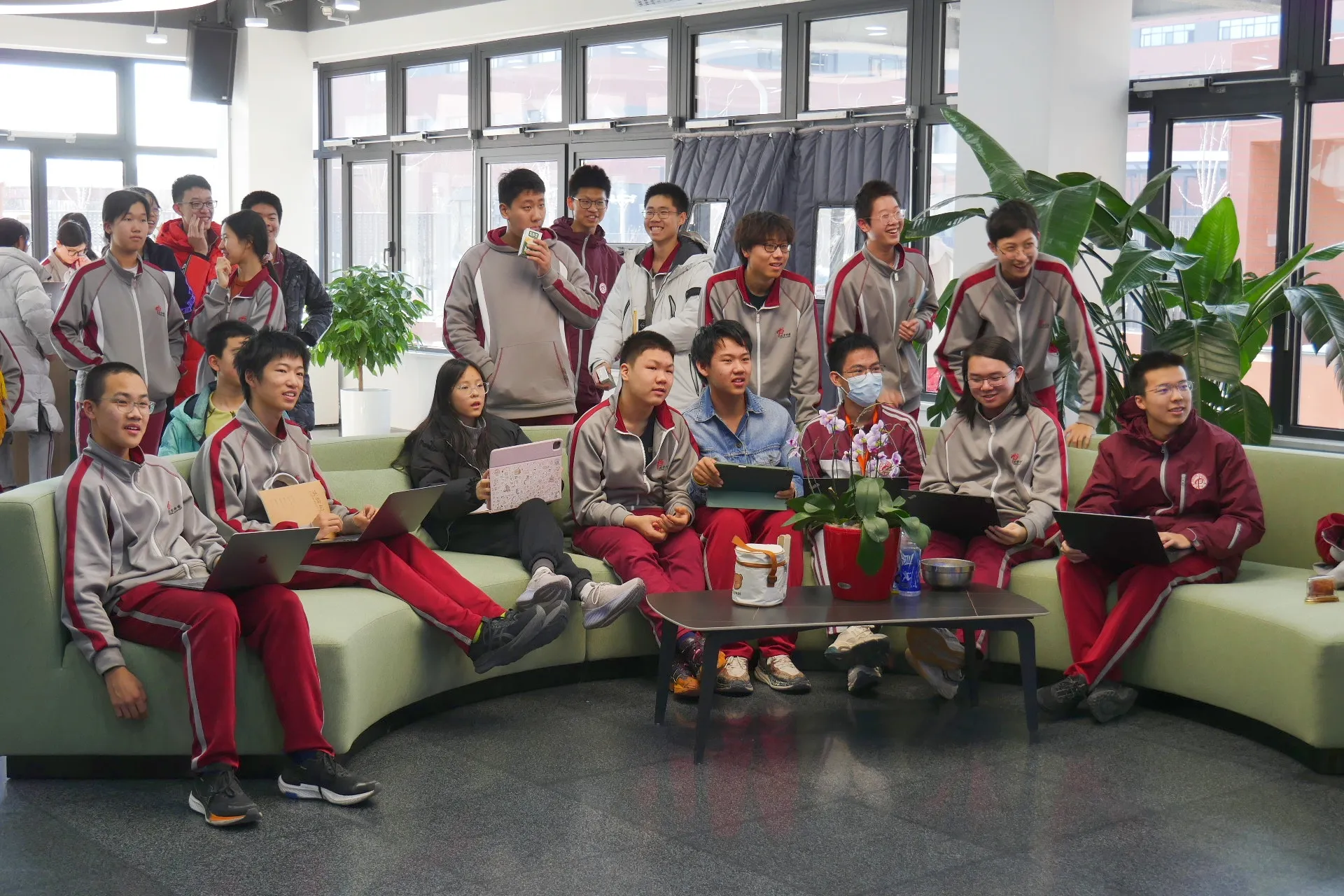
Founded by BAID student Lin Donglai, WebArtistry is a Student Club dedicated to programming and web development, bringing together both beginners and experienced student developers. Starting with programming education, the club gradually expanded into the design and development of real digital systems used across the school. Through this process, students learn computer science while applying what they know to actual needs within the BAID community.
Since its founding, WebArtistry has grown from around 5 members in its first year to approximately 15 in its second year, engaging around 50 students interested in computer science over three years. Today, its projects span the Beijing Academy website, campus identity services, the student-run café, and BAID Speaker. Together, these initiatives have created a pathway through which students can progress from learning programming to contributing to collaborative development and eventually completing projects of their own.
Background and Vision
WebArtistry began with a simple idea: help more students start programming and build something that other people could actually use.
When the club was first established, many students at BAID were interested in computer science but had little idea where to begin. Programming courses often started with syntax or algorithms, while WebArtistry wanted beginners to encounter real projects early. By designing a webpage, implementing a feature, or solving a concrete problem, students could understand how programs function while gradually developing their technical skills.
As the club grew, this goal expanded to the school community itself. Many parts of everyday campus life depend on digital systems. Students need to sign in to different platforms, the student café needs to process orders, BAID Speaker requires coordination across many stages, and the school website needs continuous content updates. WebArtistry began working with student organizations and instructors to identify problems that technology could address, with students participating in discussions about needs, interface design, development, and long-term maintenance.
WebArtistry has therefore developed along two main directions. One focuses on helping more students learn computer science through courses and projects. The other focuses on developing digital services that address real needs at BAID, connecting technical learning directly with campus life.

Programming Courses and the Learning Community
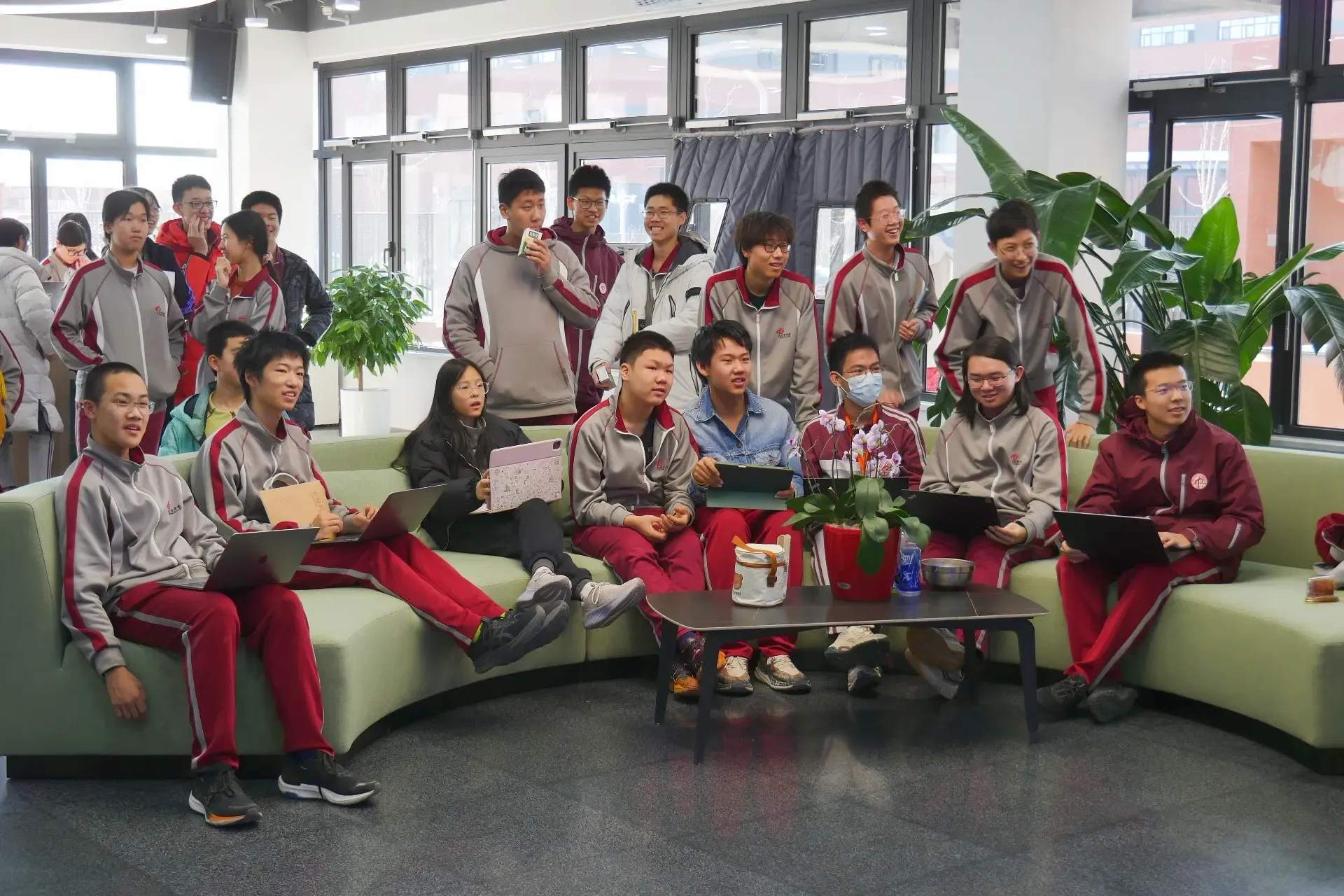
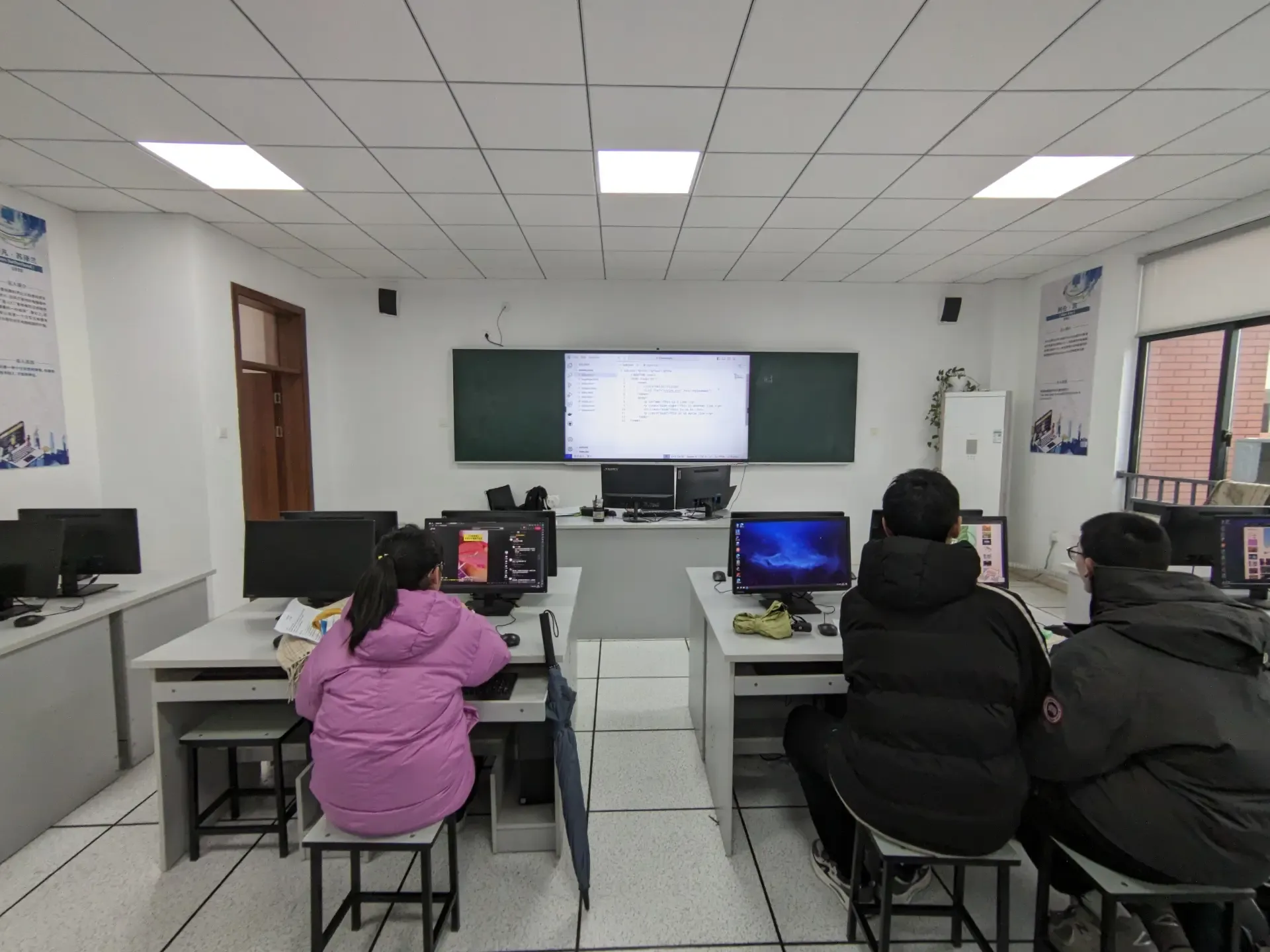
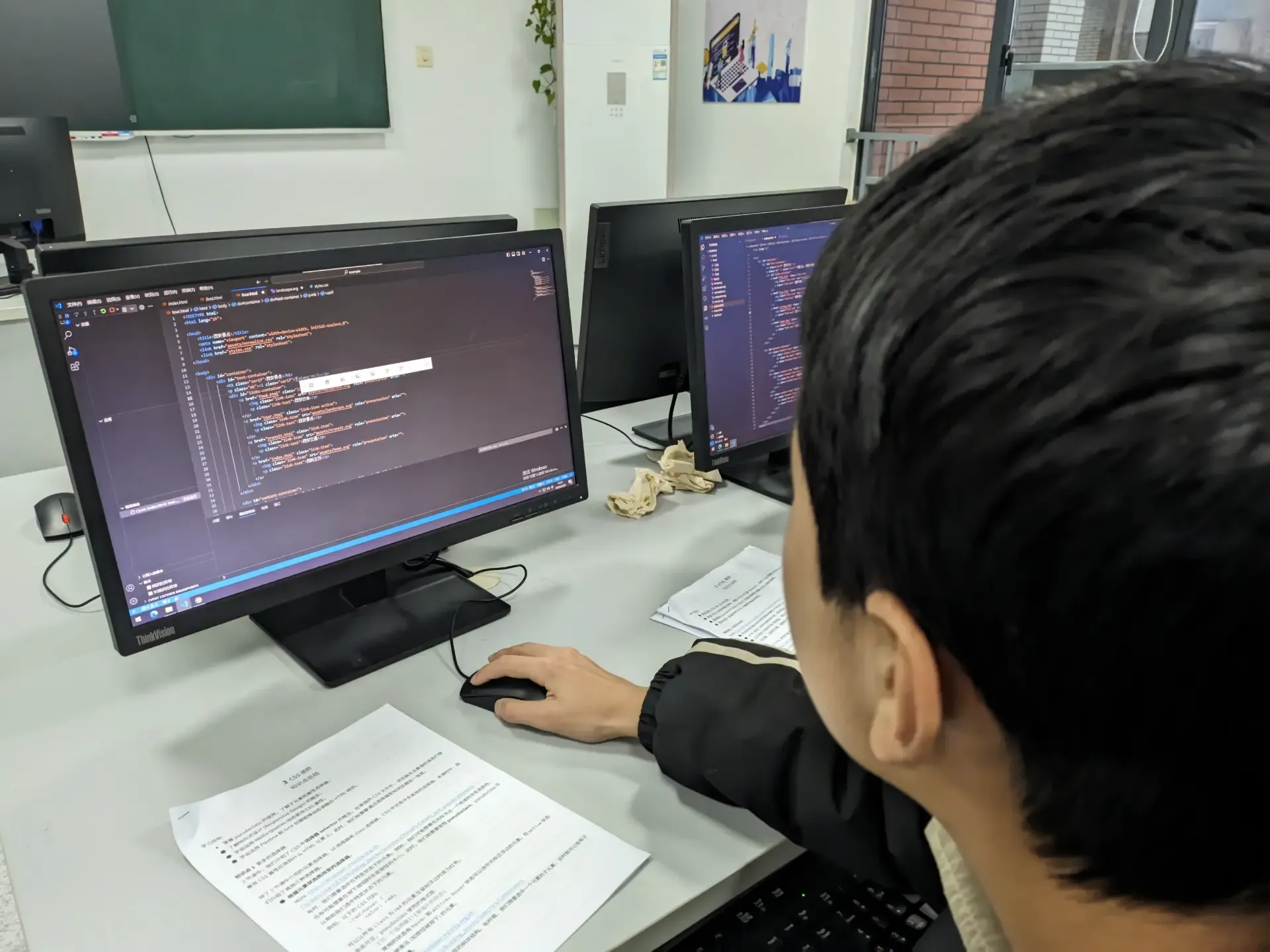
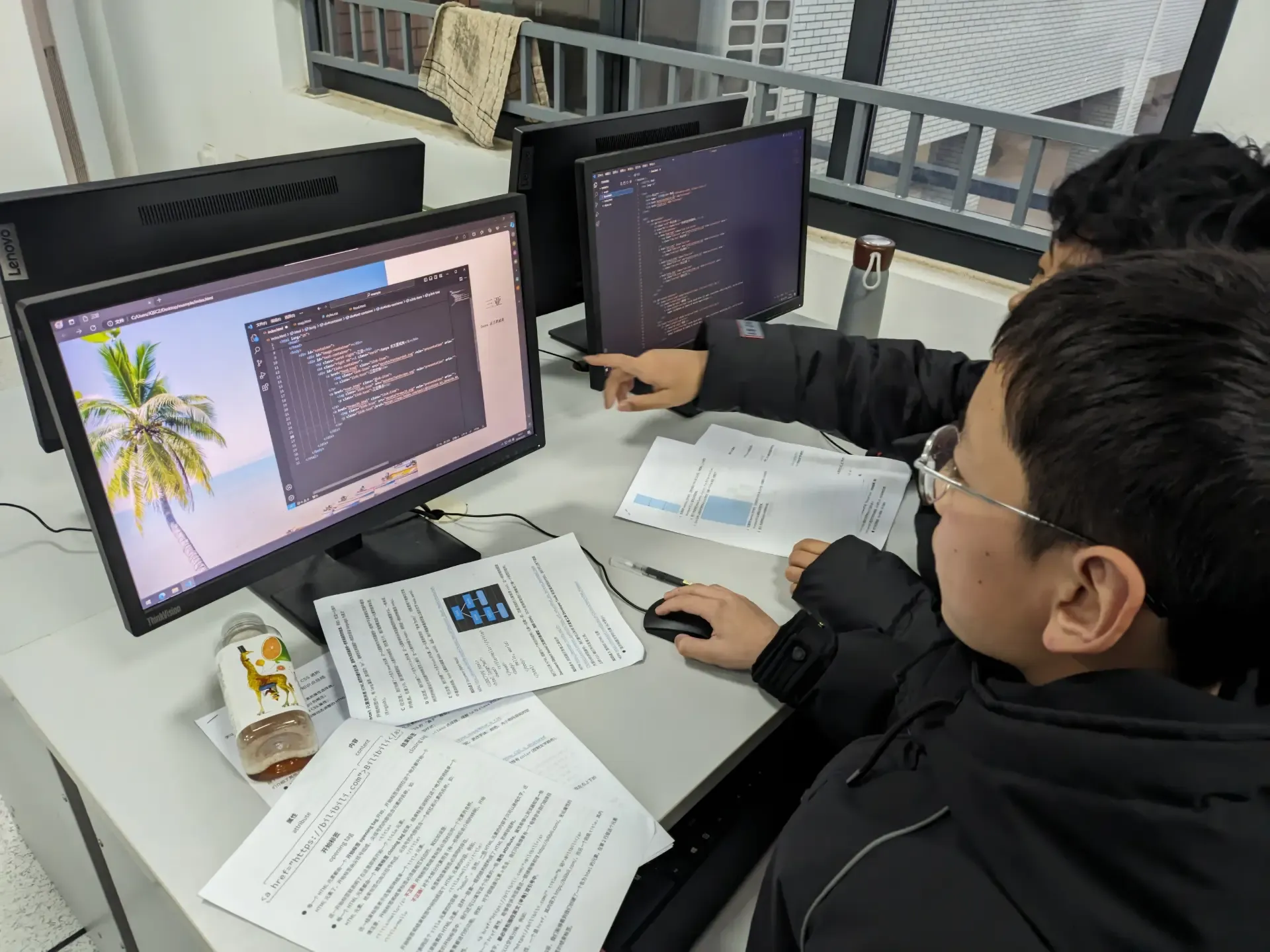
Programming education has remained one of WebArtistry's central activities. For students with basic computer experience and little prior exposure to computational thinking, the club developed An Introduction to Computer Science and the Art of Programming. Inspired in part by Harvard CS50, the course was redesigned from the ground up for beginners and emphasizes learning through projects.
After several years of development, the curriculum now includes 28 project-based lessons covering areas such as Python and web development, along with Git. Students gradually progress from basic programming logic to complete development projects, with an emphasis on writing programs themselves and understanding the decisions behind their work.
The course has been offered at BAID for more than three years and has reached over 60 students on campus, with 95% of participants reporting that they would recommend it to others.
WebArtistry has also extended its programming education beyond BAID. In collaboration with Zhoushan Nanhai School in Zhejiang Province, the club delivered three computer science seminars to 44 students. Participants eventually completed 11 capstone projects of their own. Throughout these programs, the goal remains consistent: beginners should be able to understand the code they write and explain their own design decisions, eventually developing the ability to complete an independent project.
Project Whale: Digitalizing The Whale Café
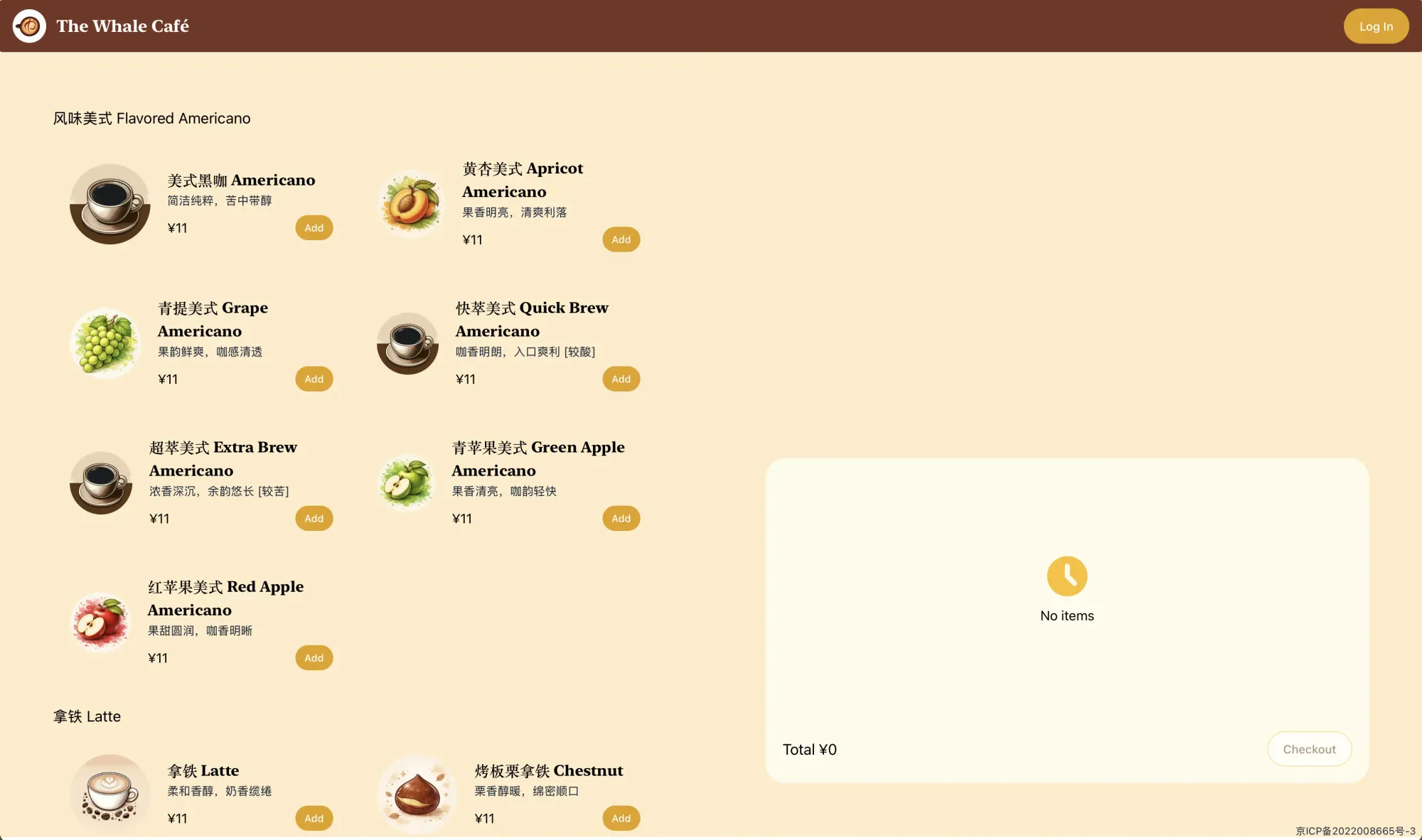
Project Whale is an internal ordering system developed by WebArtistry in collaboration with The Whale Café, BAID's student-run café.
Before the system was introduced, café operations relied heavily on manual order records and payment collection. As the number of orders increased, missed orders and unpaid purchases became recurring operational problems. WebArtistry therefore began redesigning the purchasing process and launched development of Project Whale in late 2024. The system entered operation in March 2025.
Students can use Project Whale to browse the menu, place orders online, and order in advance. The system supports multiple payment methods, including WeChat Pay and account balance. It also provides order management, item management, sales statistics, and data visualization. A Pay Later system allows eligible students to receive items before completing payment based on their campus credit information.
Integrating WeChat Pay presented a particular challenge because student-led projects generally cannot independently register a merchant account. WebArtistry researched alternative approaches and eventually worked with the third-party payment provider YunGouOS to enable payment services for the platform.
Project Whale now serves more than 40 users each day. Its data also enables The Whale Café to make more informed operational decisions. The refund rate fell from approximately 34% to 0.6%, while the payment completion rate increased from around 55% to 98%. The system also helped recover a substantial portion of revenue previously lost through the manual workflow.
Through Project Whale, WebArtistry members began working with the demands of a continuously operating digital service. Once a feature was released, the team still had to respond to daily orders, payment issues, and user feedback, then continue improving the system accordingly.
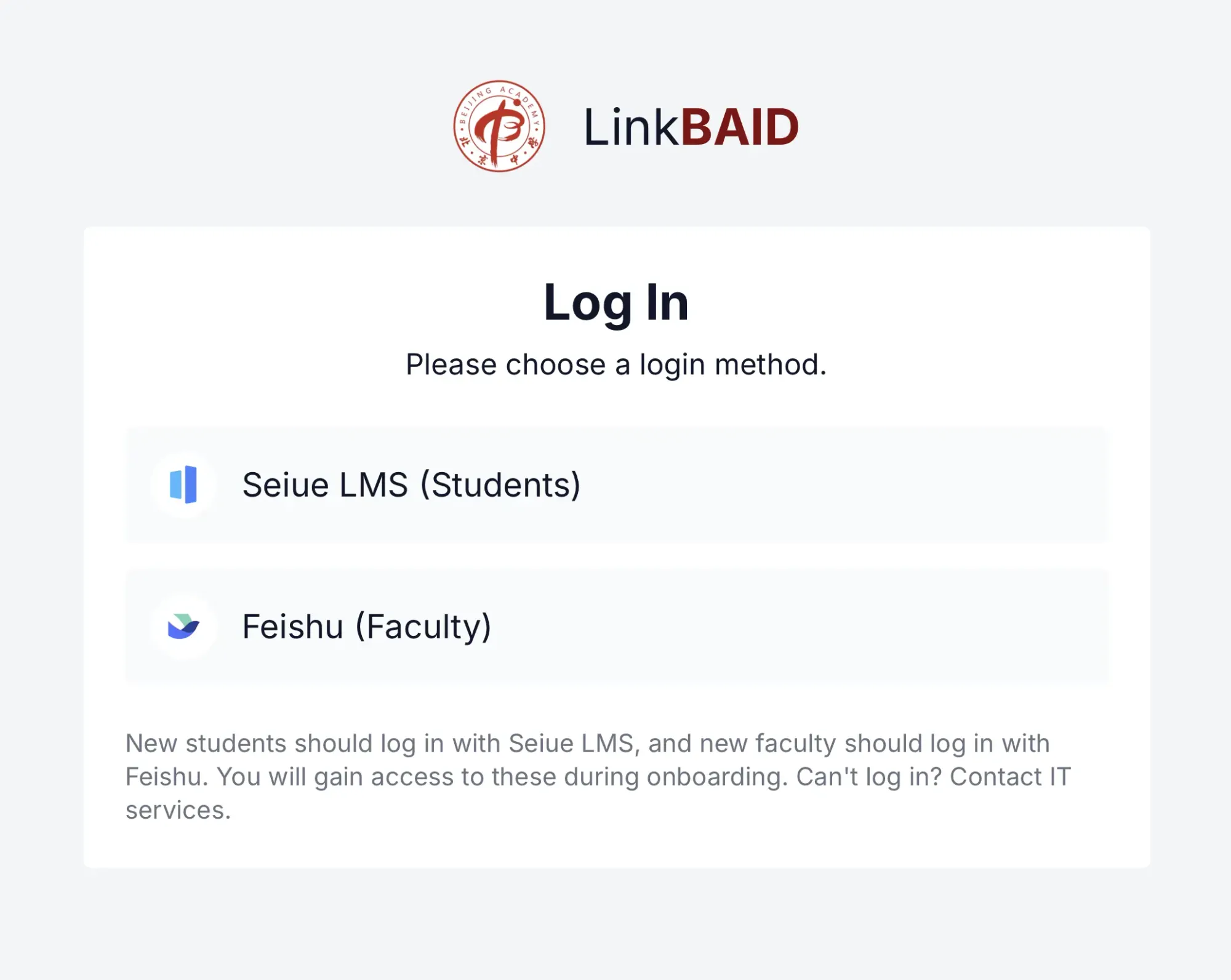
LinkBAID: A Unified Campus Identity Service
As the number of digital services at BAID increased, another challenge emerged. Different applications all needed to identify students and faculty, while the school's existing identity system lacked comprehensive development documentation and a standardized method for third-party campus applications to connect.
WebArtistry developed LinkBAID in response and launched the service in November 2024. By analyzing the operation of the existing school identity system, the team built a standardized identity service for campus applications and added OAuth2 support, allowing student-developed platforms to provide secure login and authorization through a common system.
LinkBAID supports multilingual interfaces and accessibility. Students can create campus profiles containing information such as usernames, biographies, and profile pictures. With user authorization, applications can request different categories of information, including basic identity details, contact information, and student calendars. Applications also pass through an approval process before receiving access.
As more campus projects adopted LinkBAID, it became shared infrastructure connecting multiple WebArtistry systems. Project materials record that more than 10 school services had integrated with LinkBAID, with over 150 students using it each day out of a student population of approximately 300 at the time.
Subsequent projects, including Project Whale and Helium, also adopted LinkBAID for authentication, allowing different campus applications to operate through a compatible identity system.
Helium: The New Beijing Academy Website and Content Management System
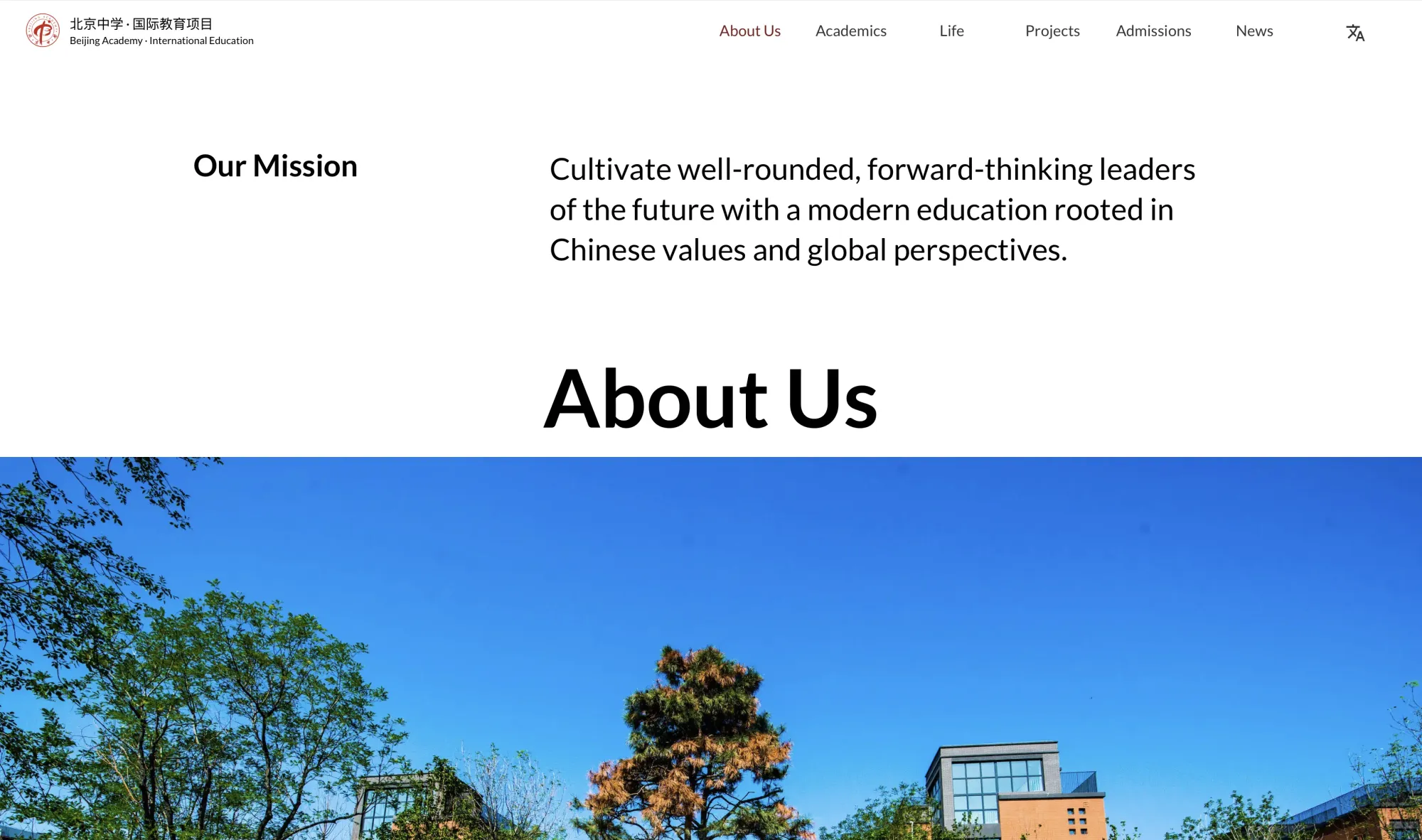
The original Beijing Academy website was created in 2013. As the school developed, its existing system increasingly struggled to meet new needs in content management, page design, and information organization. The website needed to host large amounts of material covering news, courses, faculty, Student Clubs, and activities, while updates required substantial manual work. Migrating years of historical content also became a major challenge during the modernization process.
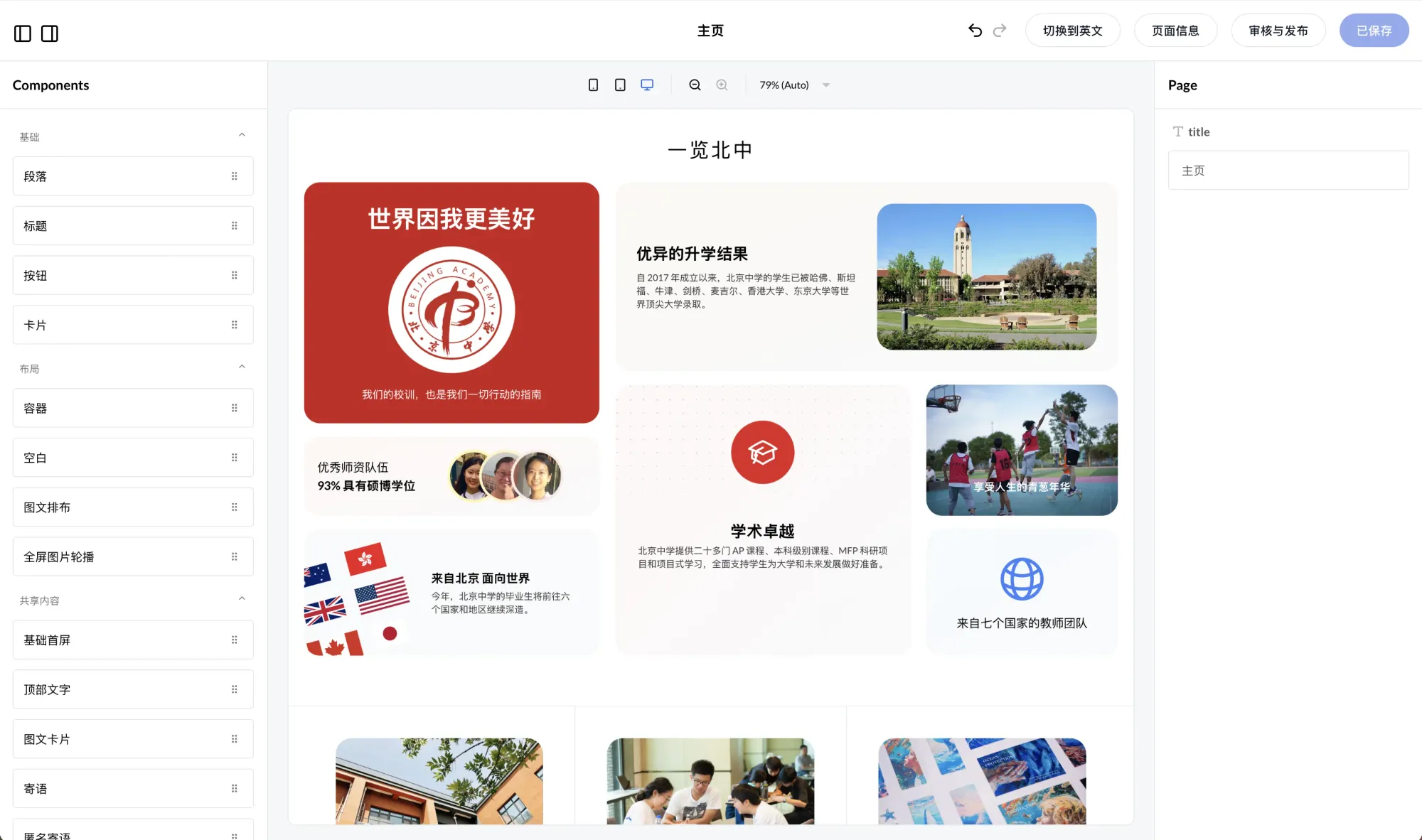
WebArtistry joined and continued this multi-year website modernization effort by developing Helium, a new content management platform for the Beijing Academy website. After taking over the project, the team focused heavily on improving the publishing process itself, reducing repetitive work while creating clearer procedures for content review and publication.
Helium supports multilingual content and integrates directly with LinkBAID. Website editors can build pages through a visual page editor, manage articles through a rich text system, and maintain shared information for activities, Student Clubs, courses, and faculty. The platform also includes media management, approval workflows, and role-based access controls.
To handle the large volume of content already published through the school's WeChat account, the team also developed an automated synchronization process and integrated DeepSeek to assist with translation. This reduced the amount of repetitive copying and editing required for website publication.
The project has synchronized more than 400 articles published over the previous five years and reduced the average time required for website updates by approximately 79%. Based on project estimates, developing the platform through the student team also saved Beijing Academy approximately CNY 50,000 compared with outsourcing the work to an external developer.
Technically, Helium was developed with Next.js and consists of two major components. Helium Studio manages content editing and approval, while a separate rendering system delivers the published website. Through Helium, WebArtistry expanded from student-facing applications into one of Beijing Academy's primary public information systems.
BAID Speaker: A Platform for Student Lectures
BAID Speaker is a student lecture program organized by the Academics Committee of the Student Council. Students can sign up to speak about academic subjects or other areas that interest them, sharing their knowledge and experiences with the wider BAID community.
As the number of lectures increased, coordination became increasingly complex. Host assignments and speaker preparation were previously managed across multiple WeChat conversations and separate task lists. Communication with supporting instructors and publicity work also required repeated manual coordination.
Commissioned by the Academics Committee of the Student Council, WebArtistry developed the BAID Speaker platform to consolidate these processes into a single system.
The platform supports the full lifecycle of a student lecture. It helps assign hosts, track preparation tasks, manage event materials, upload lecture recordings, and document post-event interviews. Students can also watch previous lectures through a public video platform, leave comments, and follow speakers whose topics interest them. Students who deliver multiple lectures can maintain their own channels and build a continuing collection of their work.
The system also provides statistics and data visualizations for organizers, allowing the Student Council to understand participation patterns more clearly. Project records show that student participation in lecture activities increased by approximately 17% after the platform was introduced.
Through this project, WebArtistry connected software development with the organizational processes behind student activities, giving BAID Speaker a centralized platform in place of workflows previously distributed across multiple conversations and documents.
From Learning to Building Real Projects
WebArtistry projects share one central characteristic: they begin with concrete needs that already exist within the school community.
The Whale Café processes real orders. LinkBAID handles real student authentication every day. The Beijing Academy website presents information to the public, while the BAID Speaker platform supports speakers and organizers across recurring campus events. After these systems are launched, development continues as members respond to user feedback, repair problems, and improve existing functions.
These projects also provide a progression for students learning programming. New members can begin with introductory courses and smaller exercises, then contribute a page or feature to an existing project before gradually taking responsibility for larger parts of development. Along the way, they gain experience with the full development process, from identifying needs and designing interfaces to implementation and long-term maintenance.
WebArtistry has therefore developed into a student technology community centered on both learning and practice. Members exchange programming knowledge while maintaining digital services used within the school. Beginners gain an entry point into computer science, while students with more experience gain opportunities to collaborate on larger projects connected directly with the BAID community.
Impact and Future Development
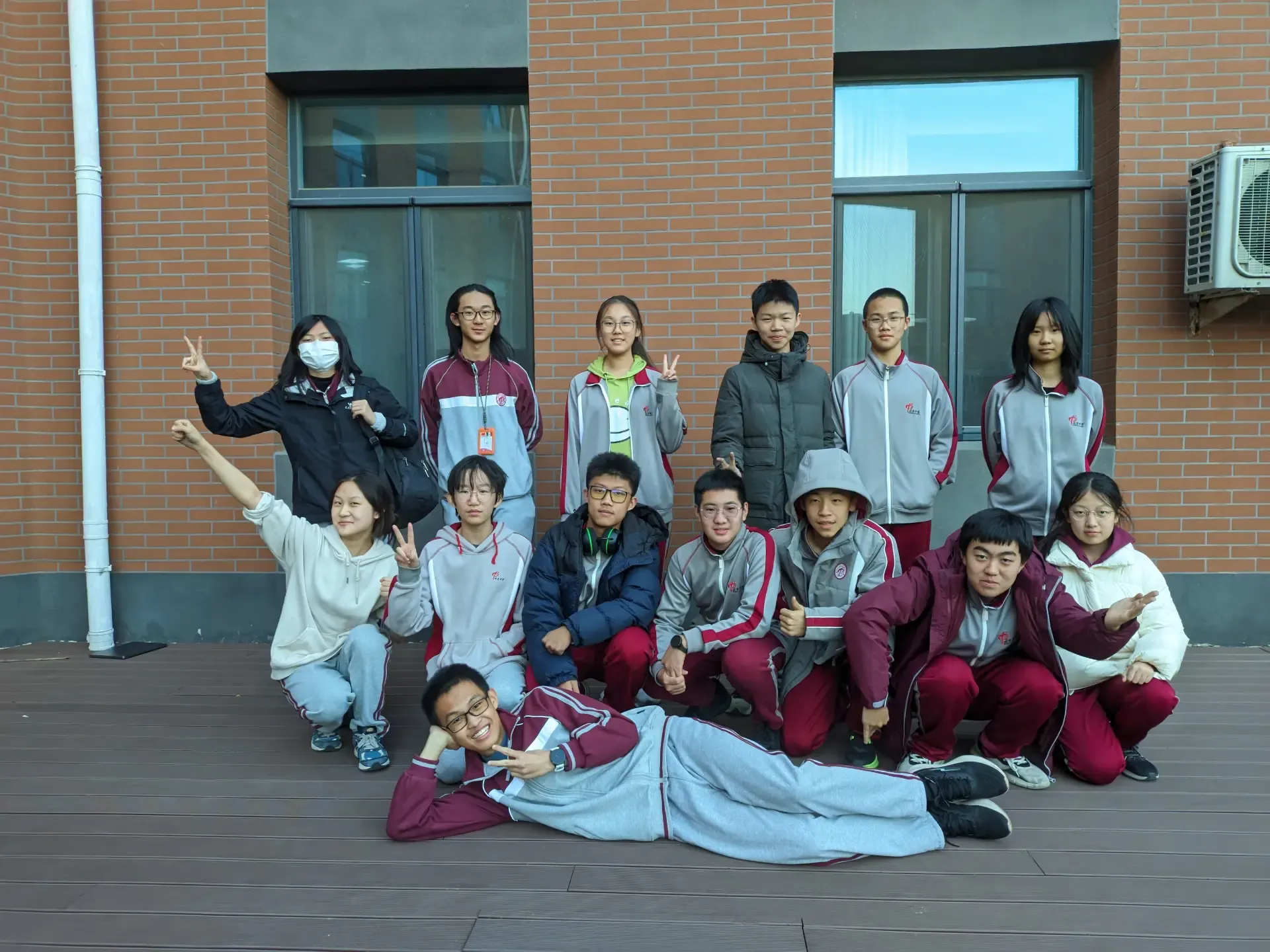
Over several years, WebArtistry has grown from a Student Club of around 5 members in its first year into a computer science community that has engaged approximately 50 students. It has gradually established two continuing areas of work: programming education and campus technology projects.
Its programming courses have expanded from BAID to a partner school in Zhejiang Province, while student-developed systems now support the Beijing Academy website, campus identity services, student-run commerce, and student academic exchange.
Looking ahead, WebArtistry will continue improving its existing campus systems while creating opportunities for new student developers to participate in real projects. The club aims to help more students progress from writing their first program to designing and completing projects of their own, while encouraging them to identify problems within the school community that technology can address.
As new generations of members join, WebArtistry will continue maintaining and developing the digital services built by students themselves, making programming one way for BAIDers to participate directly in building their school community.