Journalists from 21 Countries Visit Beijing Academy
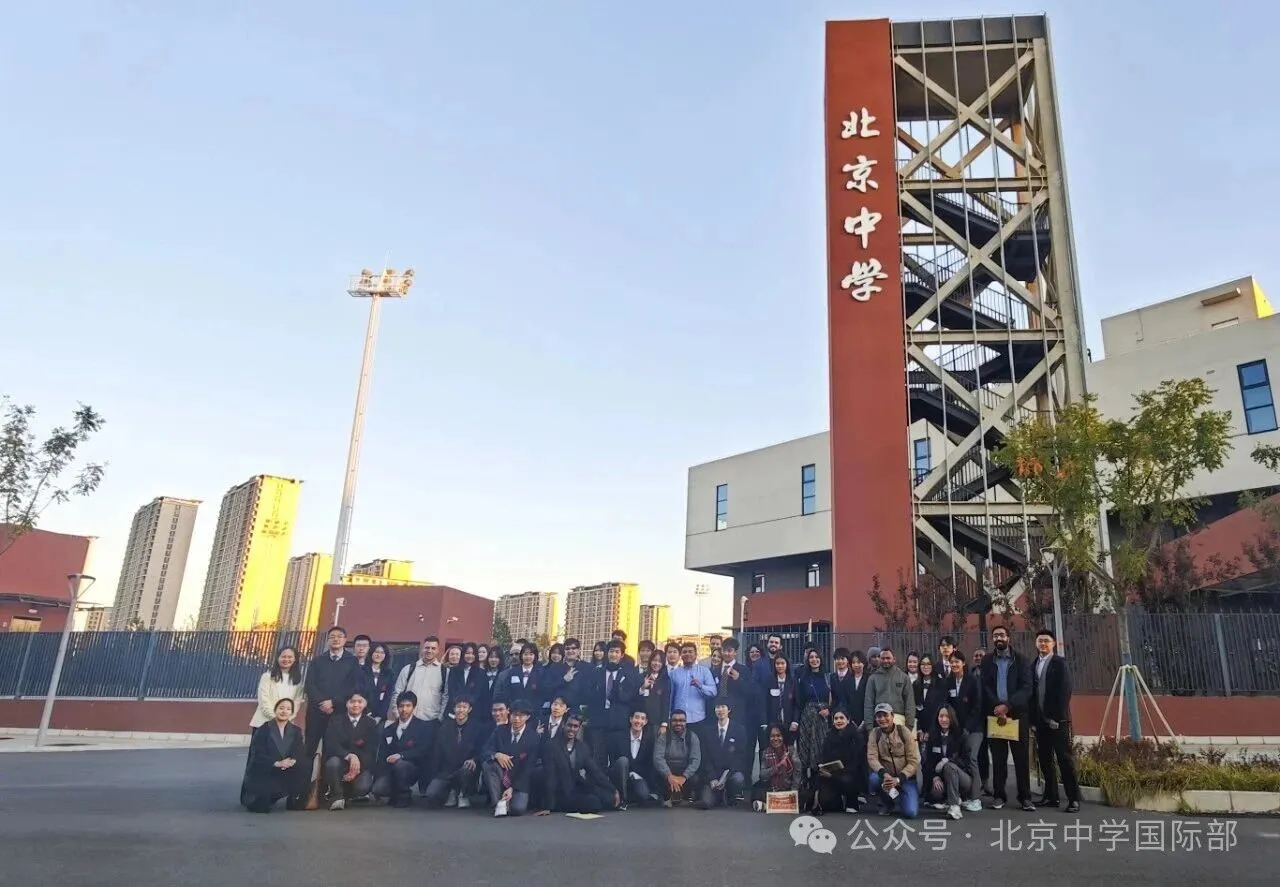
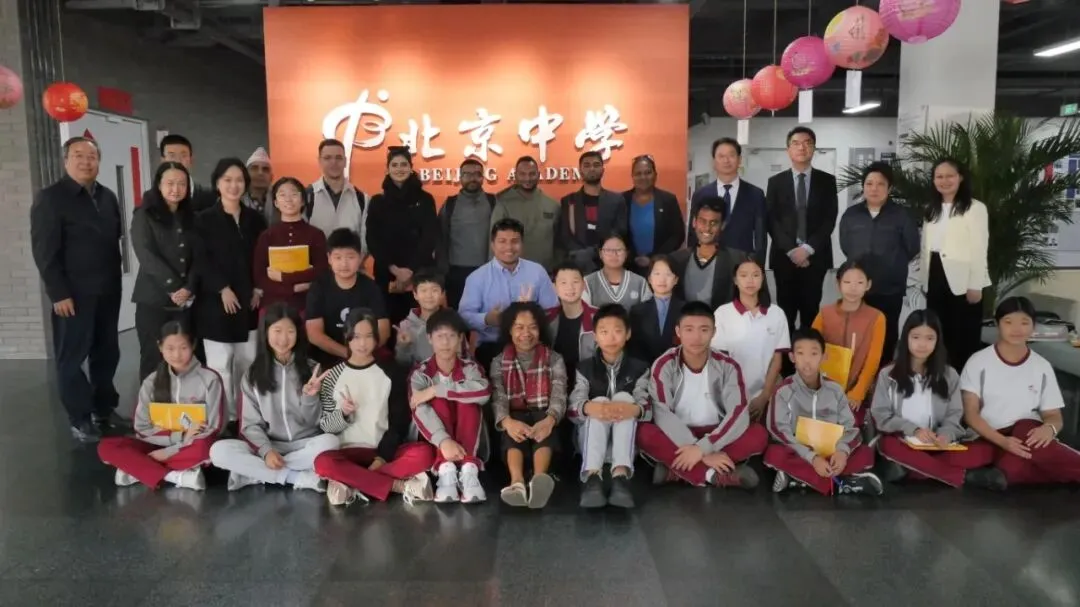
On October 27, a delegation of journalists from 21 countries visited Beijing Academy for a campus exchange tour.
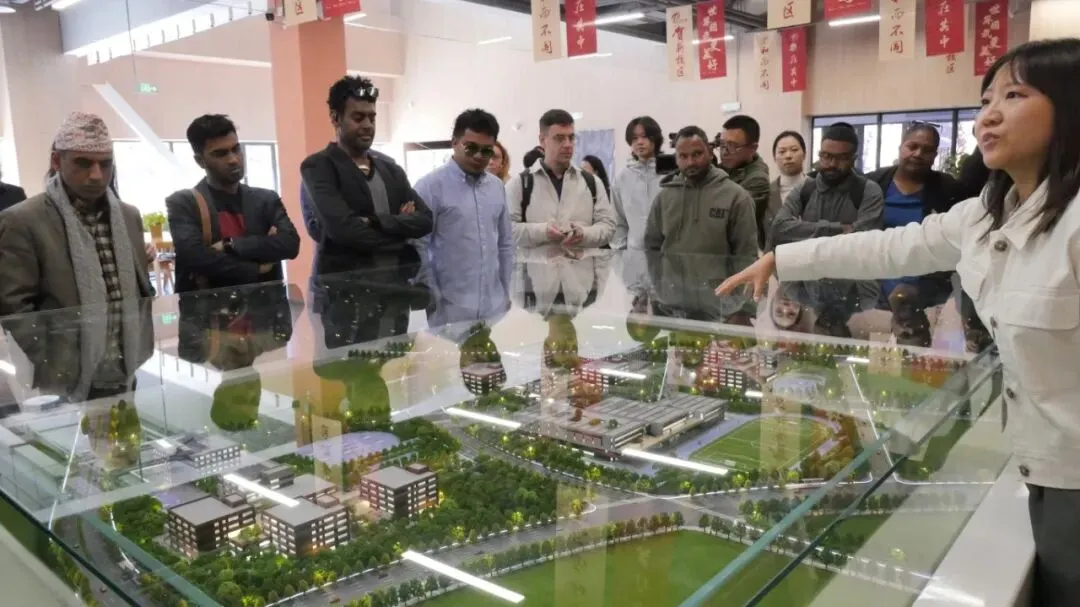
The visit officially began at 1:50 p.m. Accompanied by Liu Naizhong, Party Secretary of Beijing Academy, and Vice Principal Zhou Hui, the journalists strolled through the campus and took in the school's atmosphere. Modern facilities and learning spaces — including the fitness center, swimming pool, school history museum, auditorium, gymnasium, and sports field — left a strong impression on the visitors. Along the way, they encountered teachers and students in class and paused frequently to capture these moments.
Every corner of the campus reflects Beijing Academy's educational philosophy of "Harmony in Diversity, Joy in Learning," allowing the journalists to experience firsthand both the deep foundations and the innovative vitality of Chinese basic education.
After the campus tour, the journalists stepped into Beijing Academy's classrooms to observe distinctive courses in action.
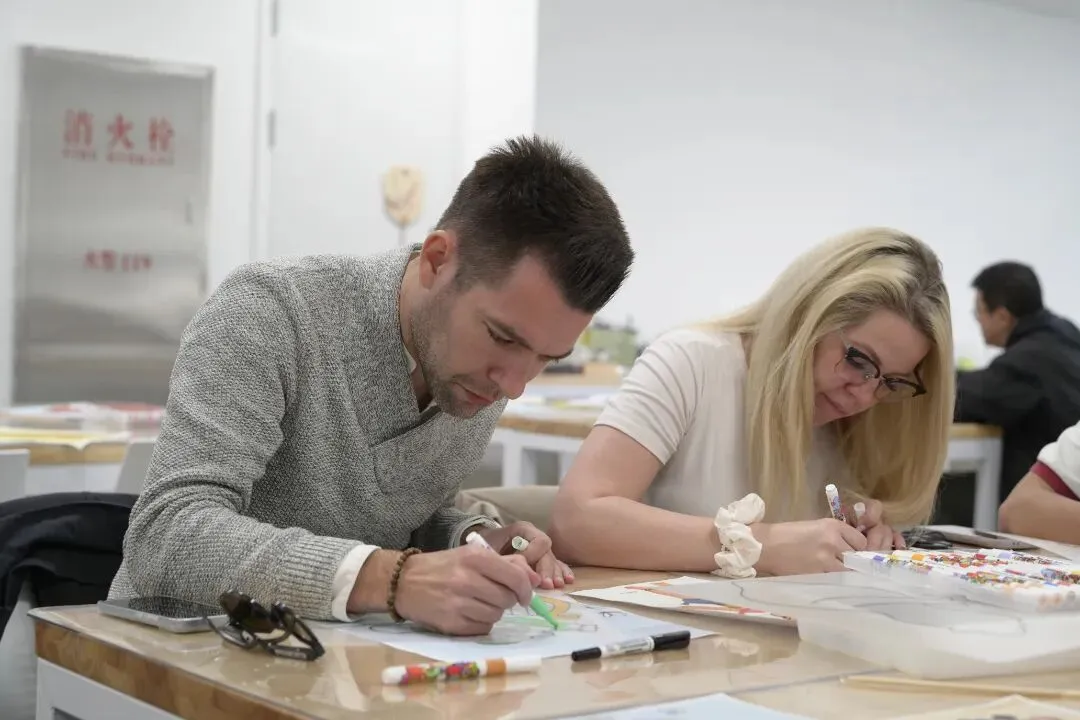
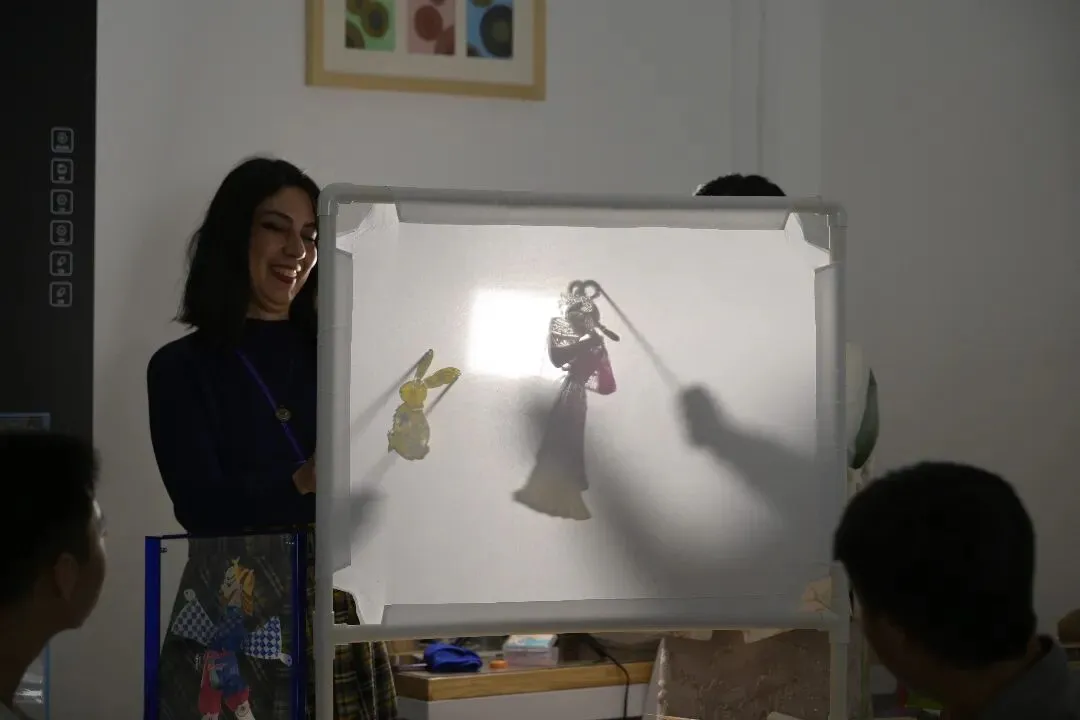
During a high school art class themed "Light and Shadow: The Art of Chinese Shadow Puppetry," instructors Gao Yan and Wu Chenlu first introduced the culture, history, and regional distribution of Chinese shadow puppetry, then explained and demonstrated how to make and use shadow puppets. The journalists then joined the students in crafting puppets with various designs and characters, and together they staged an impromptu shadow play. Through their hands and the screen, the visitors from afar experienced the charm of traditional Chinese culture through light and shadow.
In the Global Vision classroom, students were guided by an international teacher in a seminar on "The Decline of Indigenous Languages." Working in small groups, they explored questions such as "Is globalization causing language loss?" and "What are the consequences when a language disappears?" Inspired by the teacher's prompts, students eagerly shared their views, and the visiting journalists could not resist joining the discussion. The teacher then played an educational video on the current state of global languages, using the Welsh language as a case study, and introduced the concept of "stakeholders," guiding students to consider responses from three perspectives: learners, school curricula, and government. Throughout the class, the students displayed remarkable intellectual agility and enthusiasm, showcasing the vibrant spirit of young learners.
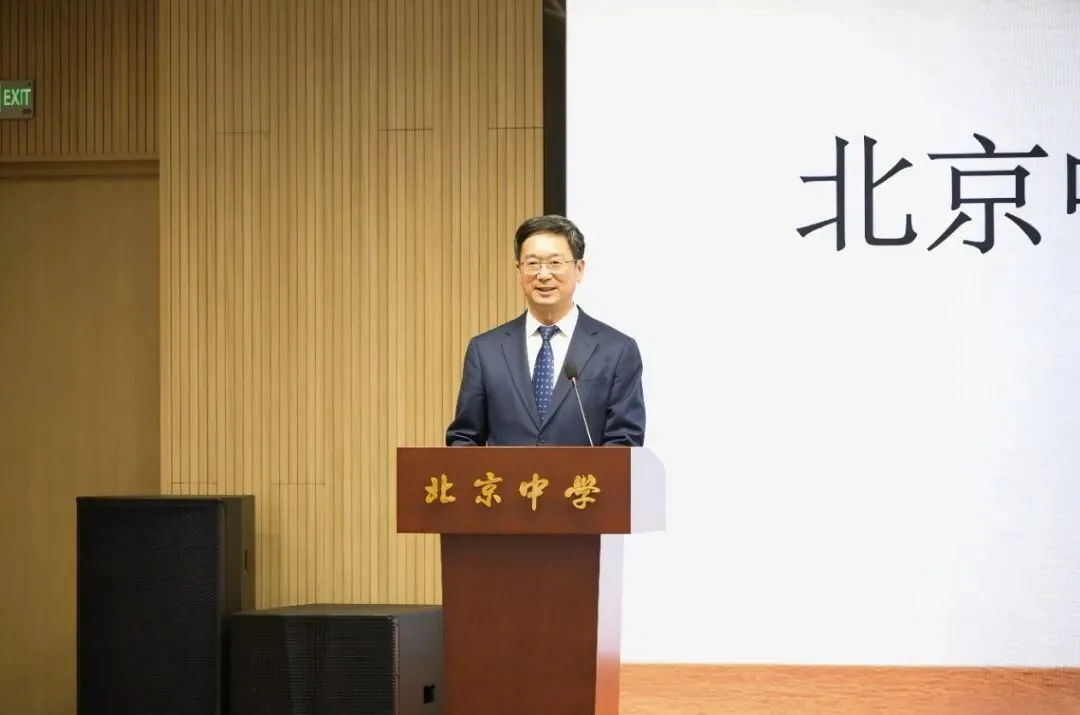
At the symposium, Beijing Academy Principal Xia Qingfeng gave the journalists a comprehensive overview of the school's history and distinctive educational approach, with particular emphasis on the philosophy and practices supporting students' "creative growth." During the Q&A session, journalists eagerly asked questions about the application and direction of artificial intelligence in education, and Principal Xia addressed each one, creating a warm and engaging atmosphere.
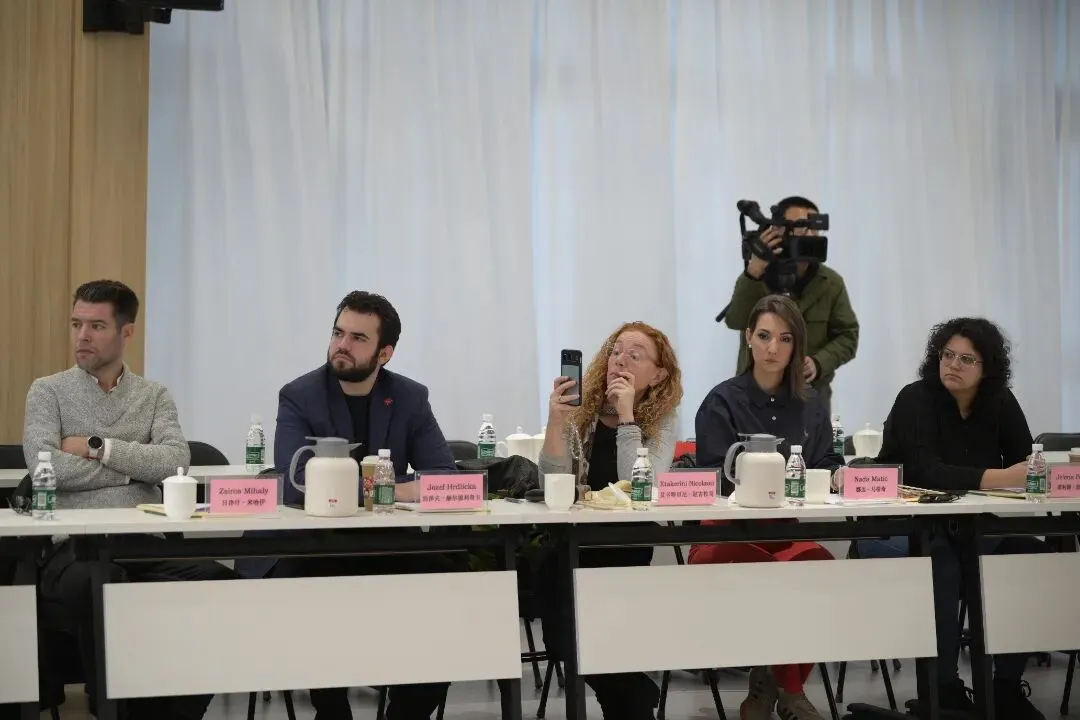
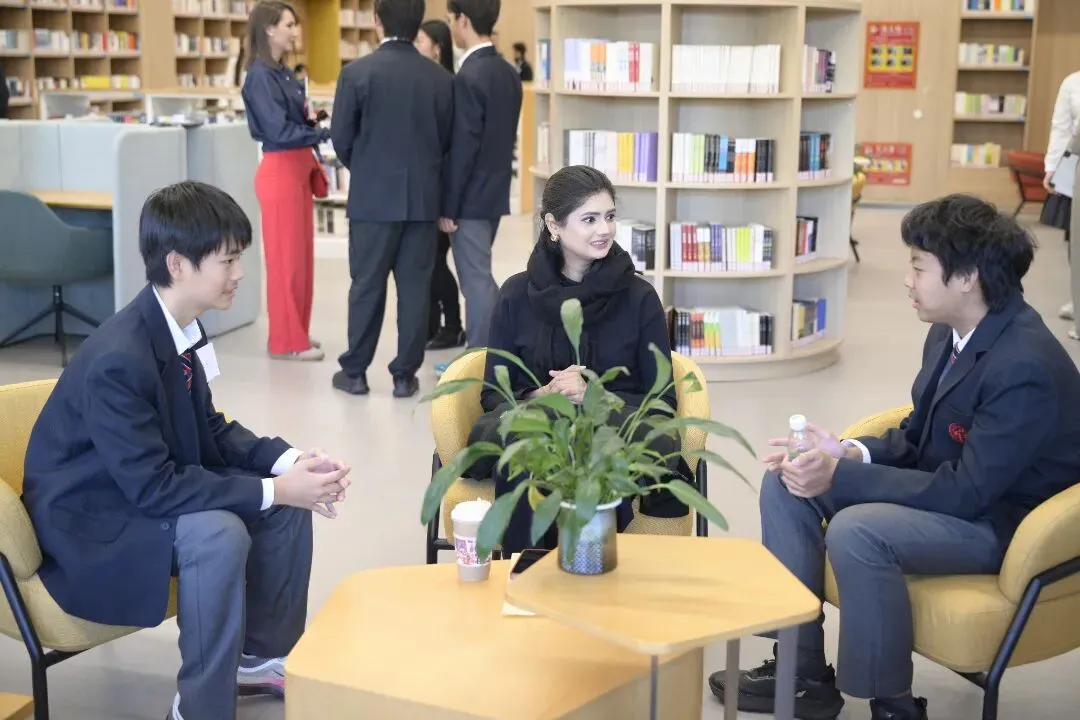
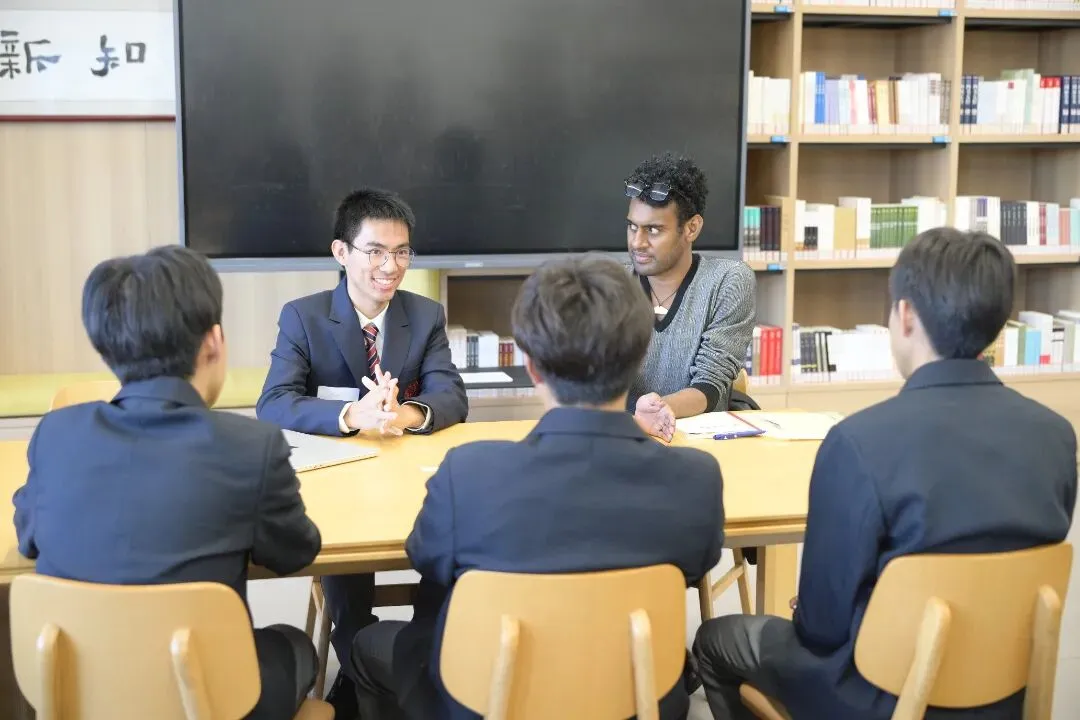
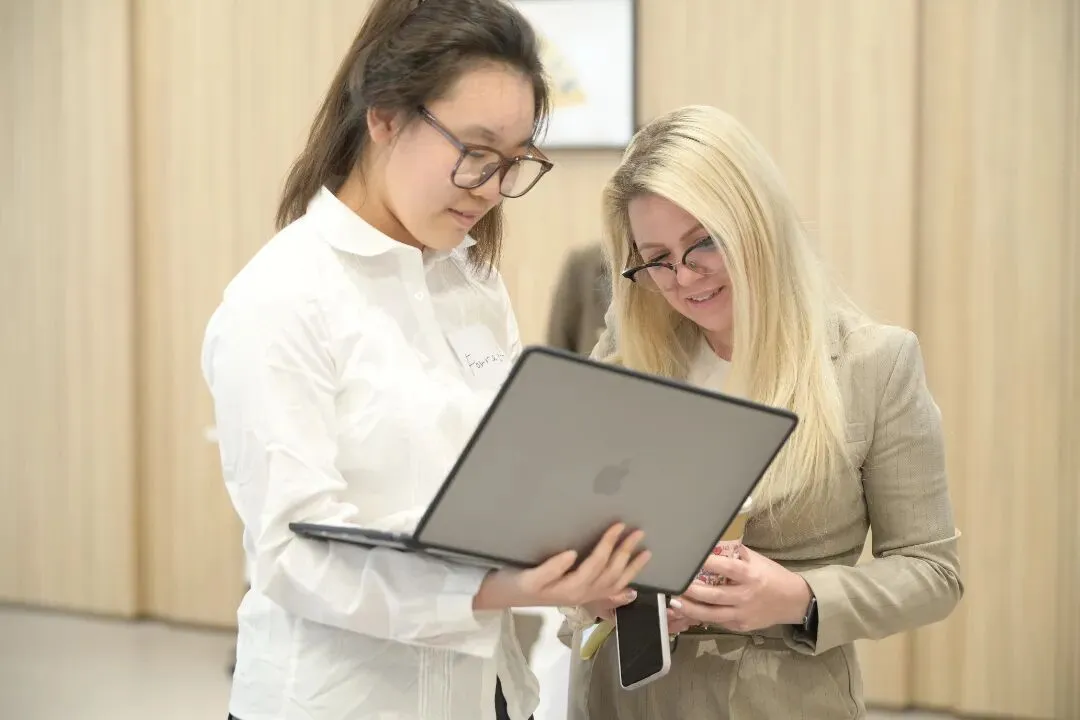
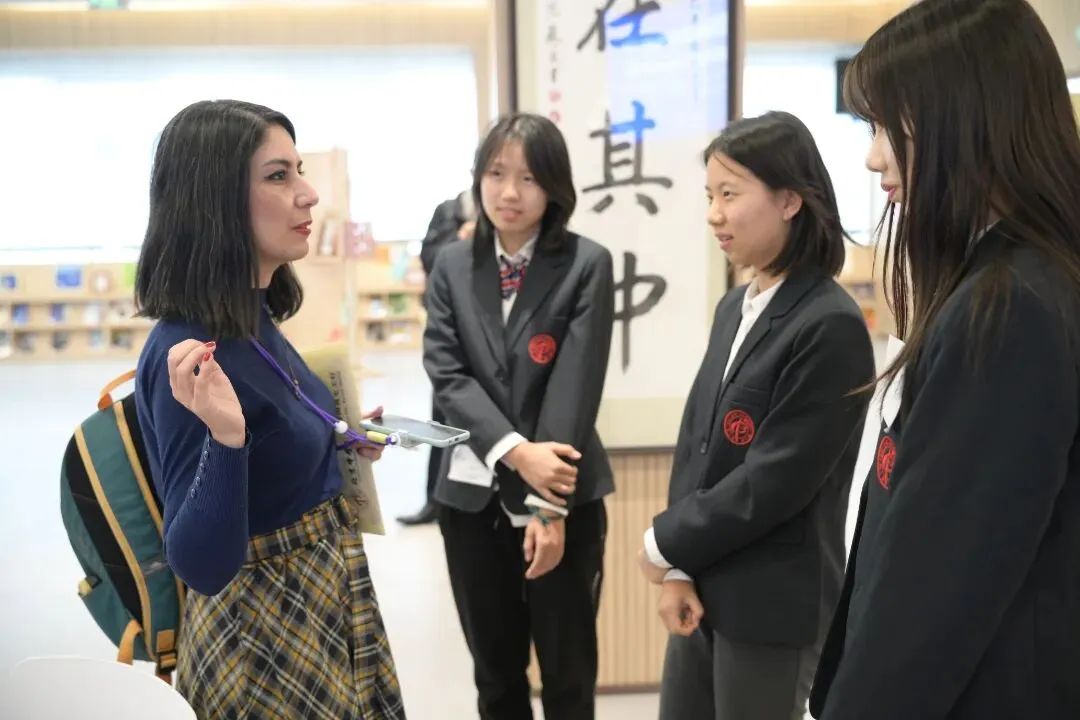
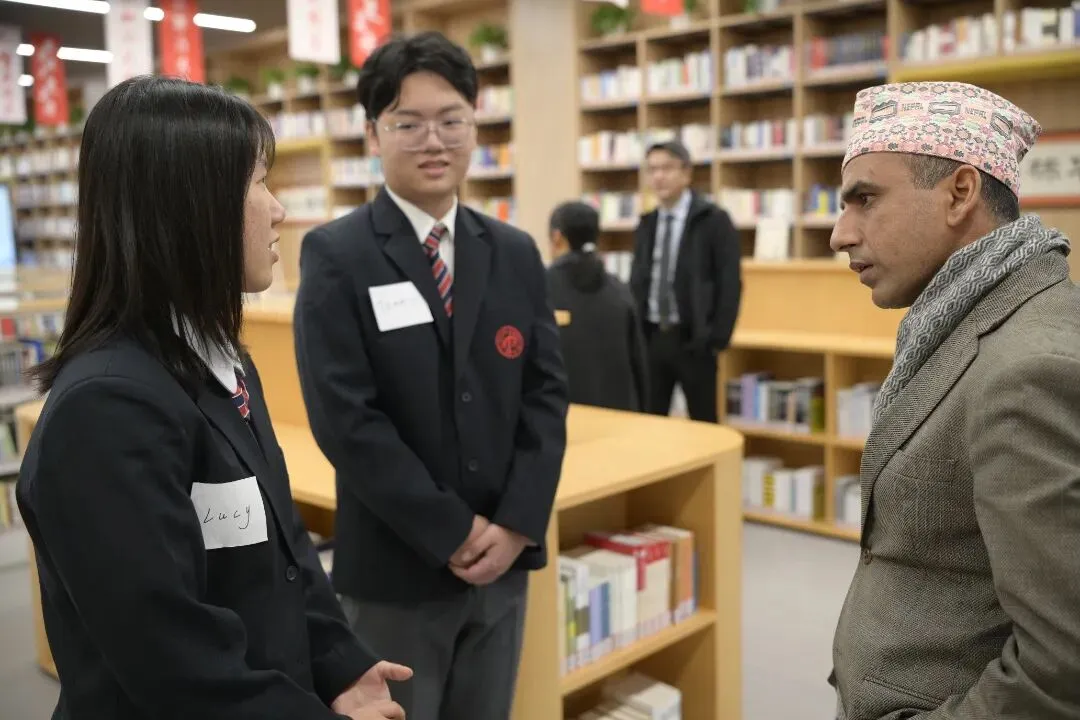
After the symposium, BAID students sat down for interviews with the journalists. Speaking in fluent English, they discussed their study plans, student club activities, volunteer work, and other topics while also learning about the cultures and customs of the journalists' home countries. They shared their own school experiences while remaining curious about and respectful of the world beyond; they expressed themselves while listening to others. The students' confidence, initiative, and poise deeply impressed the visiting journalists, who responded with frequent praise.
Student Reflections
Cheng Xiyue
In the Desheng assembly hall, cups of coffee passed from hand to hand among the journalists, and the smiles on their faces gave me the most genuine sense of what international goodwill looks like. I carried a tray through the rows of journalists, my hands trembling slightly, afraid of spilling. A journalist from Nauru looked up and smiled at me as she took her cup. I relaxed instantly, returned her smile, and said, "Enjoy your coffee." She nodded, eyes crinkling, took a sip, then looked up again and gave me a thumbs-up.
Later, as the press conference began, I stepped back to stand in the rear. I listened as journalists from various countries took turns speaking, praising BAID's international education as "beyond expectations" and remarking that they had rarely seen high school students express their thoughts so naturally.
After the conference ended and the journalists began exploring the campus freely, the journalist from Nauru came over and struck up a conversation. She asked if I wanted to study diplomacy in the future. I said I was not sure yet, but I loved talking with people from different countries. She told me about her country's history — about islands, oceans, and how culture shapes a homeland. I listened, captivated, occasionally asking questions, and she answered each one earnestly, as if telling a story to a friend.
As she was leaving, she suddenly opened her arms and said, "Come here, my friend." I froze for a second, then walked over. She wrapped an arm around my shoulder and pulled out her phone for a photo. Her smile in front of the camera was radiant, and I found myself smiling just as brightly. After the shot, she looked at the picture, nodded with satisfaction, patted me on the back, and said, "Wish you all the best." I walked away with the warmth of the coffee still in my hands, and in my heart, a kindness that had crossed oceans.
Wen Sicheng
I was delighted to take part in the school's international exchange event. Together with a classmate, I had a wonderful conversation with a journalist from Bangladesh during the visit by the delegation of journalists from 21 countries. Drawing on our own experiences over the past two months, we discussed the school's extensive resources and student club activities — from the campus facilities and course offerings to how the school goes to great lengths to support students' ideas and interests. I also mentioned my failed attempt to establish a student club a month ago due to inadequate preparation, and in turn, he shared some of his personal experiences with me.
What struck me most was how often this journalist remarked on the advanced nature of our school's educational system, expressing how much he wished he could have received such a high-quality education at our age. This made me feel especially fortunate and increasingly appreciative of my current learning environment. At the end of our conversation, he offered us his sincere best wishes.
For me, this event was not just an opportunity for international exchange; it was also a chance, after more than two months of navigating life at BAID, to reflect clearly on my own learning experience — to look back at what I have done during this time and think about where I can still improve. It also reminded me that, in such an excellent environment, I should make full use of the resources our school provides and strive to make the world a better place because of me.
Wang Siyuan
As a student volunteer, I had the privilege of speaking with international journalists who had traveled from afar, sharing with them the daily life of learning at BAID and the stories of growth that unfold here.
Of all the interactions during the event, my conversation with a journalist from Serbia was the most memorable. When I mentioned my past experience in Serbia and the country's football culture, the distance between us shrank instantly. She told me about Serbia's history and cultural landscape and the pure passion for football that runs through its people; I shared my own love of football and the diverse and inclusive learning atmosphere at BAID.
Before the event began, I kept thinking about how best to introduce our campus to international visitors. It was only after this conversation ended that I understood: genuine exchange is not about carefully crafted presentations and rehearsed answers, but about openly sharing what you see, think, and feel in your daily life.
This experience also taught me that every student is a window through which the world can connect — building bridges of communication through sincere sharing.
Wang Zhizhong
On October 27, as a member of the student delegation, I participated in the school's international media exchange and spoke with a journalist from Fiji. We talked about adapting to local culture and daily life when traveling abroad, and one topic that came up was the difference in payment methods. I learned that in Fiji, one way people pay for public transportation is by swiping a transit card, and foreign visitors arriving there for the first time might need some effort to figure out how to use it. What is routine for locals can be an inconvenience for travelers. This made me realize that understanding life in a place means paying attention to everyday details — how people commute, how they pay, and so on. We also exchanged views on AI, with my friends and I each sharing our perspectives. I believe AI can boost efficiency, but users should still maintain independent thinking. For example, when coding, a person should define the architecture and let AI generate boilerplate code; when writing, one should draft the first version themselves and then use AI to fix grammar and refine wording. This way, you preserve your own judgment while reducing repetitive work, freeing up more time for the parts that require real thought. This exchange allowed me to see the tangible rewards of my English learning, and it also reminded me that whether discussing different ways of life or sharing opinions on new technologies, both require ongoing observation and reflection in everyday life.
Cuiliu Peiyang
I felt deeply honored to represent the student body in interviews with the international media — a valuable opportunity to showcase the spirit of our school's students. During the interviews, I had an in-depth conversation with Zori, a journalist from Bulgaria. We discovered a shared passion for literature, and our dialogue was both warm and lively. I also shared with her my personal learning experiences at school and the achievements I have made through collaboration with classmates. This cross-cultural dialogue not only broadened my international perspective but also deepened my understanding of international media outreach. I will take this experience as motivation to continue improving my overall competence and to confidently display the self-assurance and vitality of the younger generation.
Quan Meixuan
I was honored to participate in the international journalist delegation visit to our school. Together with a fellow student, I hosted a journalist from Bangladesh. In a relaxed conversation, I introduced him to our school's distinctive educational approach, curriculum system, and the many student clubs that have been independently founded and run by students. He listened attentively and shared stories from his own school days. He remarked with emotion, "When I was a student, educational conditions in my hometown were very underdeveloped. Seeing China's advanced technology and educational environment today fills me with genuine admiration." His words moved me deeply. The learning resources we take for granted every day were, in his eyes, precious opportunities. As the event drew to a close, watching him walk away, a thought suddenly struck me: this conversation across thousands of miles revealed to me the disparities in educational development across different regions. While we cherish the learning conditions we have, I also hope that in the future, more bridges for international exchange can be built — to share, to help. Perhaps that is the most meaningful lesson of this event.
The visit by the delegation of journalists from 21 countries was not only an educational showcase but also a vibrant exchange of cultures and ideas. Through the campus tour, shadow puppet crafting, cross-cultural seminar, interactive Q&A, and other activities, the world saw the spirit and character of Beijing Academy's students, and the students were given a broad platform to engage in dialogue with the world. Looking ahead, Beijing Academy will continue to uphold its educational positioning of being "international, modern, and high-quality," deepen international cooperation and exchange, and support every student in becoming their true self — rooted in China, reaching for the world.