BA Lectures | Youth Financial Literacy and Study-Abroad Safety Education
To help students enhance their financial literacy, strengthen their awareness of safety while studying abroad, and address the academic, psychological, financial, and personal risks of overseas study, Beijing Academy International Division (BAID) hosted a BA Lecture on September 29, 2026. Co-organized by the Beijing Science Education Development Foundation and Visa China, this Ivy Protection Initiative event featured guest speaker Ms. Li Ru, a master coach and certified supervisor with the National Career Development Association (NCDA) and a Professional Certified Coach (PCC) with the International Coaching Federation (ICF). Ms. Li previously served as Chief Human Resources Officer at multiple Fortune 500 and China Top 500 enterprises and has long been a career development mentor at several of China's top universities, including BiMBA Business School at the National School of Development of Peking University, Cheung Kong Graduate School of Business (CKGSB), and China University of Political Science and Law. She brings extensive experience in career development, professional planning, and talent cultivation.
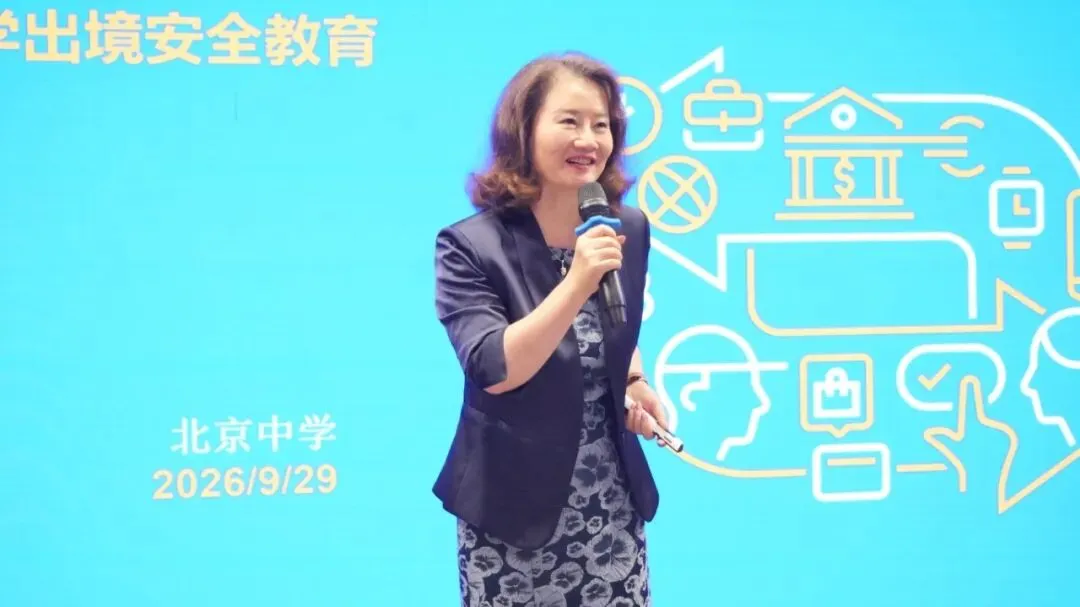
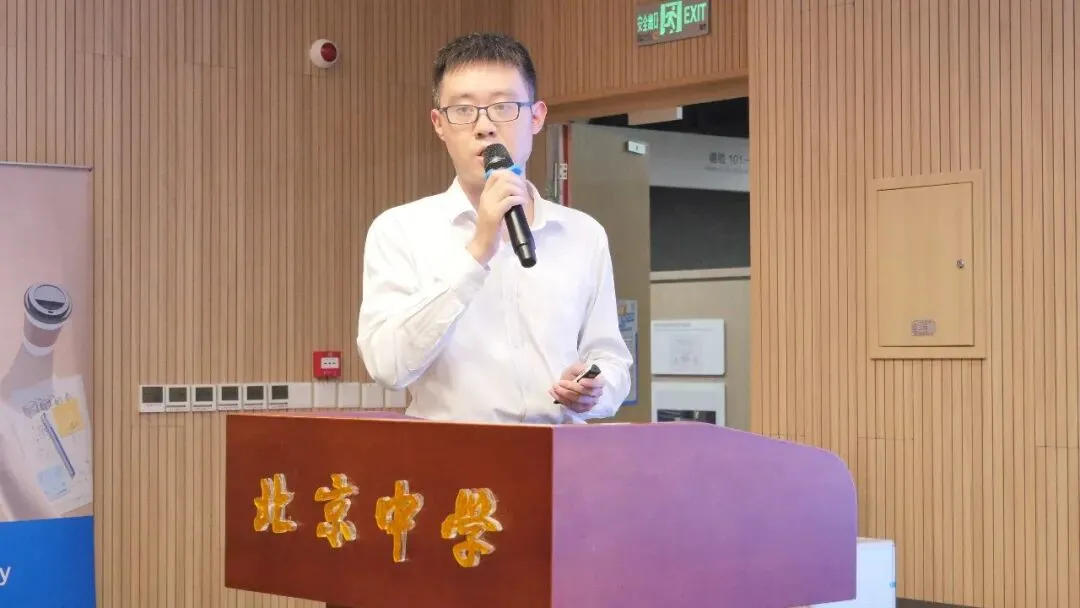
At the outset of the lecture, Ms. Li addressed the real-world challenges that young students face when preparing to study abroad, offering systematic guidance on academic integrity, psychological adjustment, career planning, personal safety overseas, and cross-border finance and fraud prevention. On academic matters that students often overlook — such as academic honesty, citation standards, and the boundaries of exams and assignments — she reminded everyone to familiarize themselves with the requirements of their target institutions early on and to uphold their academic standing. Addressing the social disruption, loneliness, and adjustment pressures that come with transitioning between educational systems abroad, she guided students in recognizing their emotions, proactively building support networks, and practicing positive psychological adjustment. In the area of career planning, she offered forward-looking and practical advice on balancing personal interests, realistic employment prospects, and long-term development when choosing a field of study.
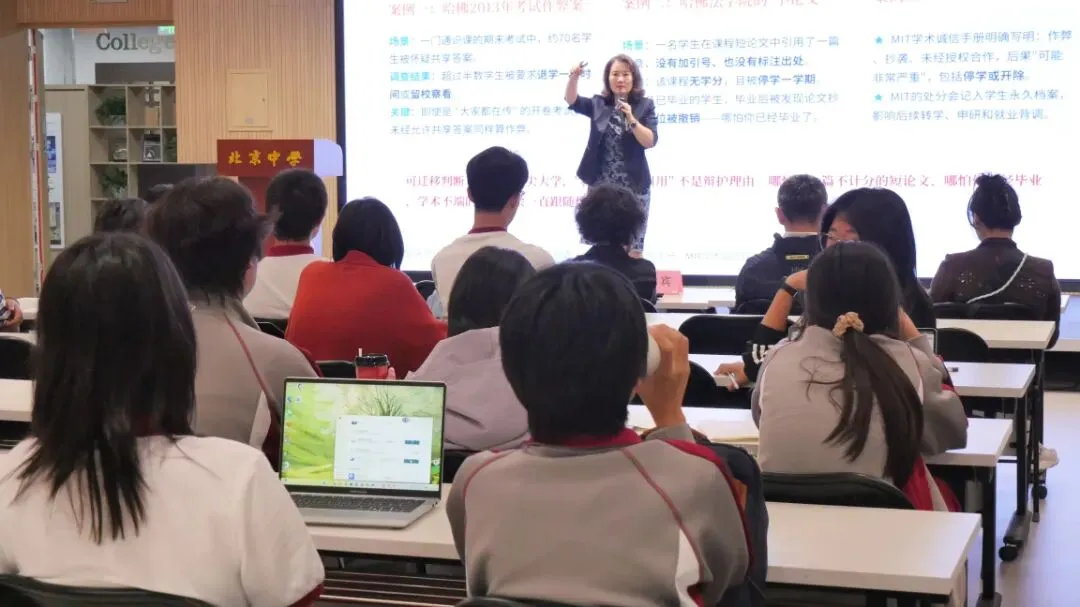
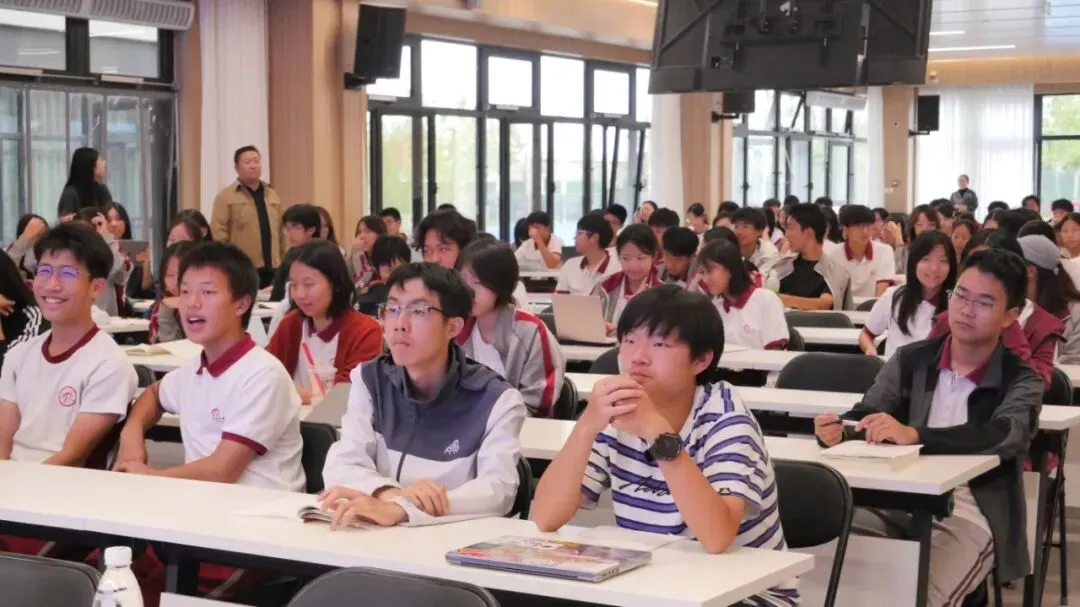
Ms. Li then turned her focus to personal safety abroad and cross-border financial risks. Drawing on real cases, she covered essential topics such as overseas travel safety, accommodation, legal fundamentals, emergency assistance, account security, currency exchange and card use, and protection against telecom and online fraud — helping students build a solid line of defense for their studies, mental well-being, finances, and personal safety while abroad. The lecture also included an interactive Q&A session, during which students eagerly sought advice on psychological adaptation, choosing a major, and other concerns; Ms. Li addressed each question with patience and care.
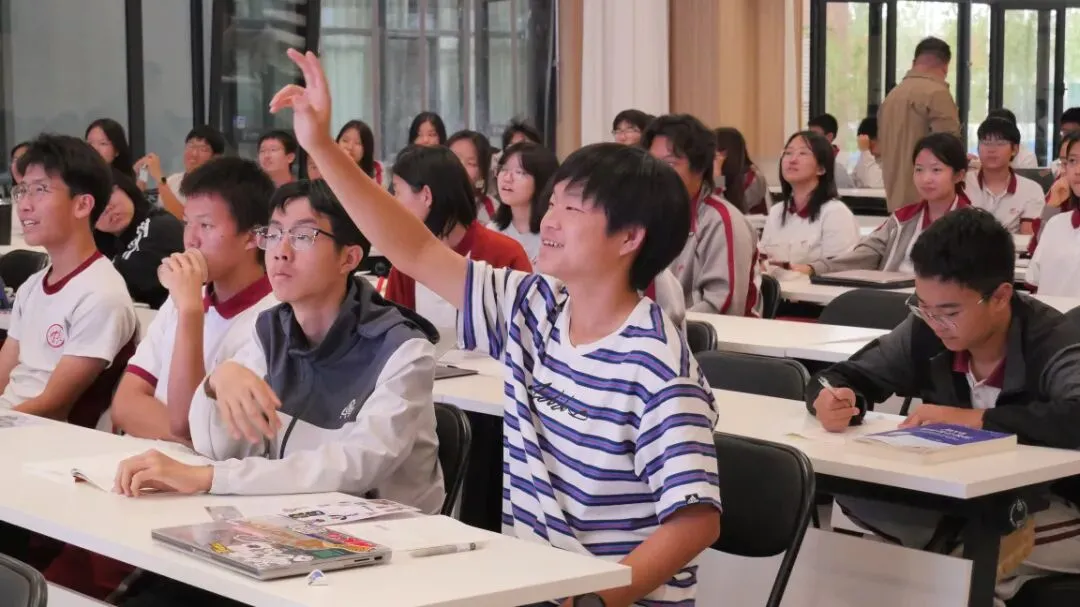
The lecture offered both practical case analysis grounded in the realities of studying abroad and forward-looking guidance for future development, striking a balance between professional rigor, practical value, and intellectual depth. Students in attendance said the lecture spoke directly to the difficulties and uncertainties they face in preparing for overseas study. It not only deepened their understanding of academic integrity, psychological adjustment, personal safety, and financial fraud prevention, but also drove home the importance of planning ahead and taking proactive precautions. The event provided strong support for students as they prepare to step onto the international stage and pursue healthy, secure growth.

Student Reflections
Mao Shuhan
After attending Ms. Li Ru's Ivy Protection Initiative lecture, I gained a great deal. What left the deepest impression on me was the discussion of AI usage policies at overseas universities. Universities abroad have drawn clear and strict boundaries around AI-assisted learning, and violating those boundaries means crossing a red line on academic integrity. This upended some of my prior assumptions and made me realize just how essential academic self-discipline and rigor truly are.
Ms. Li also shared many real stories from international students, touching on how to adjust one's mindset after going abroad and how to maintain healthy communication with one's parents. Studying in a foreign country is not just about academics — learning to regulate your emotions when facing pressure alone, and sustaining good communication with your family across the distance, are equally essential life lessons.
After the lecture, I had the honor of presenting Ms. Li with BAID cultural and creative gifts on behalf of the students. This lecture showed me the limits of focusing only on standardized test scores and competition achievements. Academic competence, psychological resilience, and communication skills are all indispensable parts of preparing for study abroad. I believe my classmates and I will start preparing early, sharpen these abilities, and face the many challenges that await us on our overseas journeys with confidence.
Peng Jiahe
Drawing on real-life study-abroad scenarios and her own firsthand experience, Ms. Li Ru delivered a talk that was both practically valuable and rich in cautionary insight, clearing up the various safety concerns we tend to overlook during the preparation process.
During the lecture, Ms. Li broke down the lines of defense we need to build from multiple angles. On the academic front, she emphasized the rigorous academic standards upheld by overseas institutions and reminded us to safeguard the bottom line of academic integrity. In career planning, she guided us to develop a long-term perspective early on — not merely focusing on short-term application goals, but thinking further ahead about the direction of our personal growth. At the same time, in the segments on personal safety abroad, cross-border financial literacy, and fraud prevention, Ms. Li shared numerous real cases of overseas telecom fraud and financial traps, making us keenly aware of the hidden risks lurking in cross-border transactions and online communications, and the constant need for vigilance.
What Ms. Li's lecture taught us is that preparing for study abroad goes far beyond standardized tests and application documents. It also requires building risk awareness early and learning how to protect ourselves. We can systematically organize the key safety knowledge for studying abroad — academic rules, safety basics, and fraud prevention essentials — into structured notes, distill the core takeaways, and gradually internalize them in our daily lives. Compared with scattered bits of information, systematic planning and a solid reserve of risk awareness are what truly give us the confidence to embark on our overseas journeys.
What this lecture gave us is not just knowledge, but a mindset of proactive planning. It reminded us that as we set out to study abroad, we must carry both ideals and aspirations to pursue, as well as thorough preparation to safeguard our studies, mental health, finances, and personal safety. Only then can we take every step of that journey with assurance.