
北京中学国际部“全球视野阅读营”第三期圆满落幕
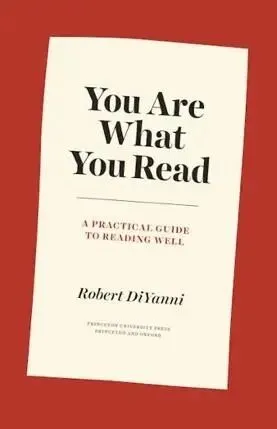
北京中学国际部继 2025 年首创推出“全球视野阅读营”后,备受学生欢迎。今年 4 月 - 6 月,再度与普林斯顿大学出版社专家团队合作,隆重推出“全球视野阅读营”第三期。本期邀请了毕业于康奈尔大学的 McKenna Norton 老师,带领同学们通过阅读《You Are What You Read(人如其读)》这本书,共同探索批判性阅读的意义和乐趣。

作为一本批判性思维与文学教育的经典著作,《You Are What You Read(人如其读)》讨论了如何通过选择不同的阅读来塑造思维和人生。作者 Robert DiYanni 是纽约大学人文学科教授,曾任纽约大学教学促进中心的教学顾问,非常擅长将经典文学阅读技巧转化为实用方法。北中国际部选择这本书作为阅读文本,也是希望能够在专业老师的引导下,帮助同学们形成英文阅读习惯,训练英文思辨能力,并提高英文输出水平。
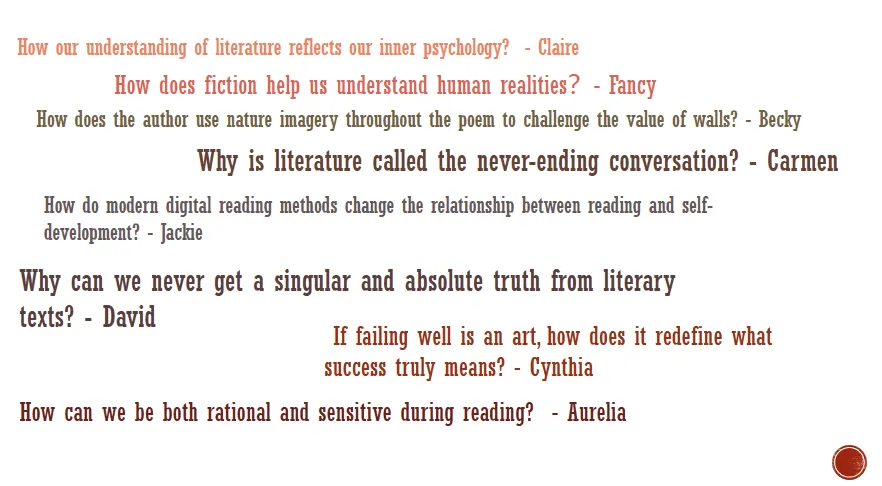
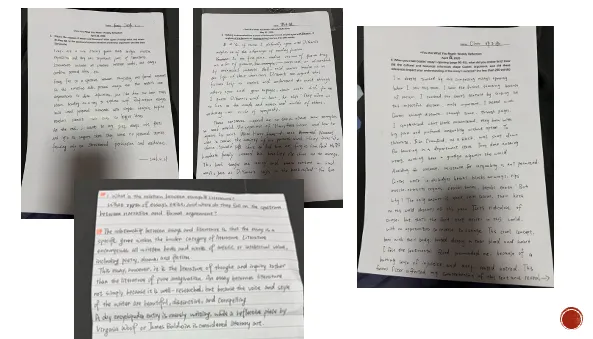
在为期两个月的活动时间里,25 位“小书虫”通过每日打卡、批注、留下思考问题,以及每周撰写读书心得等方式,不仅顺利完成了全书 240 页的阅读,还积累了自己对读书、选书和文学批评等各方面的理解和思考。
学生阅读成果

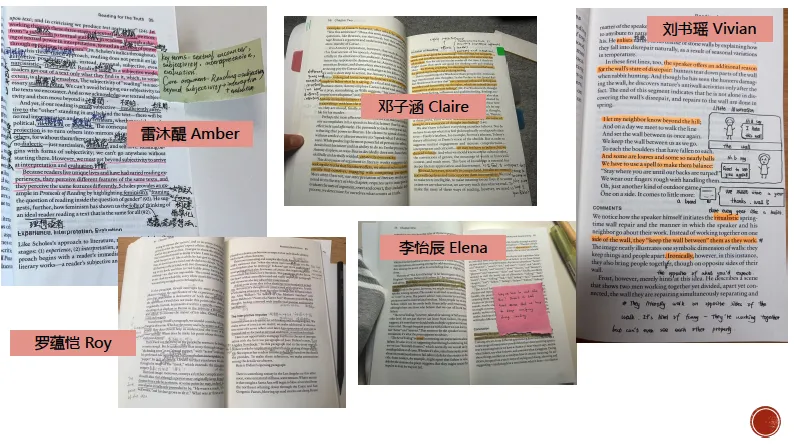
在 McKenna Norton 老师的面授环节里,同学们积极参与课堂讨论,将核心的阅读方法和工具——如语气 (tone),文风 (voice),措辞 (diction),句法 (syntax),修辞语言 (figurative language) 和结构 (structure)——用到不同的非虚构和虚构作品的分析里。同学们学会了通过类型 (genre)、上下文 (context)、声音 (sound) 和文学技巧 (literary techniques) 来分析诗歌,以及通过个人的 (personal)、分析的 (analytical) 和价值导向的 (value-oriented) 维度来加深对一篇文本的理解。
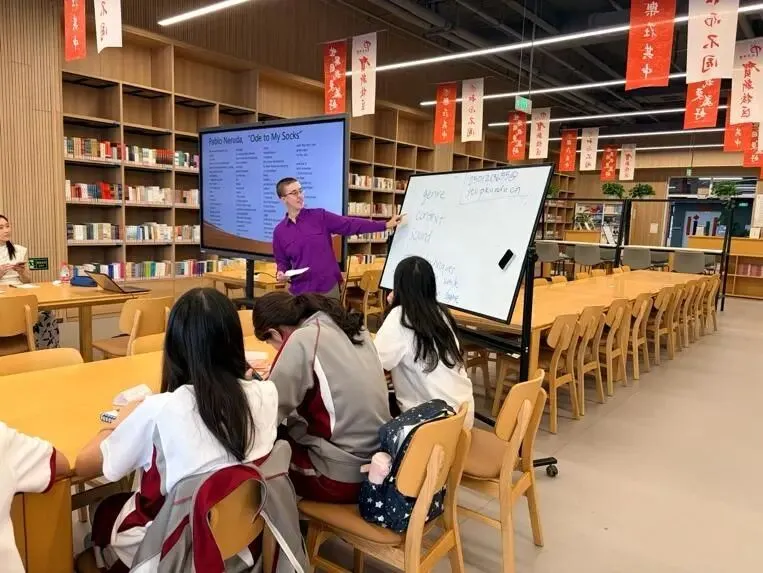
除了虚构作品以外,同学们还学习了如何用亚里士多德修辞学中的核心概念 logos(逻辑)、pathos(情感) 和 ethos(道德) 来分析非虚构作品,以及如何建构非虚构作品的“论点 (argument) 和论据 (evidence)”等技巧。同学们用这些经典的阅读方法分析了如乔治·奥威尔 (George Orwell) 的《蟾蜍随想 (Some Thoughts on the Common Toad)》和蒙田 (Montaigne) 的《论气味 (Of Smells)》等经典作品的节选,还赏析了如艾丽斯·沃克 (Alice Walker) 和塔-内希西·科茨 (Ta-Nehisi Coates) 等当代著名美国作家的作品片段。
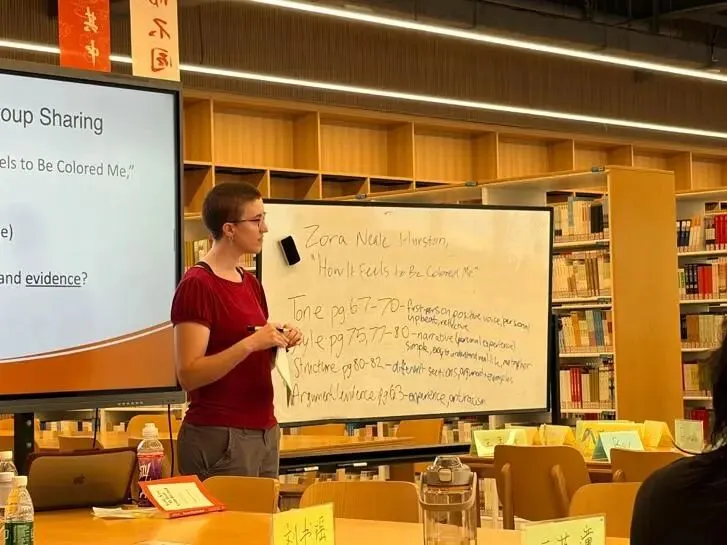
阅读当然不只有技巧和方法,阅读更大的价值在于它带给人们的乐趣。
通过每周图书馆的共读和 McKenna 老师的面授课堂,同学们还一起探讨了阅读带给他们的各种感受,包括书中提到的 4 种同时并存、相互滋养的乐趣:独处与共鸣 (solitary vs. social)、臣服与抵抗 (submit vs. resist)、内观与外照 (inward vs. outward)、知识与智慧 (knowledge vs. wisdom)。
同学们第一次从这些角度深入理解了“阅读”这个活动的本质,对阅读带来的生命体验有了更加丰富的体会和更热切的期待。

除了感受,还有思考。
互相碰撞令人着迷的问题也是课堂上同学们最受启发的环节之一。比如:每一部作品里是否都存在一个大写的“Truth(唯一事实)”和小写的“truth(不唯一的事实)”;如何扬弃简单的“喜欢”和“不喜欢”来判断一本书的价值?数字阅读和纸质阅读有哪些区别?社交媒体对人们的阅读能力和专注时间带来了什么样的影响?这些问题都极大地启发了同学们的好奇心和探索欲,带领他们从价值层面思考如何选择不同类型的读物,以及如何在数字时代培养良好的阅读习惯,提升阅读品味和审美力。

为期两个月的持续读书、思考和讨论,帮助同学们在结营项目中,将学到的文本分析技巧和对阅读的深入理解运用到了自己喜欢的作品里,提交了一份份高质量的文学批评的小论文。McKenna 老师亲自评分并给每一位同学写了评语。其中李怡辰、茅书菡和叶竞舟三位同学以 39 分的高分 (满分 40 分) 荣获了“文笔出众奖 EXCEPTIONAL WRITING AWARD”。
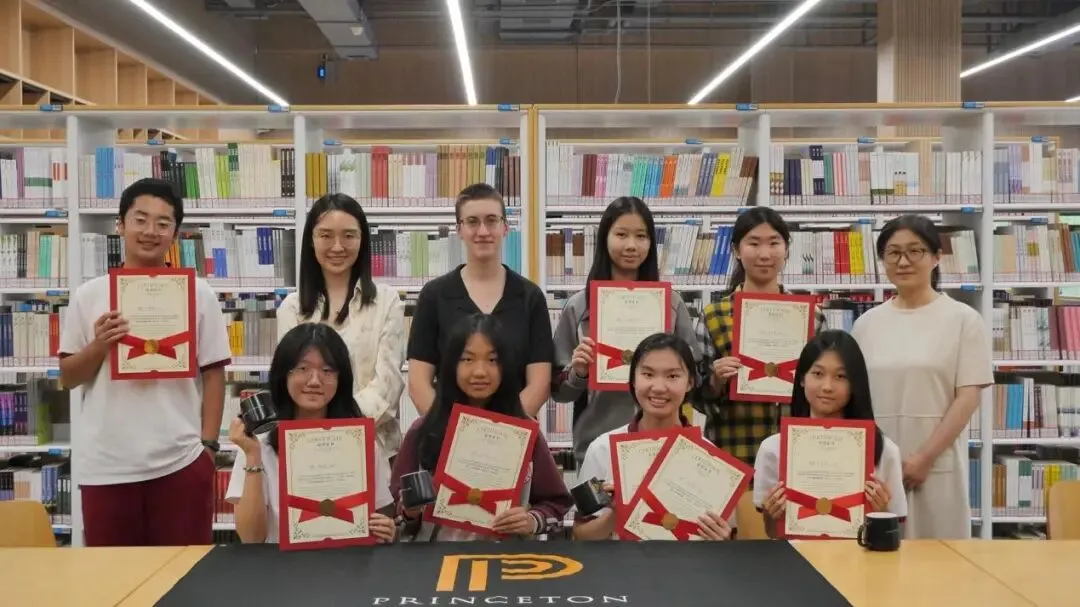
除此以外,刘书瑶、罗蕴恺和李怡辰三位同学凭借平时读书打卡中留下的高质量问题荣获了“勤学善思奖 CRITICAL THINKING AWARD”;邓子涵、李梓嘉、雷沐醍和茅书菡四位同学因在课堂学习中敢于表达、乐于分享荣获了“学习风采奖 CLASSROOM PRESENCE AWARD”,给本期的阅读之旅画上了圆满的句号。
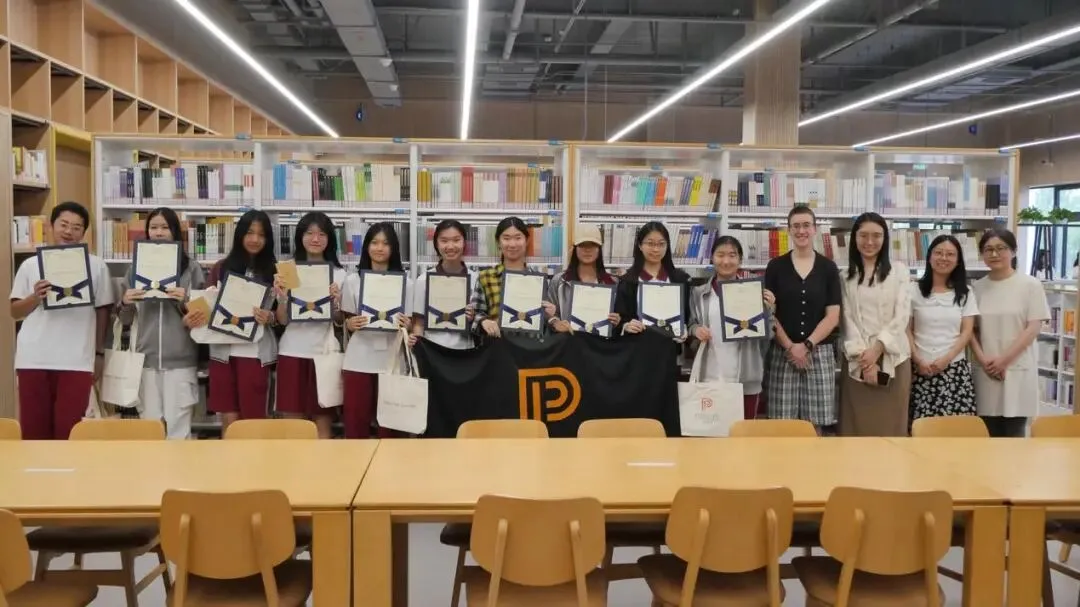
北中学子,始终坚持以书籍为窗口,阅读世界,思考世界,讨论世界,参与世界。我们相信“人如其读 You Are What You Read”,也始终坚持通过形式多样的教学活动将阅读融入到每位学生的日常生活中,成为滋养其一生的宝贵财富。
在此,我们希望引用书中的一段话作为本期阅读营完美收官的寄语:
“I invite you, as a singular reader, to join in. Bring your thoughts and feelings, your ideas and personal values. Take your place in the conversation so that reading well can, indeed, help you attain a fuller and more rewarding life.”
我诚挚地邀请你,每一位小读者,加入我们吧!
带上你的思考和感受,你的见解和价值观,加入我们的对话和分享,因为阅读真的能帮助你获得一个更加充盈和更有回报的人生。
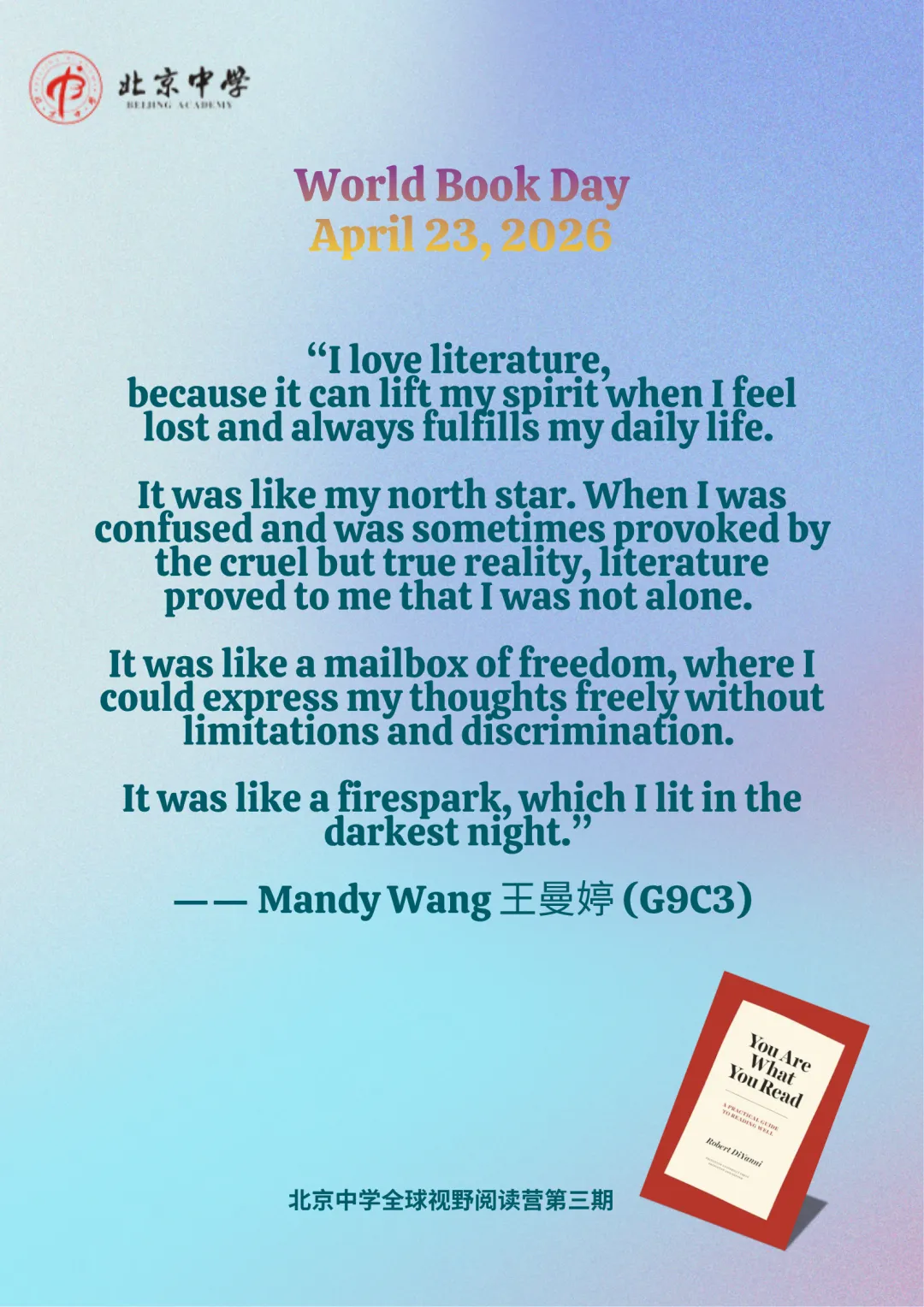
学生感言
石一然 Nicole:
One of the best parts of the book is that it's not full of confusing rules or hard-to-understand ideas. It's a practical guide for anyone who wants to enjoy reading more and get more out of it. DiYanni talks about simple things we can do, like paying attention to what the author is saying, how they say it, and why they wrote it. He also says that reading well takes practice, just like playing a sport or learning an instrument. The more we read carefully, the better we get at it, and the more fun it becomes.
What I liked most is that the book makes reading feel less like work and more like something good for ourselves. DiYanni writes that reading gives us a break from the busy, noisy world. When we open a book, we can escape our daily worries and go somewhere else, even if it's just in our minds. At the same time, reading teaches us to think more clearly, to ask questions, and to see things in new ways. These skills don't just help us with books—they help us in school, in our relationships, and in life.
王艺潼 Cici:
The real turning point came when our foreign teacher led a few sessions. Unlike the quiet, lonely reading I was used to, her classes were lively and interactive. She didn't lecture us about themes. She asked us what we thought, then challenged our answers. She shared her own wrong guesses and made us laugh. Reading suddenly felt like a conversation, not a test. For the first time, I found it genuinely enjoyable.
Now the reading camp is over, and I'm grateful for the whole journey. I came in with frustration and left with genuine interest. You Are What You Read taught me that good reading isn't about finding easy answers—it's about struggling with a text, thinking deeply, and discovering meaning for yourself. I might even read the book again, this time for pleasure.
周焕采 Selina:
The book tells us that we are not only what we read, but also how we read. One of the main points I learned is“slow reading.”I used to read very fast, like running a race. But the teacher showed us how to stop at a difficult sentence, ask questions, and even disagree with the writer. That was new for me. I remember one class, we spent almost an hour on just two paragraphs from a short story. I was a little bored at first, but then I saw details I never noticed before. It feels like putting on a pair of glasses.
Also, I was shy to speak my ideas in English. But the teacher always encouraged us. She said,“Wrong ideas are better than no ideas.”So I started to share my thoughts, even with my broken grammar. Sometimes my classmates laughed, but in a nice way. I learned that reading is not alone. Discussing with others makes the book come alive.
Another thing I learned is that reading alone is not enough. Discussing with others can open your eyes. In the camp, we had many discussions. Hearing different opinions made me realize that one text can have many meanings. The book says we are what we read. I agree, but I also think we are what we discuss.
学生作品展示
文笔出众奖 EXCEPTIONAL WRITING AWARD 获奖作品 1
作者:茅书菡 Cynthia
赏析作品 (诗歌)
题目:I Wandered Lonely as a Cloud
作者:William Wordsworth
I wandered lonely as a cloud
That floats on high o'er vales and hills,
When all at once I saw a crowd,
A host, of golden daffodils;
Beside the lake, beneath the trees,
Fluttering and dancing in the breeze.
Continuous as the stars that shine
And twinkle on the milky way,
They stretched in never-ending line
Along the margin of a bay:
Ten thousand saw I at a glance,
Tossing their heads in sprightly dance.
For oft, when on my couch I lie
In vacant or in pensive mood,
They flash upon that inward eye
Which is the bliss of solitude;
And then my heart with pleasure fills,
And dances with the daffodils.
This poem describes how the speaker is cheered up by a field of daffodils during a lonely walk, and carry a quiet core message: small, beautiful moments from nature can stay in our memory, and comfort us long after the moment passes. The poet does not use fancy or complicated words to force this idea on readers; instead, he uses soft, vivid descriptions to let us feel the warmth ourselves.
Following Robert DiYanni's literary analysis methods, the most powerful technique here is imagery — a concept DiYanni explains as mental pictures built by descriptive language. Wordsworth paints a bright, lively scene with details like“golden daffodils,”“dancing in the breeze,”and flowers as countless as“stars that shine on the milky way”. These details do not just tell readers“the flowers are pretty”; they let us picture the scene in our own heads, as if we are standing beside the lake with the speaker. By turning a common natural scene into a clear, lively picture, the poet makes the joy of that moment feel real and easy to share.
DiYanni also points out that tone shows a writer's attitude toward their subject, and this poem has a gentle, noticeable shift in tone. It opens with a quiet, lonely tone — the speaker compares himself to a single cloud floating all alone. But after he finds the daffodils, the tone slowly lightens into warmth and joy, with light, active phrases like“sprightly dance”and“my heart with pleasure fills”. This slow change guides readers' feelings along the speaker's experience. We do not just hear that nature is comforting; we feel the comfort step by step.
For me, this poem feels very close to my own life. As DiYanni writes in chapters 5 and 6, one of the greatest pleasures of reading is recognition — finding our own feelings and experiences in a text. Last month, I feel really upset after a bad math test, and I walked around our community park for a long time to calm down. I passed a patch of small yellow flowers swinging in the wind, and for a second, I forgot my frustration. I did not think much of it then, but now I understand: those small flowers left a little warm memory in my mind, just like the daffodils for the speaker. This poem teaches me to slow down and notice tiny beautiful things in daily life, because they can become little lights for hard days later.
This poem is simple, but it holds soft, lasting power. It not only describes a field of flowers; it also helps me see the value of small, ordinary moments in my own life. That is why this piece matters so much to me.
导师评语:
Excellent analysis, Cynthia! You did a great job of explicitly highlighting where you rely on DiYanni; you used lots of specific references from both DiYanni and Wordsworth, and your descriptions are very vivid. I also think your writing style is great; I like how you signpost your own intervention in the analysis (e.g., instead of saying“the reader feels comforted,”you write at the end of paragraph three that“we feel the comfort”). This is useful analytically because it shows how you got to your conclusions.
The only thing I'd suggest changing is a few small linguistic errors; watch out for your verb conjugations! For example, in the first paragraph,“carry”should be“carries”(because we would say“the poem carries,”not“the poem carry”), and in the fourth paragraph,“I feel really upset”should be“I felt really upset,”because this happened in the past. Great work on this response!
– McKenna Norton
文笔出众奖 EXCEPTIONAL WRITING AWARD 获奖作品 2
作者:李怡辰 Elena
赏析作品 (诗歌)
题目:A Blessing
作者:James Wright
Just off the highway to Rochester, Minnesota
Twilight bounds softly forth on the grass.
And the eyes of those two Indian ponies
Darken with kindness.
They have come gladly out of the willow
To welcome my friend and me.
We step over the barbed wire into the pasture
Where they have been grazing all day, alone.
They ripple tensely, they can hardly contain their happiness
That we have come.
They bow shyly as wet swans. They love each other.
There is no loneliness like theirs.
At home once more,
They begin munching the young tufts of spring in the darkness.
I would like to hold the slenderer one in my arms,
And nuzzle my left hand.
She is black and white,
Her mane falls wild upon her forehead,
And the light breeze moves me to caress her long ear
That is delicate as the skin over a girl's wrist.
Suddenly I realize
That if I stepped out of my body I would break
Into blossom.
In James Wright's poem A Blessing, the speaker describes a seemingly ordinary encounter with two ponies in a Minnesota pasture. What begins as a simple observation gradually develops into a profound moment of insight and emotional awakening. The selected lines form the climax of the poem and reveal its central message: moments of genuine connection with nature can transform our understanding of ourselves and the world around us.
According to DiYanni, literary analysis should consider what a text shows, what it does, and how it achieves its effects. The selected passage shows a moment of epiphany, a sudden realization that changes the speaker's perception. Throughout the poem, the speaker carefully observes the ponies and responds to their gentleness and affection. The word“suddenly”emphasizes that this realization arrives unexpectedly. An ordinary experience becomes something extraordinary, suggesting that moments of insight often emerge when we are fully attentive to the world around us.
The passage also does something important for readers. It encourages us to recognize beauty and meaning in everyday life. Wright suggests that experiences of wonder are not limited to dramatic events. Instead, they can arise from simple encounters if we remain open to them. The poem invites readers to slow down, observe carefully, and appreciate the connections that exist between humans and the natural world.
Wright achieves these effects through several literary techniques. Most notably, he uses metaphor in the phrase“break into blossom.”The speaker does not literally transform into a flower. Rather, the image symbolizes growth, renewal, and spiritual awakening. Blossoms are often associated with life, beauty, and possibility, making the metaphor an effective way to express the speaker's emotional transformation. The image suggests that something hidden within him has suddenly opened and flourished.
Imagery also plays an important role. Earlier descriptions of twilight, grass, and the ponies create a peaceful atmosphere that prepares readers for the final revelation. In addition, Wright creates a contrast between the physical body and the blossoming inner self. By imagining himself stepping“out of my body,”the speaker suggests a temporary escape from ordinary limitations and a deeper connection with something larger than himself.
Personally, these lines resonate with me because they capture a feeling that many people experience but rarely describe. Sometimes a beautiful landscape, an act of kindness, or a quiet moment can unexpectedly change our perspective. Wright's poem reminds me that meaningful experiences often occur when we pause and pay attention. Drawing on DiYanni's discussion of literature and life, one pleasure I find in this poem is its ability to reveal extraordinary meaning within ordinary experiences. A Blessing demonstrates how literature can deepen our awareness of the world and help us appreciate moments of beauty that might otherwise go unnoticed.
导师评语:
Elena, this is an excellent reflection! Great work incorporating DiYanni's literary techniques and using quotations from the poem. Your writing is clear and your analysis precise. I also appreciate your personal experience of the poem; your anecdote is quite vivid. Great work!
– McKenna Norton
文笔出众奖 EXCEPTIONAL WRITING AWARD 获奖作品 3
作者:叶竞舟 Joe
赏析作品 (诗歌)
题目:The Art of Failing
作者:Robert DiYanni
The art of failing isn't hard to master.
Just draft your project with the aim to fail.
Then fail better and fail faster. Skirt disaster.
Success is fine, but no match for failing well.
Fail better, fail faster, and be smart.
The art of failing isn't hard to master.
So Samuel Beckett says about his art.
Perfection eludes us at every turn.
So fail better and smarter to forestall disaster.
You won't get anything right from the start.
Don't try. Forgive yourself; make a mess.
Avoid duress. Fail smarter to prevent disaster.
Failure, not success, is what you're after.
That's where the surprises lurk—the discoveries.
The art of failing isn't hard to master.
Court failure. Don't fear its painful pleasure.
Follow missteps—embrace them, take their measure.
The art of failing you can learn to master.
Fail better, smarter, faster. Avert disaster.
Analysis of the Poem
Most people believe failure is something bad we should avoid. However, the poet Robert DiYanni holds a totally different opinion. His main idea is simple: failing is a useful skill we can learn. If we try and fail many times, we can find new ideas and make progress. This growth means more than only chasing perfect success.
The poet uses many easy writing skills to pass on this idea clearly.
First, he repeats lines and uses a calm, confident voice. This poem follows the writing style of Elizabeth Bishop's poem One Art. The line“The art of failing isn't hard to master”appears again and again. At the very end, he changes this line slightly to“The art of failing you can learn to master”. This small change tells every reader: anyone can learn to face failure well.
The whole poem only uses plain, direct statements instead of questions. Sentences like“Success is fine, but no match for failing well”sound steady and believable. They help us let go of our fear of making mistakes. Short sayings such as“fail better, fail faster”show up many times, so we can easily remember the poem's core thought.
Second, the poet mentions two famous writers to make his words more believable. He borrows the rhyme rules from Bishop's poem, which teaches people how to accept loss. The poet wants us to see failure is just like loss — both are common experiences we can get used to. He also talks about Samuel Beckett, a well-known writer who thought people should keep trying even after failing. These references prove that many great creators choose to learn from failure long before this poem was written.
Third, the poet uses special word pairs to change our old thinking. The most eye-catching phrase is“the art of failing”. Normally, we link the word“art”to perfect, beautiful works. But here,“art”stands for a skill we can practice little by little. Another simple phrase“painful pleasure”is easy to understand: failure brings us uncomfortable feelings, yet it also lets us find new surprises that we cannot get from easy success.
All these writing tools work together. The steady rhyme makes the poem smooth to read. The confident tone wins our trust. Special word choices help us stop feeling scared of making mistakes. In this way, the poet successfully changes how readers look at failure.
My perspective
This poem deeply influences my daily life, and it brings two kinds of happiness from reading, as DiYanni writes in his book.
First, it brings me the joy of correcting my old, wrong ideas. I used to be very afraid of making mistakes in schoolwork or my hobbies. Whenever I messed something up, I felt ashamed and hid my faults. This poem changed my mind completely. It lets me know mistakes do not mean I am bad at something. On the contrary, messy, imperfect tries are necessary steps to learn and create new things.
Second, this poem gives me warm comfort, another pleasure of reading that DiYanni talks about. Lines like“Forgive yourself; make a mess”tell me not to be too hard on myself when I fail. Now I dare to try new things without worrying about looking imperfect. Every time I make a mistake, I write down small lessons from it. Slowly, my work becomes more creative and interesting.
This poem is closely connected to my everyday life. It takes away my fear of failure and gives me the courage to keep trying new things. It makes my study and creation less stressful and more rewarding.
导师评语:
This is an excellent response, Joe! Your analysis of the poem is great, and I'm impressed by your interpretations of the allusions to Bishop and Beckett. Your personal anecdotes are also quite vivid, and I appreciate how you used the literary techniques the poem uses to lead into the effect it has on you. What you called“special word pairs”in this piece actually has a name in English; we'd call these paradoxical pairs of words oxymorons!
– McKenna Norton